Photo Book Review – Beyond Caring by Paul Graham
Photo Book Review – Beyond Caring by Paul Graham
Beyond Caring by Paul Graham is available from Mack Books, here.
All images ©Paul Graham
Paul Graham’s Beyond Caring is an extraordinary and poignant exploration of socio-political conditions in mid-1980s Britain, a work that operates at the intersection of documentary photography, social critique, and artistic innovation. Published in 1985, the photobook provides an unflinching visual narrative of the bleak environments of the United Kingdom’s Department of Health and Social Security (DHSS) offices, where the unemployed and socially disadvantaged were subjected to prolonged bureaucratic indifference. Graham’s work transcends mere documentation; it is a profound commentary on the human cost of systemic neglect, rendered in a manner that redefined the boundaries of documentary photography.
At its core, Beyond Caring is a reflection of a Britain mired in economic turmoil and social stratification, shaped by the policies of Margaret Thatcher’s government. The 1980s marked a watershed moment in the nation’s history, as Thatcher’s neoliberal agenda sought to prioritise market forces over social welfare. The resultant dismantling of traditional industries led to a surge in unemployment, with millions reliant on the overstretched and underfunded social security system. Graham’s photographs serve as both a visual archive of this period and a powerful critique of its socio-political consequences, capturing the lived experiences of those trapped within the dehumanising machinery of state bureaucracy.
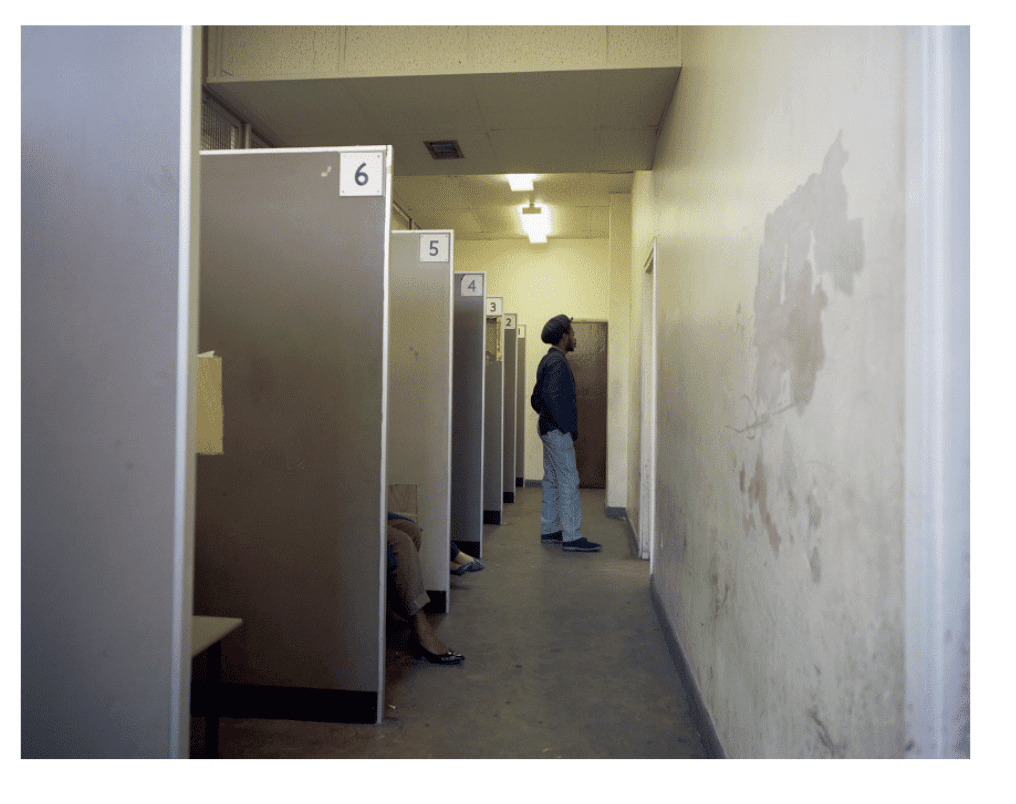
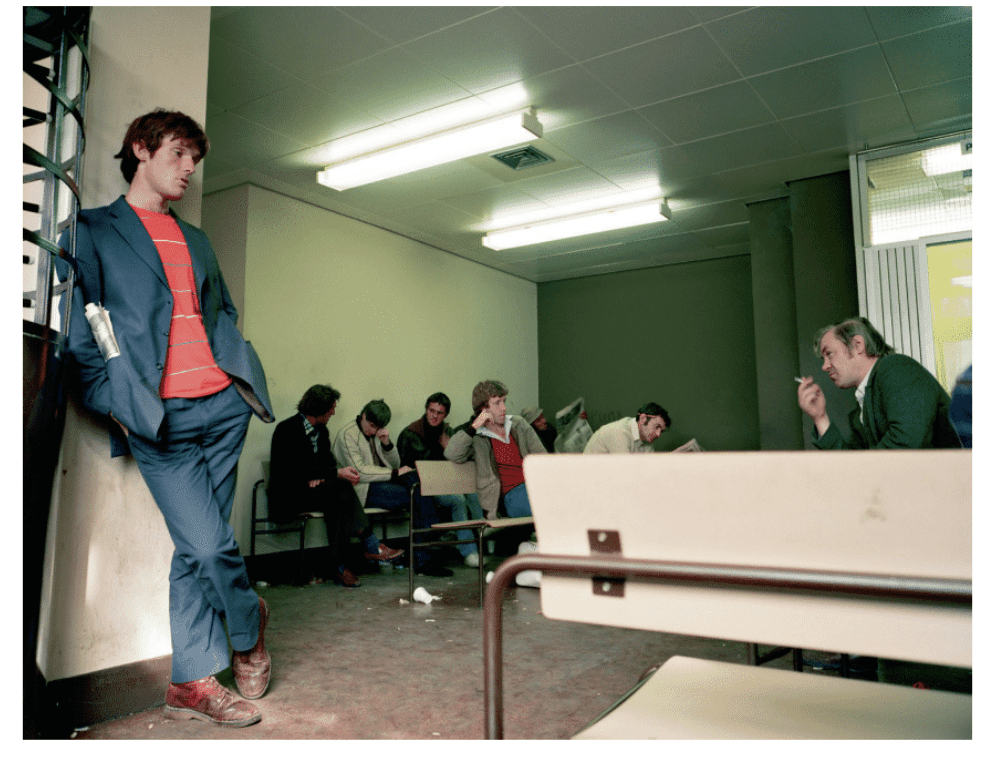
INTERVIEW CUBICLES, HACKNEY DHSS, EAST LONDON, 1985.
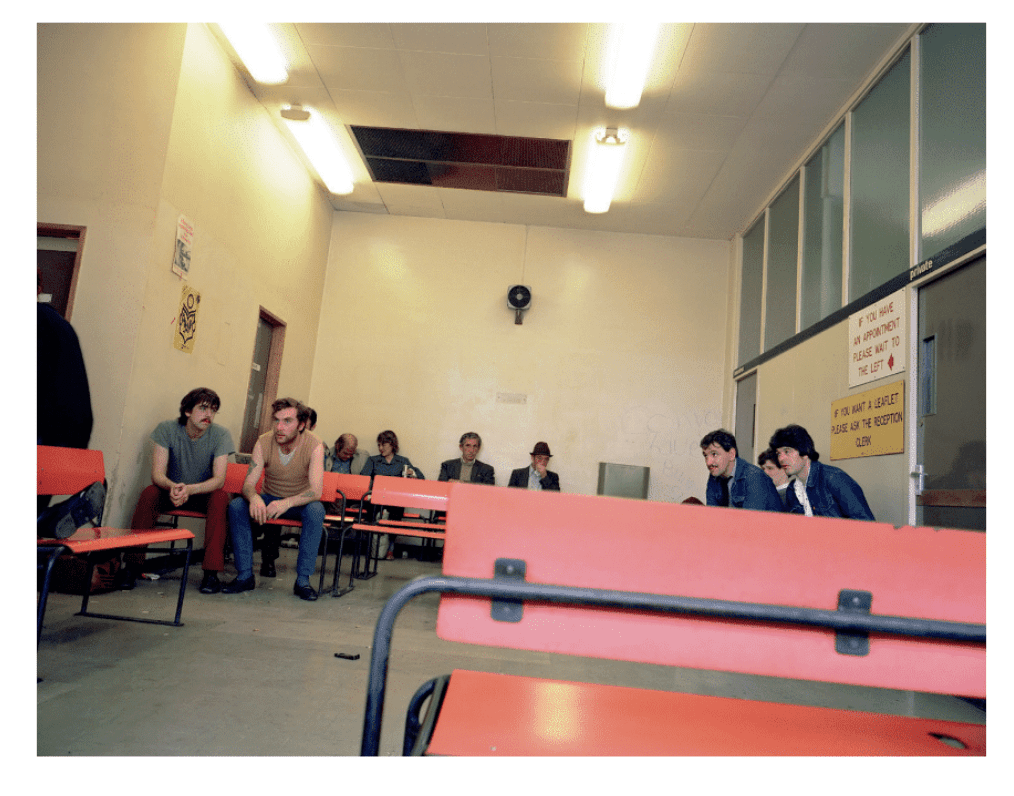
One of the most striking aspects of Graham’s approach is his innovative use of colour photography, a deliberate departure from the black-and-white aesthetic traditionally associated with documentary work. In the 1980s, black-and-white imagery was synonymous with seriousness and objectivity, qualities that many believed were diluted by the perceived “aestheticism” of colour. Graham’s rejection of this orthodoxy was both a risk and a revelation. The muted tones and washed-out hues of his photographs evoke a pervasive sense of despair, amplifying the emotional resonance of the work. The colour palette itself seems to echo the institutional drabness of the DHSS offices—stained carpets, peeling paint, and fluorescent lighting—while simultaneously humanising the subjects. This use of colour underscores the banality of suffering, making the photographs viscerally immediate and relatable.
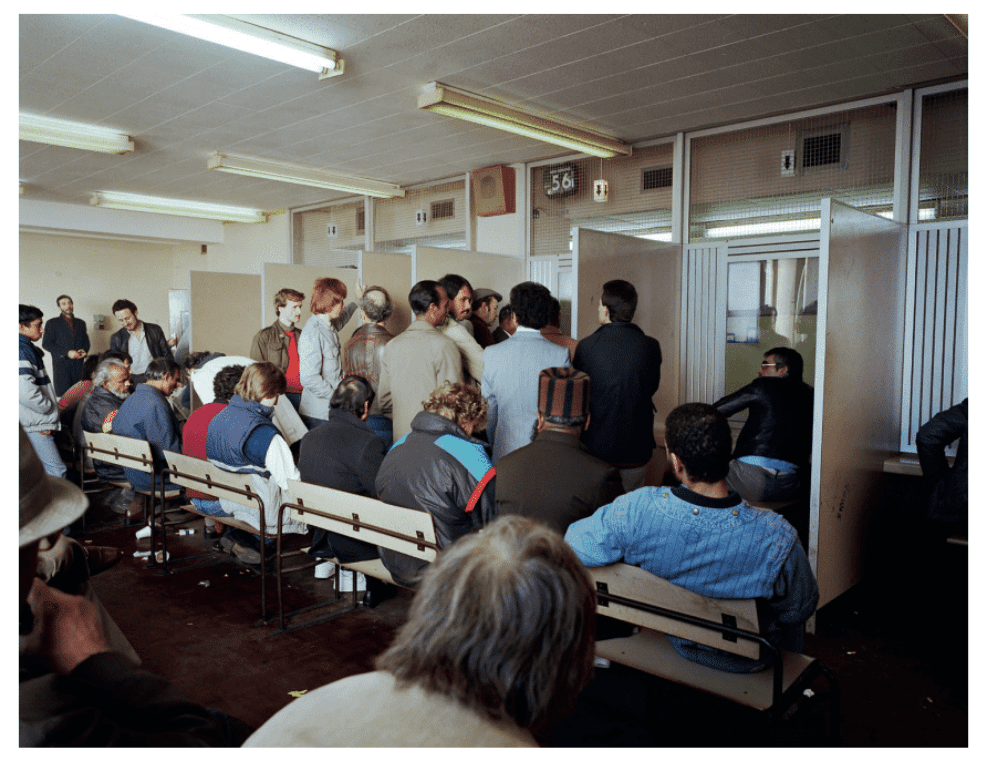
Denied permission to photograph in DHSS offices, Graham employed a surreptitious technique that involved shooting without looking through the viewfinder. This method not only circumvented institutional restrictions but also imbued the images with a raw, unmediated quality. The compositions often appear haphazard or fragmented, a visual analogue to the disorienting experience of those navigating the labyrinthine welfare system. This aesthetic of imperfection is deeply symbolic, reflecting the disempowerment and disconnection felt by the individuals depicted. The lack of formal structure in many images mirrors the lack of agency afforded to those waiting interminably in drab corridors and dingy waiting rooms.
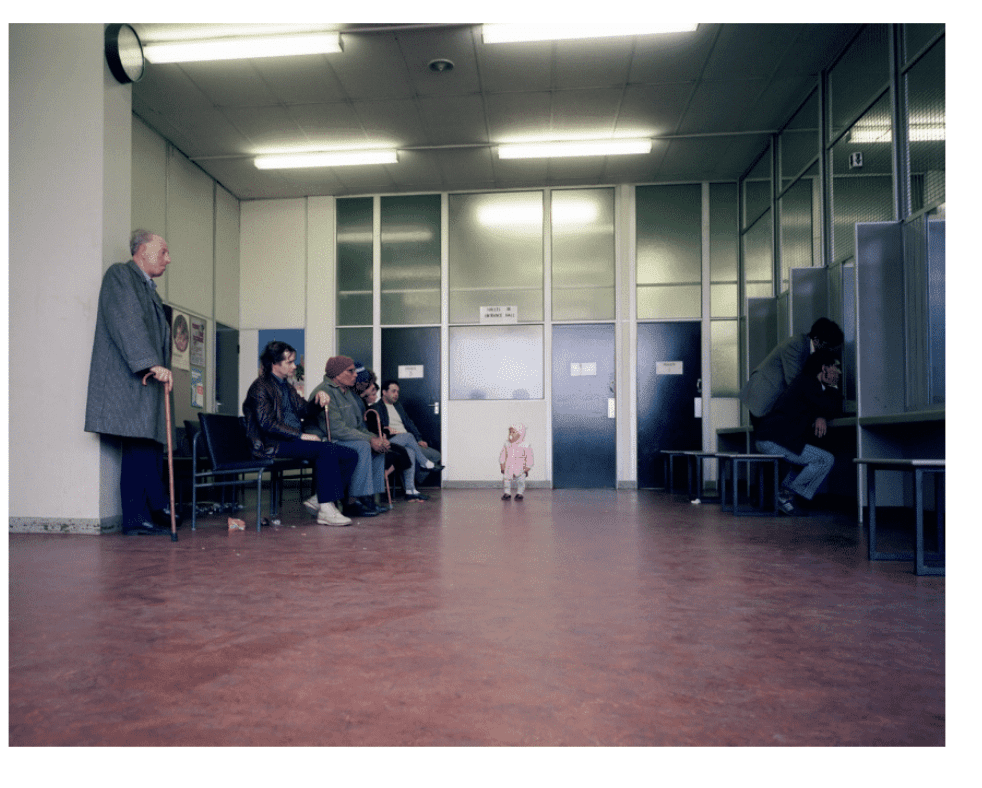
Graham’s ability to capture candid, unposed moments further elevates the work. His subjects are often absorbed in their own thoughts, their expressions marked by resignation, frustration, or sheer exhaustion. These moments of stillness and vulnerability invite the viewer to empathise with the human dimension of systemic neglect. In one particularly evocative image, a man slouches in a plastic chair, his gaze vacant, his body language a study in defeat. The photograph encapsulates the pervasive sense of inertia that characterises the DHSS offices, spaces designed to process individuals rather than to support or uplift them.
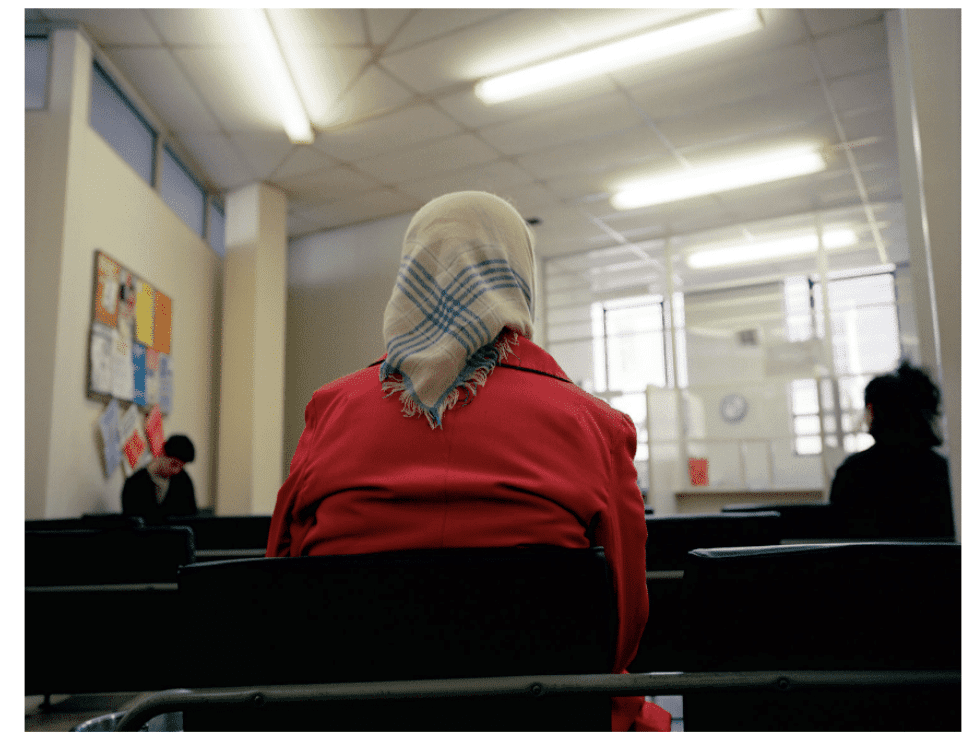
The title of the photobook, Beyond Caring, operates on multiple levels. On one hand, it speaks to the emotional exhaustion of those subjected to the indignities of the welfare system. The interminable waiting, the lack of privacy, and the impersonal nature of the process strip individuals of their dignity, leaving them “beyond caring” in the literal sense. On the other hand, the title serves as an indictment of the institutions themselves, suggesting a systemic apathy that reduces human beings to mere statistics. This duality encapsulates the profound tension at the heart of the work, a tension between the resilience of the human spirit and the crushing weight of institutional neglect.
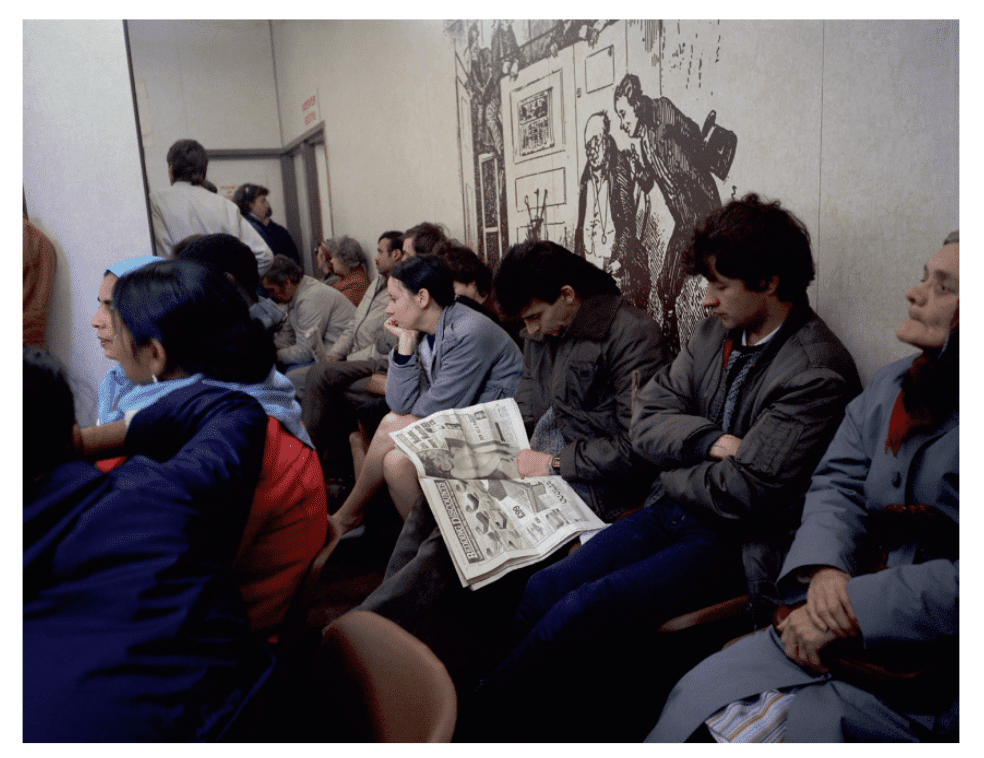
The book’s design and sequencing play a crucial role in its impact. The photographs are presented without captions or explanatory text, a deliberate choice that compels the viewer to engage with the images on their own terms. This lack of contextualisation mirrors the anonymity imposed upon the individuals within the welfare system, whose stories and identities are subsumed by bureaucratic processes. The layout of the book is sparse, with images often occupying entire pages, allowing the viewer to immerse themselves fully in each scene. This minimalist approach heightens the emotional intensity of the work, as the absence of extraneous elements directs attention solely to the photographs.
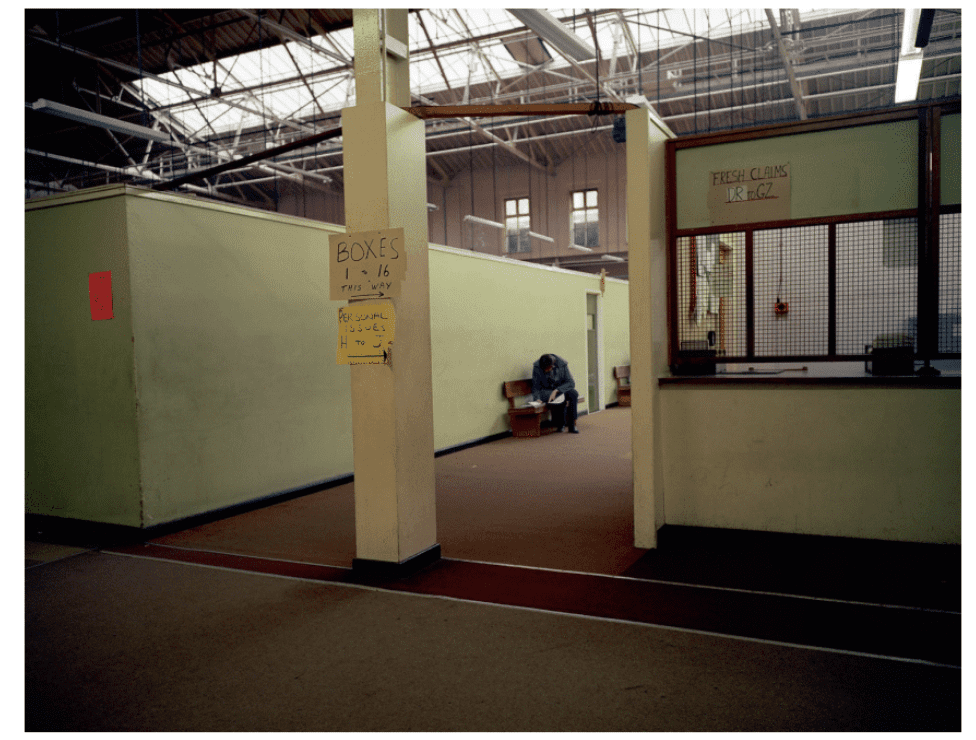
Critically, Beyond Caring represents a radical departure from traditional notions of documentary photography as a vehicle for objective reportage. Graham’s work straddles the line between activism and art, challenging the viewer to reconsider their assumptions about both mediums. The photobook does not offer solutions or prescriptive commentary; instead, it presents a visual truth that is both deeply personal and universally resonant. This ambiguity is one of the work’s greatest strengths, as it invites interpretation and reflection rather than dictating a singular narrative.
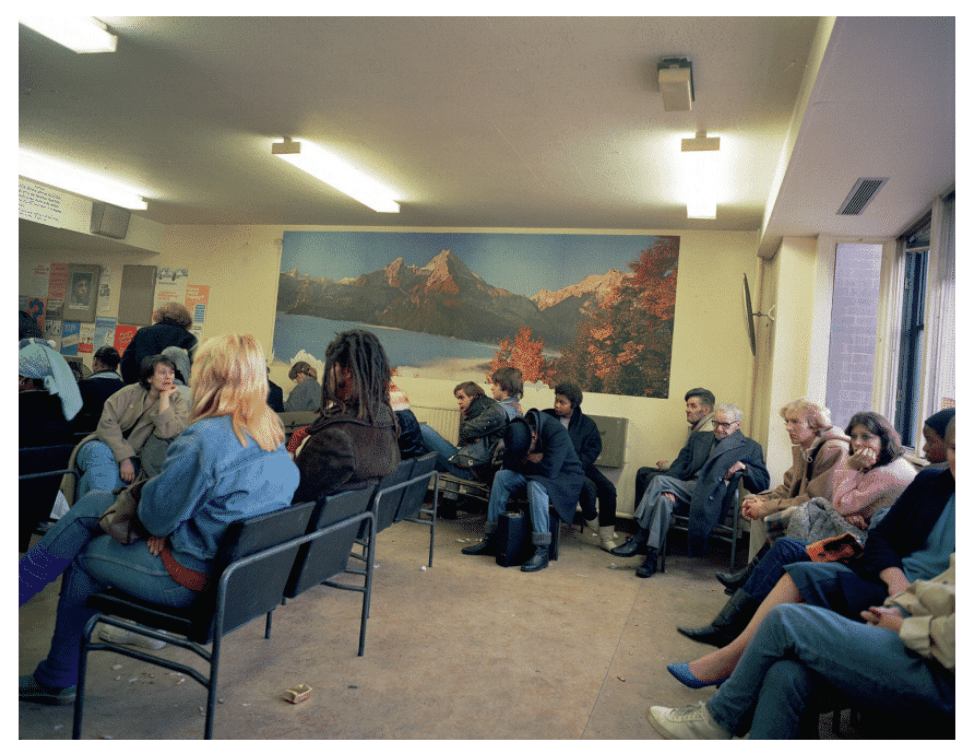
The critical reception of Beyond Caring has evolved significantly since its initial publication. At the time, Graham’s use of colour provoked considerable debate within the photographic community, with some critics dismissing it as a betrayal of documentary integrity. However, others recognised the work as a groundbreaking contribution to the genre, one that expanded the possibilities of photographic expression. Today, the photobook is widely regarded as a seminal work, its influence evident in the subsequent evolution of documentary and art photography.
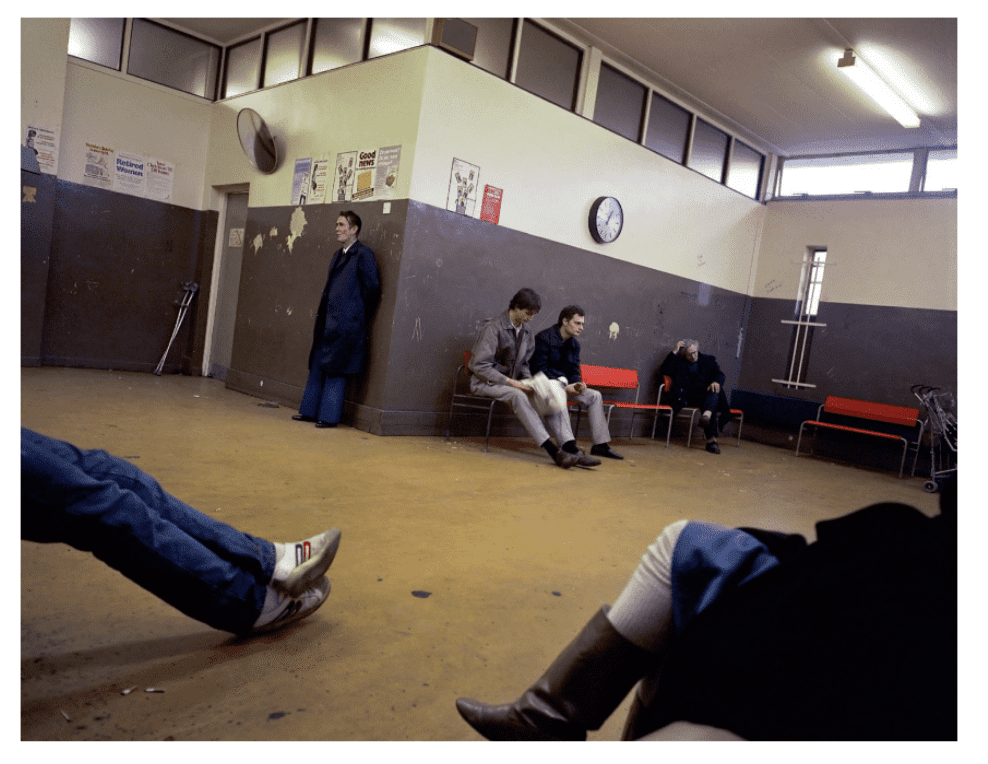
The enduring relevance of Beyond Caring lies not only in its historical significance but also in its capacity to resonate with contemporary audiences. The socio-economic conditions depicted in the book—poverty, unemployment, and the erosion of social safety nets—remain pressing issues in the modern world. The images serve as a stark reminder of the human cost of political and economic decisions, a reminder that is as urgent today as it was in the 1980s. The 2021 reissue of the book by MACK underscores this timelessness, offering a new generation of viewers the opportunity to engage with Graham’s vision.
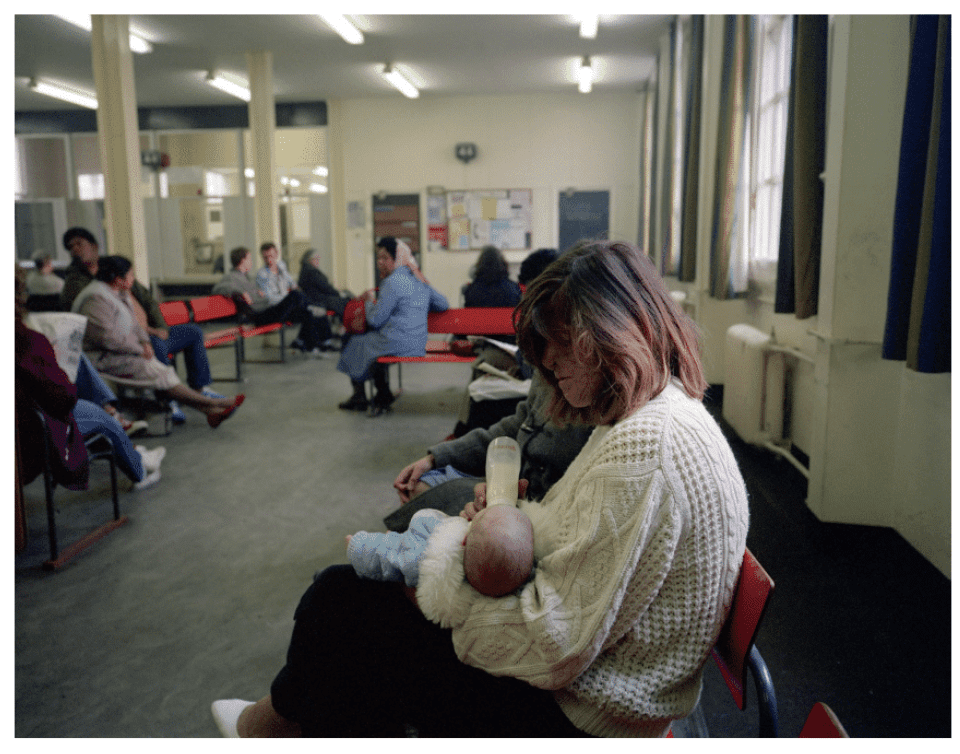
BABY BEING FED, ACTON DHSS, WEST LONDON, 1985
In conclusion, Paul Graham’s Beyond Caring is a masterful and deeply affecting work that transcends the boundaries of documentary photography. Through its innovative use of colour, its raw and unvarnished aesthetic, and its uncompromising social critique, the photobook captures the essence of a society grappling with profound economic and moral challenges. It is a work that demands not only to be seen but also to be felt, a work that continues to provoke thought and elicit empathy decades after its creation. As both a historical document and a work of art, Beyond Caring stands as a testament to the power of photography to illuminate the human condition.
Please support us
TheAppWhisperer has always had a dual mission: to promote the most talented mobile artists of the day and to support ambitious, interested viewers worldwide. As the years pass, TheAppWhisperer has gained readers and viewers and has found new venues for that exchange.
All this work thrives with the support of our community.
Please consider donating to TheAppWhisperer as this New Year commences. Your support helps protect our independence, and we can keep delivering open, global promotion of mobile artists. Every contribution, however big or small, is valuable for our future.

Joanne Carter
Joanne Carter is a British photographer, photography journalist, editor and curator and the founder and editorial director of TheAppWhisperer.com, an independent international photography publication established in 2009.Her journalism, criticism and commentary have appeared in The Times, The Sunday Times, The Guardian, Financial Times, BBC, Vogue Italia, LensCulture, Popular Photography, Android Magazine, NikonPro, DPReview, Which Digital Camera and Which Camera. She has lectured internationally on photography and mobile art, served as a juror for international photography awards, and exhibited her own photographic work across the UK, Europe, South Korea and the United States.Alongside her editorial work, Joanne's photographic and postgraduate research explores death, grief, memory, representation and social inequality through contemporary photography, participatory practice and visual research methods, with the longer-term aim of developing this work through doctoral research.Through TheAppWhisperer, she continues to publish independent photography journalism spanning contemporary photographic practice, mobile imaging, photographic apps, computational photography and emerging imaging technologies.Joanne is available for editorial commissions, photography projects, judging, curatorial work, speaking engagements, consultancy and selected collaborations.