Great Tips for Filming Models

Great Tips for Filming Models
Filming models can be an exciting yet challenging task. Whether you’re working on a fashion shoot, a commercial, or a personal project, capturing the beauty and essence of your model requires skill, preparation, and creativity. In this article, we’ll explore essential tips to help you achieve stunning results when filming models. Moreover, utilizing a reliable video editor for PC can significantly enhance the quality and professionalism of your final product.
Filming Basics
Equipment Essentials
Before you start filming, it’s crucial to have the right equipment. A high-quality camera with good resolution, a selection of lenses, and a sturdy tripod are must-haves. Additionally, having backup batteries and memory cards ensures that you won’t face interruptions during the shoot. Here’s a quick checklist for your gear:
- Camera: Choose a DSLR or mirrorless camera for its versatility and image quality.
- Lenses: Have a variety of lenses on hand, including a prime lens for portraits and a zoom lens for flexibility.
- Tripod: A sturdy tripod is essential for stable shots.
- Accessories: Extra batteries, memory cards, and a cleaning kit are crucial.
Lighting Setup
Lighting is one of the most critical aspects of filming. It can dramatically affect the mood and quality of your footage. Invest in softboxes, LED lights, and reflectors to control the lighting environment. Natural light is also an excellent option, but it requires careful planning and timing. Compare the benefits:
- Natural Light: Offers a soft, flattering look but is dependent on weather and time of day.
- Artificial Light: Provides consistent lighting that you can control, ideal for indoor shoots.
Pre-Shoot Preparation
Choosing the Right Location
The location sets the tone for your shoot. Whether it’s an outdoor setting, a studio, or an indoor space, make sure it complements the model and the theme of your shoot. Visit the location beforehand to scout for the best spots and understand the lighting conditions. Consider the following:
- Outdoor Locations: Natural beauty and diverse backgrounds but weather-dependent.
- Studios: Controlled environment with professional lighting but can be costly.
- Indoor Spaces: Comfort and privacy but may require additional lighting.
Model Preparation Tips
Ensure your model is well-prepared for the shoot. This includes discussing wardrobe options, makeup, and hair styling. It’s also helpful to share the concept and mood board with the model so they understand the vision. Preparation tips:
- Wardrobe: Coordinate outfits in advance to match the shoot’s theme.
- Makeup and Hair: Hire professionals to ensure a polished look.
- Concept Sharing: Provide mood boards and sample photos to align expectations.
Camera Settings and Techniques
Camera Settings for Model Filming
Select the right camera settings to capture high-quality footage. Use manual mode to have full control over the aperture, shutter speed, and ISO. A lower ISO setting reduces grain, while the right aperture and shutter speed ensure your shots are sharp and well-exposed. Key settings to consider:
- Aperture: Controls depth of field; a lower f-stop blurs the background.
- Shutter Speed: Higher speeds freeze action, lower speeds blur motion.
- ISO: Lower settings reduce noise, higher settings are useful in low light.
Techniques for Capturing the Best Shots
Experiment with different angles and perspectives. Move around the model, shoot from above or below, and try close-ups and wide shots. This variety will give you more options during editing and make your footage more dynamic. Effective techniques include:
- Close-Ups: Highlight facial features and emotions.
- Wide Shots: Capture the model in the context of the environment.
- Dynamic Angles: Use low and high angles to add drama and interest.
Working with Models
Communication is Key
Clear communication with your model is essential. Explain your ideas and give constructive feedback. This helps the model understand what you’re looking for and feel more confident. Tips for effective communication:
- Be Clear and Concise: Use simple instructions.
- Provide Positive Feedback: Encourage and motivate your model.
- Listen and Adapt: Be open to the model’s suggestions and comfort.
Building Rapport with the Model
Building a good rapport with your model creates a comfortable and relaxed atmosphere. Spend some time talking to them before the shoot, and keep the mood light and professional during filming. Ways to build rapport:
- Pre-Shoot Chat: Get to know your model’s interests and concerns.
- Positive Environment: Maintain a friendly and professional atmosphere.
- Encouragement: Give positive reinforcement throughout the shoot.
Lighting Techniques
Natural vs. Artificial Lighting
Natural light can create beautiful, soft effects but can be unpredictable. Artificial lighting gives you more control and consistency. Use a combination of both to achieve the desired look. Benefits and drawbacks:
- Natural Light: Soft, natural look but inconsistent.
- Artificial Light: Consistent and controllable but requires more setup.
Using Reflectors and Diffusers
Reflectors can bounce light onto the model, reducing shadows and adding a glow. Diffusers soften harsh light, creating a more flattering appearance. Experiment with these tools to enhance your lighting setup. Types of tools:
- Reflectors: Available in silver, gold, and white; each creates different effects.
- Diffusers: Softboxes and umbrellas are popular choices.
Composition and Framing
Rule of Thirds
The rule of thirds is a fundamental composition technique. Imagine your frame divided into nine equal parts by two horizontal and two vertical lines. Place the model along these lines or at their intersections to create a balanced and visually appealing shot. Benefits of this technique:
- Balance and Harmony: Creates a pleasing composition.
- Guides the Viewer: Directs the viewer’s eye to the subject.
Creative Angles and Perspectives
Don’t be afraid to break the rules and try unconventional angles. Shooting from a low angle can make the model appear more powerful, while a high angle can create a sense of vulnerability. Play with perspectives to add depth and interest to your footage. Creative ideas:
- Low Angles: Enhance the model’s stature.
- High Angles: Convey delicacy and vulnerability.
- Unique Perspectives: Try shooting through objects or reflections.
Posing Tips
Directing the Model
Guide your model with clear, specific instructions. Demonstrate the poses if needed and encourage them to move naturally. The more comfortable the model feels, the better the results. Effective posing tips:
- Clear Instructions: Use simple, direct language.
- Natural Movements: Encourage fluid and natural poses.
- Positive Reinforcement: Build confidence with compliments.
Poses that Enhance the Model’s Features
Choose poses that highlight the model’s best features. Pay attention to their body language, and avoid awkward or unnatural positions. Subtle adjustments can make a significant difference in the final shot. Key considerations:
- Highlight Strengths: Focus on the model’s best attributes.
- Avoid Awkwardness: Ensure poses look natural and relaxed.
- Subtle Adjustments: Small tweaks can enhance the overall look.
Capturing Motion
Techniques for Filming Movement
Filming movement adds a dynamic element to your footage. Use a stabilizer to keep the camera steady and practice smooth panning and tracking shots. High frame rates allow for slow-motion effects, which can be very effective. Techniques to master:
- Smooth Panning: Follow the model’s movement fluidly.
- Tracking Shots: Keep the model in focus while moving.
- Stabilization: Use gimbals or stabilizers for steady shots.
Slow Motion and Time-Lapse
Slow motion emphasizes graceful movements, while time-lapse captures changes over time. Both techniques can add a unique touch to your film. Experiment with these to see what fits best with your vision. Benefits and uses:
- Slow Motion: Highlights details and adds drama.
- Time-Lapse: Shows progression and change over time.
Wardrobe and Styling
Coordinating Outfits with the Shoot Theme
Wardrobe choices should align with the shoot’s theme and location. Discuss outfit options with the model in advance and consider how the colors and styles will look on camera. Important factors:
- Theme Alignment: Ensure outfits match the shoot’s concept.
- Color Coordination: Choose colors that complement the setting.
- Stylist Consultation: Work with a stylist for professional advice.
Importance of Accessories
Accessories can enhance the overall look and add personality to the model. However, they should complement the outfit and not distract from the model. Choose pieces that enhance the theme and style of the shoot. Key points:
- Complement, Don’t Distract: Accessories should enhance, not overshadow.
- Match the Theme: Ensure accessories align with the shoot’s concept.
- Balance: Avoid over-accessorizing.
Post-Processing and Editing
Basic Editing Techniques
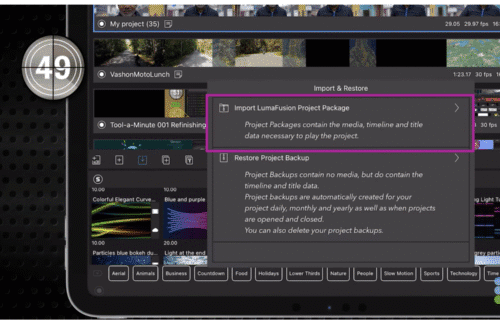
Editing is where you bring all the elements together. Use software like Adobe Premiere Pro or VSDC Free Video Editor to cut, color-correct, and fine-tune your footage. Pay attention to transitions and pacing to create a cohesive final product. Essential steps:
- Cutting and Trimming: Remove unwanted footage for a clean edit.
- Color Correction: Adjust colors for consistency and mood.
- Transitions: Use smooth transitions to maintain flow.
Enhancing the Footage
Enhance your footage with effects, filters, and music. Subtle color grading can enhance the mood, and the right soundtrack can elevate the entire film. Be mindful not to overdo it – the focus should remain on the model. Enhancing tips:
- Subtle Effects: Enhance without overpowering the footage.
- Appropriate Filters: Use filters to match the shoot’s tone.
- Music Selection: Choose music that complements the visual.
Sound Considerations
Recording Clear Audio
Good audio is crucial, especially if your film includes spoken dialogue or ambient sounds. Use a high-quality microphone and minimize background noise. Consider using a lavalier mic for close-up audio recording. Key considerations:
- Microphone Quality: Invest in a good microphone.
- Background Noise: Minimize distractions during recording.
- Audio Levels: Monitor and adjust levels for clarity.
Choosing the Right Microphone
Different microphones serve different purposes. Shotgun mics are great for directional sound, while lavalier mics are discreet and ideal for interviews. Choose the microphone that best fits your needs. Types of microphones:
- Shotgun Mics: Directional and ideal for capturing focused sound.
- Lavalier Mics: Small and discreet, perfect for interviews.
- Handheld Mics: Versatile for various environments.
B-Roll Footage
Importance of B-Roll
B-roll footage adds context and variety to your film. It can be anything from close-ups of details to wide shots of the location. This extra footage is useful for transitions and maintaining viewer interest. Importance of B-roll:
- Contextual Information: Provides additional context to the main footage.
- Variety and Interest: Keeps viewers engaged.
- Smooth Transitions: Helps in seamless editing.
Ideas for Effective B-Roll Shots
Capture the model preparing for the shoot, details of the wardrobe, and behind-the-scenes interactions. These shots add depth and storytelling elements to your film. Effective B-roll ideas:
- Preparation Shots: Model getting ready, makeup, and hair.
- Detail Shots: Close-ups of accessories, outfits, and settings.
- Behind-the-Scenes: Candid moments and interactions.
Common Mistakes to Avoid
Pitfalls During the Shoot
Avoid common mistakes like poor lighting, shaky footage, and miscommunication with the model. Plan ahead and stay organized to ensure a smooth shoot. Common pitfalls:
- Poor Lighting: Ensure adequate and appropriate lighting.
- Shaky Footage: Use tripods and stabilizers.
- Miscommunication: Maintain clear and constant communication.
Tips to Overcome Challenges
Be prepared for unexpected challenges. Have a backup plan for weather changes, technical issues, or any other hiccups. Stay flexible and adaptable to keep the shoot on track. Overcoming challenges:
- Backup Plans: Have alternatives for locations and equipment.
- Technical Preparedness: Carry extra gear and know troubleshooting basics.
- Flexibility: Adapt to changes quickly and efficiently.
Conclusion
Filming models requires a blend of technical skills, creativity, and effective communication. By following these tips, you’ll be well-equipped to capture stunning footage that showcases the model’s beauty and your artistic vision. Remember, practice makes perfect – the more you film, the better you’ll become. Use these strategies consistently, and you’ll see a significant improvement in your filming quality.
Please support us
TheAppWhisperer has always had a dual mission: to promote the most talented mobile artists of the day and to support ambitious, inquisitive viewers the world over. As the years pass TheAppWhisperer has gained readers and viewers and found new venues for that exchange.
All this work thrives with the support of our community.
Please consider donating to TheAppWhisperer as this New Year commences because your support helps protect our independence and we can keep delivering the promotion of mobile artists that’s open for everyone around the world. Every contribution, however big or small, is so valuable for our future.

Joanne Carter
Joanne Carter is a British photographer, photography journalist, editor and curator and the founder and editorial director of TheAppWhisperer.com, an independent international photography publication established in 2009.Her journalism, criticism and commentary have appeared in The Times, The Sunday Times, The Guardian, Financial Times, BBC, Vogue Italia, LensCulture, Popular Photography, Android Magazine, NikonPro, DPReview, Which Digital Camera and Which Camera. She has lectured internationally on photography and mobile art, served as a juror for international photography awards, and exhibited her own photographic work across the UK, Europe, South Korea and the United States.Alongside her editorial work, Joanne's photographic and postgraduate research explores death, grief, memory, representation and social inequality through contemporary photography, participatory practice and visual research methods, with the longer-term aim of developing this work through doctoral research.Through TheAppWhisperer, she continues to publish independent photography journalism spanning contemporary photographic practice, mobile imaging, photographic apps, computational photography and emerging imaging technologies.Joanne is available for editorial commissions, photography projects, judging, curatorial work, speaking engagements, consultancy and selected collaborations.