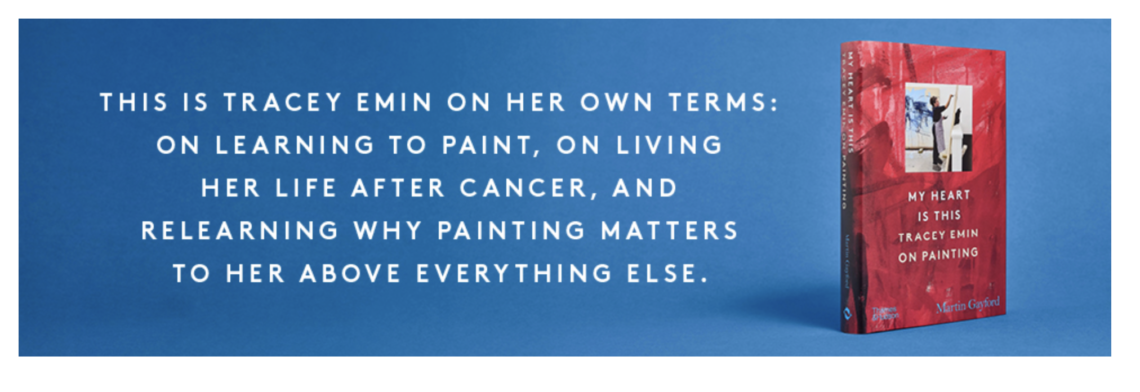
Book Review: My Heart is This: Tracey Emin on Painting by Martin Gayford
The Body That Keeps Painting
At one point in My Heart is This, Tracey Emin says something that quietly shifts how you read the rest of the book. “Painting saved my life,” she tells Martin Gayford. It is the kind of sentence that might sound theatrical if it appeared on its own. But within the rhythm of their conversation, it doesn’t land that way. Emin says it while describing the period after her cancer diagnosis in 2020, when the routines that structure an artist’s life — the studio, the work, the ordinary sense of time passing — suddenly became uncertain.
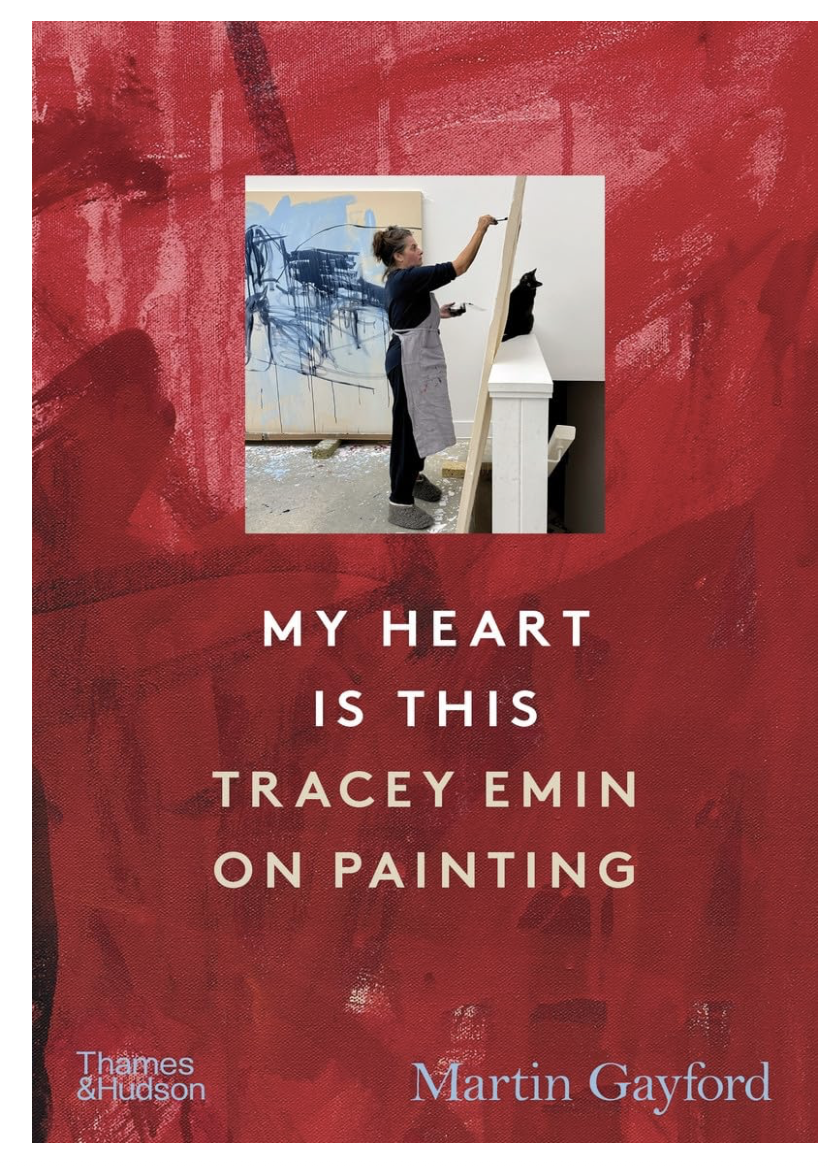
The book is built around an extended dialogue between Emin and Gayford, the art critic known for interviewing painters. That format can sometimes feel stiff, but here the conversation moves easily. Gayford asks patient questions and then lets Emin wander a little in her answers. The discussion drifts occasionally, circles back, and pauses in unexpected places. It has the loose, slightly searching quality of a real conversation rather than a carefully managed interview.
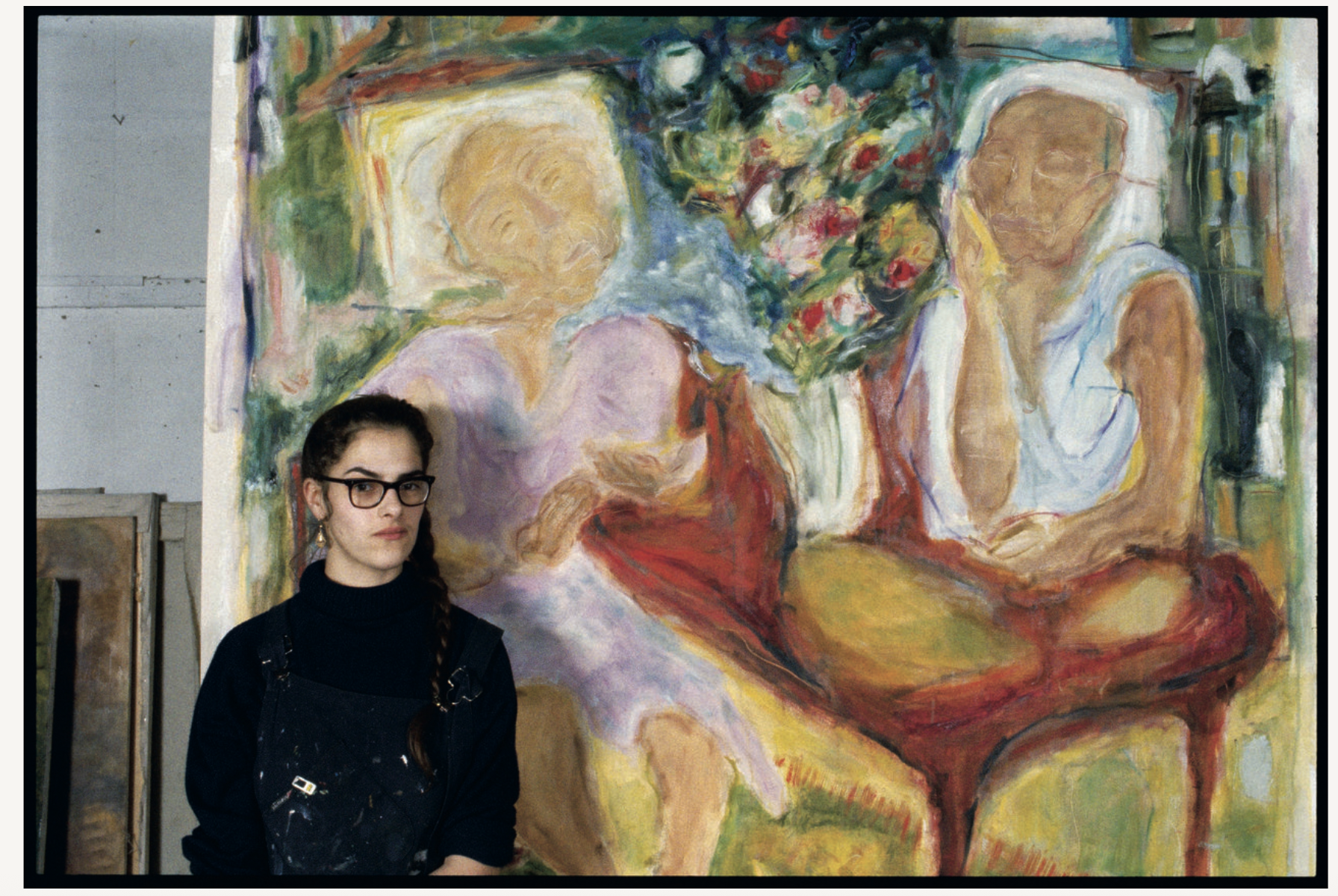
What becomes clear fairly quickly is how central painting has become to Emin in recent years. For many people, her name still evokes earlier works — the confessional installations, the handwritten neon texts, the notoriety of My Bed (1998). Those works shaped her public reputation for decades. But the Emin who appears in this book seems less interested in revisiting that period. What occupies her now is painting.

She speaks about it almost in bodily terms. Not in the language of influence or theory, but in the language of necessity.
At one point, she describes the way she works: canvases spread across the floor, large brushes, lines drawn quickly across wet paint. The figures that appear — crouching bodies, reclining women, solitary forms — often look only partially resolved. Limbs dissolve into colour. Faces blur. Sometimes a body seems barely held together by the paint itself.
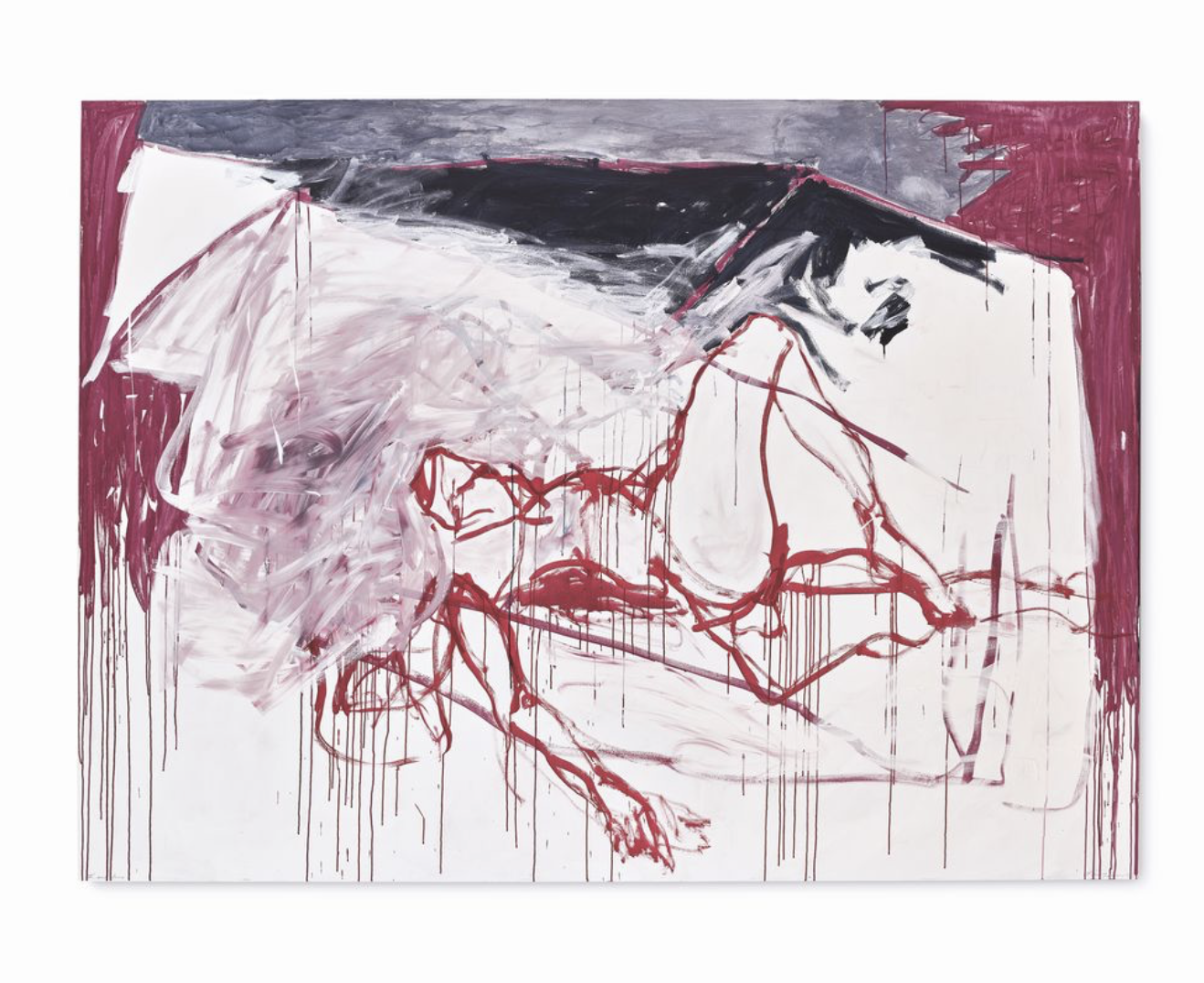
Reading the book one evening, I found myself pausing repeatedly over the reproductions of these paintings. What struck me first was their fragility. The lines tremble slightly, as though drawn in a single breath. Colour spreads unevenly across the surface. Nothing looks polished. Instead, the paintings feel urgent.
Gayford occasionally interrupts the conversation to describe individual works. One canvas shows a woman bending forward, her body outlined in a loose crimson line that seems to hover somewhere between drawing and painting. In another, a reclining figure dissolves gradually into pale washes of colour.
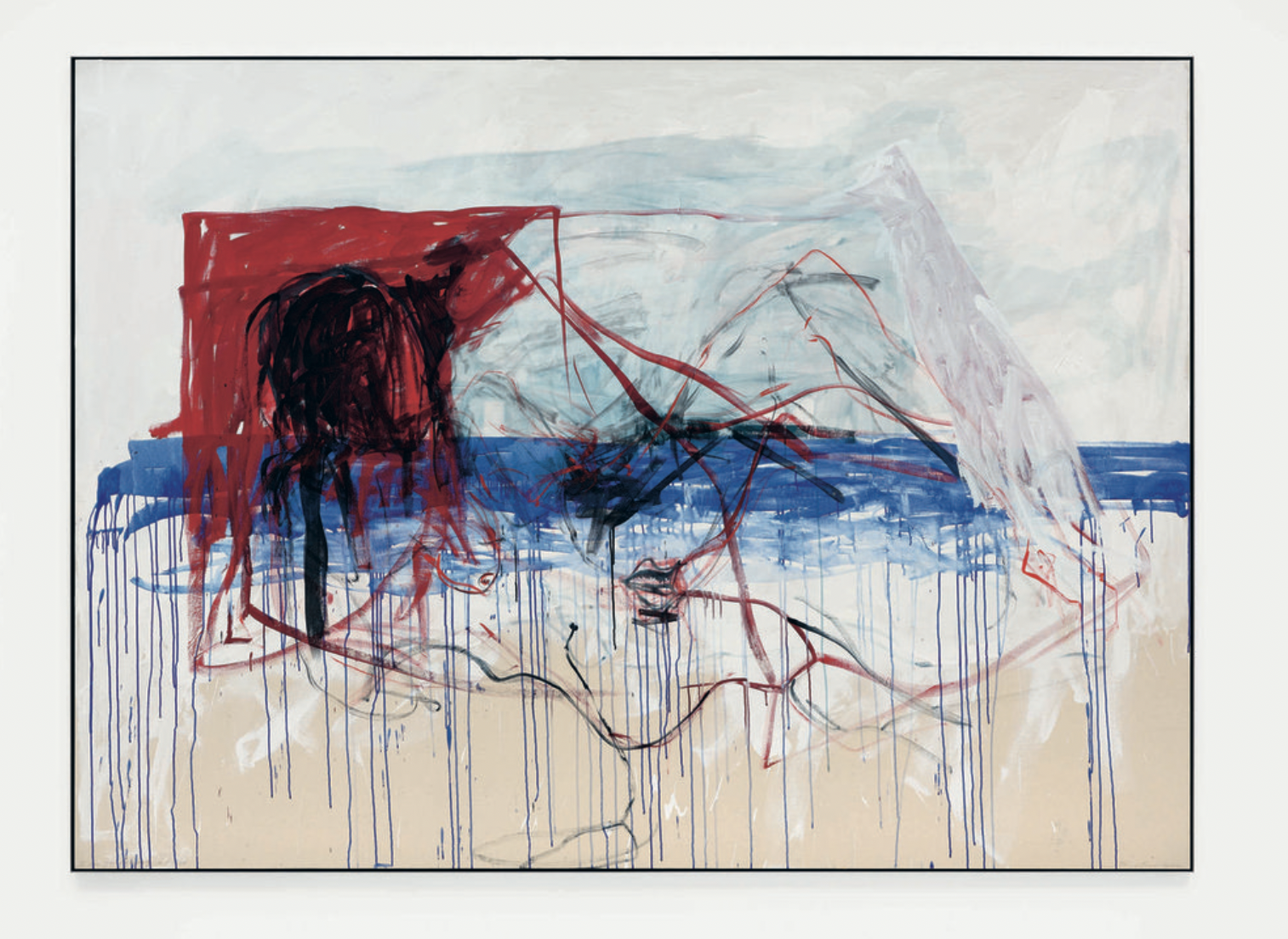
These moments provide a quiet counterpoint to Emin’s own approach to the work. She rarely analyses the paintings visually. Instead, she returns to what she felt while making them — exhaustion, determination, sometimes relief.

The conversation moves gently between these two perspectives: the critic describing what the paintings look like, and the artist describing what it felt like to make them. Illness inevitably becomes one of the book’s central threads. In 2020, Emin was diagnosed with aggressive bladder cancer and underwent major surgery. She speaks about that period with surprising directness. Hospitals, fear, the slow rebuilding of physical strength — none of it is softened or dramatised. And yet she also says something that initially sounds almost paradoxical. At one point, she describes cancer as having been “brilliant” for her.
What she means becomes clearer as she explains it. The illness stripped away distractions. After the diagnosis, she says, she stopped worrying about things that had once seemed important. The only real question was whether she would continue working.
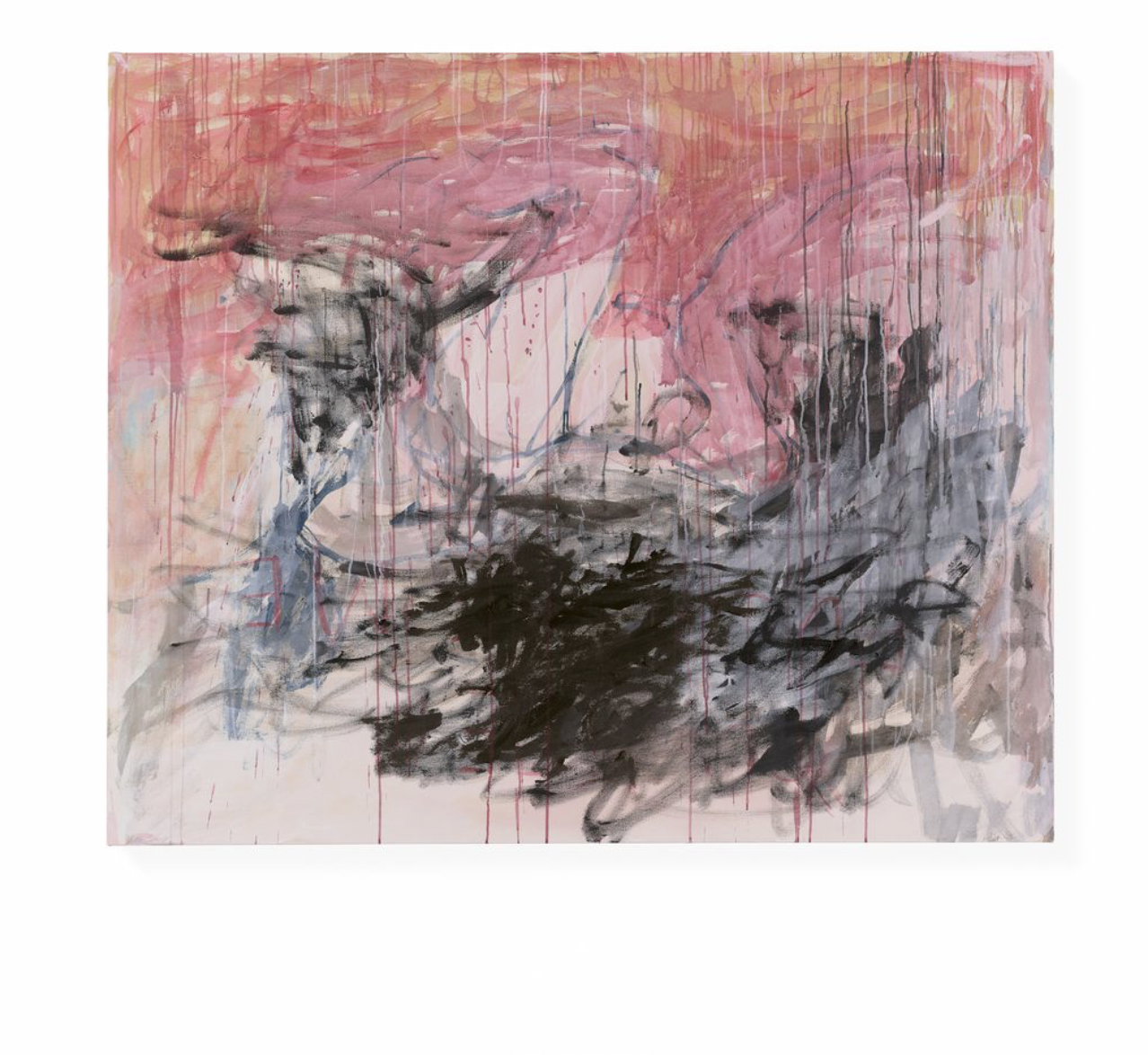
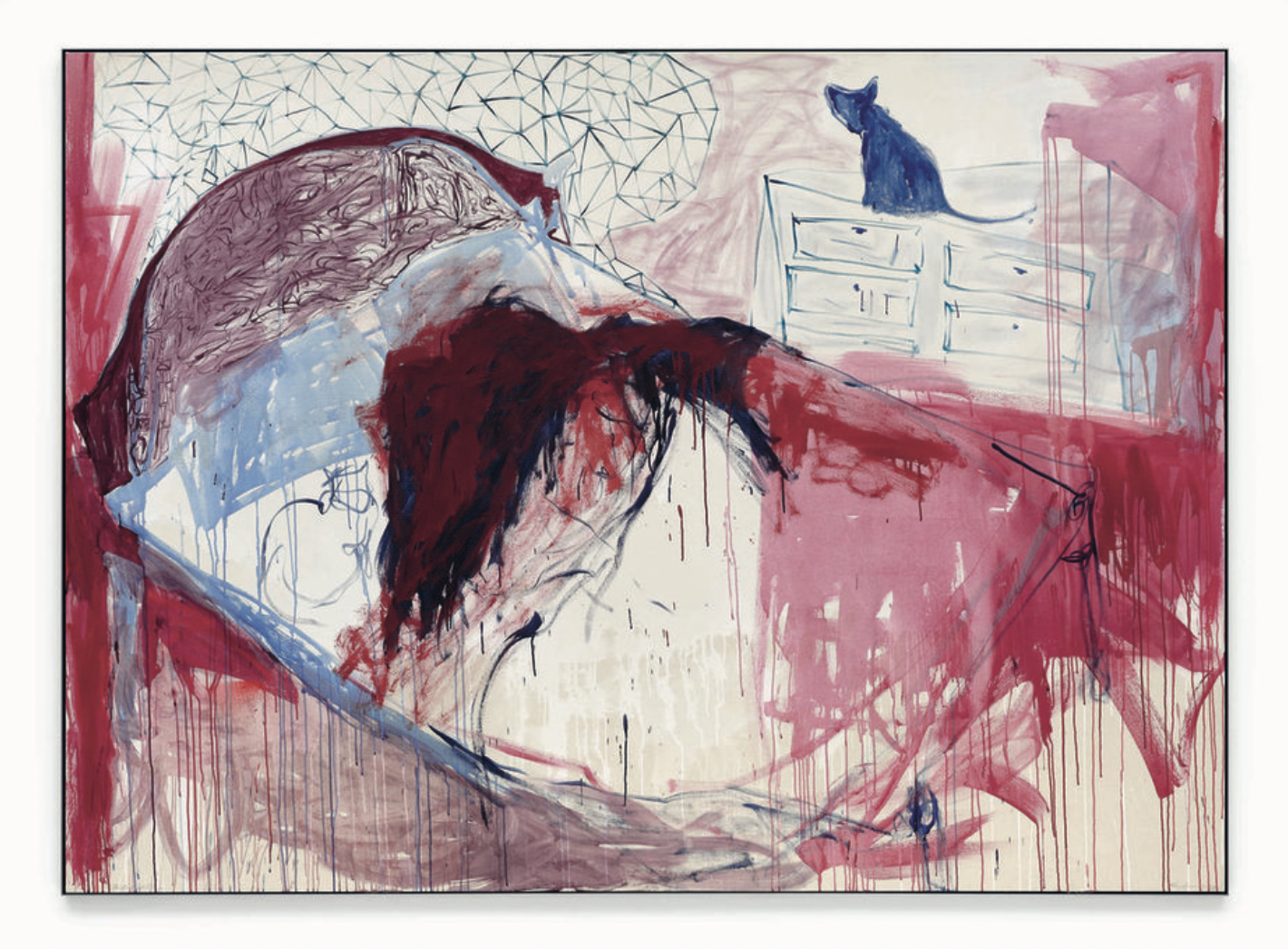
That shift appears to have shaped the paintings that followed. The bodies that appear in Emin’s recent work often look fragile, even unfinished. But they rarely feel defeated. A figure leans forward. Another curls inward, almost protectively. Gayford occasionally guides the discussion toward art history. Edvard Munch appears several times, as do Egon Schiele and Louise Bourgeois. Emin talks about them in the way painters often speak about other artists — through recognition rather than analysis. Standing in front of a Munch painting, she says, she felt that the figure understood something about pain that words could not quite reach. That remark stayed with me longer than I expected. Perhaps because it describes something familiar: the strange moment when a painted body seems to know something about the world before we do.
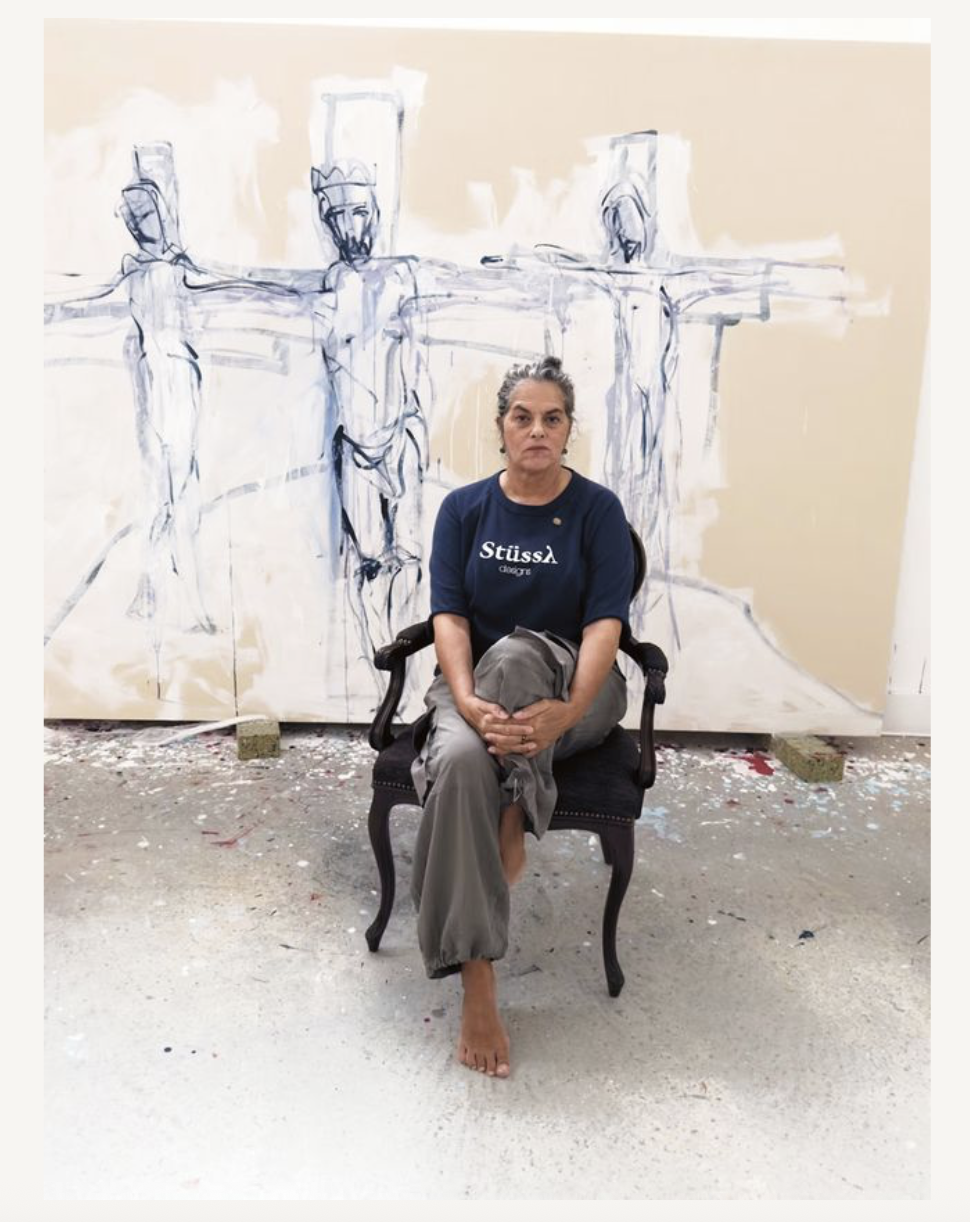
The reproductions in the book reinforce that idea. Figures emerge from pale grounds, sometimes little more than a few searching lines. Colour appears suddenly — crimson, bruised blues, muddy pinks. The compositions often look unfinished, but deliberately so. It would be easy to interpret these paintings purely as autobiography. Emin has always been read through that lens. But the conversation suggests something more complicated. The paintings are not simply illustrations of experience. They are attempts to translate feeling into form. Near the end of the book, Gayford asks her whether painting still feels urgent.
Emin answers immediately: yes. More urgent than ever. That urgency seems to run quietly beneath the entire conversation. Even when the discussion drifts — into memories of Margate, into studio anecdotes, into reflections on other artists — everything eventually returns to painting.
Some artist interviews feel carefully controlled, as though every answer has been shaped to reinforce a narrative. This one feels looser than that. Emin occasionally repeats herself, pauses, and corrects something she said earlier. Those small imperfections give the book an unusual sense of honesty. Towards the end, she describes returning to the studio after months of recovery. Simply standing in front of a canvas again, she says, felt extraordinary. Painting became a way of marking survival — one work leading slowly to the next.
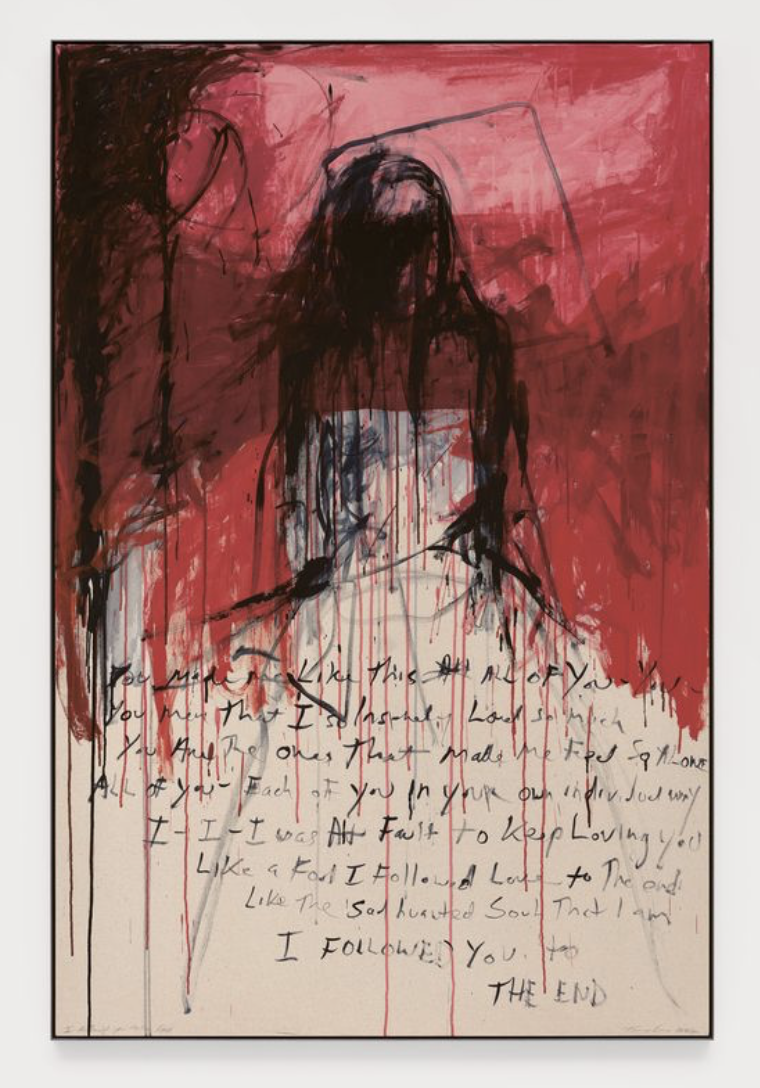
The title of the book comes from one of Emin’s own phrases: “My heart is this.” In the context of the conversation, it reads almost literally. Painting is not just something she does. It is where she has placed the most vulnerable part of herself.
And perhaps that is why these paintings feel the way they do — fragile, searching, sometimes unresolved, but still stubbornly alive.
Publication coincides with a major exhibition of Tracey Emin’s work at Tate Modern
(27 February to 31 August 2026).
Publication: 26 February 2026
224pp, over 150 illustrations, 22.9 x 15.2cm
£25.00 hardback
Martin Gayford is an art critic, writer and curator. He is the author of Man with a Blue Scarf: On Sitting for a Portrait by Lucian Freud, A Bigger Message: Conversations with David Hockney, How Painting Happens (and why it matters), Venice: City of Pictures and Love Lucian: The Letters of Lucian Freud, 1939 –1954, and acclaimed books on Van Gogh, Constable and Michaelangelo. Tracey Emin DBE RA is known for autobiographical and confessional artwork. She produces work in a variety of media including drawing, painting, sculpture, film, photography, neon text and sewn appliqué.
If you have enjoyed this book review, you may also enjoy
Death and Other Belongings by Will Green
Please support us
TheAppWhisperer has always had a dual mission: to promote the most talented mobile artists of the day and to support ambitious, interested viewers worldwide. As the years pass, TheAppWhisperer has gained readers and viewers and has found new venues for that exchange.
All this work thrives with the support of our community. Your support helps protect our independence, and we can keep delivering open, global promotion of mobile artists. Every contribution, however big or small, is valuable for our future.

Joanne Carter
Joanne Carter BA (Hons), ARPS is a British photographer, photography journalist, editor and curator, and the founder and editorial director of TheAppWhisperer.com, an independent international photography publication established in 2009.She holds a First Class Honours degree in Photography and is an Associate of the Royal Photographic Society (ARPS).Her journalism, criticism and editorial work have appeared in The Times, The Sunday Times, The Guardian, Financial Times, BBC, Vogue Italia, LensCulture, Popular Photography and NikonPro, among other international publications.Through TheAppWhisperer, she brings together academic knowledge, professional photographic expertise and more than 17 years of specialist editorial experience to examine contemporary photography, mobile imaging, computational photography, photographic applications and emerging imaging technologies.