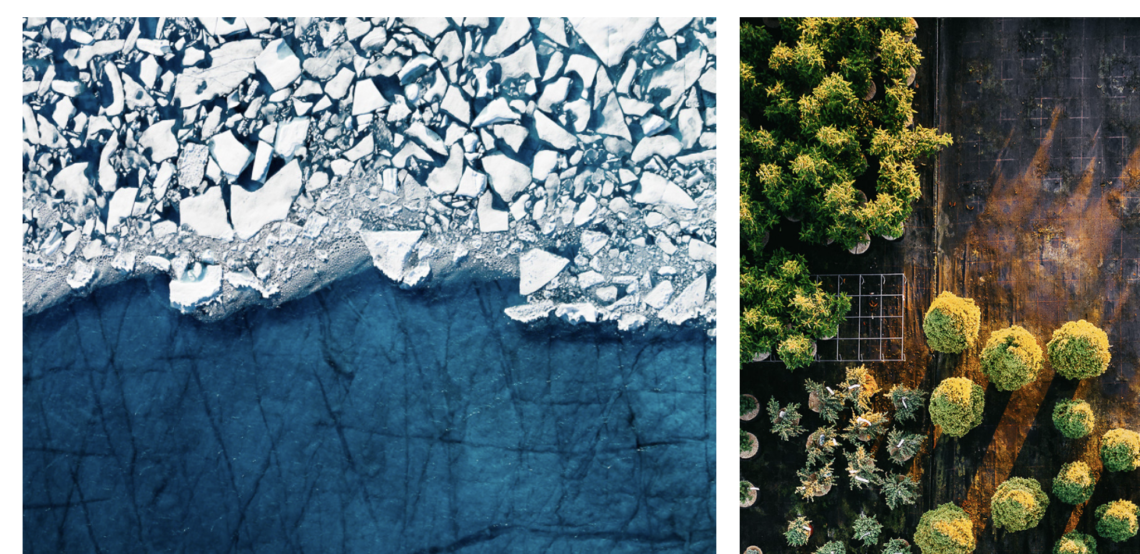
How to Edit a Photography Portfolio (2026)
How to Edit a Photography Portfolio (2026)
How Many Images Should Be in a Photography Portfolio?
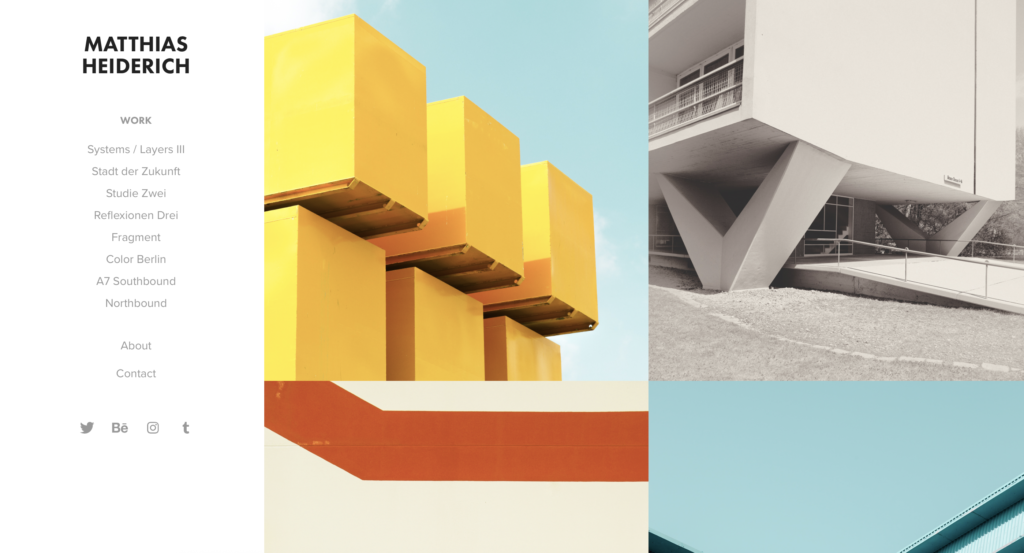
How to Select Images for a Strong Photography Portfolio
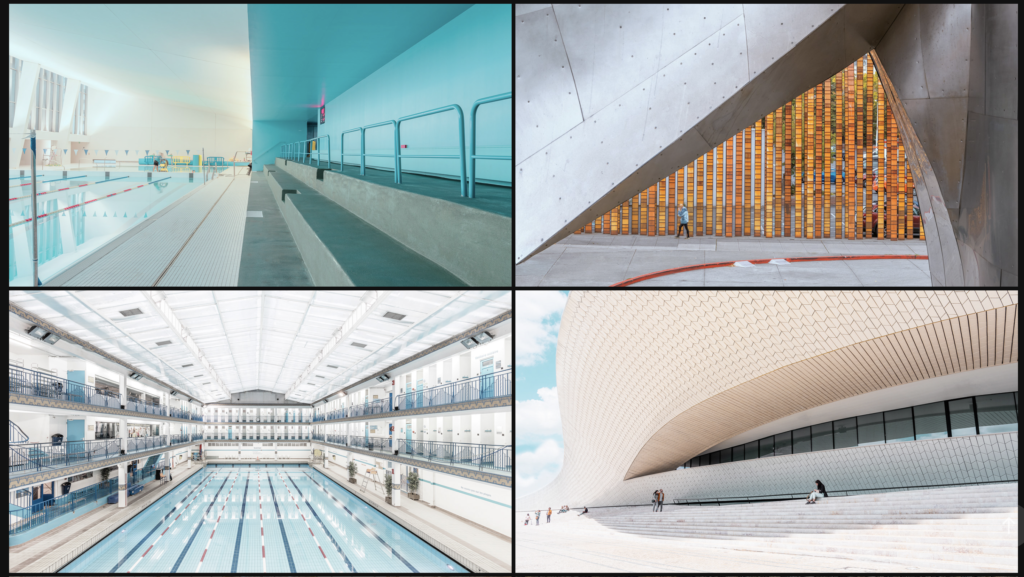
.Does this image move the storyline forward?
.Does it deepen the theme?
.Does it introduce variation?
.Does it repeat something already present?
Why Sequencing Matters in Portfolio Editing
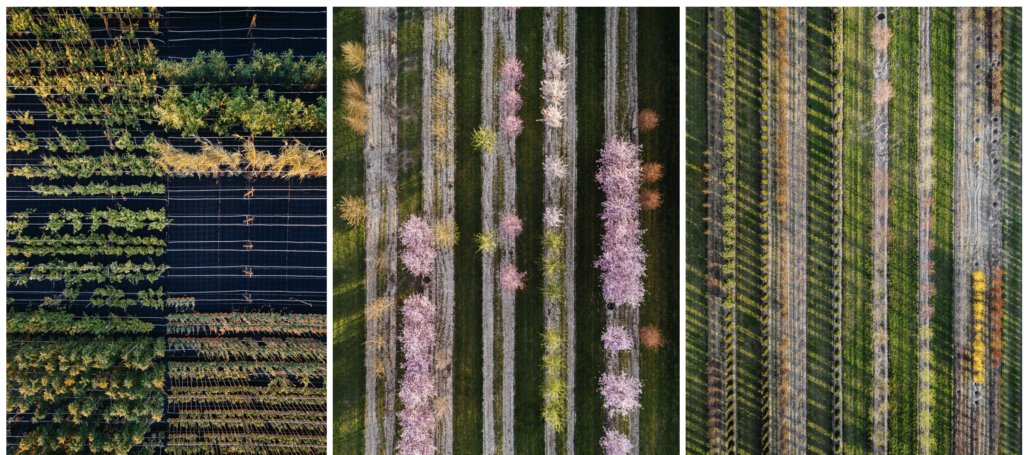
Editing a Portfolio for MA Applications
Editing a Portfolio for Grants and Exhibitions

How to Know When a Portfolio is Finished
And often, that’s where the real work begins.
If you’re building a photography portfolio for an MA application, grant, competition or exhibition, these guides may help you refine your work further:
→ How to Edit a Photography Portfolio (2026)
https://theappwhisperer.com/2026/06/23/how-to-edit-a-photography-portfolio-2026/
Practical advice on cutting, refining and strengthening your portfolio.
→ How to Write an Artist Statement for Photographers
https://theappwhisperer.com/2026/06/23/how-to-write-an-artist-statement-for-photographers/
A guide to writing clearly about your work without losing your voice.
What tutors are looking for, what to include and how to present your work professionally.
→ Best Photography Portfolio Apps for Professionals (2026)
https://theappwhisperer.com/2026/06/22/best-photography-portfolio-apps-for-professionals-2026/
Please support us
TheAppWhisperer has always had a dual mission: to promote the most talented mobile artists of the day and to support ambitious, interested viewers worldwide. As the years pass, TheAppWhisperer has gained readers and viewers and has found new venues for that exchange.
All this work thrives with the support of our community. Your support helps protect our independence, and we can keep delivering open, global promotion of mobile artists. Every contribution, however big or small, is valuable for our future.

Joanne Carter
Joanne Carter is a British photographer, photography journalist, editor and curator and the founder and editorial director of TheAppWhisperer.com, an independent international photography publication established in 2009.Her journalism, criticism and commentary have appeared in The Times, The Sunday Times, The Guardian, Financial Times, BBC, Vogue Italia, LensCulture, Popular Photography, Android Magazine, NikonPro, DPReview, Which Digital Camera and Which Camera. She has lectured internationally on photography and mobile art, served as a juror for international photography awards, and exhibited her own photographic work across the UK, Europe, South Korea and the United States.Alongside her editorial work, Joanne's photographic and postgraduate research explores death, grief, memory, representation and social inequality through contemporary photography, participatory practice and visual research methods, with the longer-term aim of developing this work through doctoral research.Through TheAppWhisperer, she continues to publish independent photography journalism spanning contemporary photographic practice, mobile imaging, photographic apps, computational photography and emerging imaging technologies.Joanne is available for editorial commissions, photography projects, judging, curatorial work, speaking engagements, consultancy and selected collaborations.