Best Sequencing Apps for Photographers in 2026
Best Sequencing Apps for Photographers in 2026: How I Build Narrative Through Images
One thing I’ve learnt over the years is that photographs rarely work alone. A single image can hold power, but place it next to another and everything changes. Meaning shifts, tension builds, memories connect, and sometimes a completely different story begins to emerge. That’s sequencing.
I’ve worked as a photography journalist since 1997 and have run The App Whisperer since 2009. Over that time, through interviews, reviews, essays and publishing the work of thousands of photographers, one thing has become clear to me: strong photographic work is often about the spaces between images as much as the images themselves. How we order photographs matters.
In my own practice, particularly over the past few years, sequencing has become central. Especially when working with themes of grief, death and memory, I’ve found that order can disrupt time, create discomfort and slow a viewer down in ways a single image simply can’t. That’s what interests me. Not perfect sequences, but honest ones. The kind that reveals something.
Sometimes sequencing takes time. It can be messy. It often starts with prints on the floor, moving them around until something clicks. But there are some digital tools that make that process easier. These are the ones I keep coming back to.
Milanote
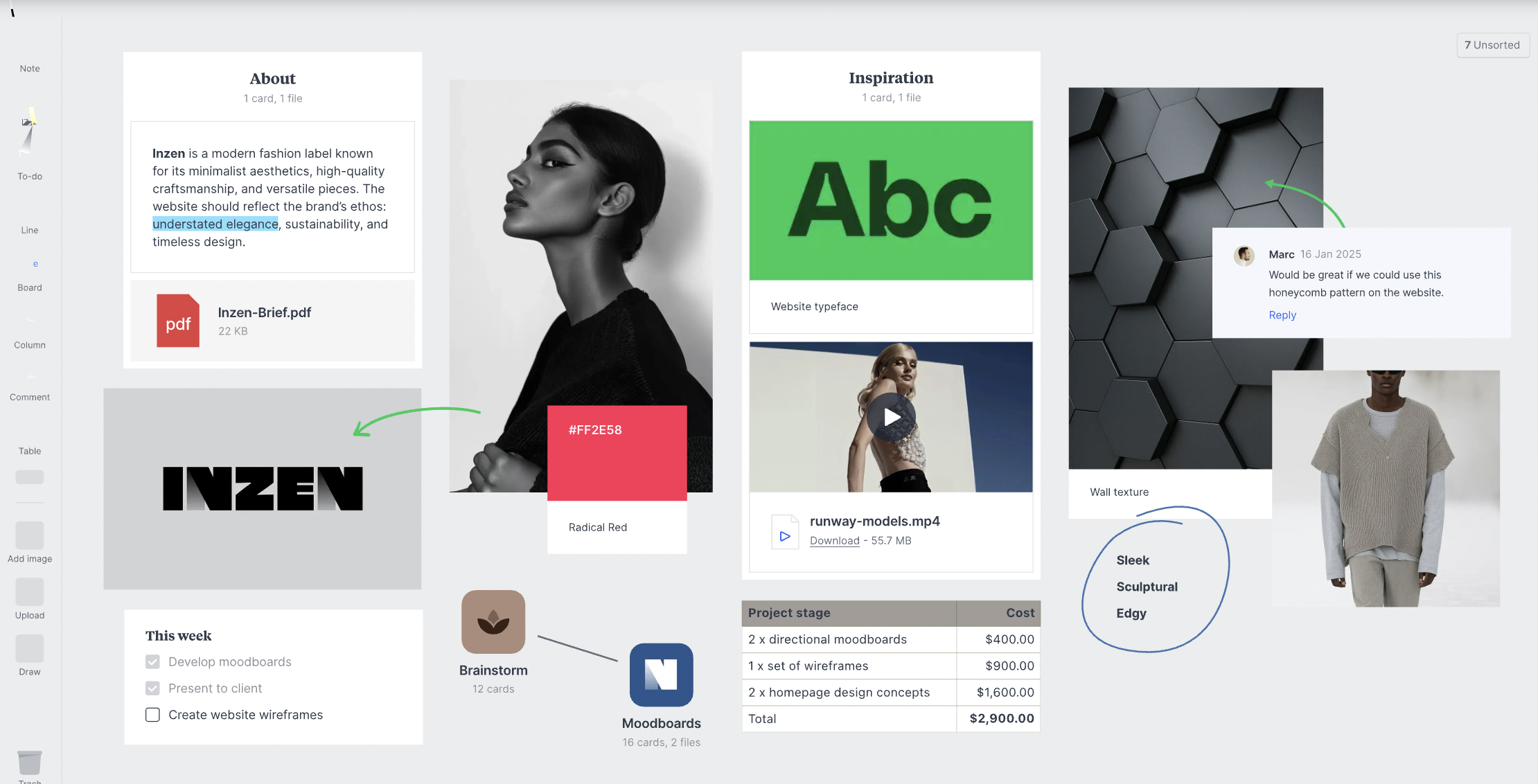
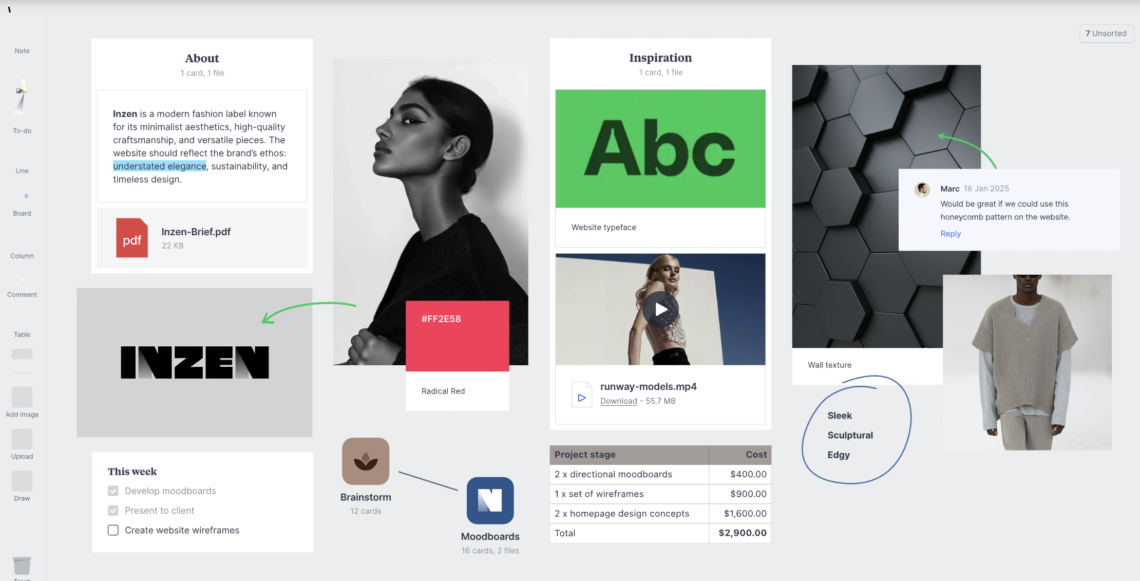
Milanote is probably the closest digital tool I’ve found to working physically with prints. It gives you space to move images around freely, test relationships, build clusters and change direction without feeling locked in. That freedom is important because sequencing rarely begins in a straight line.
I like it because it allows ideas to stay unfinished for a while. You can hold things loosely, let patterns emerge and begin to see what the work is trying to do. It’s one of the best tools I’ve used for long-form documentary work, MA portfolios and photobook planning.
Best for: Documentary projects, MA portfolios, photobooks and visual essays.
Adobe Lightroom Classic
https://www.adobe.com/uk/products/photoshop-lightroom-classic.html
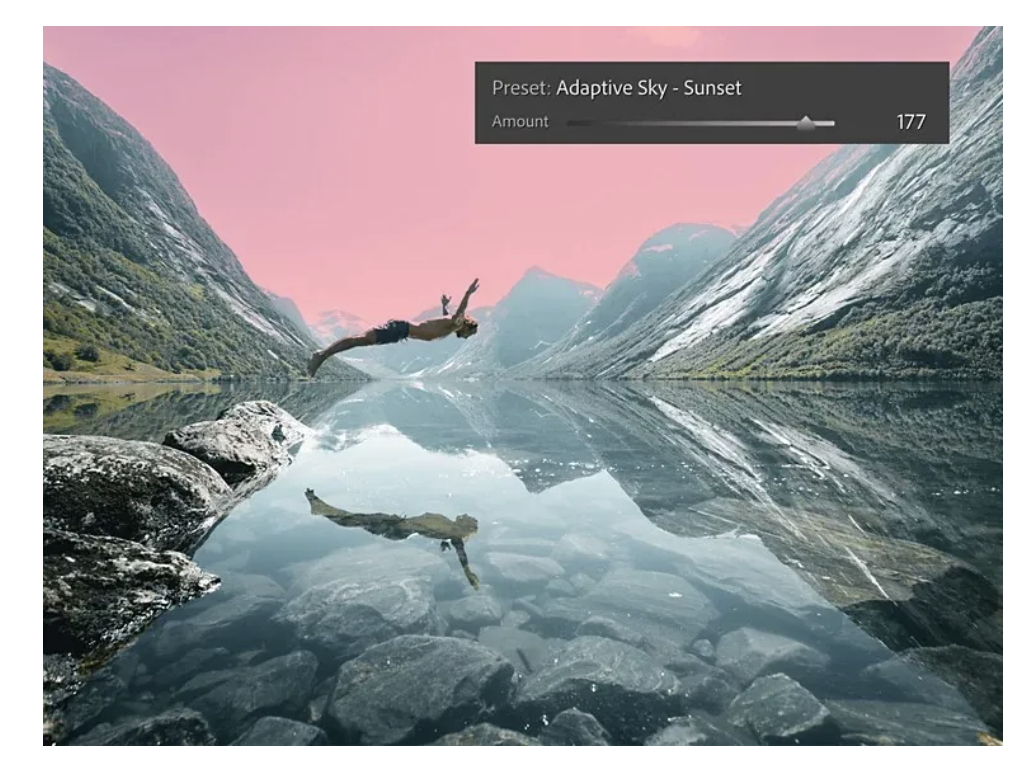
Most photographers think of Lightroom as an editing tool, but I’ve always found it useful for sequencing too. Collections make it easy to group work together, and survey mode is excellent for looking at relationships between images. Because I’m often already editing there, sequencing naturally starts there too. It’s practical, familiar and surprisingly strong for shaping bodies of work.
Best for: Photographers already working in Lightroom.
Kunstmatrix
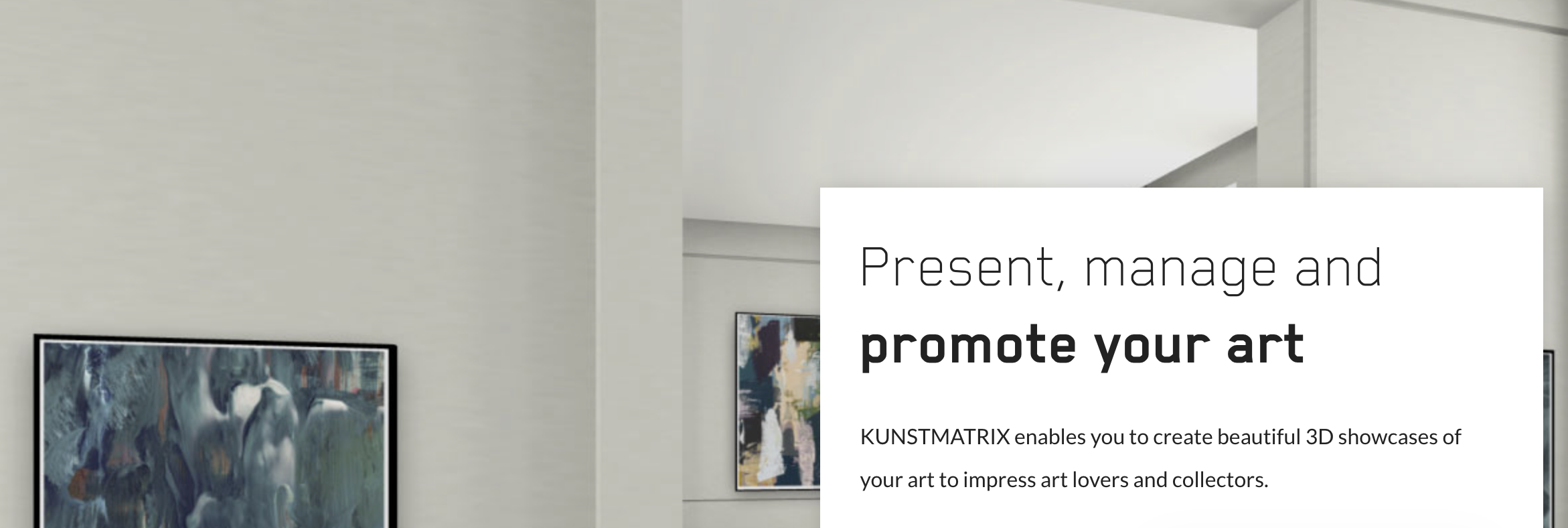
Kunstmatrix has become an important part of my own practice, especially for exhibition work. I’ve used it to build linked online spaces for projects dealing with grief and mortality, and what it does well is force you to think beyond order. It makes you think about space. Distance between images. How a viewer moves. Where they stop. What they see first and what they miss. That changes the sequence completely. For me, it’s one of the most interesting tools for photographers thinking about exhibition-making.
Best for: Exhibitions, installations, MA projects and conceptual work.
4. Affinity Publisher
https://affinity.serif.com/en-gb/publisher/
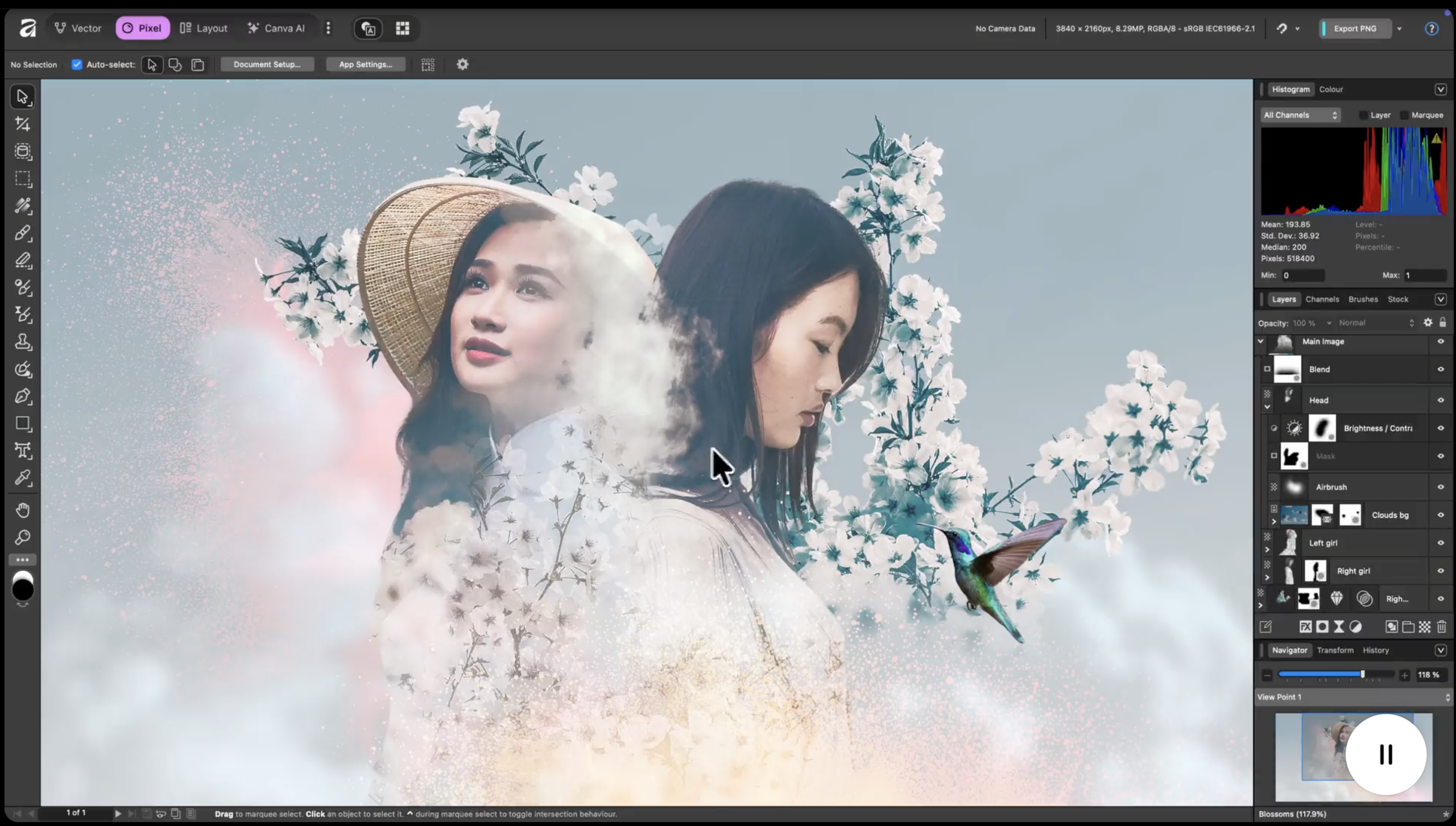
When a sequence begins to settle and move towards book form, Affinity Publisher is where I take it next. It’s more precise. More deliberate. This is where sequencing becomes structure.
I use it for thinking about page turns, spacing, pairings and pacing. In photobooks, those things matter enormously. Sometimes what sits on the next page is as important as what sits on the current one.
It’s an excellent tool for bookmaking.
Read my Affinity coverage here:
https://theappwhisperer.com/?s=affinity
Best for: Photobooks, zines and artist books.
5. Canva

Canva is simple but useful. I use it more for rough ideas than finished work, exhibition proposals, wall plans and visual notes. What I like is its speed. Sometimes you just need to see something quickly without overthinking it. It’s not sophisticated, but it doesn’t need to be.
Best for: Quick mockups and exhibition planning.
My Thoughts
Sequencing is one of the most important parts of photography and probably one of the least talked about. We spend so much time focusing on making images that we often forget how much meaning is created in the ordering of them.
For me, sequencing is where the work often starts to make sense. It shows patterns, repetitions, gaps and things I didn’t realise I was doing. And sometimes it changes the work entirely. I still think nothing beats physical prints spread out on the floor. But these tools can help you get there faster or help you see things differently. And sometimes that’s enough to move the work forward.
Further Reading on TheAppWhisperer
Best Apps for Culling Photos in 2026
https://theappwhisperer.com/2026/06/best-apps-for-culling-photos-in-2026/
Best Portfolio Apps and Websites for Photographers in 2026
https://theappwhisperer.com/2026/06/best-photography-portfolio-apps-for-professionals-2026/
Best Photography Competitions and Awards to Enter in 2026
https://theappwhisperer.com/2026/06/best-photography-competitions-and-awards-to-enter-in-2026/
Best Photography Grants, Scholarships and Funding Opportunities in the USA (2026)
https://theappwhisperer.com/2026/06/best-photography-grants-scholarships-and-funding-opportunities-in-the-usa-2026/
Please support us
TheAppWhisperer has always had a dual mission: to promote the most talented mobile artists of the day and to support ambitious, interested viewers worldwide. As the years pass, TheAppWhisperer has gained readers and viewers and has found new venues for that exchange.
All this work thrives with the support of our community. Your support helps protect our independence, and we can keep delivering open, global promotion of mobile artists. Every contribution, however big or small, is valuable for our future.

Joanne Carter
Joanne Carter, creator of the world’s most popular mobile photography and art website— TheAppWhisperer.com— TheAppWhisperer platform has been a pivotal cyberspace for mobile artists of all abilities to learn about, to explore, to celebrate and to share mobile artworks. Joanne’s compassion, inclusivity, and humility are hallmarks in all that she does, and is particularly evident in the platform she has built. In her words, “We all have the potential to remove ourselves from the centre of any circle and to expand a sphere of compassion outward; to include everyone interested in mobile art, ensuring every artist is within reach”, she has said. Promotion of mobile artists and the art form as a primary medium in today’s art world, has become her life’s focus. She has presented lectures bolstering mobile artists and their art from as far away as the Museum of Art in Seoul, South Korea to closer to her home in the UK at Focus on Imaging. Her experience as a jurist for mobile art competitions includes: Portugal, Canada, US, S Korea, UK and Italy. And her travels pioneering the breadth of mobile art includes key events in: Frankfurt, Naples, Amalfi Coast, Paris, Brazil, London. Pioneering the world’s first mobile art online gallery - TheAppWhispererPrintSales.com has extended her reach even further, shipping from London, UK to clients in the US, Europe and The Far East to a global group of collectors looking for exclusive art to hang in their homes and offices. The online gallery specialises in prints for discerning collectors of unique, previously unseen signed limited edition art. Her journey towards becoming The App Whisperer, includes (but is not limited to) working for a paparazzi photo agency for several years and as a deputy editor for a photo print magazine. Her own freelance photographic journalistic work is also widely acclaimed. She has been published extensively both within the UK and the US in national and international titles. These include The Times, The Sunday Times, The Guardian, Popular Photography & Imaging, dpreview, NikonPro, Which? and more recently with the BBC as a Contributor, Columnist at Vogue Italia and Contributing Editor at LensCulture. Her professional photography has also been widely exhibited throughout Europe, including Italy, Portugal and the UK. She is currently writing several books, all related to mobile art and is always open to requests for new commissions for either writing or photography projects or a combination of both. Please contact her at: joanne@theappwhisperer.com

You May Also Like
Best Photography Workflow Apps for Creators on the Move (2026)
How to Stop iPhone Photos Looking Overprocessed