
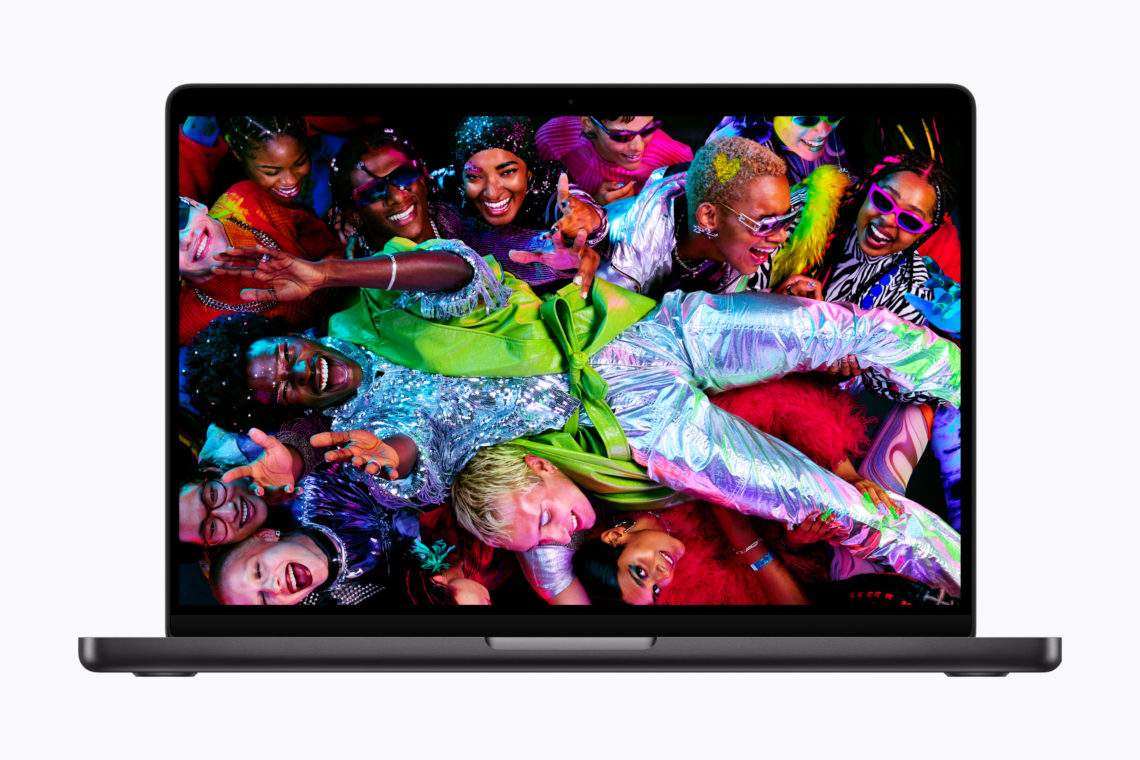
Apple Introduces MacBook Pro with New M5 Pro and M5 Max Chips
Apple has unveiled a new generation of MacBook Pro, powered by the company’s latest M5 Pro and M5 Max processors, bringing substantial performance improvements for photographers, filmmakers and creative professionals.
The new MacBook Pro continues Apple’s transition to its own silicon architecture, pushing performance further while maintaining the efficiency that has defined recent MacBook models. With faster CPUs, improved graphics performance and enhanced memory bandwidth, the M5 Pro and M5 Max chips are designed to handle demanding creative workflows with ease.
For photographers, video editors and digital artists, these improvements could significantly accelerate tasks such as RAW image processing, video rendering and multi-layer editing.
What’s New in the MacBook Pro with M5 Pro and M5 Max?
The biggest change in this generation of MacBook Pro is the introduction of Apple’s M5-series processors. These chips build on the architecture of previous Apple Silicon designs but deliver faster processing speeds and improved graphics performance.
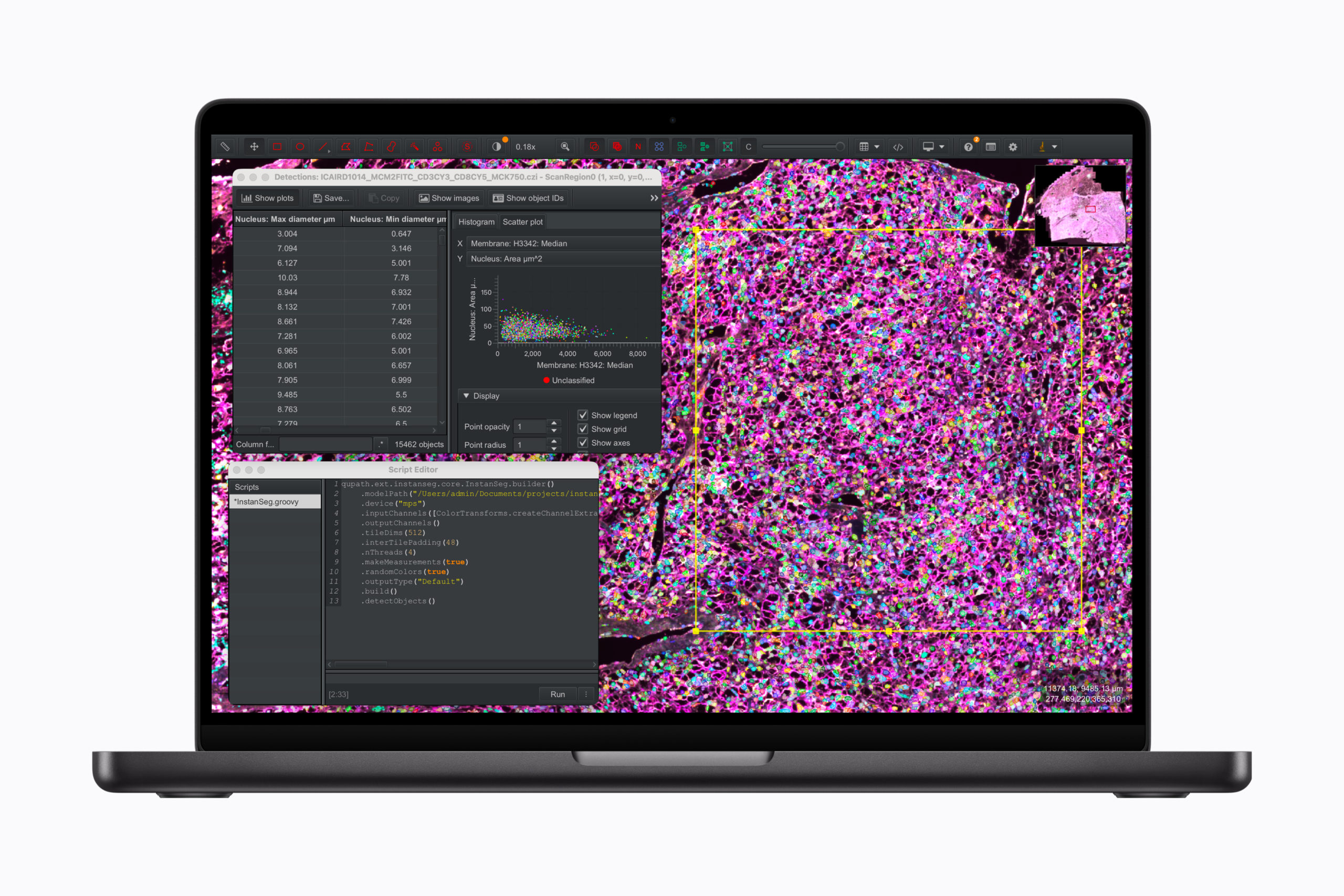
According to Apple, the M5 Pro provides substantial gains in CPU performance and GPU power compared to the previous generation. The more powerful M5 Max is designed for intensive creative workloads, including high-resolution video editing, 3D rendering and machine learning tasks.
The new chips also offer increased memory bandwidth, allowing applications that rely on large image files or complex timelines to operate more smoothly.
For photographers working with large RAW files or high-resolution images, this translates into faster imports, quicker exports and more responsive editing in professional software.
Performance for Photographers and Creators
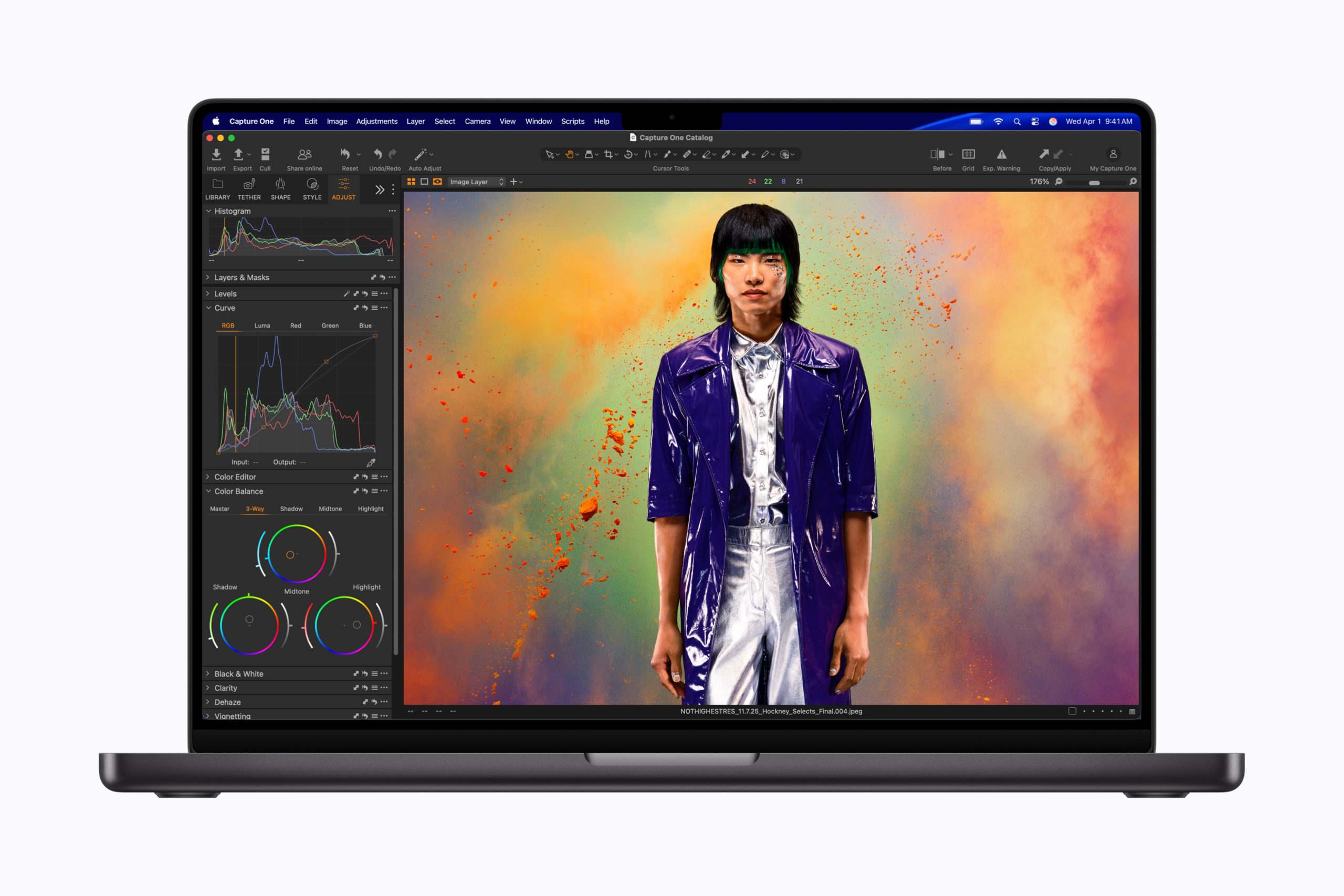
Apple’s MacBook Pro has become a popular choice among photographers and visual creators, and the new M5-powered models aim to strengthen that position.
Applications such as Adobe Lightroom, Photoshop, Final Cut Pro, and DaVinci Resolve can benefit from the additional processing power offered by the new chips. Tasks that traditionally require significant computing resources — such as exporting large batches of images or rendering complex video projects — should complete noticeably faster.
The improved GPU performance is also particularly important for modern creative workflows, which increasingly rely on hardware acceleration for editing, colour grading and visual effects.
Liquid Retina XDR Display

As with recent MacBook Pro models, Apple continues to equip the laptop with its Liquid Retina XDR display.
The display offers extremely high brightness, strong contrast and precise colour reproduction. For photographers and filmmakers, colour accuracy is critical, and Apple’s display technology is designed to support professional workflows that require reliable visual fidelity.
The high dynamic range also makes the display well-suited to HDR video editing and image review.
Battery Life and Efficiency
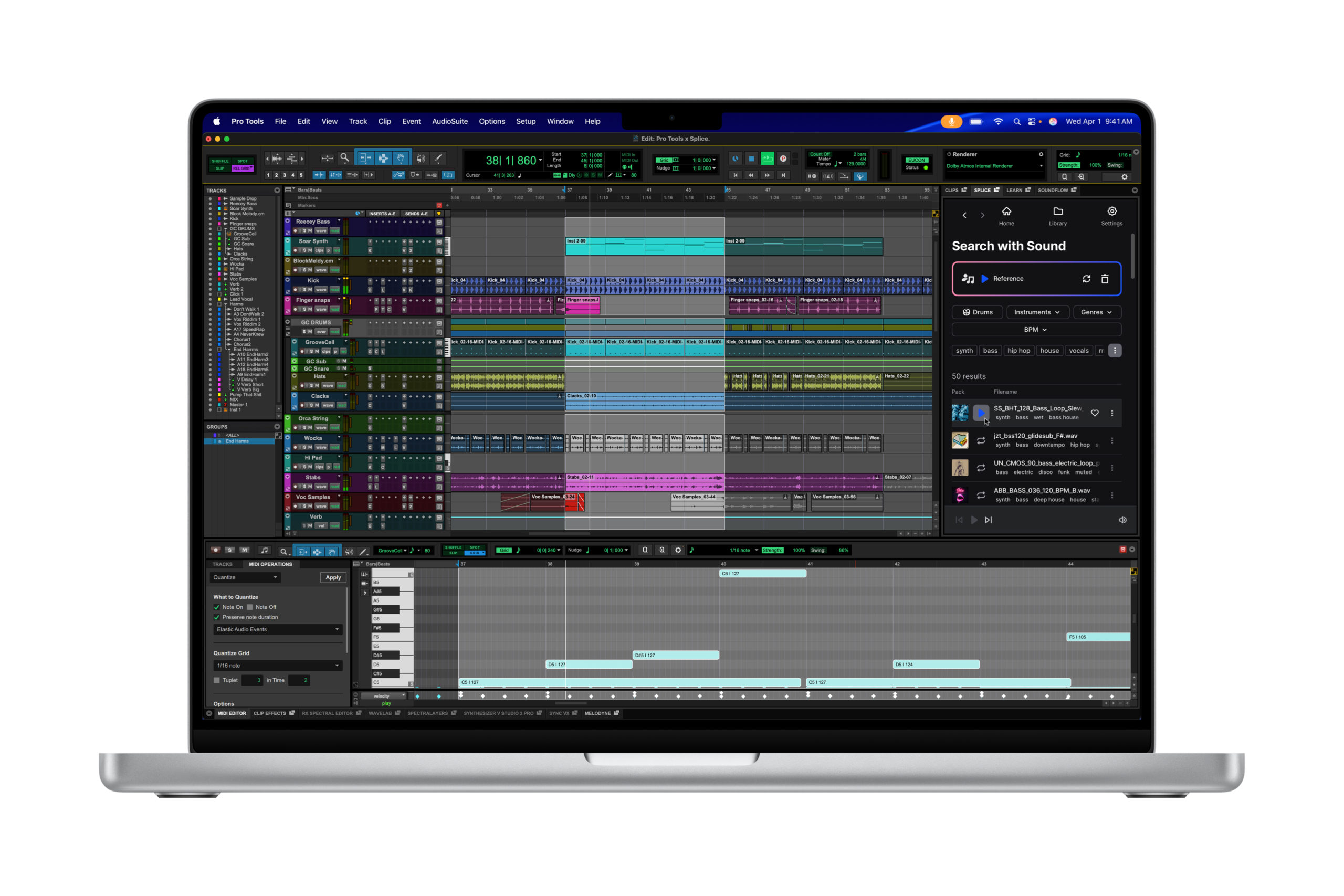
One of the defining advantages of Apple Silicon has been its ability to deliver strong performance while maintaining excellent battery life.
Apple claims the new MacBook Pro models powered by the M5 Pro and M5 Max chips continue this trend, offering long battery life even during demanding tasks.
For creative professionals who frequently work on location or while travelling, the combination of performance and endurance remains one of the MacBook Pro’s strongest advantages.
A Powerful Laptop for Creative Professionals
With the introduction of the M5 Pro and M5 Max chips, Apple is positioning the MacBook Pro as one of the most powerful portable computers available for professional creators.
Photographers working with large image libraries, filmmakers editing high-resolution footage and designers managing complex visual projects are likely to benefit from the improved processing power and graphics performance.
As Apple continues refining its silicon architecture, the MacBook Pro remains a central tool for creative professionals who require a balance of performance, portability and reliability.
MacBook Pro M5: What It Means for Photographers
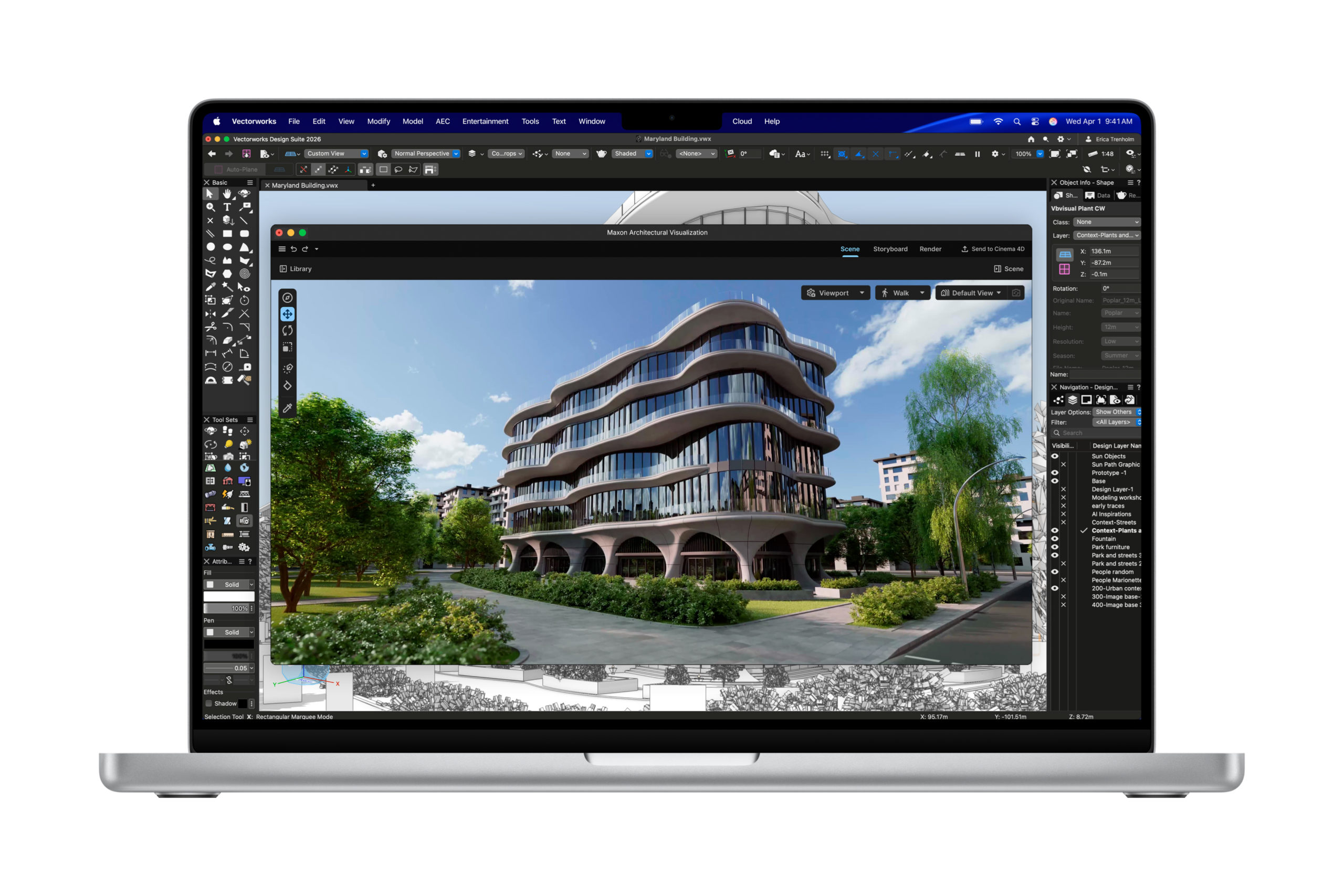
For photographers specifically, the new MacBook Pro could bring several practical advantages:
faster processing of large RAW files
smoother editing of high-resolution images
improved performance in Lightroom and Photoshop
faster exports and batch processing
better performance when working with multiple applications simultaneously
As image sizes continue to increase and editing workflows become more demanding, powerful portable machines like the MacBook Pro play an increasingly important role in professional photography.
Final Thoughts
Apple’s introduction of the MacBook Pro with M5 Pro and M5 Max chips marks another step forward in the evolution of Apple Silicon. With faster performance, improved graphics capability and strong battery life, the new models appear designed to meet the needs of photographers, filmmakers and other creative professionals.
For users who rely on their laptops for demanding visual work, the latest MacBook Pro may offer a compelling combination of power, efficiency and portability.
Please support us
TheAppWhisperer has always had a dual mission: to promote the most talented mobile artists of the day and to support ambitious, interested viewers worldwide. Over the years, TheAppWhisperer has gained readers worldwide and created new spaces for that exchange.
All this work thrives with the support of our community. Your support helps protect our independence, and we can keep delivering open, global promotion of mobile artists. Every contribution, however big or small, is valuable for our future.
Related Articles
You may also enjoy these guides on TheAppWhisperer:
These guides explore some of the most powerful mobile photography tools available to photographers and filmmakers today.
• Best iPhone Photography Apps (2026)
A guide to the most powerful camera apps currently available for iPhone photographers, covering everything from manual controls and computational photography tools to creative shooting apps designed for mobile artists.
An overview of the leading filmmaking apps for iPhone, including professional tools for manual video control, colour grading, and mobile cinematography workflows.
• Best Photo Editing Apps for iPhone
A curated selection of the most useful mobile photo editing apps, from advanced RAW editing platforms to creative tools designed for artistic image processing.

Joanne Carter
Joanne Carter is a British photography journalist, editor, curator, and the founder of *TheAppWhisperer.com*, one of the world’s leading platforms dedicated to mobile photography and art. Since its launch in 2009, TheAppWhisperer has become an international hub for artists of all levels to discover, learn, exhibit, and engage with contemporary photographic practice.Built on principles of inclusivity, accessibility, and artistic excellence, Joanne has spent almost two decades championing mobile photography as a serious artistic medium. Through interviews, critical essays, exhibitions, competitions, and education, she has helped shape and document the evolution of mobile art on a global scale.Her work has taken her internationally, lecturing on photography and mobile art at institutions and events including the Museum of Art in Seoul, South Korea, alongside appearances in the UK and Europe. She has served as a juror for international photography and mobile art awards across Portugal, Canada, the United States, South Korea, Italy, and the UK.Joanne is also the founder of *TheAppWhispererPrintSales.com*, one of the first online galleries dedicated exclusively to collectible mobile art, connecting artists with collectors across Europe, the United States, and Asia.Before founding TheAppWhisperer, Joanne worked extensively in print journalism and photographic publishing, including roles at a paparazzi photo agency and as deputy editor of a leading photography magazine. Her freelance journalism, criticism, and commentary have been published widely in both the UK and the US, with bylines in *The Times*, *The Sunday Times*, *The Guardian*, *Popular Photography*, *NikonPro*, *DPReview*, *Which?*, *Vogue Italia*, *LensCulture*, the *BBC*, and more recently, the *Financial Times*, where her published letters on photography continue to contribute to wider conversations around the medium.Alongside her editorial and curatorial work, Joanne’s own photographic practice has been exhibited internationally across the UK, Europe, South Korea, and the United States. Her work increasingly explores themes of grief, loss, death, memory, and the body.Her current research interests centre on grief, death, and poverty, with forthcoming postgraduate study leading towards doctoral research in these areas.Joanne is currently developing new long-form writing and photographic projects and is available for commissions, editorial projects, speaking engagements, and collaborations.Contact: joannetheappwhisperer@gmail.com)