Best Camera Apps to Reduce iPhone Processing (2026)
Best Camera Apps to Reduce iPhone Processing (2026)
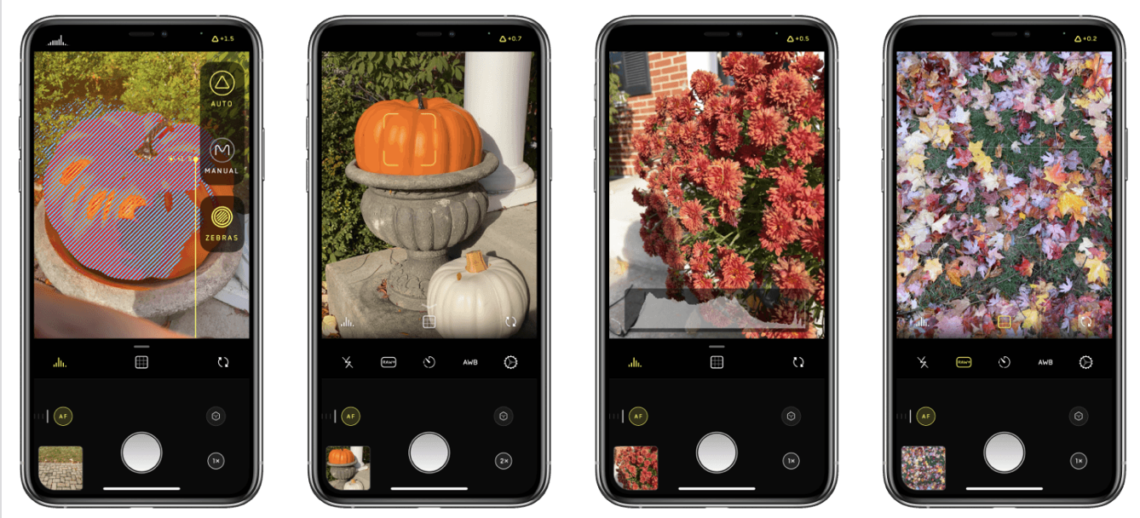
Apple’s computational photography system produces consistently polished images, but it can also introduce heavy sharpening, boosted contrast, and colour shifts that don’t always reflect the original scene.
For photographers seeking more natural results, third-party camera apps provide greater control over how images are captured — often reducing or bypassing Apple’s default processing pipeline entirely.
Below are the best camera apps for achieving a more natural, less processed look on iPhone.
If you want more natural-looking iPhone photos with less aggressive processing, these apps offer the most control — many also support RAW capture for maximum flexibility.
Best Camera Apps to Reduce iPhone Processing (2026)
Moment Pro Camera
Best for: Full manual control
RAW: Yes
Control: ★★★★★
Download on the App Store
—
Halide Mark II
Best for: Natural “Process Zero” shooting
RAW: Yes
Control: ★★★★★
Download on the App Store
—
ProCamera
We mentioned ProCamera in our Best Mobile Photography Apps (2026 Edition)
Best for: Balanced control and usability
RAW: Yes
Control: ★★★★☆
Download on the App Store
—
Lightroom Mobile
Best for: Shooting + editing workflow
RAW: Yes
Control: ★★★★☆
Download on the App Store
—
Camera+
Best for: Simplicity and ease of use
RAW: Yes
Control: ★★★☆☆
Download on the App Store
1. Moment Pro Camera

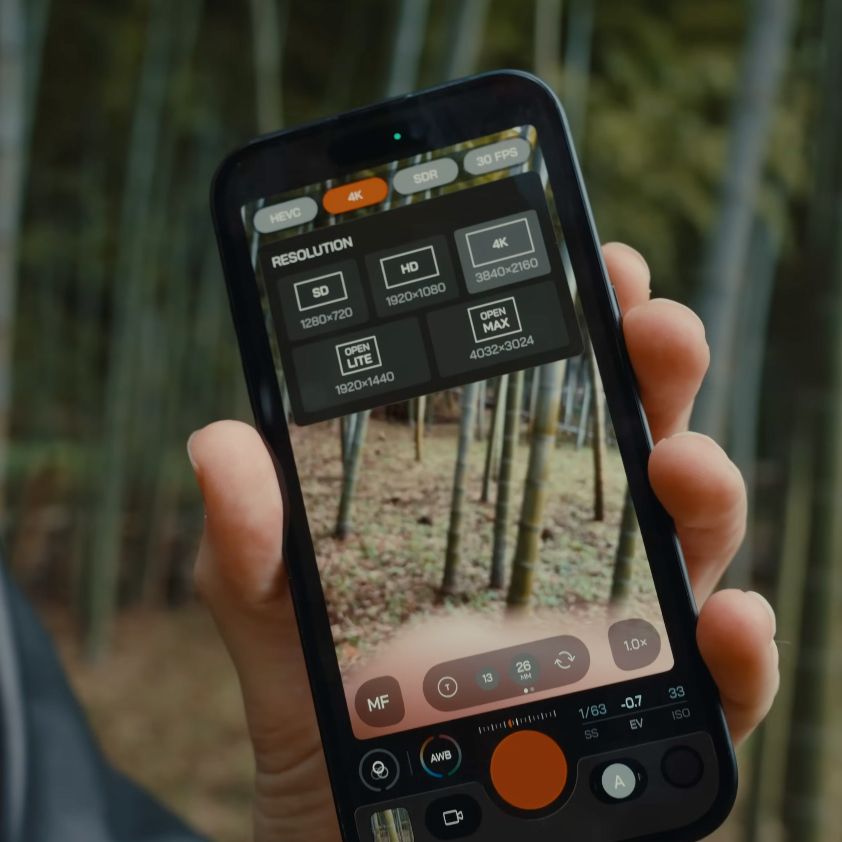

Moment Pro Camera is one of the most effective tools for reducing Apple’s default processing. It offers full manual control over exposure, ISO, shutter speed, and white balance, allowing users to take a more deliberate approach to image capture.
Images produced with Moment tend to retain a more neutral tonal range, with less aggressive sharpening and contrast adjustments compared to the native Camera app.
Key features:
Full manual controls
Reduced computational processing
RAW capture support
Clean, intuitive interface
2. Halide Mark II
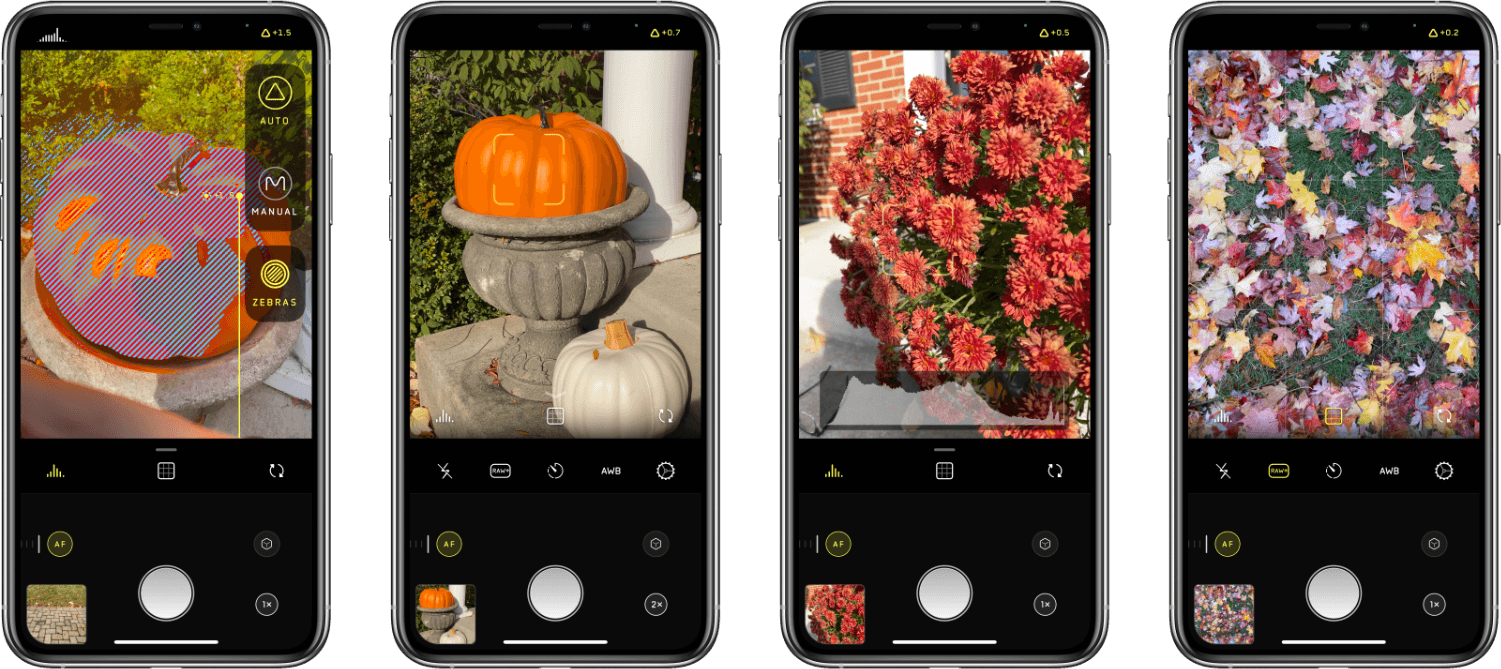
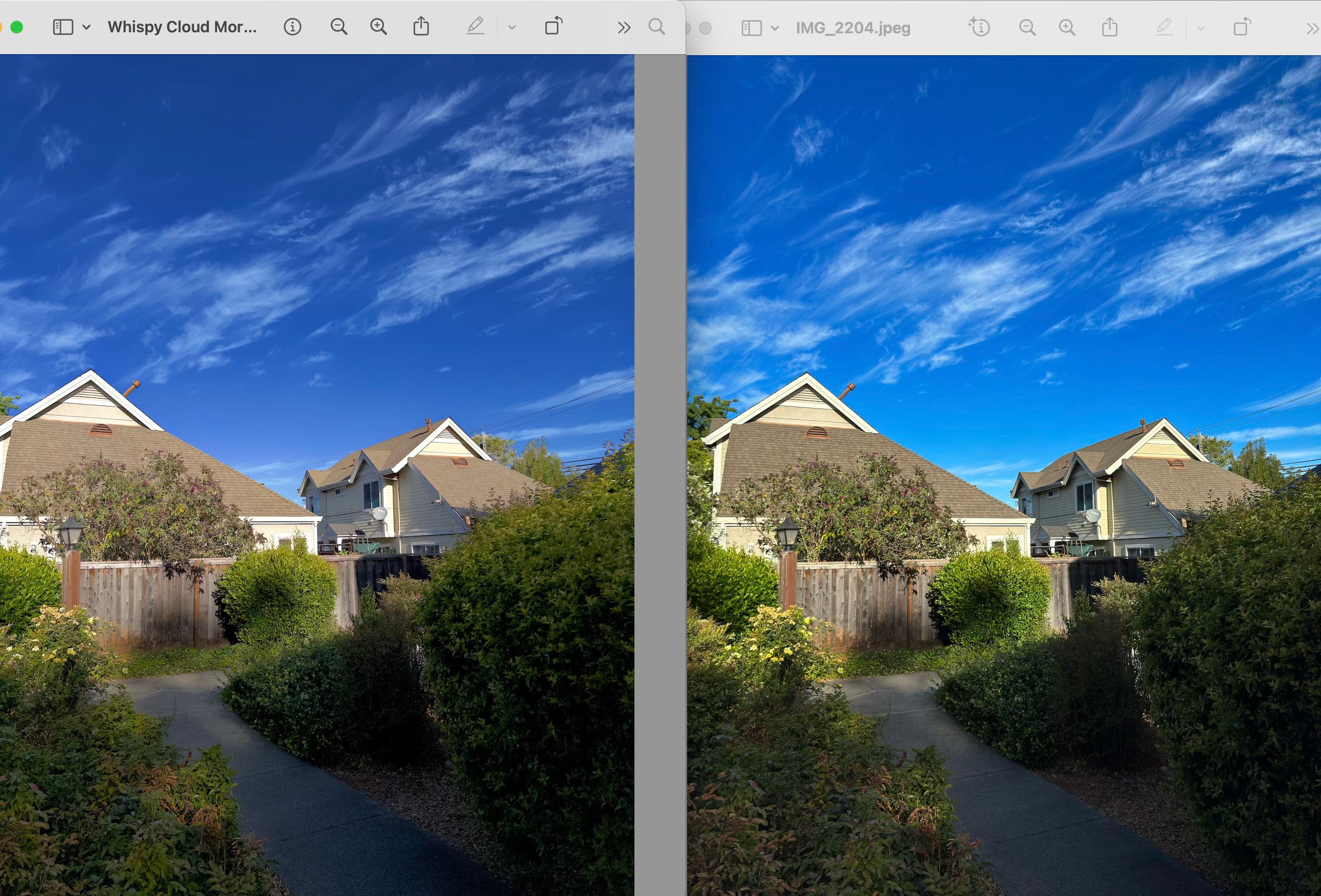
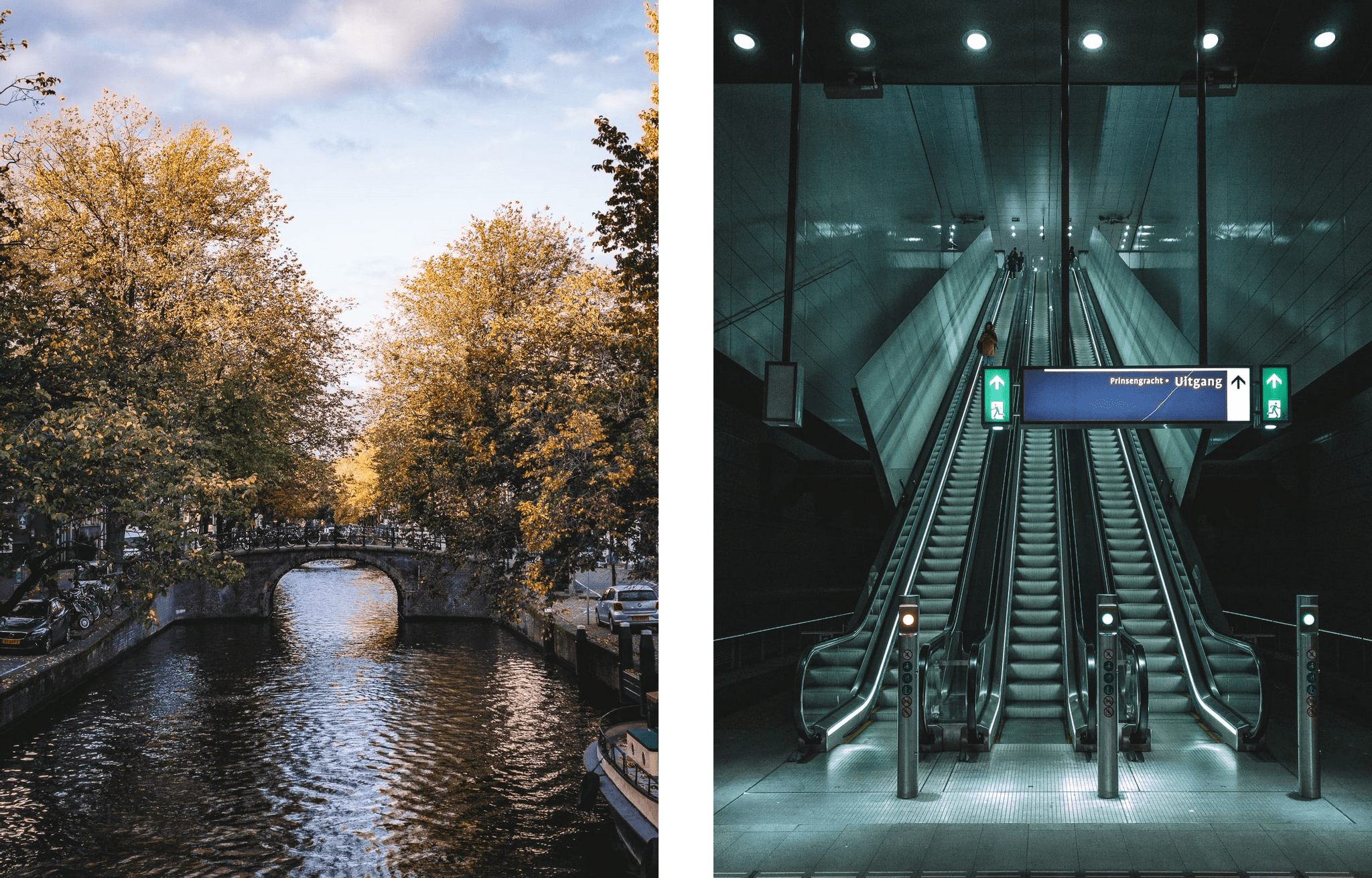
Halide Mark II is widely regarded as one of the most advanced camera apps available for iPhone. Its “Process Zero” feature is specifically designed to minimise image processing, producing more natural, film-like results.
This makes it particularly appealing for photographers who want a closer approximation to traditional digital or analogue capture.
Key features:
Process Zero (minimal processing mode)
Advanced manual controls
Excellent RAW support
High-quality interface design
3. ProCamera
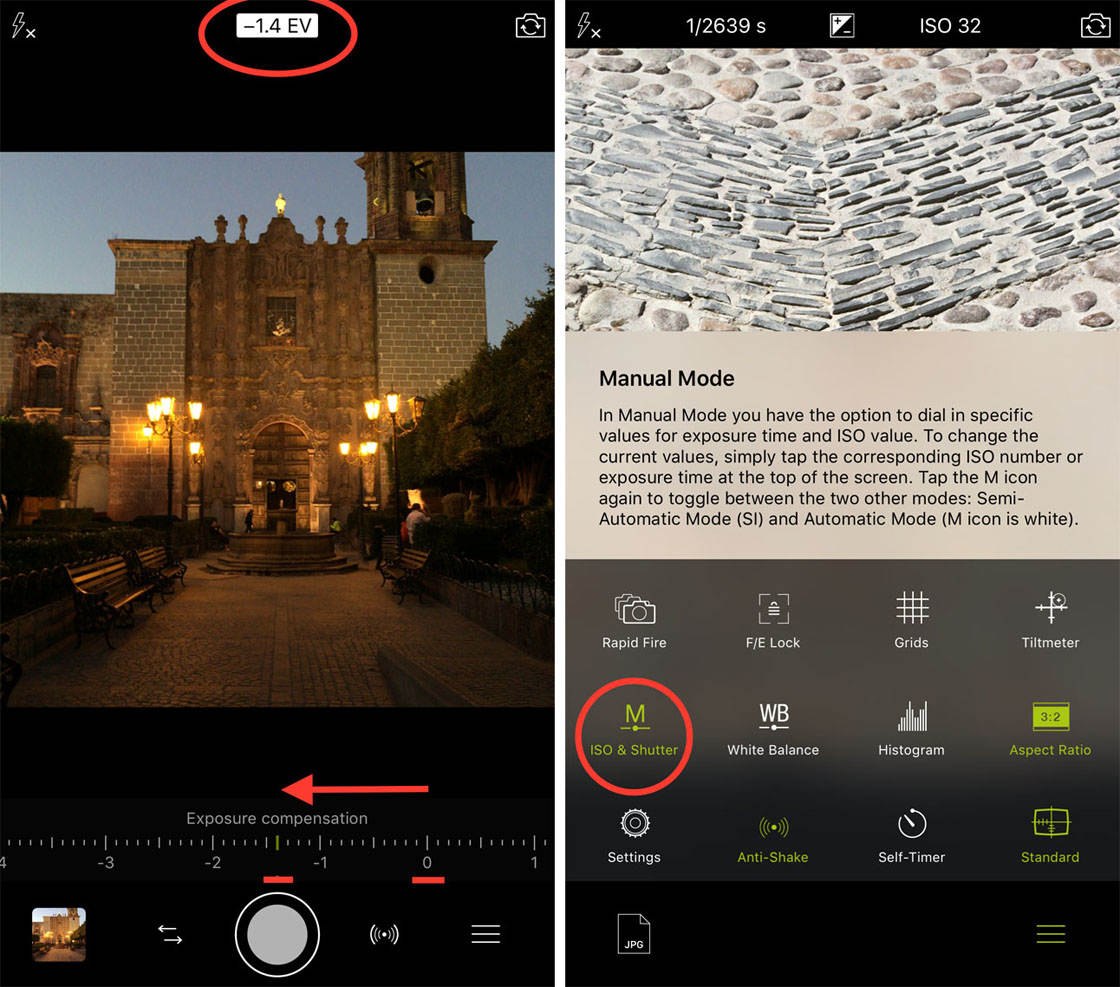
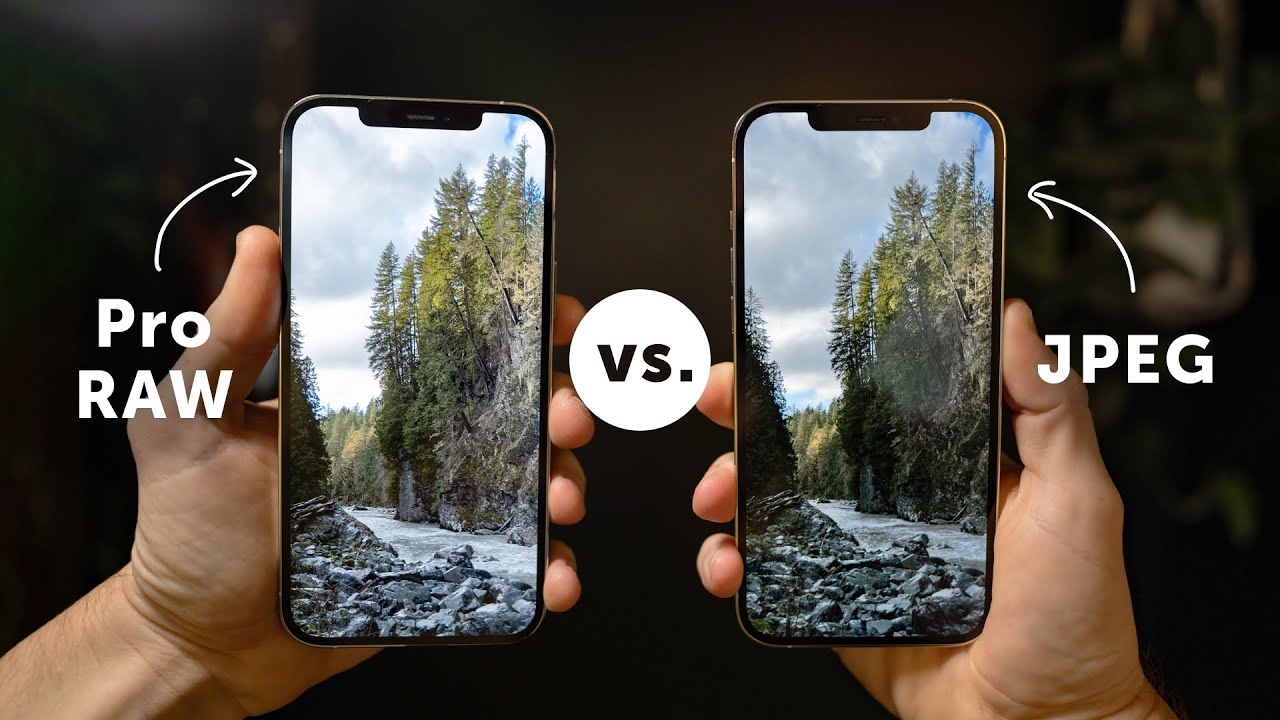
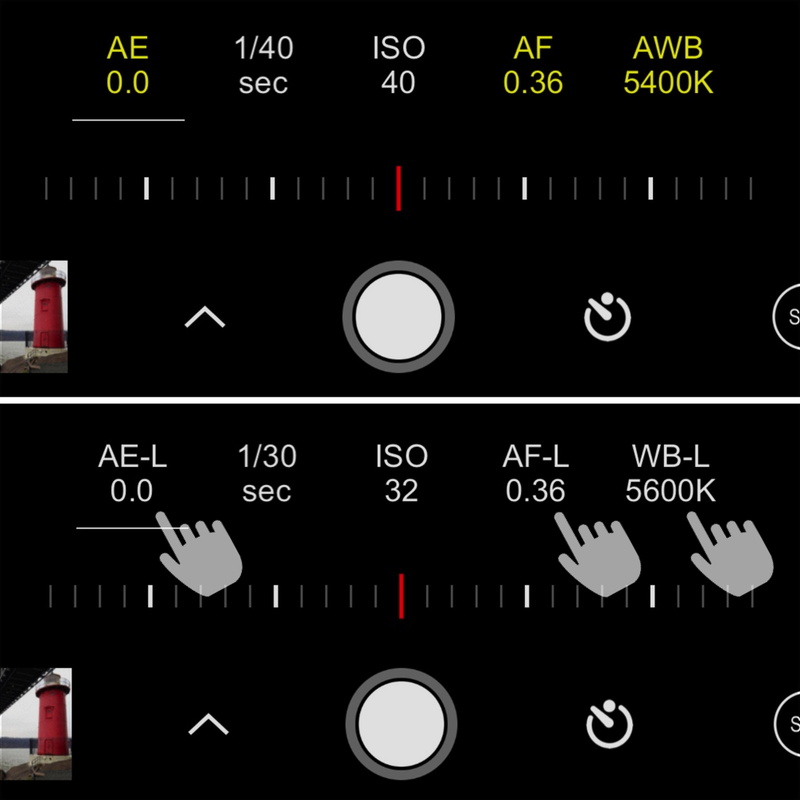
ProCamera offers a balance between automation and manual control. It allows users to reduce or bypass certain processing features while still maintaining a relatively accessible shooting experience.
For those transitioning away from the native Camera app, ProCamera provides a flexible middle ground.
Key features:
Manual exposure controls
Optional processing features
RAW and HDR options
Stable, well-established platform
4. Lightroom Mobile (Camera Mode)
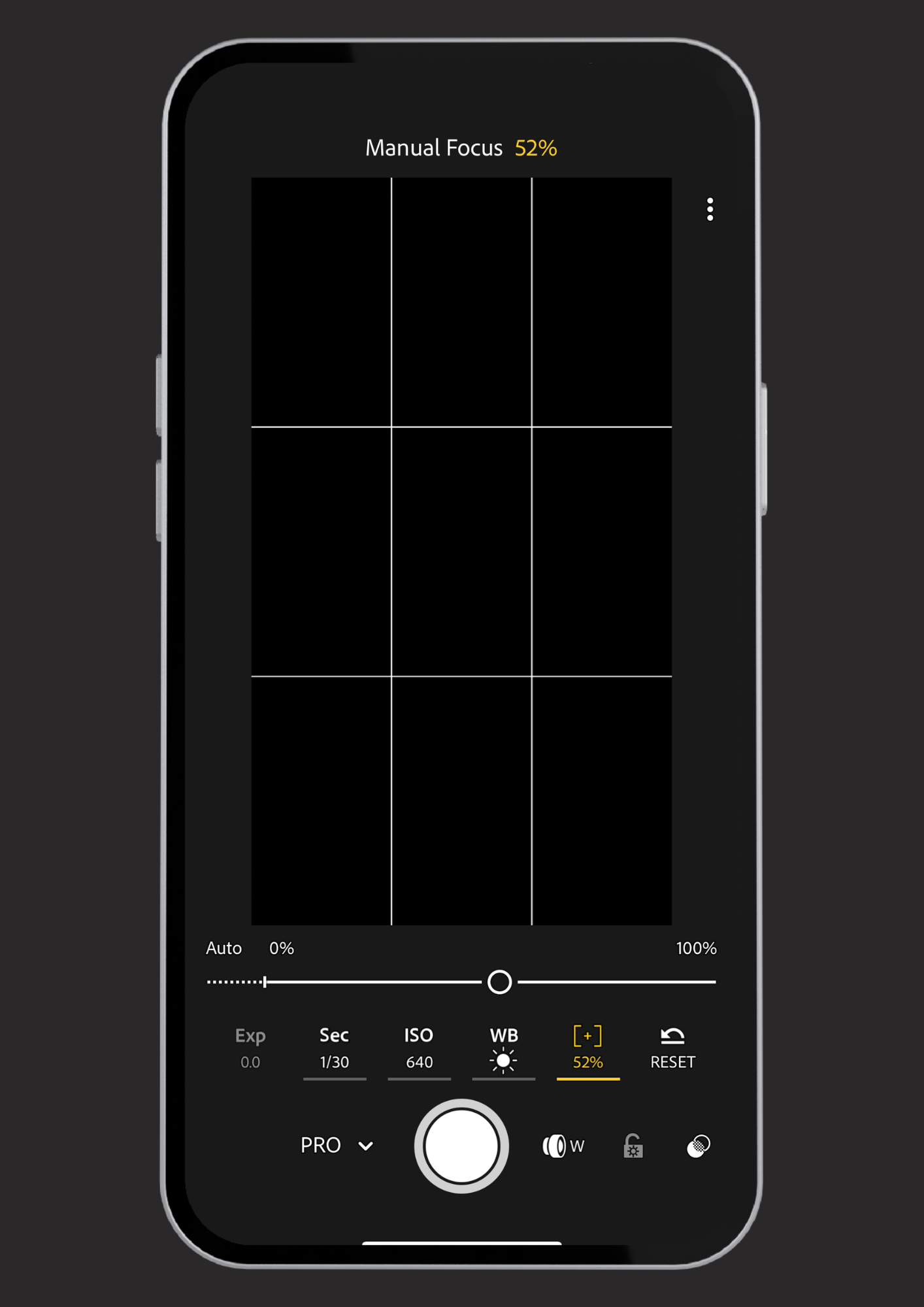

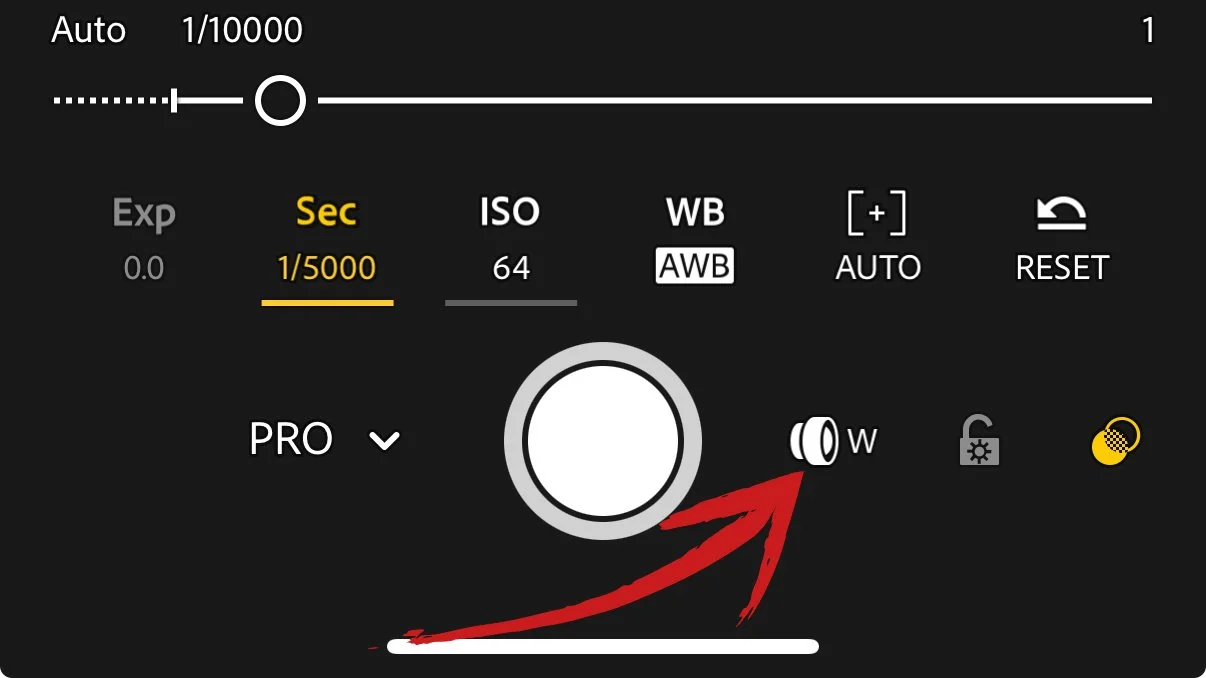
Adobe Lightroom Mobile includes a built-in camera that captures images with less aggressive processing, especially when shooting in RAW.
Its strength lies in the seamless transition from capture to editing, making it ideal for photographers who intend to refine images in post-production.
Key features:
RAW capture with minimal processing
Integrated editing workflow
Manual shooting controls
Cloud-based workflow options
5. Camera+
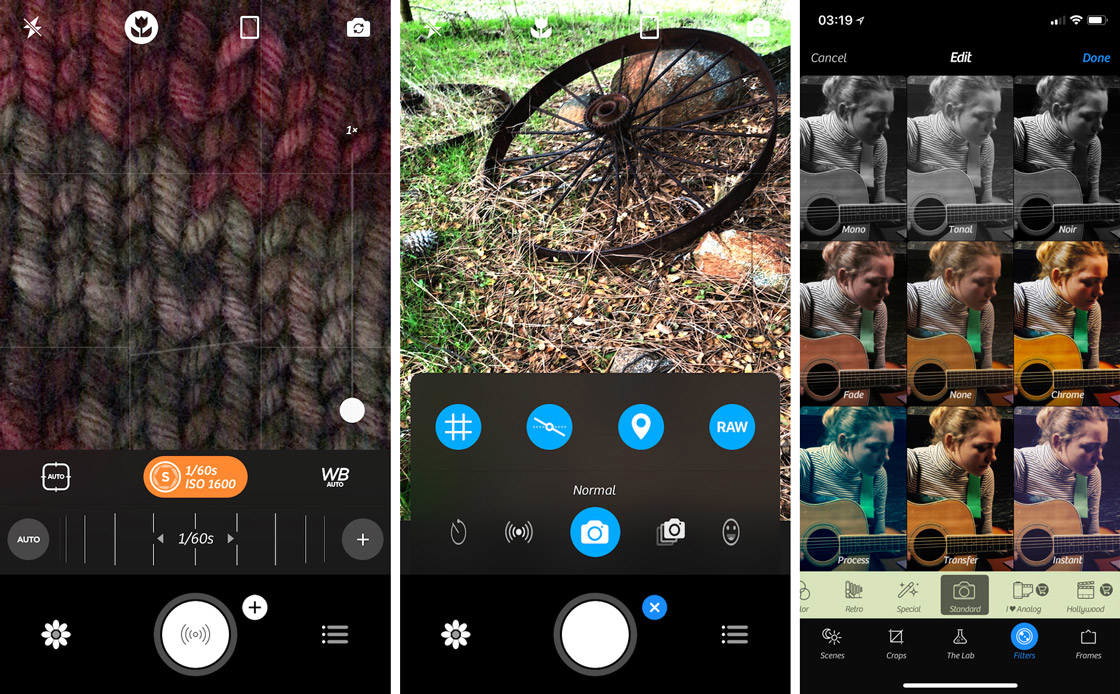
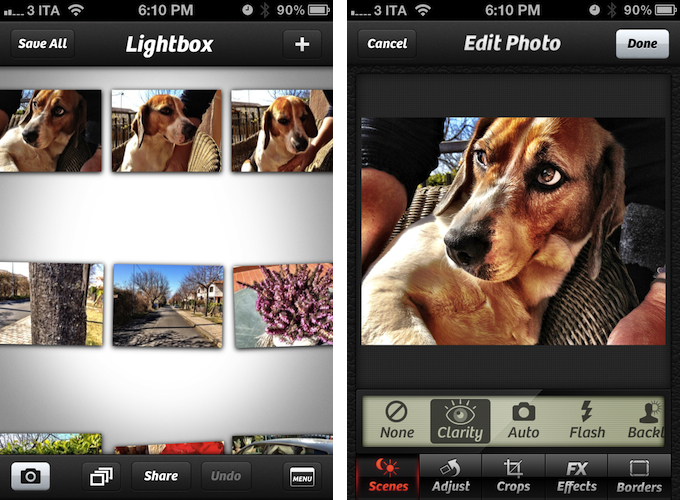
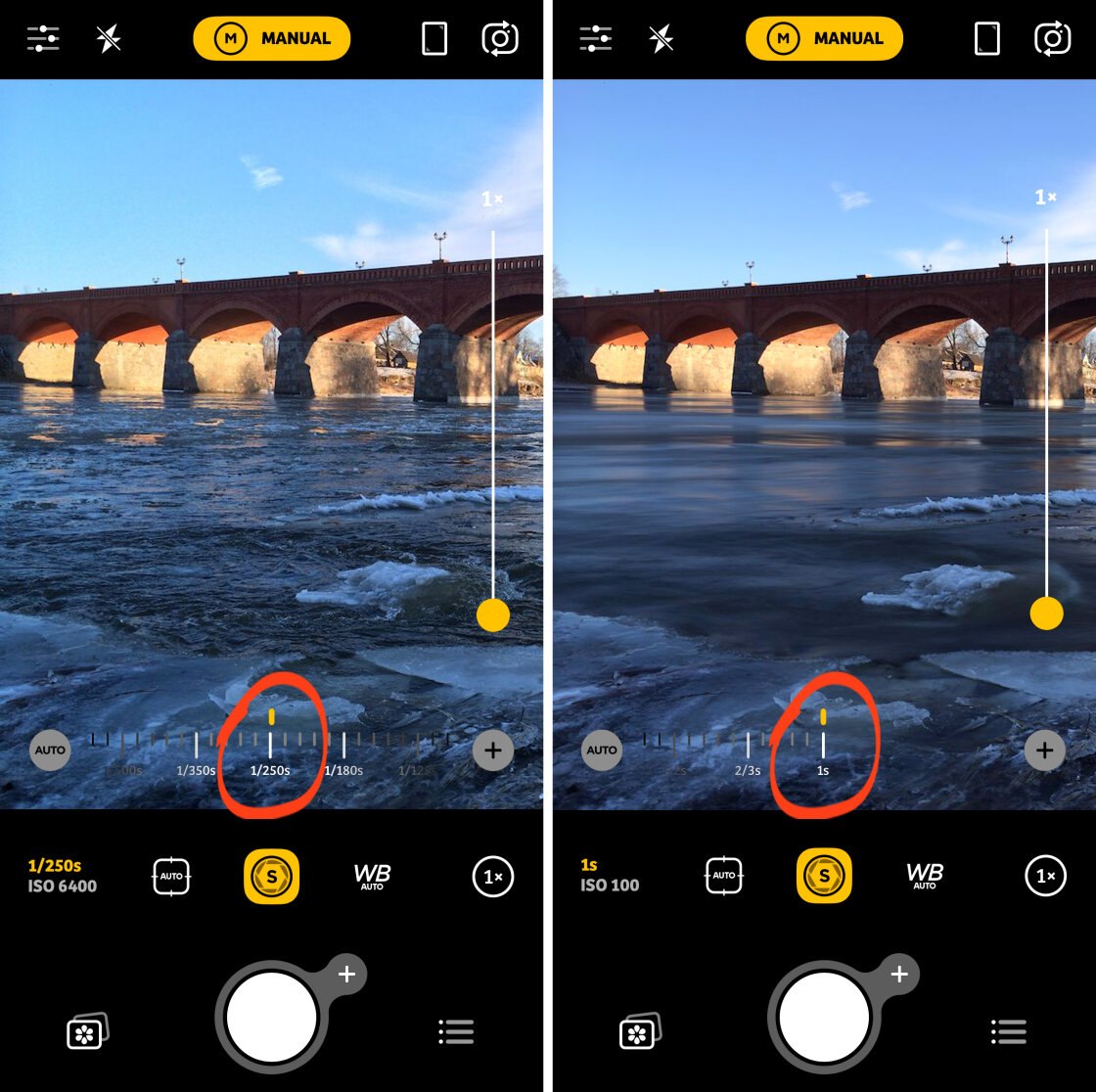
Camera+ remains a popular choice for those seeking more control over image capture without a steep learning curve. It offers manual adjustments and alternative shooting modes that can help reduce reliance on Apple’s default processing pipeline.
Key features:
Easy-to-use manual controls
Alternative shooting modes
Good balance of simplicity and control
Reliable performance
Why Use Third-Party Camera Apps?
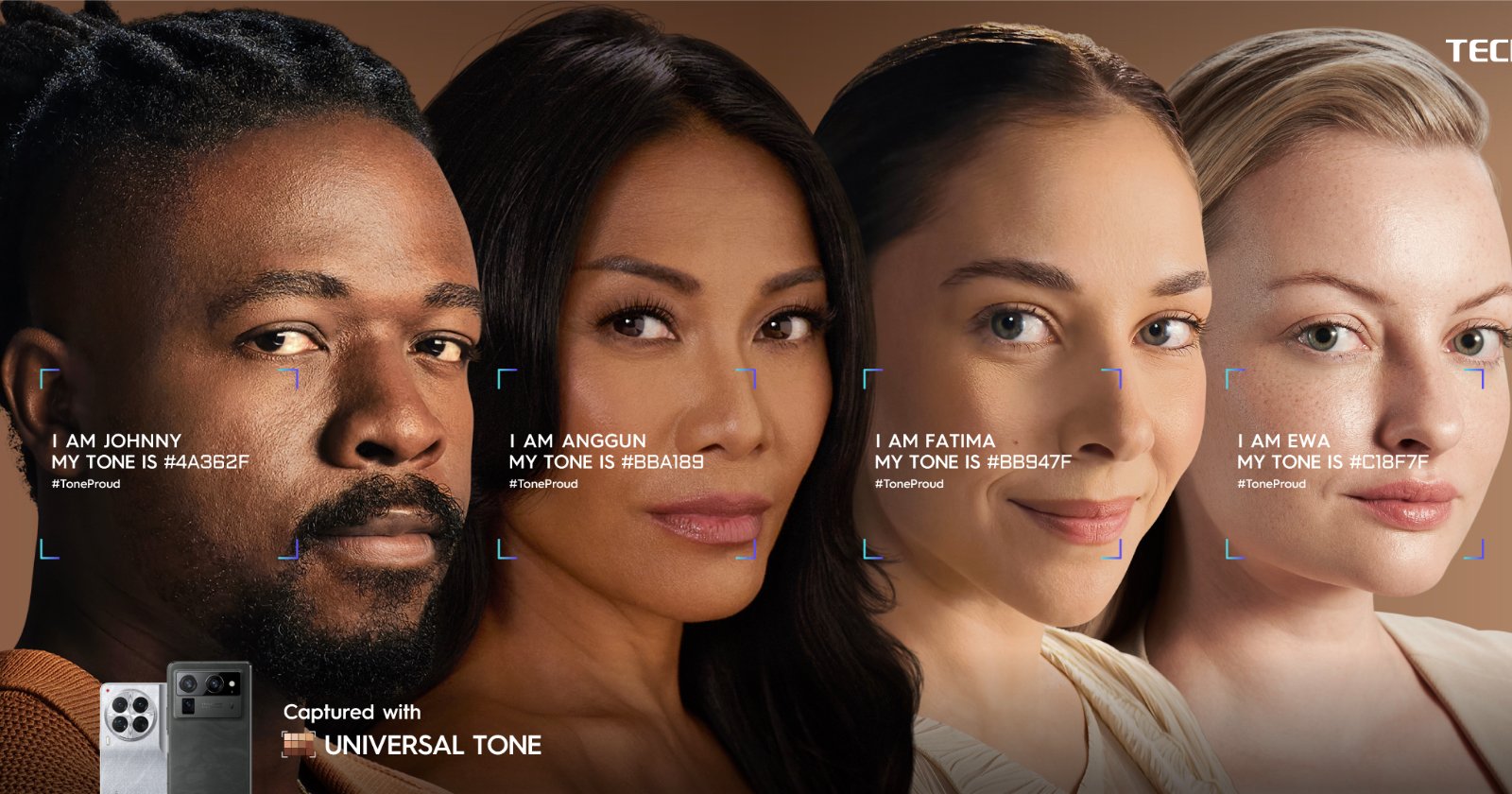
Using third-party camera apps can significantly change how images look and feel:
More natural colour reproduction
Reduced sharpening and contrast
Better highlight and shadow detail
Greater flexibility for editing
This approach is particularly valuable for photographers who prefer a more controlled, less algorithm-driven aesthetic.
Conclusion
While Apple’s computational photography delivers consistent results, it does not always align with every photographer’s intent. Third-party camera apps offer an effective way to reduce this processing and regain control over the final image.
For those seeking a more natural photographic workflow, the apps above provide some of the strongest options currently available on iPhone.
For a broader overview, see our guide to the Best Mobile Photography Apps (2026 Edition), which includes camera, editing and specialist tools. Best Black and White Photography Apps for iPhone (2026 Edition) • Best Portfolio Apps and Websites for Photographers (2026 Edition) • 10 Apps Secretly Draining Your Phone’s Battery – 2026 Edition
Please support us
TheAppWhisperer has always had a dual mission: to promote the most talented mobile artists of the day and to support ambitious, interested viewers worldwide. As the years pass, TheAppWhisperer has gained readers and viewers and has found new venues for that exchange.
All this work thrives with the support of our community. Your support helps protect our independence, and we can keep delivering open, global promotion of mobile artists. Every contribution, however big or small, is valuable for our future.

Joanne Carter
Joanne Carter is a British photographer, photography journalist, editor and curator and the founder and editorial director of TheAppWhisperer.com, an independent international photography publication established in 2009.Her journalism, criticism and commentary have appeared in The Times, The Sunday Times, The Guardian, Financial Times, BBC, Vogue Italia, LensCulture, Popular Photography, Android Magazine, NikonPro, DPReview, Which Digital Camera and Which Camera. She has lectured internationally on photography and mobile art, served as a juror for international photography awards, and exhibited her own photographic work across the UK, Europe, South Korea and the United States.Alongside her editorial work, Joanne's photographic and postgraduate research explores death, grief, memory, representation and social inequality through contemporary photography, participatory practice and visual research methods, with the longer-term aim of developing this work through doctoral research.Through TheAppWhisperer, she continues to publish independent photography journalism spanning contemporary photographic practice, mobile imaging, photographic apps, computational photography and emerging imaging technologies.Joanne is available for editorial commissions, photography projects, judging, curatorial work, speaking engagements, consultancy and selected collaborations.