Greatest Mobile Art Pic of the Day (2,644)
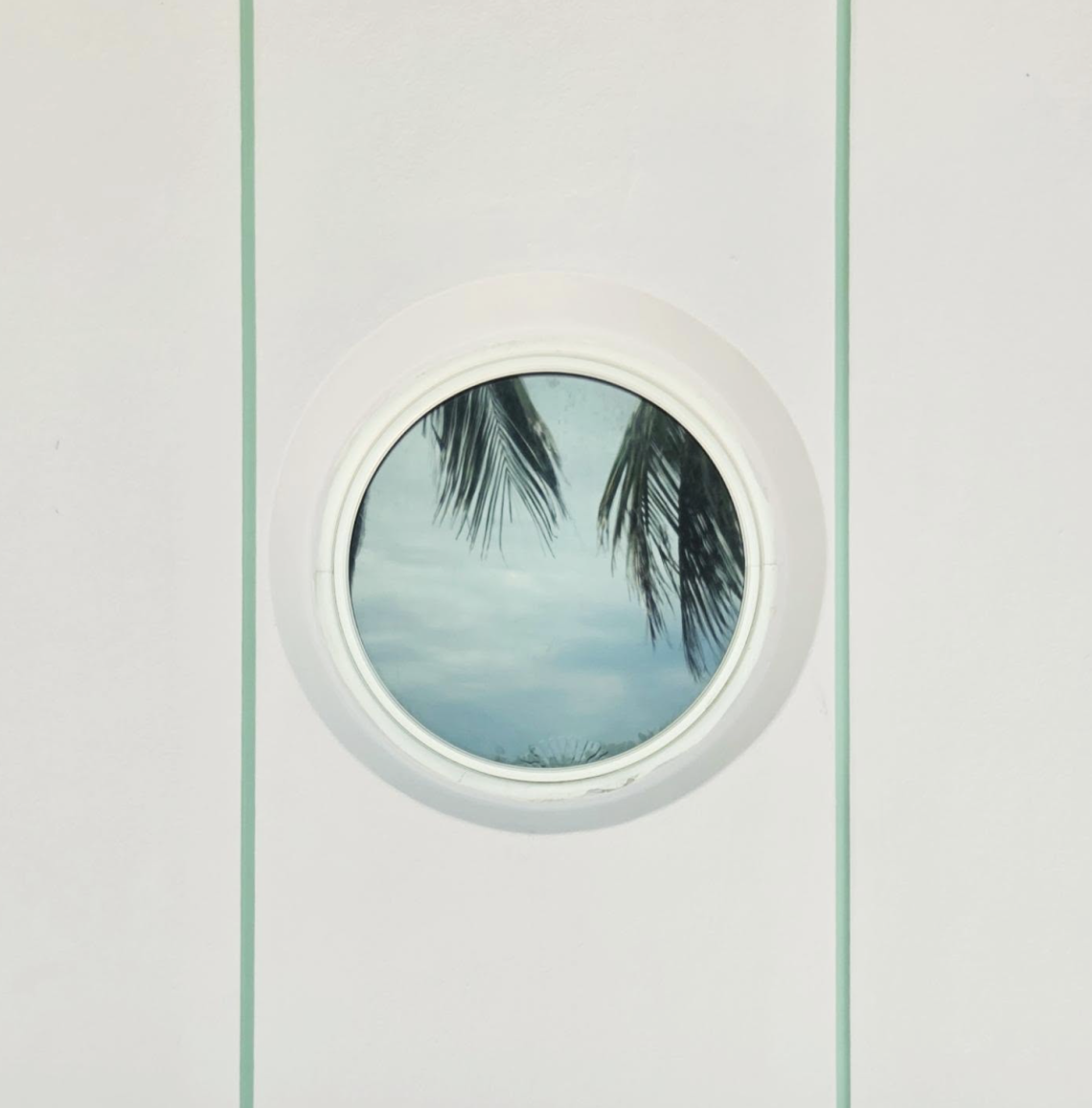
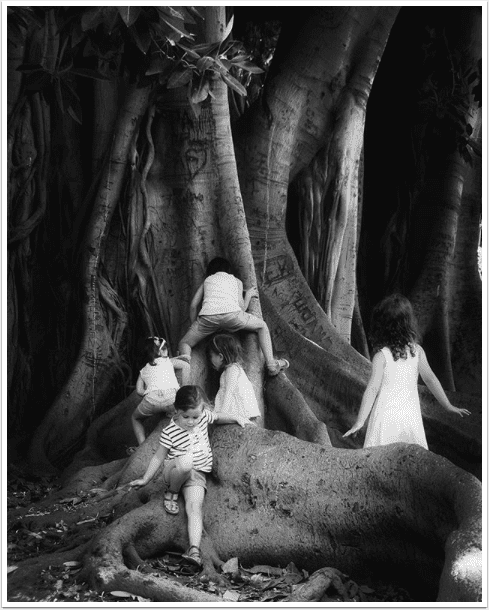
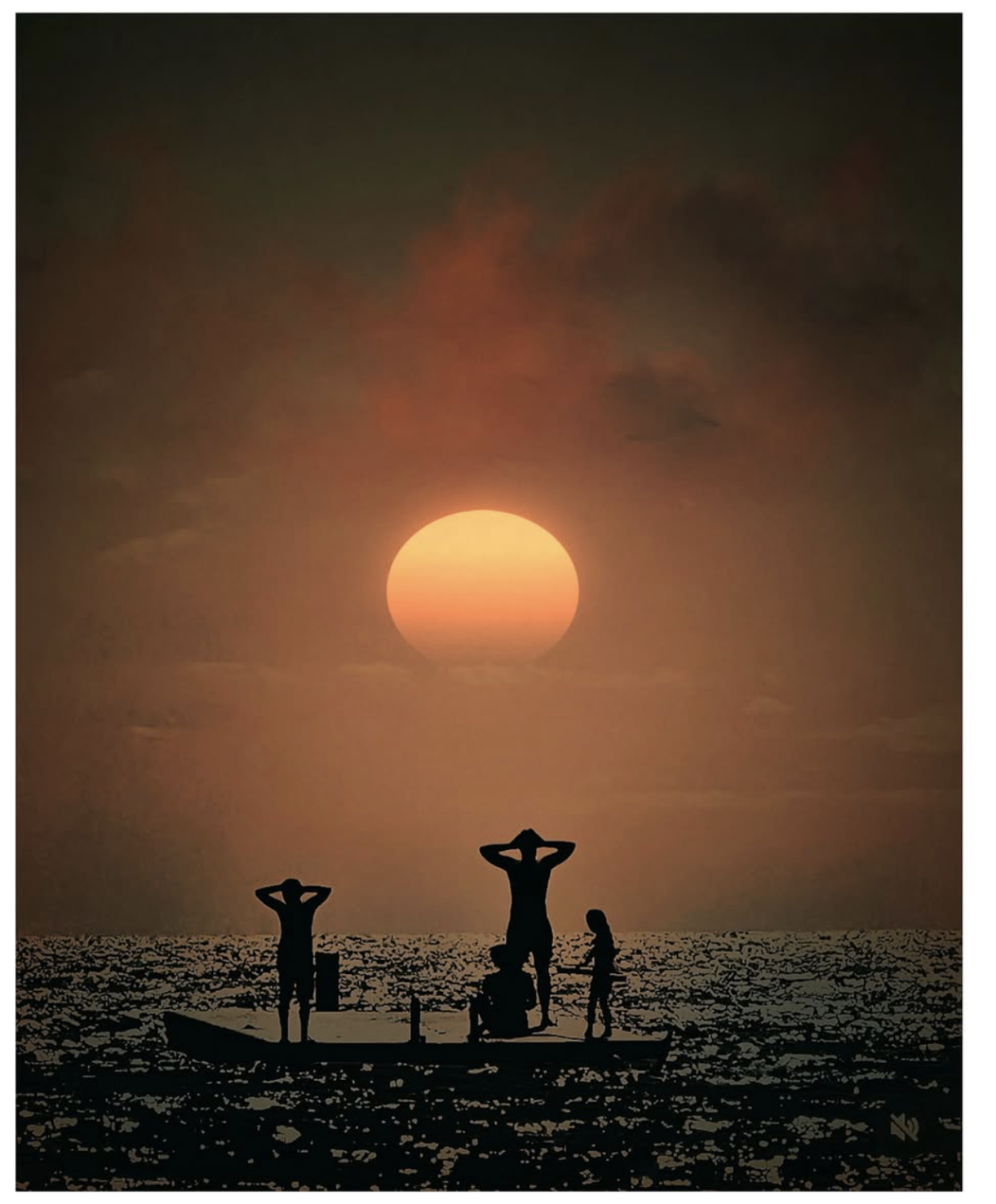
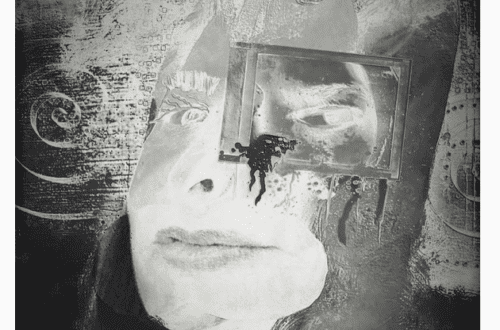
Greatest Mobile Art Pic of the Day (2,644): Today’s photo comes from the talented @mery_pictures highlighting the best mobile photography and art. With ‘Pic of the Day,’ we aim to create a space that crosses borders, languages, and cultures. We connect through the shared language of visual storytelling, allowing us to appreciate the beauty and diversity of our world. Mobile photography has shown its power throughout our journey. As smartphones and their cameras keep improving, opportunities for artistic expression grow. This openness enables creators to share their vision with a global audience, inspiring others to explore their creativity. For a full breakdown of the best tools available this year, see our…
You May Also Like
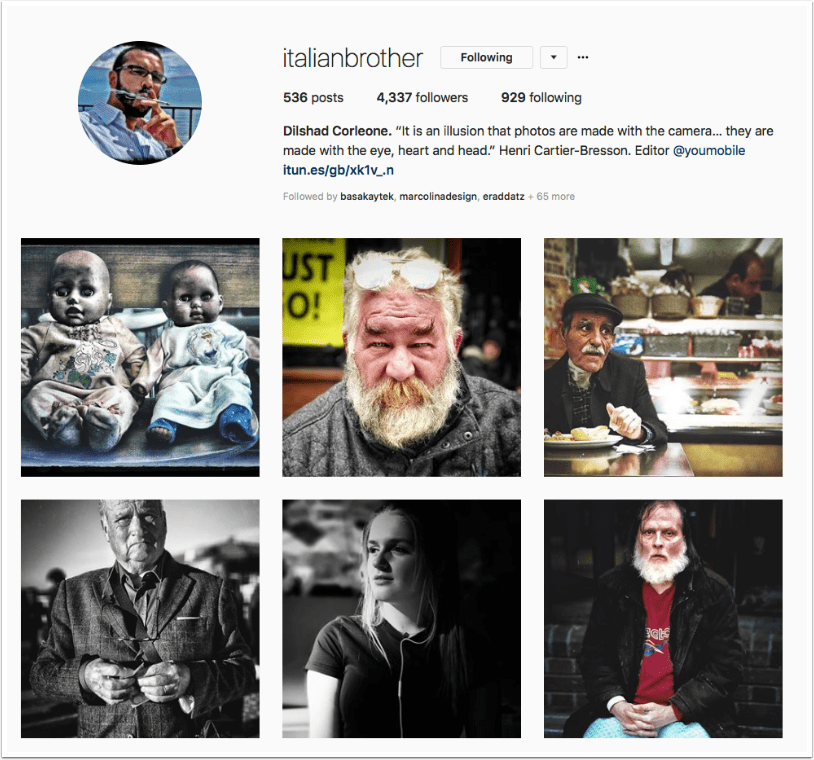
Mobile Photography – Instagram TAKEOVER with Dilshad Corleone (@italianbrother) from the United Kingdom
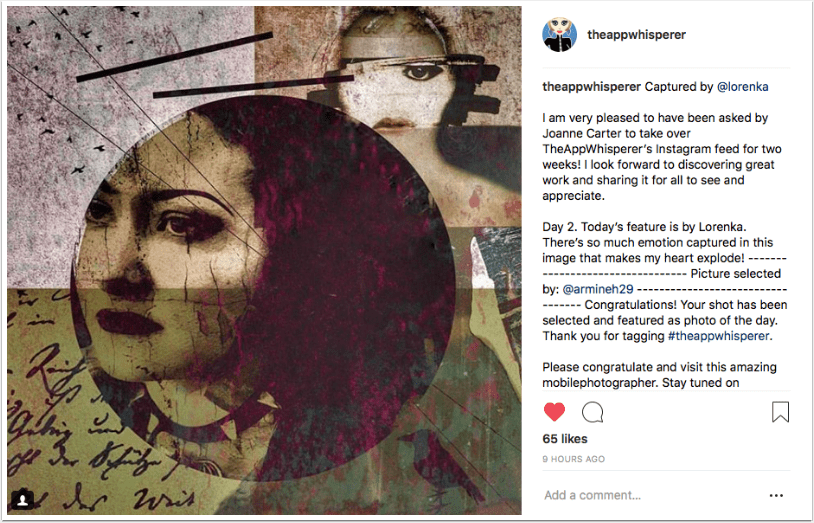
Mobile Photography – Instagram TAKEOVER with @armineh29 – Armineh Hovanesian – Days 2 & 3

Mobile Photography & Art – ‘Intimate Interview’ with Nicole Christophe from Amsterdam, Netherlands
Greatest Mobile Art Pic of the Day (2,643)
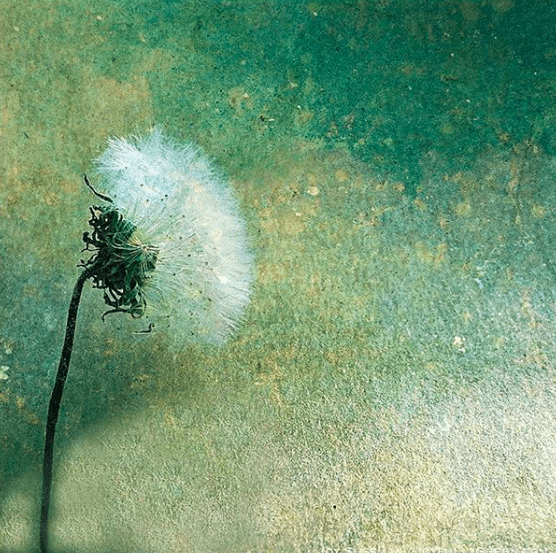
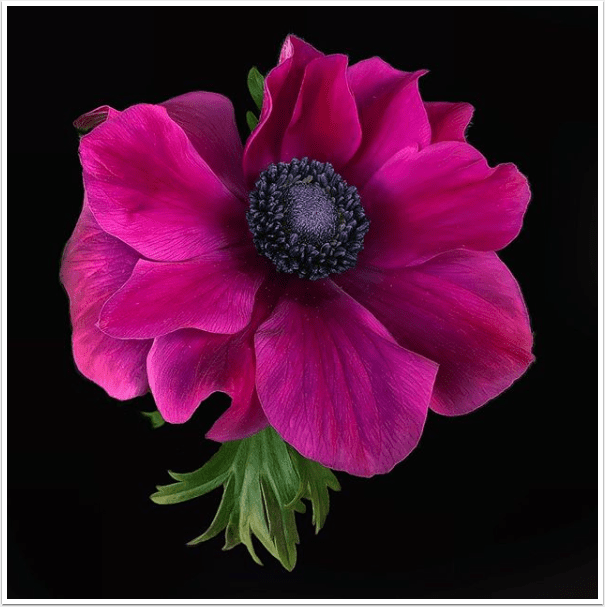
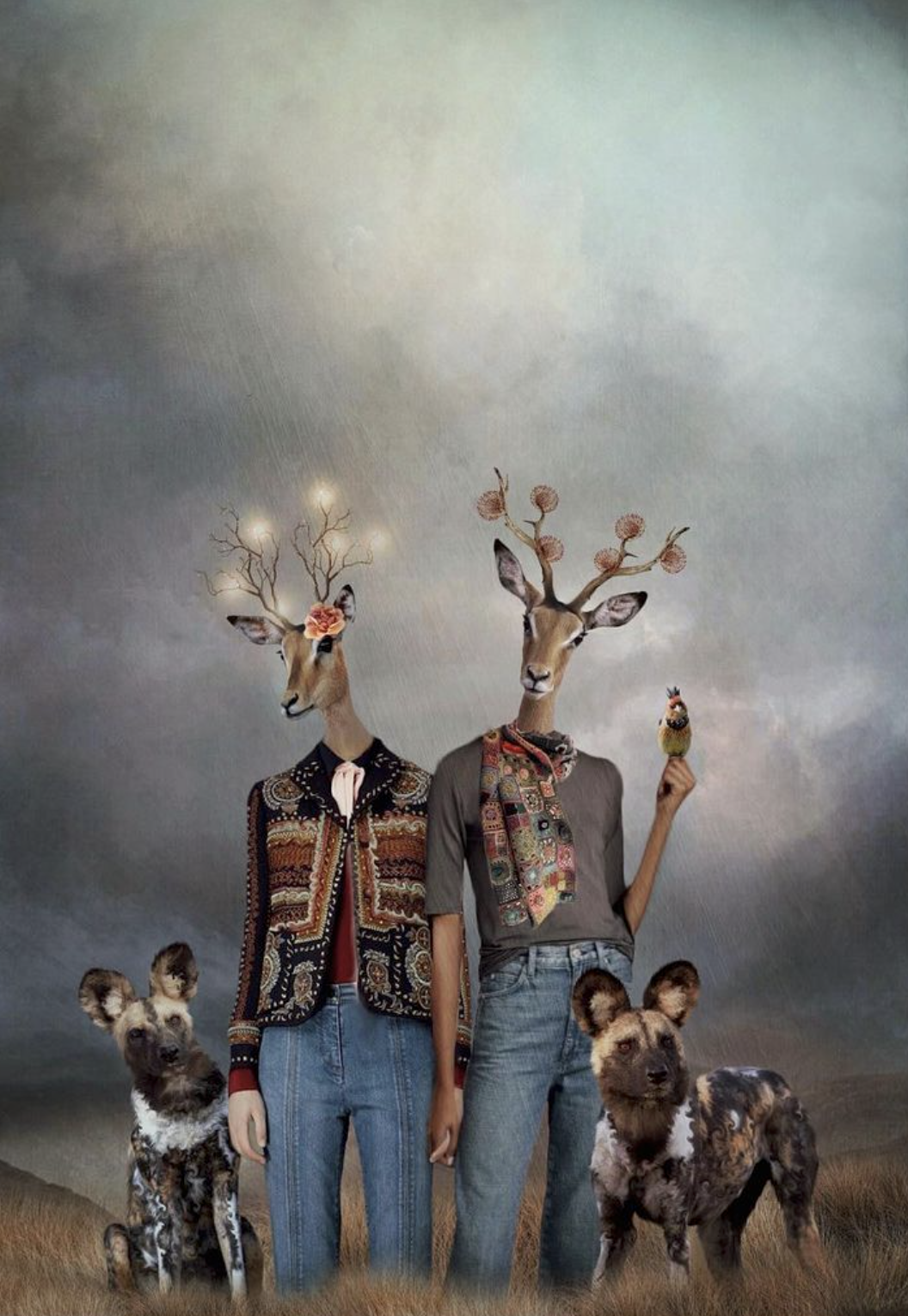
Greatest Mobile Art Pic of the Day (2,643): Today’s photo comes from the talented @skraften highlighting the best mobile photography and art. With ‘Pic of the Day,’ we aim to create a space that crosses borders, languages, and cultures. We connect through the shared language of visual storytelling, allowing us to appreciate the beauty and diversity of our world. Mobile photography has shown its power throughout our journey. As smartphones and their cameras keep improving, opportunities for artistic expression grow. This openness enables creators to share their vision with a global audience, inspiring others to explore their creativity. For a full breakdown of the best tools available this year, see our…
Greatest Mobile Art Pic of the Day (2,642)
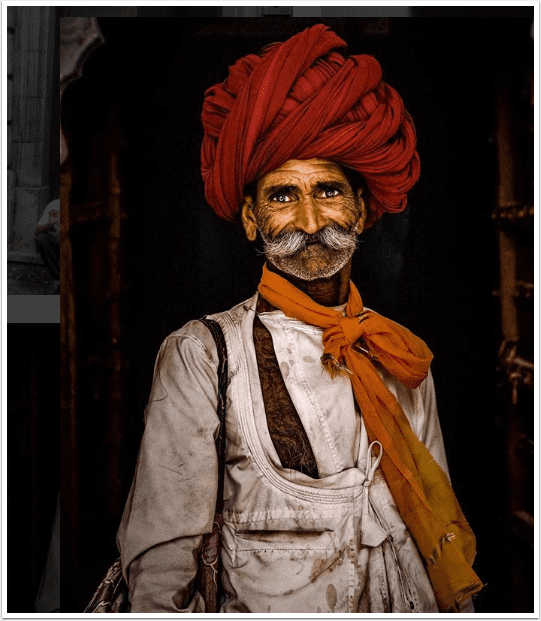
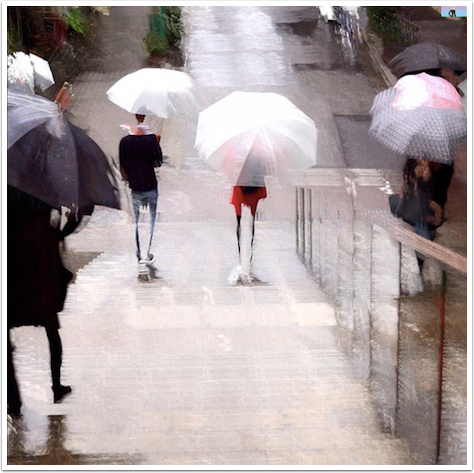
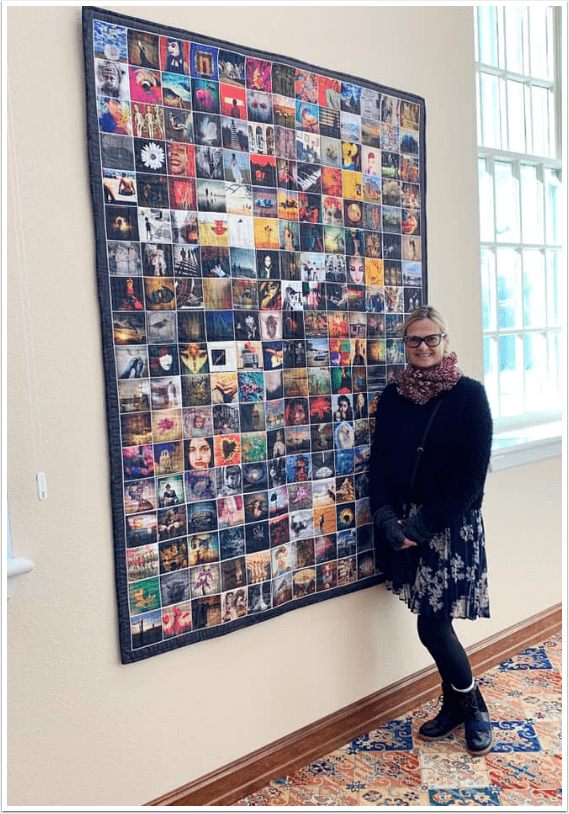
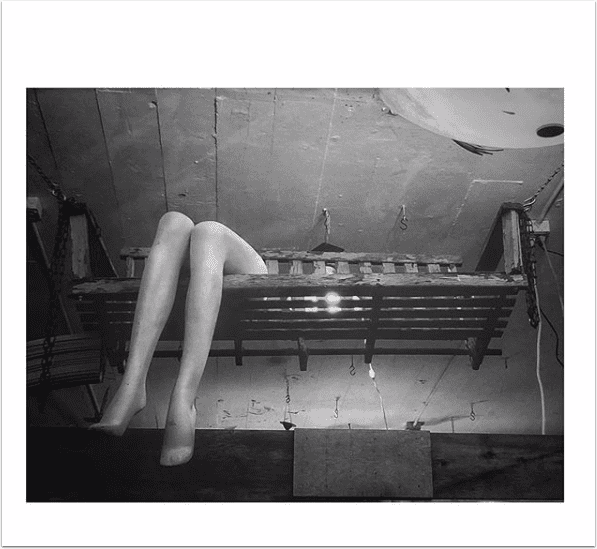
Greatest Mobile Art Pic of the Day (2,642): Today’s photo comes from the talented @fromadifferentlens highlighting the best mobile photography and art. With ‘Pic of the Day,’ we aim to create a space that crosses borders, languages, and cultures. We connect through the shared language of visual storytelling, allowing us to appreciate the beauty and diversity of our world. Mobile photography has shown its power throughout our journey. As smartphones and their cameras keep improving, opportunities for artistic expression grow. This openness enables creators to share their vision with a global audience, inspiring others to explore their creativity. For a full breakdown of the best tools available this year, see…
Greatest Mobile Art Pic of the Day (2,641)
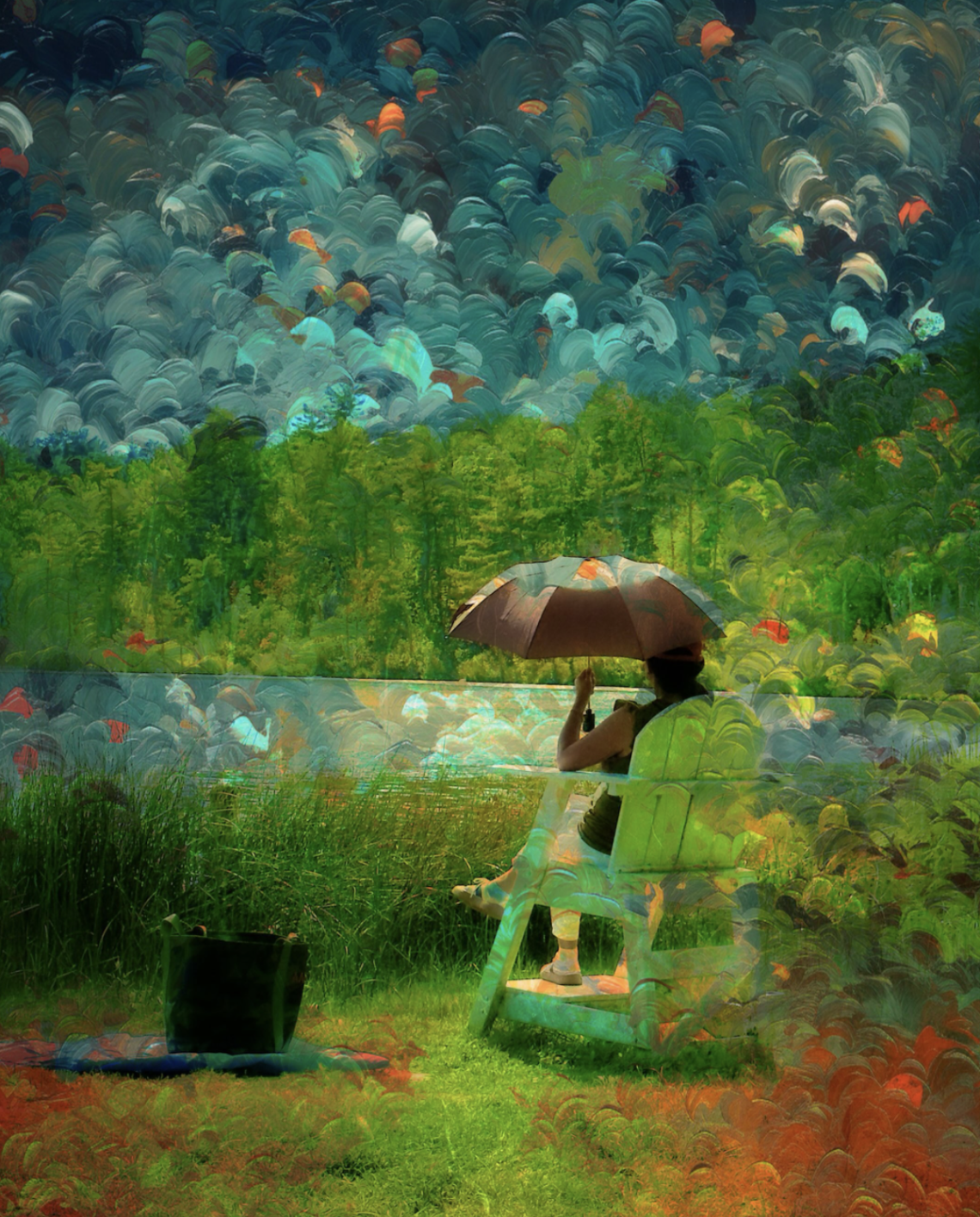
Greatest Mobile Art Pic of the Day (2,641): Today’s photo comes from the talente @bortolinimassimo highlighting the best mobile photography and art. With ‘Pic of the Day,’ we aim to create a space that crosses borders, languages, and cultures. We connect through the shared language of visual storytelling, allowing us to appreciate the beauty and diversity of our world. Mobile photography has shown its power throughout our journey. As smartphones and their cameras continue to improve, the opportunities for artistic expression grow. This openness enables creators to share their vision with a global audience, inspiring others to explore their creativity. For a full breakdown of the best tools available this…
Greatest Mobile Art Pic of the Day (2,640)
Greatest Mobile Art Pic of the Day (2,640): Today’s photo comes from the talented @bluechameleon highlighting the best mobile photography and art. With ‘Pic of the Day,’ we aim to create a space that crosses borders, languages, and cultures. We connect through the shared language of visual storytelling, allowing us to appreciate the beauty and diversity of our world. Mobile photography has shown its power throughout our journey. As smartphones and their cameras continue to improve, the opportunities for artistic expression grow. This openness enables creators to share their vision with a global audience, inspiring others to explore their creativity. For a full breakdown of the best tools available this…
Greatest Mobile Art Pic of the Day (2,639)
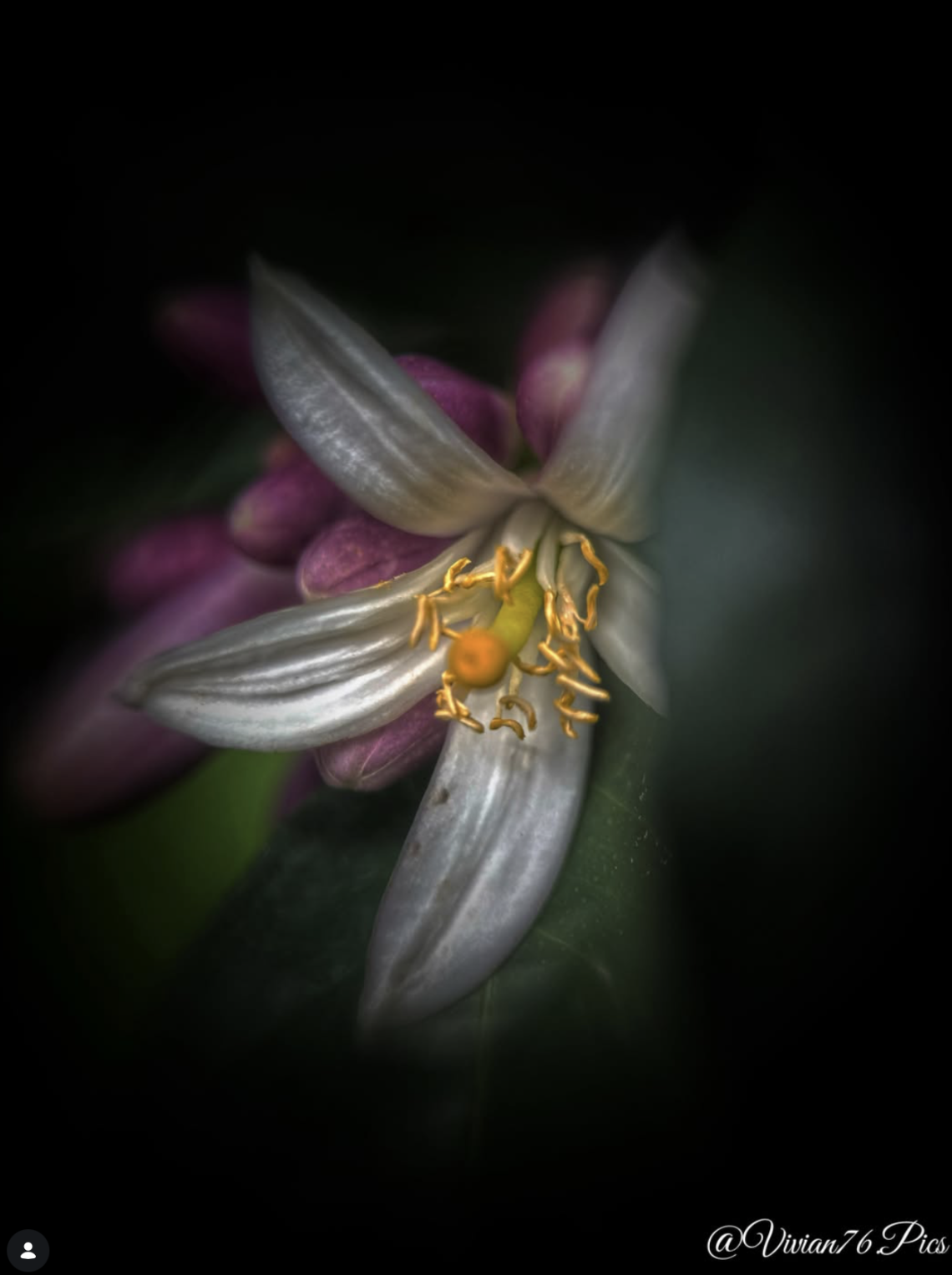
Greatest Mobile Art Pic of the Day (2,639): Today’s photo comes from the talented @vivian76.pics highlighting the best mobile photography and art. With ‘Pic of the Day,’ we aim to create a space that crosses borders, languages, and cultures. We connect through the shared language of visual storytelling, allowing us to appreciate the beauty and diversity of our world. Mobile photography has shown its power throughout our journey. As smartphones and their cameras continue to improve, the opportunities for artistic expression grow. This openness enables creators to share their vision with a global audience, inspiring others to explore their creativity. For a full breakdown of the best tools available this…
Greatest Mobile Art Pic of the Day (2,638)
Greatest Mobile Art Pic of the Day (2,638): Today’s photo comes from the talented @eslieber highlighting the best mobile photography and art. With ‘Pic of the Day,’ we aim to create a space that crosses borders, languages, and cultures. We connect through the shared language of visual storytelling, allowing us to appreciate the beauty and diversity of our world. Mobile photography has shown its power throughout our journey. As smartphones and their cameras continue to improve, the opportunities for artistic expression grow. This openness enables creators to share their vision with a global audience, inspiring others to explore their creativity. For a full breakdown of the best tools available this year,…
Greatest Mobile Art Pic of the Day (2,637)
Greatest Mobile Art Pic of the Day (2,637): Today’s photo comes from the talented @eslieber highlighting the best mobile photography and art. With ‘Pic of the Day,’ we aim to create a space that crosses borders, languages, and cultures. We connect through the shared language of visual storytelling, allowing us to appreciate the beauty and diversity of our world. Mobile photography has shown its power throughout our journey. As smartphones and their cameras continue to improve, the opportunities for artistic expression grow. This openness enables creators to share their vision with a global audience, inspiring others to explore their creativity. For a full breakdown of the best tools available this year,…
Greatest Mobile Art Pic of the Day (2,636)
Greatest Mobile Art Pic of the Day (2,636): Today’s photo comes from the talented @cannalletto highlighting the best mobile photography and art. With ‘Pic of the Day,’ we aim to create a space that crosses borders, languages, and cultures. We connect through the shared language of visual storytelling, allowing us to appreciate the beauty and diversity of our world. Mobile photography has shown its power throughout our journey. As smartphones and their cameras continue to improve, the opportunities for artistic expression grow. This openness enables creators to share their vision with a global audience, inspiring others to explore their creativity. For a full breakdown of the best tools available this year,…
iPhone Duo vs iPad: Has Apple Created the Photographer’s New Pocket Darkroom?
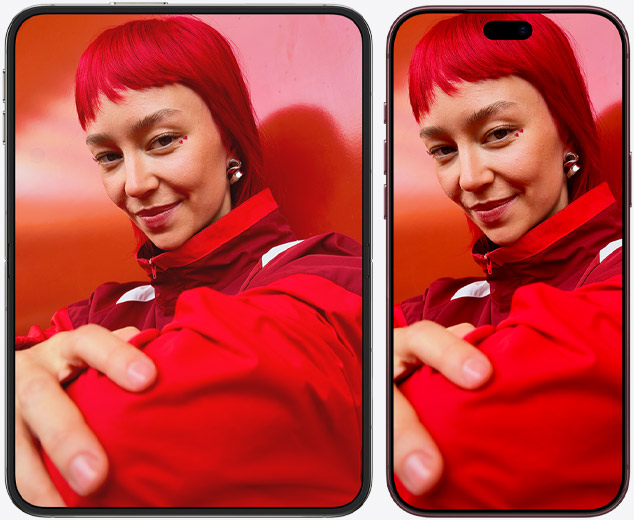
Apple’s first foldable iPhone does something more consequential for photographers than simply bending. With a 7.6-inch inner display, Apple Pencil support and a camera built into the same device, iPhone Duo begins to occupy territory previously reserved for the iPad. The question is not whether it can replace Apple’s tablet, but how much iPad a photographer still needs away from the studio. For most of mobile photography’s history, the workflow has involved a quiet compromise. The iPhone is the camera that is always with us, but the larger screen is the place where serious looking begins. We capture on one device, transfer or synchronise to another, then edit, sequence, annotate…