Best AI Video Generator Apps for iPhone & Android in 2026
Artificial intelligence is rapidly reshaping the landscape of mobile video creation. What began as simple automated filters and template-based editing has evolved into something considerably more ambitious: AI-powered filmmaking tools capable of generating cinematic sequences, realistic motion, automated edits, voice synthesis, intelligent captions and even entire videos from written prompts.
For creators working across TikTok, Instagram Reels, YouTube Shorts, and increasingly professional commercial workflows, AI video tools are no longer experimental novelties. They are becoming embedded within the everyday language of content production itself. The speed at which these platforms are evolving is remarkable, with many now blurring the boundaries between traditional editing software, computational photography and generative visual media.
At the same time, mobile devices themselves have become increasingly capable creative tools. Modern iPhone Pro and Samsung Ultra systems now possess extraordinary imaging power, allowing creators to move fluidly between photography, cinematic capture and AI-assisted post-production within a single mobile workflow. The result is a rapidly expanding ecosystem of apps designed not simply to edit footage, but to fundamentally rethink how moving images are created, manipulated and distributed.
Some platforms focus on automation and efficiency, helping creators rapidly produce polished short-form content with minimal technical knowledge. Others lean heavily into cinematic experimentation, generative visuals and AI-assisted storytelling. A growing number now combine traditional editing timelines with machine-learning tools that dramatically accelerate workflows while lowering technical barriers for newer creators.
In this guide, we explore the best AI video generator apps currently available for iPhone and Android in 2026 — from social-first editing platforms and text-to-video generators through to cinematic AI filmmaking environments pushing mobile visual culture into entirely new territory.
1. CapCut
Best Overall AI Video Generator App
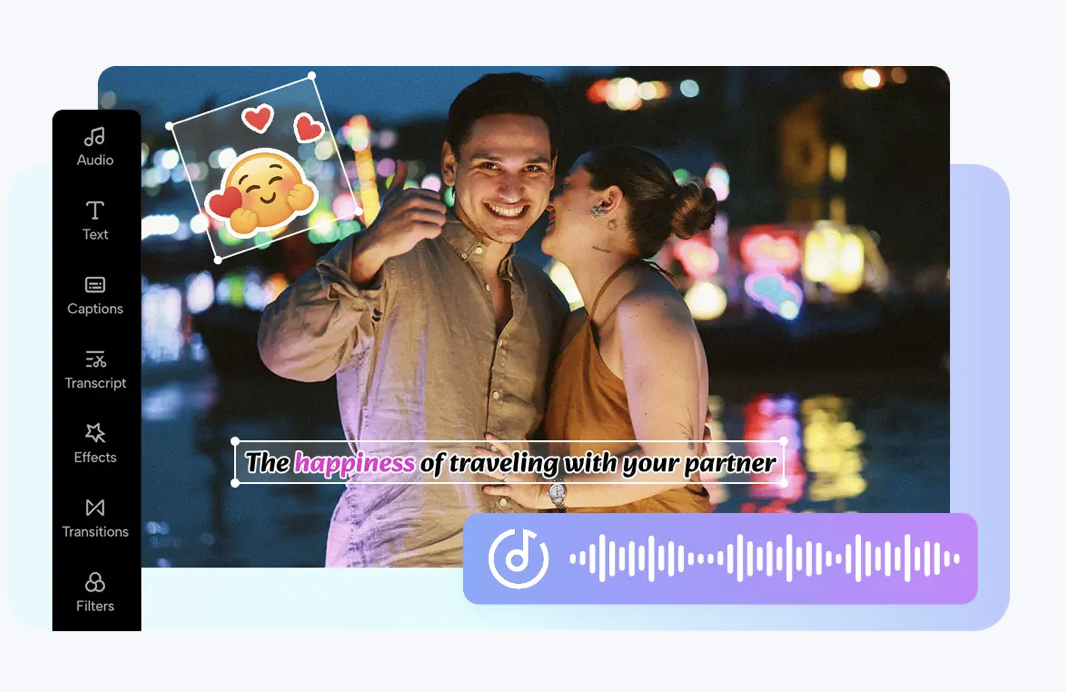
CapCut has evolved far beyond a simple TikTok editor and now sits at the centre of the mobile AI video creation movement. Its AI-powered captions, beat syncing, automatic cut generation and template system make it one of the fastest ways to produce polished short-form content directly from a smartphone. The app’s strength lies in accessibility — creators can move from raw footage to finished social-ready edits in minutes, without sacrificing visual energy or pacing. For mobile creators, influencers and short-form filmmakers, CapCut currently feels almost unavoidable within the AI video ecosystem.
2. Runway
Best AI Cinematic Video Generator
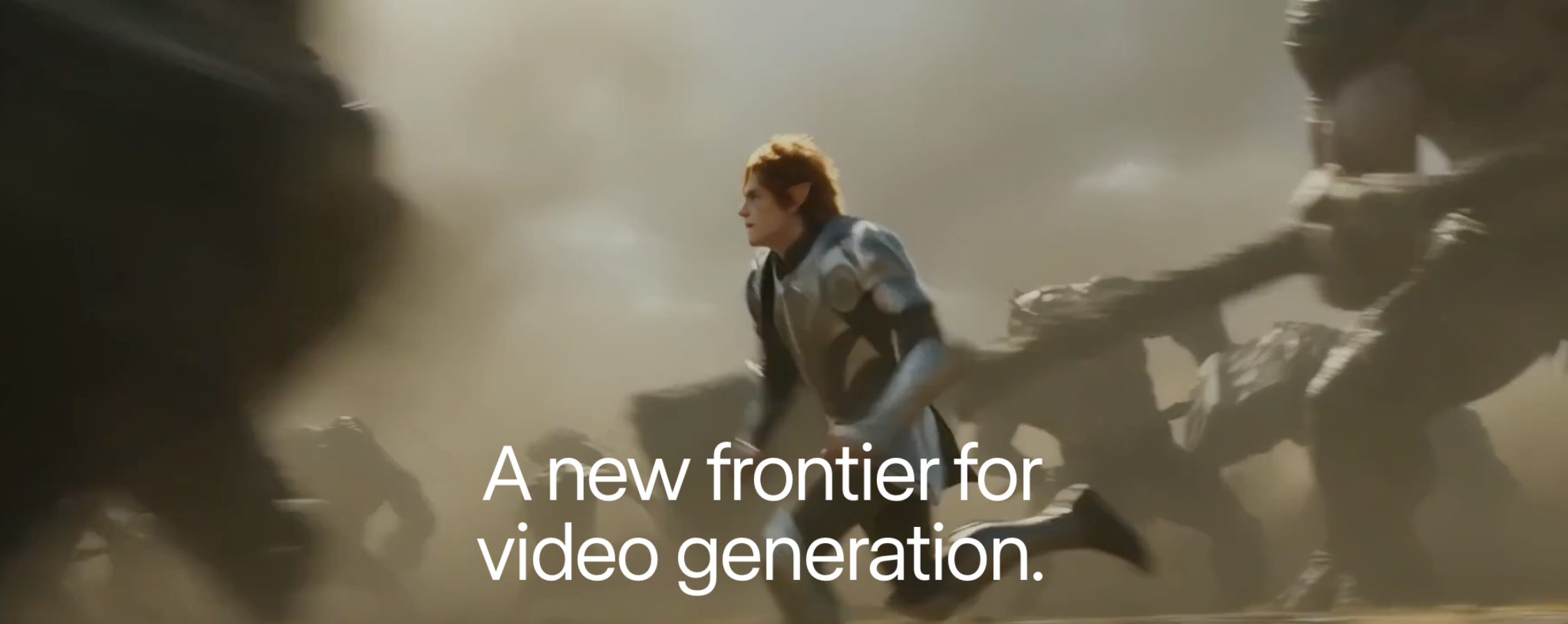
Runway remains one of the most ambitious AI filmmaking platforms available today. Its generative video tools push far beyond filters and automated edits, allowing creators to experiment with cinematic camera movement, text-to-video generation and AI-enhanced visual effects workflows previously associated with professional post-production environments. Gen-4 in particular demonstrates how quickly AI video quality is evolving, especially in cinematic sequences and stylised motion design. While still imperfect with fast movement and realism consistency, Runway feels closest to a true AI filmmaking platform rather than simply an editing app.
3. Luma AI

Best for Cinematic 3D Capture & AI Motion
Luma AI occupies a fascinating position between computational photography and AI filmmaking. Rather than focusing purely on editing, it allows creators to generate immersive 3D scenes, cinematic motion and AI-enhanced visual environments directly from mobile capture workflows. Its Dream Machine platform has become especially important within the creator space because it blends photorealistic motion generation with a surprisingly intuitive workflow. For filmmakers and visual artists wanting something more experimental and visually ambitious than conventional editing apps, Luma AI currently feels one of the most exciting platforms in the space.
4. InVideo AI
Best Text-to-Video Workflow
InVideo AI is particularly strong for creators who want to move rapidly from script or concept into finished video output. The platform automates much of the traditional editing process by generating scenes, visuals, voiceovers and structure from simple prompts. While it may not yet rival high-end cinematic AI tools for realism, it excels at speed and efficiency — particularly for YouTube content, explainers, promotional material and social-first workflows. Its appeal lies in reducing production friction rather than replacing creative direction entirely.
5. Canva AI Video
Best AI Video App for Social Creators
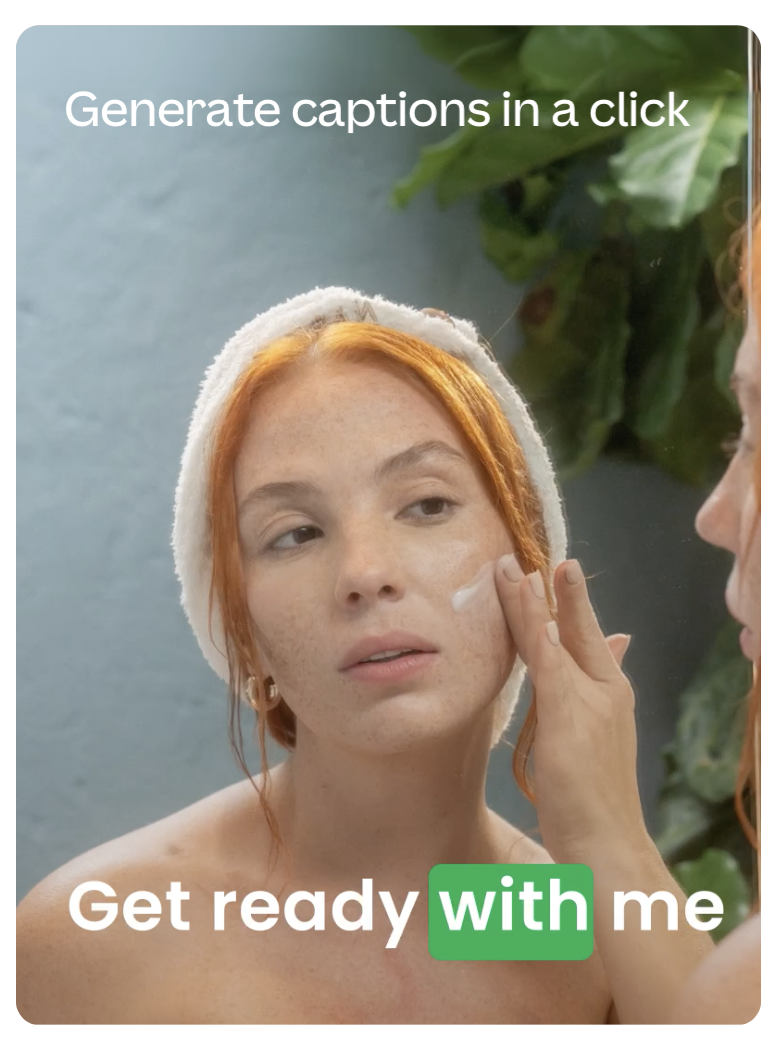
Canva’s transition from design platform into AI-assisted video creation tool has been surprisingly successful. The interface remains approachable and visually clean, but underneath sits a growing collection of AI-assisted editing tools including automatic captions, background removal, animation generation and template-driven video workflows. Canva’s real strength is ecosystem integration — particularly for creators already building social graphics, presentations and brand assets within the platform. For small teams, creators and marketers wanting fast, visually consistent content, Canva AI Video is increasingly difficult to ignore.
6. Adobe Premiere Rush + Adobe Firefly
Best Professional AI Workflow
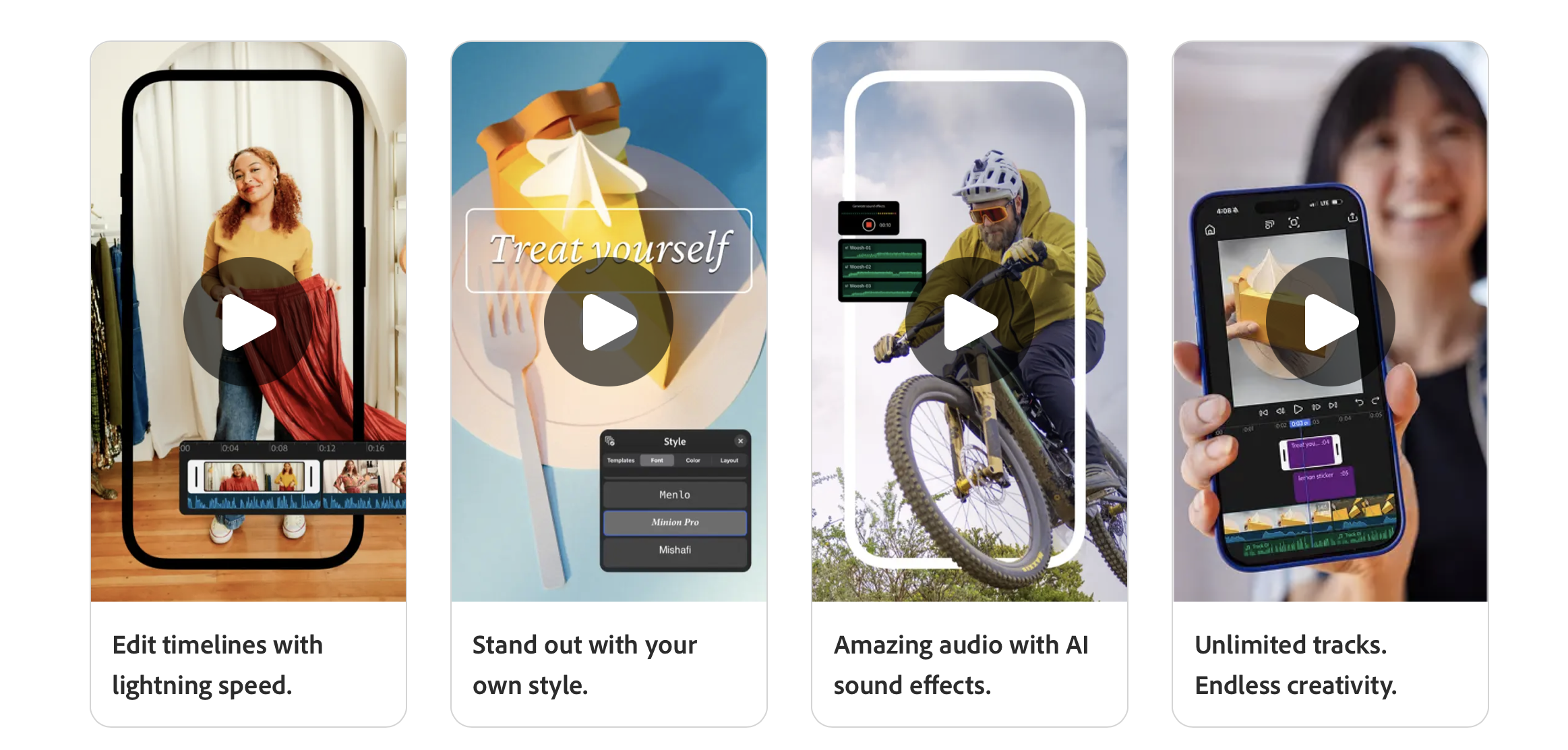
Adobe’s AI ecosystem is steadily reshaping professional editing workflows across both desktop and mobile environments. Premiere Rush brings Adobe’s editing philosophy into a simplified mobile-first workflow, while Firefly introduces increasingly sophisticated generative AI capabilities for imagery and video production. Together they create a bridge between casual mobile editing and professional-grade post-production. Adobe still feels more deliberate and workflow-oriented than many trend-driven AI video apps, but for creators wanting long-term scalability and professional integration, it remains one of the strongest ecosystems available.
7. Descript
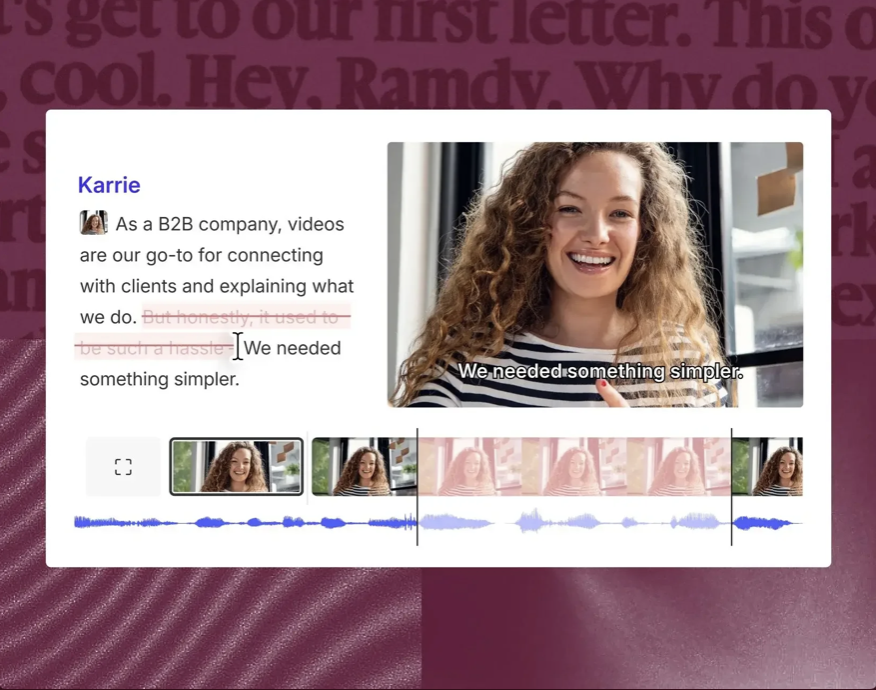
Best AI Voice & Transcript Video Editing
Descript fundamentally changes how editing works by treating video like editable text. Rather than endlessly scrubbing through timelines, creators can cut, restructure and refine video by editing transcripts directly. Its AI voice cleaning, filler-word removal and transcription tools make it especially valuable for podcasts, interviews, tutorials and educational content. The workflow feels radically faster than traditional editing for dialogue-heavy productions, and its simplicity lowers the barrier to professional-looking content creation significantly.
8. Kaiber
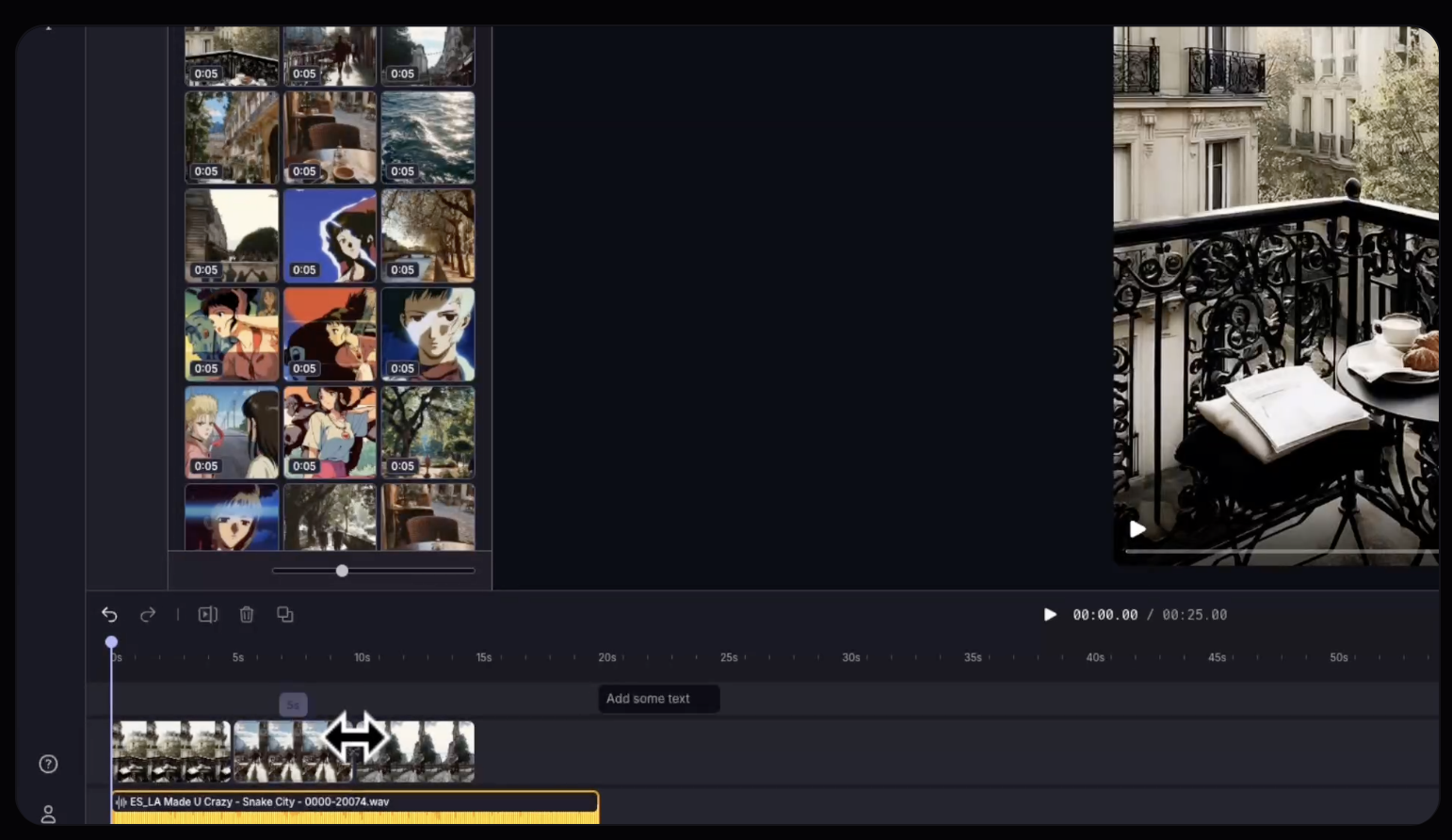
Best for Experimental AI Visuals & Music Videos
Kaiber leans heavily into stylisation, abstraction and AI-driven visual experimentation. It has become especially popular among musicians, visual artists and creators exploring dreamlike or heavily processed aesthetics. Rather than pursuing photorealism, Kaiber embraces AI’s capacity for transformation and visual reinterpretation. The results can feel unpredictable at times, but that unpredictability is also part of its appeal. For creators interested in atmosphere, mood and visual experimentation, Kaiber remains one of the most creatively distinctive AI video tools available.
9. Filmora AI
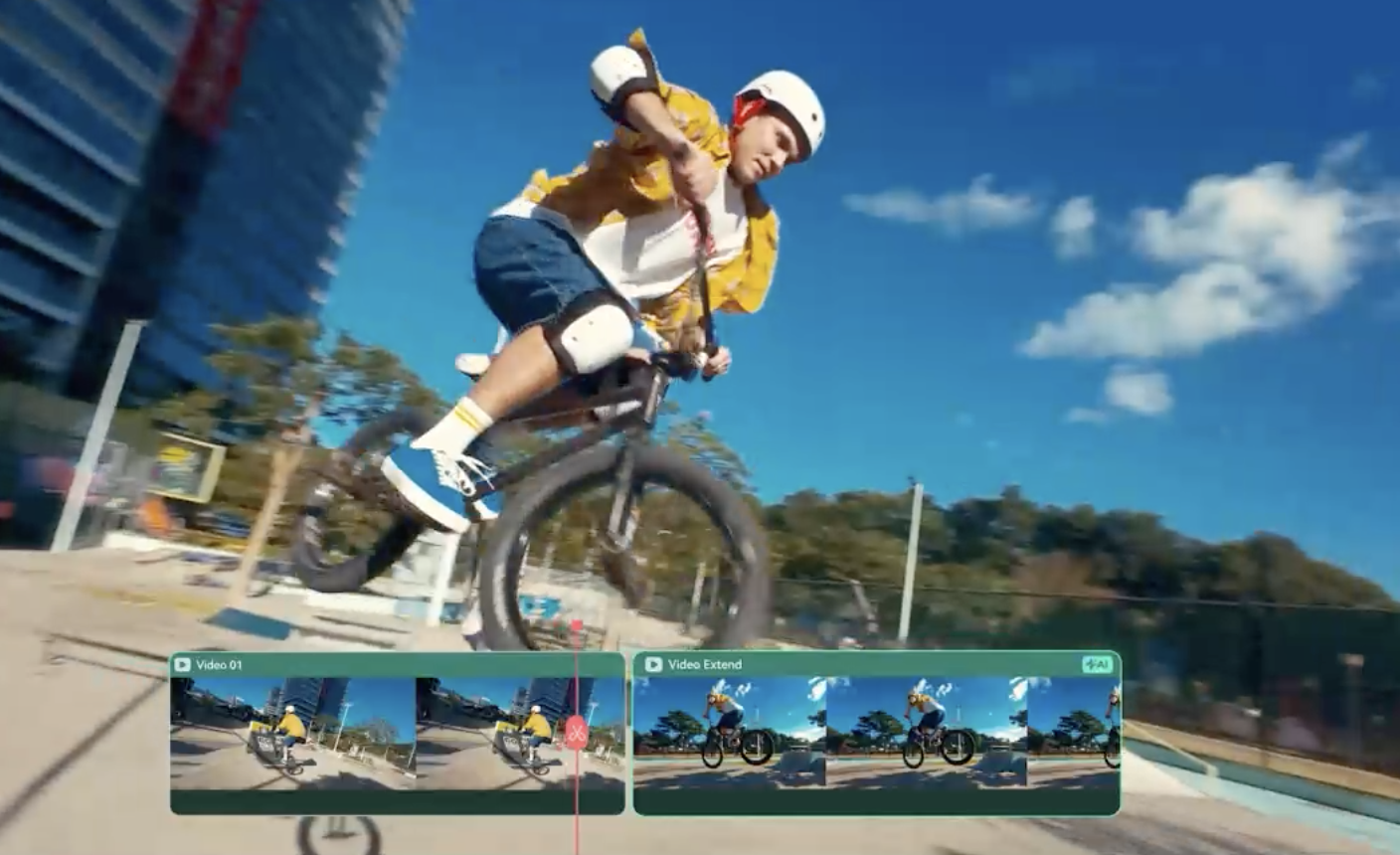
Best Beginner-Friendly AI Video Editor
Filmora continues to position itself between beginner simplicity and advanced editing capability. Its growing AI toolkit includes automatic editing assistance, AI-generated effects, captioning and workflow automation while still retaining a recognisable timeline-based editing environment. Unlike some AI-first platforms, Filmora feels familiar to users transitioning from traditional editing software, making it a useful entry point for creators beginning to explore AI-assisted production without abandoning conventional editing control.
10. Captions
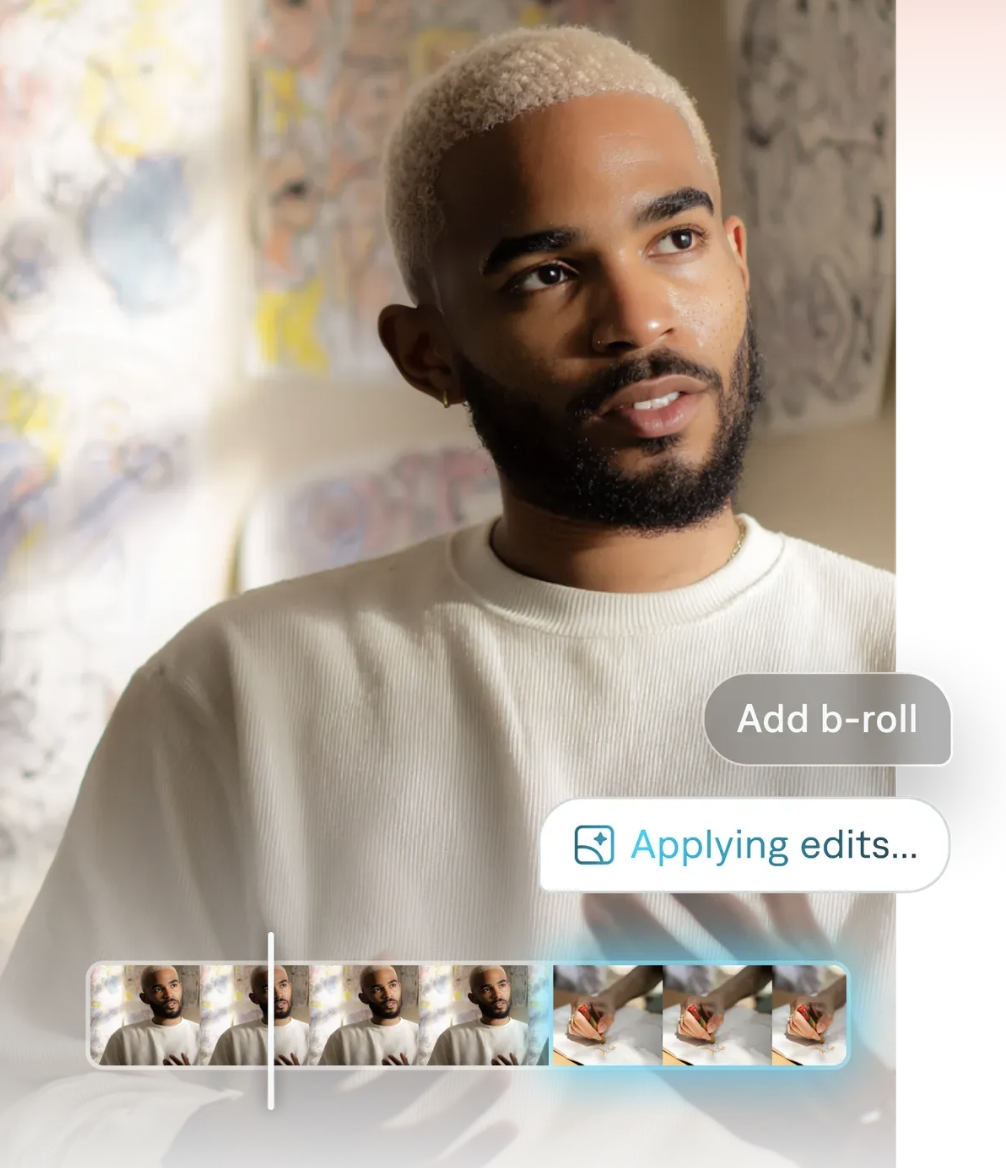
Best AI Talking Videos & Short-Form Content
Captions has become increasingly influential among creators producing short-form talking videos, interviews and creator-led content. Its AI tools focus heavily on speech enhancement, automatic captions, eye-contact correction and social-ready formatting. The platform is clearly optimised for the modern creator economy — especially TikTok, Instagram Reels and YouTube Shorts workflows. For creators wanting rapid turnaround social video production with minimal editing friction, Captions is one of the strongest AI-native mobile-first tools currently available.
| App | Best For |
|---|---|
| CapCut | Overall AI video editing |
| Runway | Cinematic AI filmmaking |
| Luma AI | AI 3D capture & motion |
| InVideo AI | Text-to-video workflows |
| Canva AI Video | Social media creators |
| Premiere Rush + Firefly | Professional AI workflows |
| Descript | AI voice & transcript editing |
| Kaiber | Experimental AI visuals |
| Filmora AI | Beginner-friendly AI editing |
| Captions | Talking videos & Shorts |
Conclusion
AI video generation is no longer sitting at the edges of mobile creativity — it is rapidly becoming central to how contemporary visual content is produced, edited and distributed. What is particularly striking is not simply the speed of technological advancement, but the way these tools are beginning to reshape creative workflows themselves. Tasks that once required multiple applications, powerful desktop hardware and complex post-production knowledge can now often be achieved directly from a smartphone within minutes.
At the same time, the rise of AI-assisted video creation raises important questions around authorship, aesthetics and visual culture. Many of these platforms are designed around speed, automation and algorithmic optimisation, yet the most compelling work still tends to emerge when creators use AI as an extension of their own visual language rather than as a replacement for it. The strongest apps are therefore not necessarily those that automate the most, but those that successfully balance computational power with creative flexibility.
What becomes clear across all of these platforms is that mobile devices are evolving far beyond their origins as simple capture tools. Increasingly, they are becoming complete production environments capable of filmmaking, motion design, AI-assisted editing and synthetic media generation within a single ecosystem. For creators already working within mobile photography and smartphone filmmaking, this represents a profound shift in both accessibility and creative possibility.
As AI video tools continue to evolve throughout 2026 and beyond, the distinction between mobile creator, filmmaker, designer and editor will likely become increasingly fluid. Whether that future ultimately leads towards greater creative democratisation or a more homogenised algorithmic visual culture remains open to debate. What is certain, however, is that AI-powered mobile video creation is no longer emerging technology — it is already reshaping the visual landscape in real time.
Please support us
The AppWhisperer has always had a dual mission: to promote the most talented mobile artists of the day and to support ambitious, interested viewers worldwide. As the years pass, TheAppWhisperer has gained readers and viewers and has found new venues for that exchange.
All this work thrives with the support of our community. Your support helps us maintain our independence, allowing us to continue delivering open, global promotion of mobile artists. Every contribution, however big or small, is valuable for our future.

Joanne Carter
Joanne Carter is a British photographer, photography journalist, editor and curator and the founder and editorial director of TheAppWhisperer.com, an independent international photography publication established in 2009.Her journalism, criticism and commentary have appeared in The Times, The Sunday Times, The Guardian, Financial Times, BBC, Vogue Italia, LensCulture, Popular Photography, Android Magazine, NikonPro, DPReview, Which Digital Camera and Which Camera. She has lectured internationally on photography and mobile art, served as a juror for international photography awards, and exhibited her own photographic work across the UK, Europe, South Korea and the United States.Alongside her editorial work, Joanne's photographic and postgraduate research explores death, grief, memory, representation and social inequality through contemporary photography, participatory practice and visual research methods, with the longer-term aim of developing this work through doctoral research.Through TheAppWhisperer, she continues to publish independent photography journalism spanning contemporary photographic practice, mobile imaging, photographic apps, computational photography and emerging imaging technologies.Joanne is available for editorial commissions, photography projects, judging, curatorial work, speaking engagements, consultancy and selected collaborations.