Best AI Headshot & Portrait Apps for iPhone & Android in 2026
Introduction
Artificial intelligence is rapidly transforming portrait photography, reshaping not only how images are edited but also how they are generated altogether. What once required professional lighting, expensive cameras, and complex retouching workflows can now often be achieved directly from a smartphone, using AI-assisted portrait systems that generate remarkably polished headshots within minutes.
The rise of AI headshot apps reflects a broader shift in contemporary visual culture. Portraiture is no longer confined solely to traditional photographic capture; instead, it now exists somewhere between photography, computational imaging, synthetic media and algorithmically generated identity. For creators, professionals, influencers, and businesses alike, AI portrait tools have become increasingly important in online branding, LinkedIn presentations, creator marketing, and digital self-representation.
Some apps focus heavily on realism, aiming to reproduce the aesthetics of professional studio portraiture with carefully simulated lighting, skin rendering and depth separation. Others lean towards stylisation, cinematic grading and avatar creation, blurring the boundary between photography and digital illustration. Increasingly, many combine both approaches within highly accessible mobile-first workflows.
At the same time, these tools raise broader questions around authenticity, authorship and the evolving nature of photographic representation itself. Yet regardless of one’s philosophical stance, AI-assisted portrait generation is rapidly becoming part of the mainstream creator ecosystem.
In this guide, we explore the best AI headshot and portrait apps currently available for iPhone and Android in 2026 — from realistic professional headshot generators through to cinematic AI portrait systems and stylised avatar creation platforms redefining mobile portraiture itself.
Why We Chose These Apps
Selecting the best AI headshot and portrait apps in 2026 involves much more than simply choosing platforms with the most aggressive AI marketing or the most filters. For this guide, we focused on a combination of image quality, realism, creative flexibility, workflow integration, accessibility and the broader cultural significance each platform currently holds within mobile photography and creator culture.
Particular attention was given to how convincingly each app handled facial rendering, lighting simulation, depth separation and overall photographic coherence. Many AI portrait systems can initially appear impressive at a small scale, yet break down under closer examination, revealing inconsistent facial structures, unnatural textures, or excessive synthetic smoothing. The strongest apps were those that balanced enhancement with believable photographic integrity.
We also considered the diversity of workflows each platform supports. Some users require highly polished, professional LinkedIn headshots, while others are looking for stylised, cinematic portraiture, avatar creation, or experimental visual identities for social media and creator branding. Rather than privileging a single aesthetic approach, this guide attempts to reflect the increasingly broad spectrum of AI-assisted portrait creation now emerging across mobile platforms.
Ease of use was another important factor. One of the defining characteristics of the current AI imaging landscape is accessibility. Tools that previously required complex retouching skills or expensive desktop workflows are now available directly on smartphones. The apps selected here generally reduce technical barriers while still allowing sufficient creative flexibility to avoid overly generic results.
At the same time, we were particularly interested in apps contributing something distinctive to the evolving language of computational portrait photography. Some platforms focus on realism and studio simulation, while others lean more heavily into painterly aesthetics, cinematic grading or synthetic visual experimentation. Together, they reflect the increasingly fluid relationship between photography, AI image generation and digital self-representation.
Finally, we considered the broader influence these platforms currently exert on mobile visual culture. Several of the apps featured here have significantly shaped trends in creator aesthetics, social portraiture and AI-generated identity across Instagram, TikTok, LinkedIn and wider online visual ecosystems. In many ways, these apps are no longer merely editing tools — they are becoming active participants in the production and circulation of contemporary photographic culture.
1. Remini
Best Overall AI Headshot App
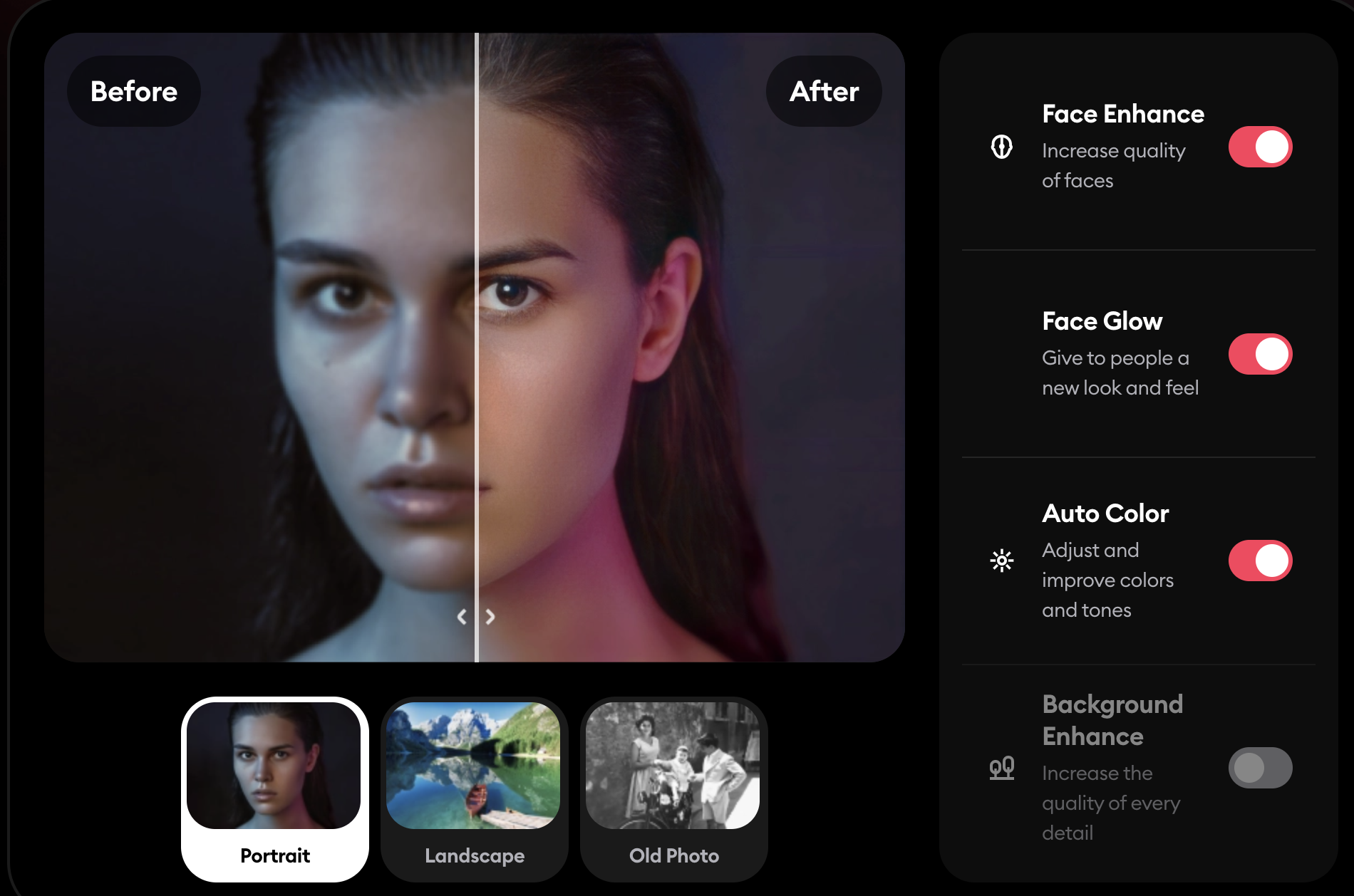
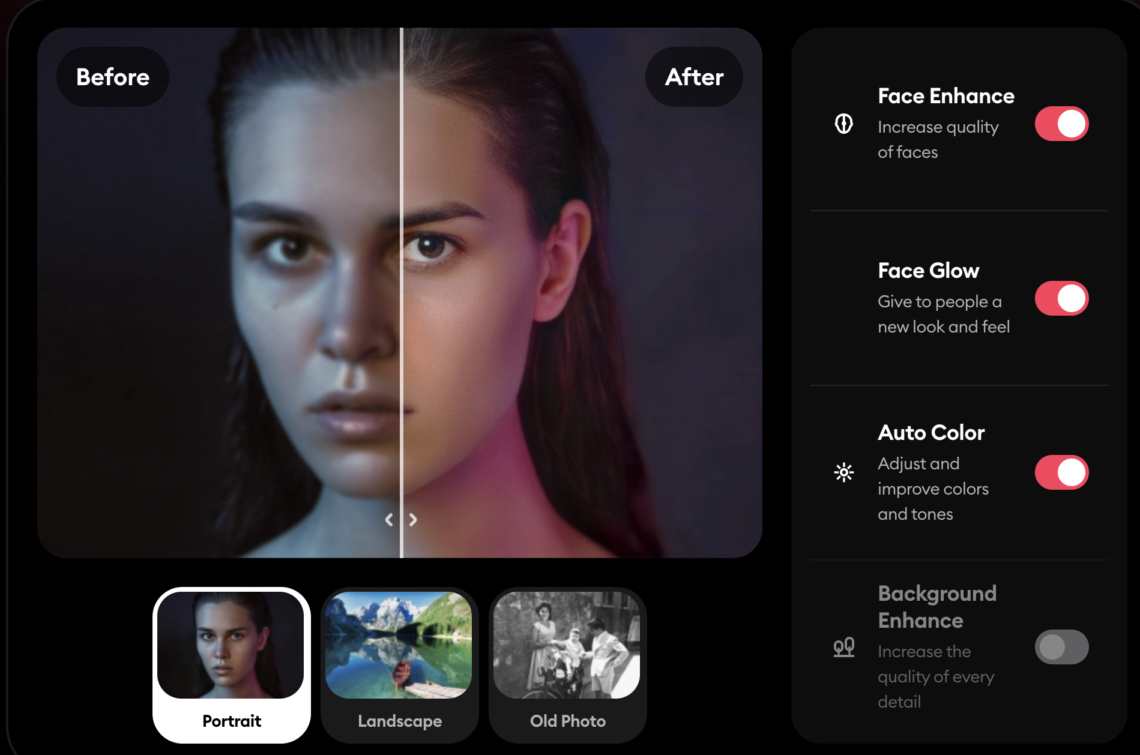
Remini has evolved far beyond its original image-restoration roots and now stands among the most recognisable AI portrait-enhancement platforms on mobile. Its AI-generated headshots and portrait refinements focus heavily on realism, skin rendering and facial detail reconstruction, often producing images that resemble studio-lit portraits rather than conventional smartphone captures. While some results can occasionally drift towards over-processing, Remini remains one of the strongest mainstream AI portrait tools for creators wanting polished, professional-looking results quickly and with minimal technical intervention.
2. Canva AI Headshots
Best for Professional LinkedIn Portraits
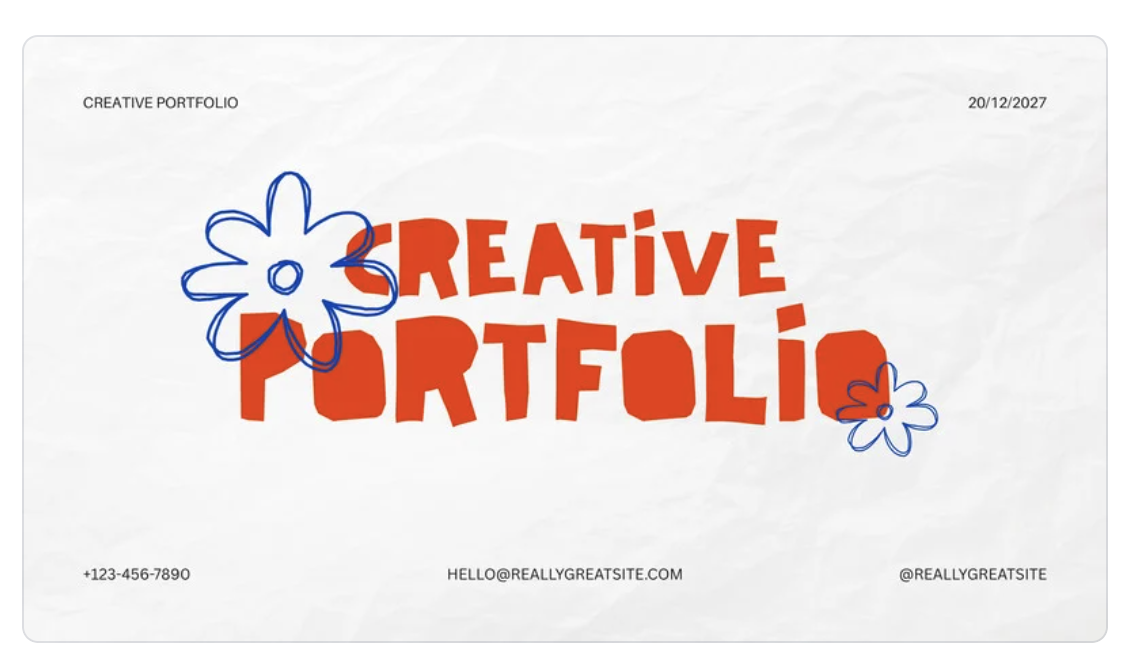
Canva’s AI headshot system integrates seamlessly into its broader creator ecosystem, making it especially useful for professionals, freelancers, and businesses seeking consistent visual branding across presentations, social media, and online portfolios. Its strength lies less in experimental AI aesthetics and more in clean, accessible workflow integration. For users already embedded within Canva’s wider design platform, the transition from AI portrait generation to full content production feels remarkably seamless.
3. Lensa
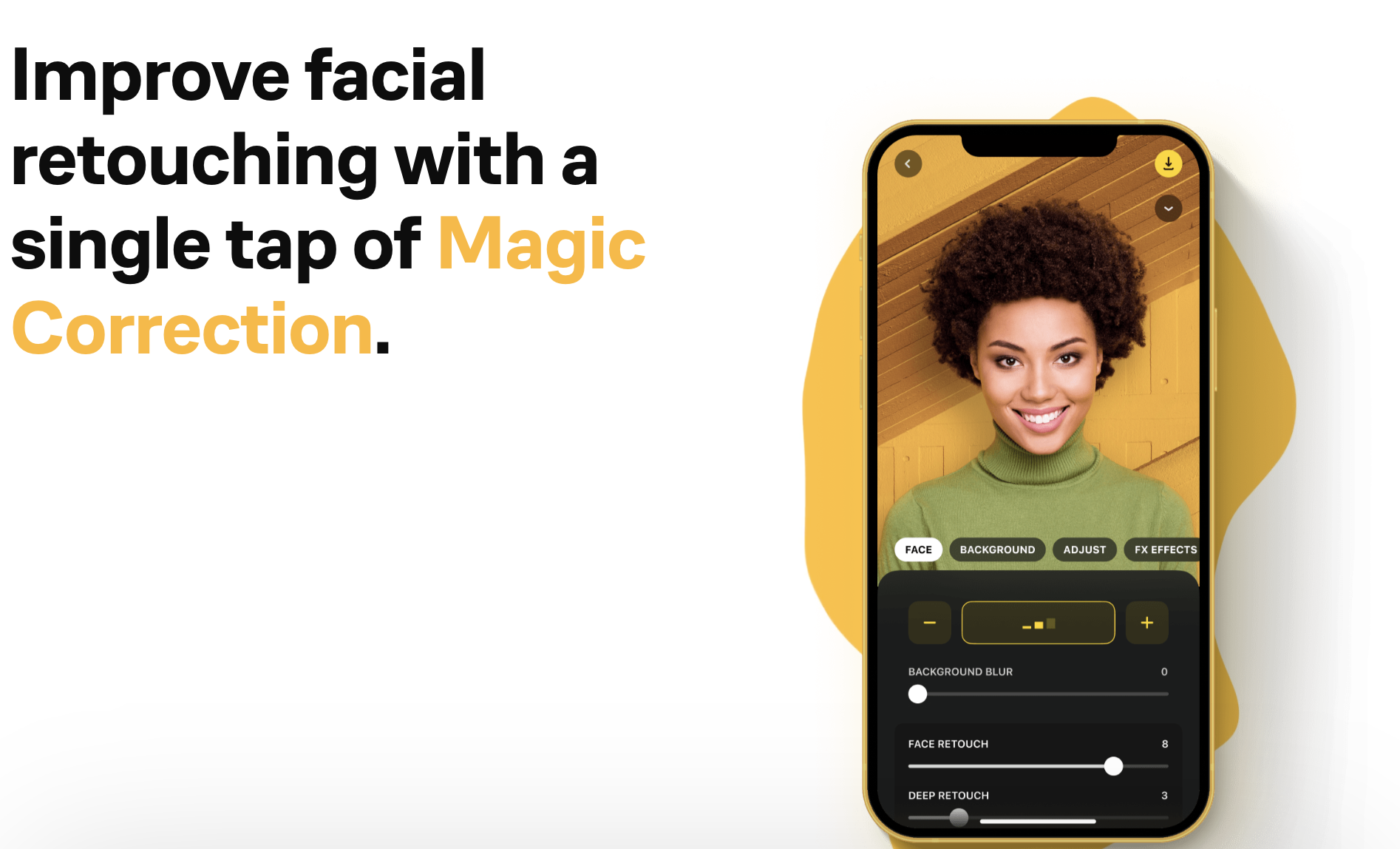
Best AI Portrait Styling App
Lensa played a major role in pushing AI-generated portraiture into mainstream mobile culture. Its Magic Avatars and stylised AI portrait systems remain visually distinctive, blending photographic source material with painterly, cinematic and digitally enhanced aesthetics. While debates over AI training data continue to affect many platforms in this space, Lensa undeniably helped establish AI portrait generation as a major cultural and commercial phenomenon in smartphone photography.
4. Fotor AI Headshot Generator
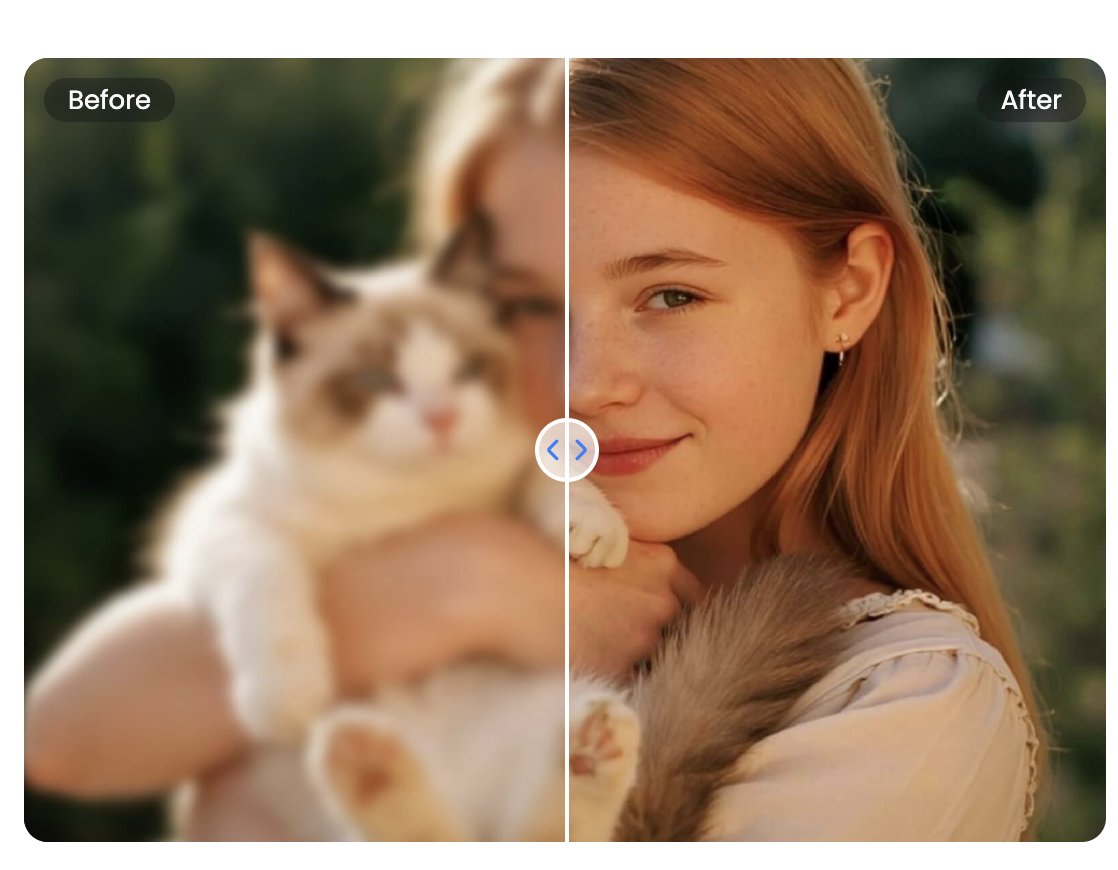
Best for Fast Professional Portraits
Fotor’s AI headshot tools focus on speed, simplicity and accessibility. Users can generate polished business-style portraits without needing advanced editing knowledge or expensive studio setups. The platform is particularly effective for LinkedIn profiles, corporate identity work and online creator branding. While less experimental than some AI-first platforms, it is reliable and easy to use, making it appealing to users prioritising practicality over stylistic experimentation.
5. PhotoDirector
Best AI Portrait Editing Workflow
PhotoDirector combines AI portrait generation with traditional photographic editing tools, creating a hybrid workflow that is particularly useful for photographers seeking greater control over the final image. Alongside AI avatars and portrait enhancements, the app also includes sophisticated retouching, background replacement and cinematic grading tools. This balance between automation and manual adjustment gives it broader creative flexibility than many purely AI-driven portrait apps.
6. Facetune
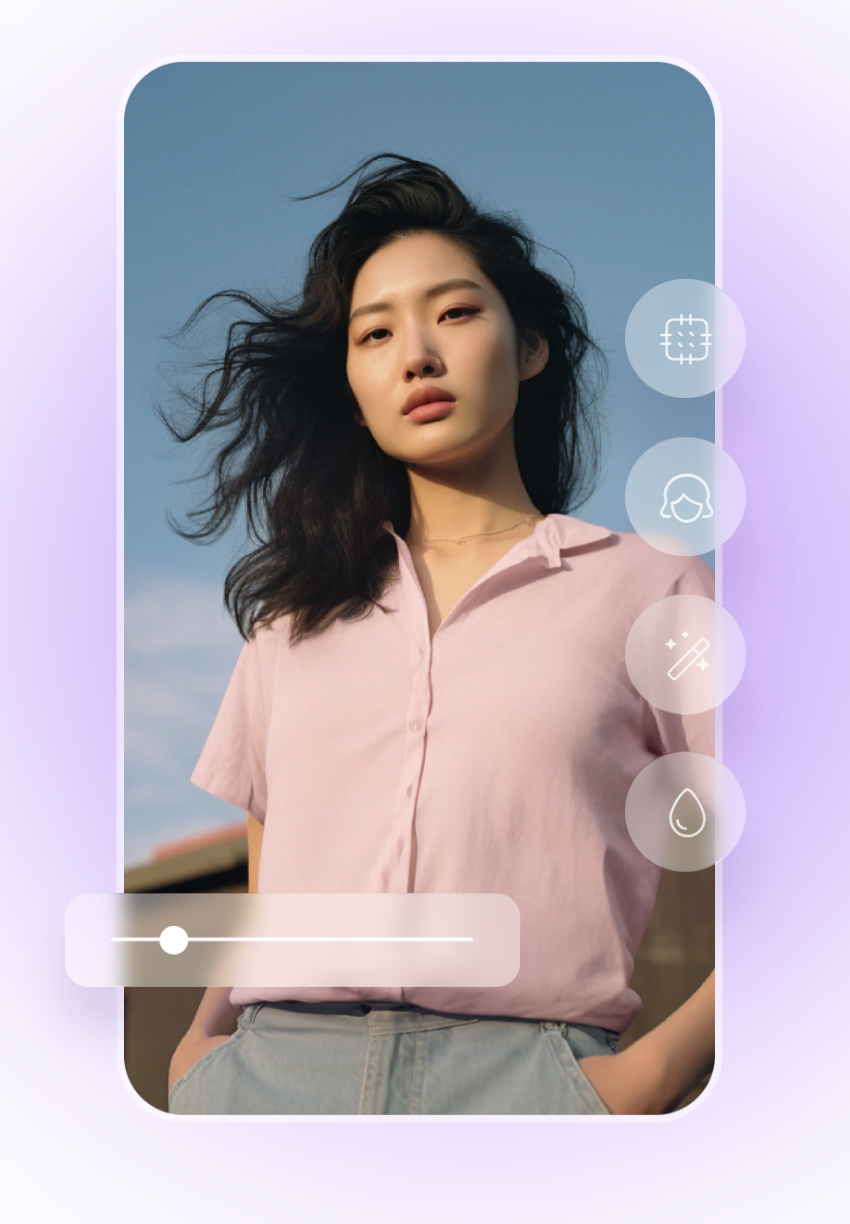
Best Social Portrait Enhancement App
Facetune remains deeply embedded in influencer culture and social-first portrait-editing workflows. Although often associated with beauty retouching, AI now extends to automated portrait enhancement, skin rendering, relighting, and facial refinement. The app’s influence on contemporary visual culture is difficult to overstate, particularly regarding the aesthetics of social media portraiture and digitally optimised self-presentation.
7. YouCam Perfect
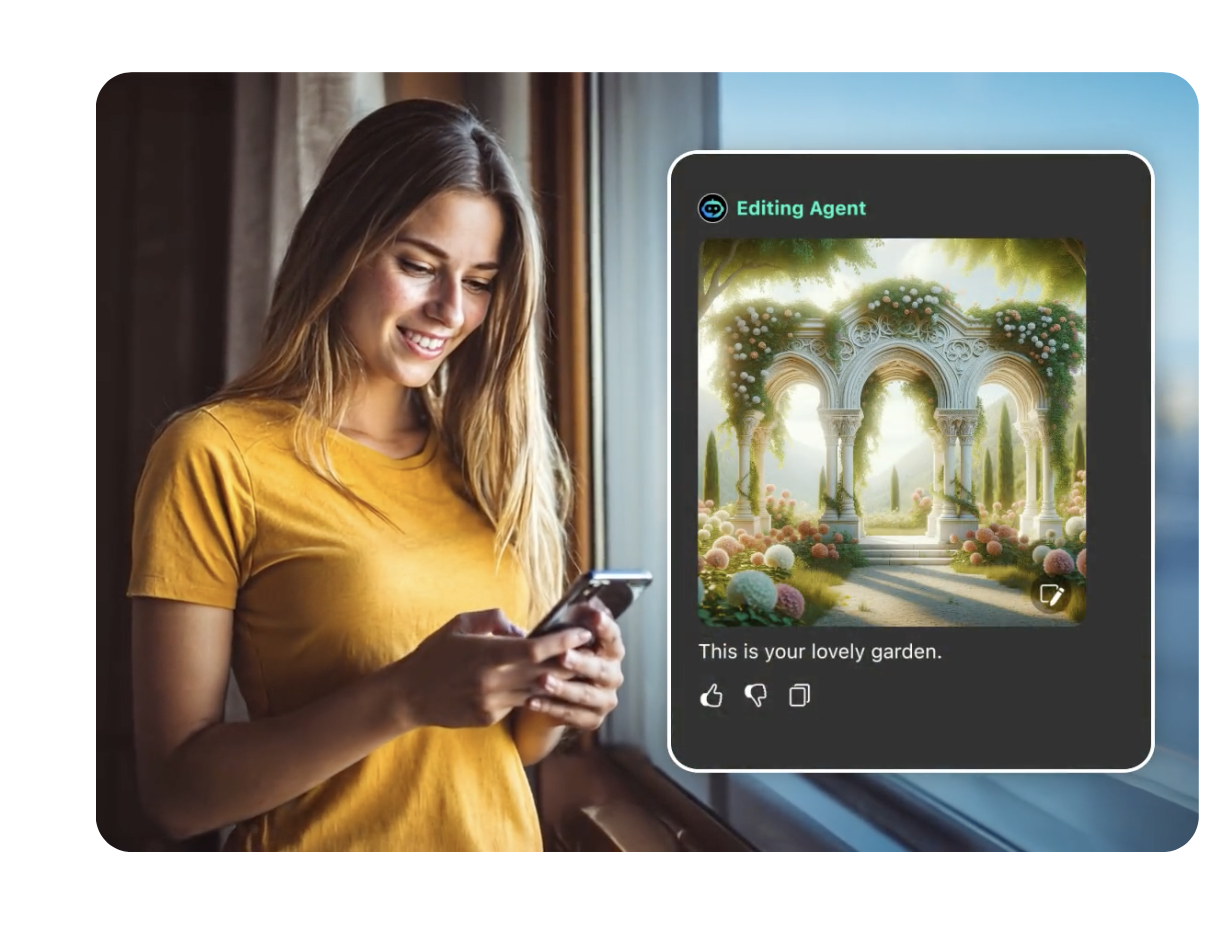
Best AI Beauty & Portrait App
YouCam Perfect combines AI beauty tools, portrait editing and avatar-style generation within a highly accessible mobile workflow. The app leans strongly towards cosmetic enhancement and social portrait refinement, but its AI segmentation, relighting and facial processing systems are increasingly sophisticated. For creators focused primarily on social-facing portrait imagery, it remains one of the most feature-rich mobile platforms available.
8. PortraitAI
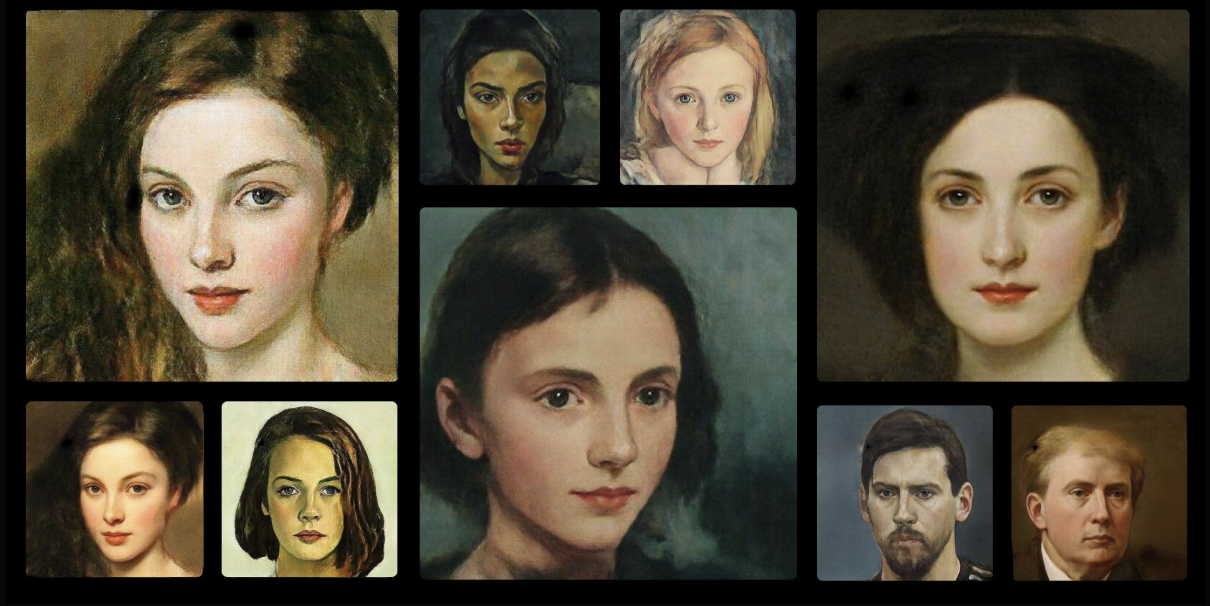
Best Stylised AI Portrait Generator
PortraitAI takes a more overtly artistic approach, transforming portraits into stylised painterly or historically influenced renderings. Rather than aiming for strict realism, it explores the intersection between portrait photography, digital illustration and generative art. The results can feel theatrical, surreal and occasionally uncanny — which is precisely part of the app’s appeal.
Conclusion
AI portrait generation sits at a fascinating intersection between photography, identity, computational imaging and synthetic media. These apps are not simply editing tools; increasingly, they are systems capable of constructing entirely new forms of visual self-representation. For some users, they offer convenience and accessibility. For others, they raise deeper questions surrounding authenticity, realism and the future of portrait photography itself.
What remains undeniable, however, is that AI-assisted portraiture is becoming deeply integrated into contemporary mobile visual culture. From LinkedIn headshots and creator branding through to cinematic avatars and stylised AI identities, these tools are rapidly reshaping the language of portrait photography across both personal and professional contexts.
As smartphone imaging continues to evolve throughout 2026 and beyond, the distinction between a captured image, an edited photograph, and a fully synthetic portrait will likely become increasingly fluid. Whether viewed as creative liberation or technological disruption, AI portrait generation is now firmly embedded within the future of mobile photography.
You may also enjoy our curated guides exploring the tools, techniques and creative approaches shaping contemporary mobile photography and digital art.
Popular starting points include:
Best AI Headshot & Portrait Apps for iPhone & Android in 2026
Best Film Camera Apps for iPhone and Android in 2026
Best Apps for Colourising Black and White Photos (2026)
Best AI Video Generator Apps for iPhone & Android in 2026
Best Apps to Remove Objects from Photos in 2026 – Clean Up Your Images Effortlessly
Best Free Android Photography Apps (No Subscription) in 2026
Best AI Photo Editing Apps in 2026
Best Android Photography Apps – 2026 Edition
Best Manual Camera Apps for Android (2026) – DSLR Control on Your Phone
Best Mobile Photography Apps (2026 Edition)
Best long-exposure eApps for iPhone 2026 edition
Best Camera Apps to Reduce iPhone Processing (2026)
• Best Camera Apps to Reduce iPhone Processing (2026 Edition)
• Best Mobile Filmmaking Apps (2026 Edition)
Best Way To Create More Dynamic Travel Photos with Lightroom on Mobile
• Best Black and White Photography Apps for iPhone (2026 Edition)
• Best Portfolio Apps and Websites for Photographers (2026 Edition)
• Blackmagic Camera Settings Guide
• Best way to use Blackmagic’s camera remote control (2026)
• Snapseed vs Lightroom Mobile
• Best iPhone Camera Apps for Photographers
• 10 Apps Secretly Draining Your Phone’s Battery – 2026 Edition
Please support us
The AppWhisperer has always had a dual mission: to promote the most talented mobile artists of the day and to support ambitious, interested viewers worldwide. As the years pass, TheAppWhisperer has gained readers and viewers and has found new venues for that exchange.
All this work thrives with the support of our community. Your support helps us maintain our independence, allowing us to continue delivering open, global promotion of mobile artists. Every contribution, however big or small, is valuable for our future.

Joanne Carter
Joanne Carter is a British photography journalist, editor, curator, and the founder of *TheAppWhisperer.com*, one of the world’s leading platforms dedicated to mobile photography and art. Since its launch in 2009, TheAppWhisperer has become an international hub for artists of all levels to discover, learn, exhibit, and engage with contemporary photographic practice.Built on principles of inclusivity, accessibility, and artistic excellence, Joanne has spent almost two decades championing mobile photography as a serious artistic medium. Through interviews, critical essays, exhibitions, competitions, and education, she has helped shape and document the evolution of mobile art on a global scale.Her work has taken her internationally, lecturing on photography and mobile art at institutions and events including the Museum of Art in Seoul, South Korea, alongside appearances in the UK and Europe. She has served as a juror for international photography and mobile art awards across Portugal, Canada, the United States, South Korea, Italy, and the UK.Joanne is also the founder of *TheAppWhispererPrintSales.com*, one of the first online galleries dedicated exclusively to collectible mobile art, connecting artists with collectors across Europe, the United States, and Asia.Before founding TheAppWhisperer, Joanne worked extensively in print journalism and photographic publishing, including roles at a paparazzi photo agency and as deputy editor of a leading photography magazine. Her freelance journalism, criticism, and commentary have been published widely in both the UK and the US, with bylines in *The Times*, *The Sunday Times*, *The Guardian*, *Popular Photography*, *NikonPro*, *DPReview*, *Which?*, *Vogue Italia*, *LensCulture*, the *BBC*, and more recently, the *Financial Times*, where her published letters on photography continue to contribute to wider conversations around the medium.Alongside her editorial and curatorial work, Joanne’s own photographic practice has been exhibited internationally across the UK, Europe, South Korea, and the United States. Her work increasingly explores themes of grief, loss, death, memory, and the body.Her current research interests centre on grief, death, and poverty, with forthcoming postgraduate study leading towards doctoral research in these areas.Joanne is currently developing new long-form writing and photographic projects and is available for commissions, editorial projects, speaking engagements, and collaborations.Contact: joannetheappwhisperer@gmail.com)