Halide Mark III and Why Photographers Still Need to Make Decisions
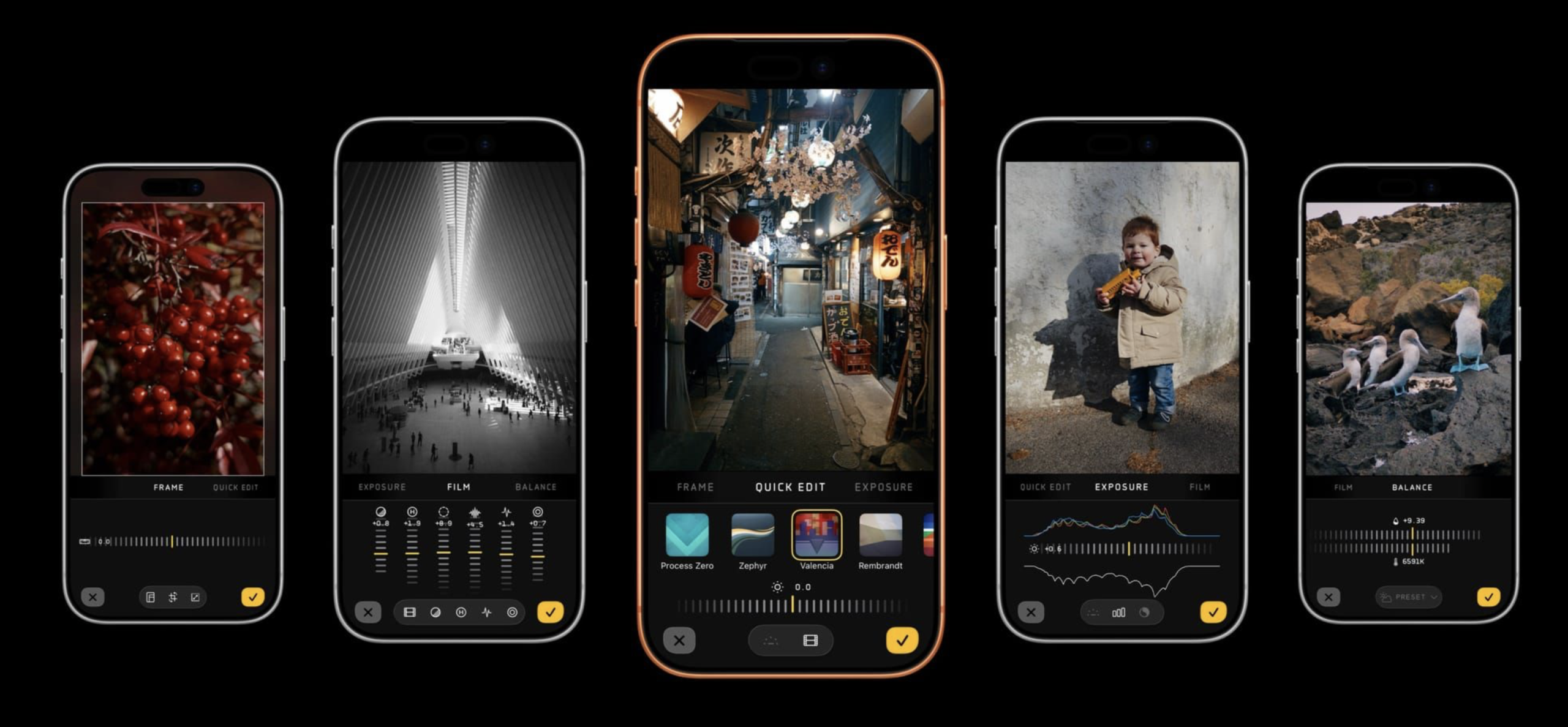
I’ve been writing about mobile photography for almost two decades, and if I’m honest, I thought I’d seen most of it by now. Every year brings another camera app promising to turn the iPhone into something it isn’t. There are always more controls, more presets, more editing tools, and increasingly, more artificial intelligence. And Halide Mark III made me pause for a different reason.
It wasn’t the new editing tools or the collection of Looks that caught my attention. It wasn’t even the promise of producing better photographs. What stayed with me after reading about the update was the sense that Lux is trying to have a conversation about photography itself rather than simply selling another camera app. That feels increasingly rare.
Over the past year I’ve spoken with numerous photographers and mobile artists for TheAppWhisperer about artificial intelligence and its growing influence on image-making. The responses have varied enormously. Some have embraced AI as another creative tool. Others remain deeply sceptical. Yet a common thread appears repeatedly. Many photographers are less concerned with technology itself and more with what happens when creative decisions slowly shift away from the photographer.
Smartphone photography has reached an extraordinary stage of development. Images are sharper than ever. Dynamic range is remarkable. Noise is reduced almost instantly. Skies are recovered, shadows lifted, and colours optimised before most of us have even looked at the photograph. Technically, this is impressive. Yet I sometimes find myself looking at these perfectly processed images and wondering where the photographer sits within the process.
During my photography degree, I spent a great deal of time thinking about the relationship between photographs and reality. Not because I was interested in technical perfection, but because photography has always occupied an unusual space between observation and interpretation. Every photograph records something that stood in front of the lens, but it is also shaped by the decisions of the person holding the camera. Where to stand. When to press the shutter. What to include. What to leave out. Photography has never been objective. It has always been an act of selection.
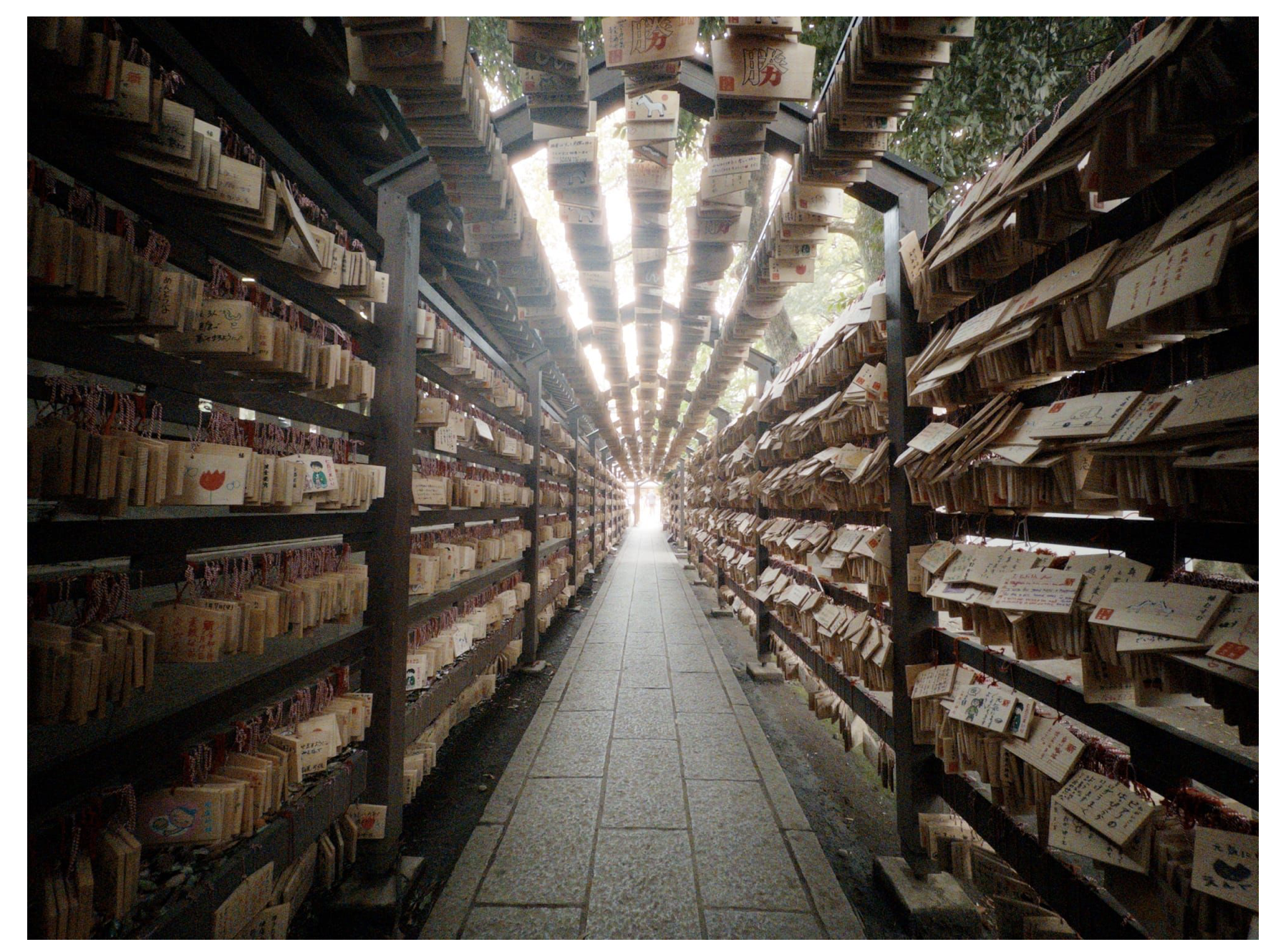
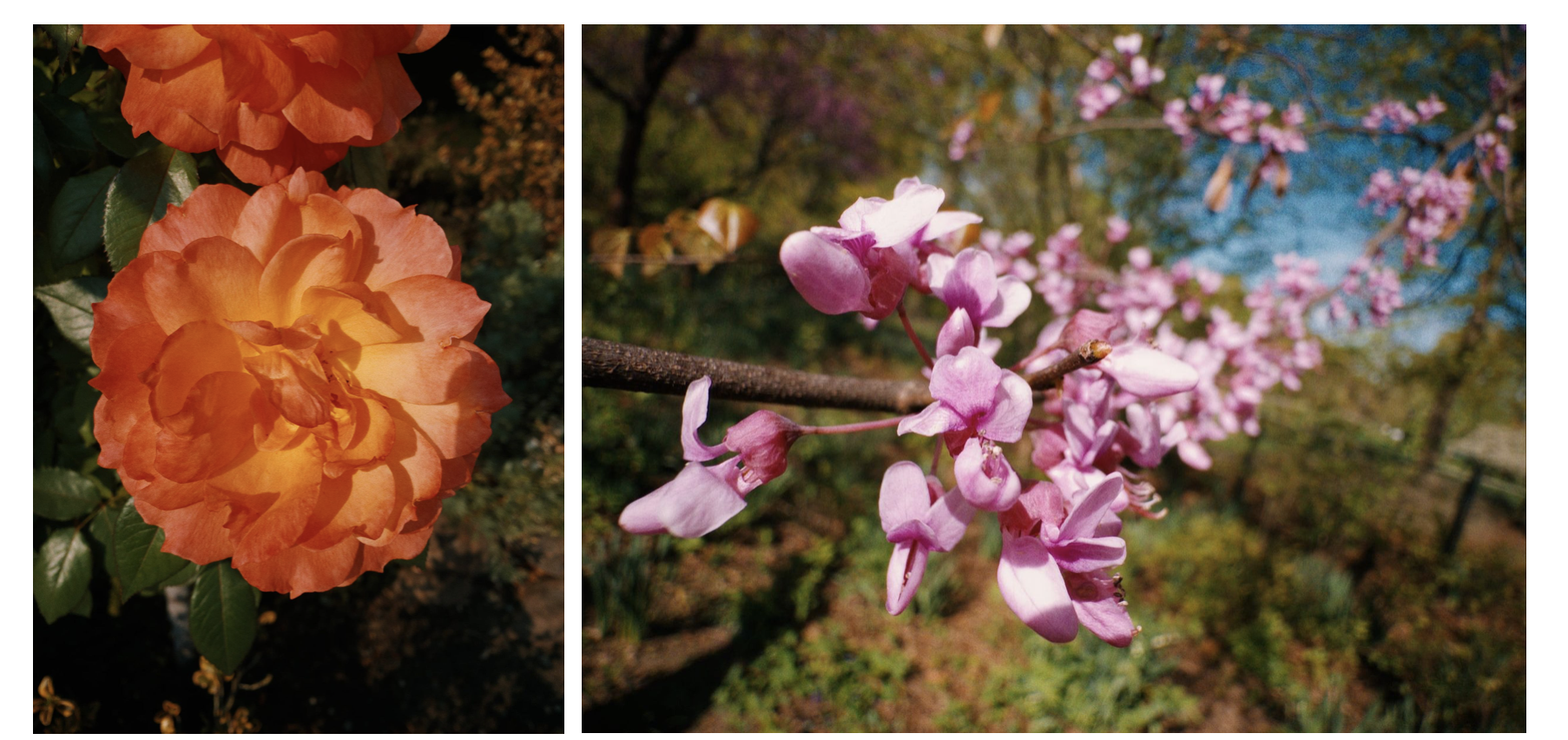
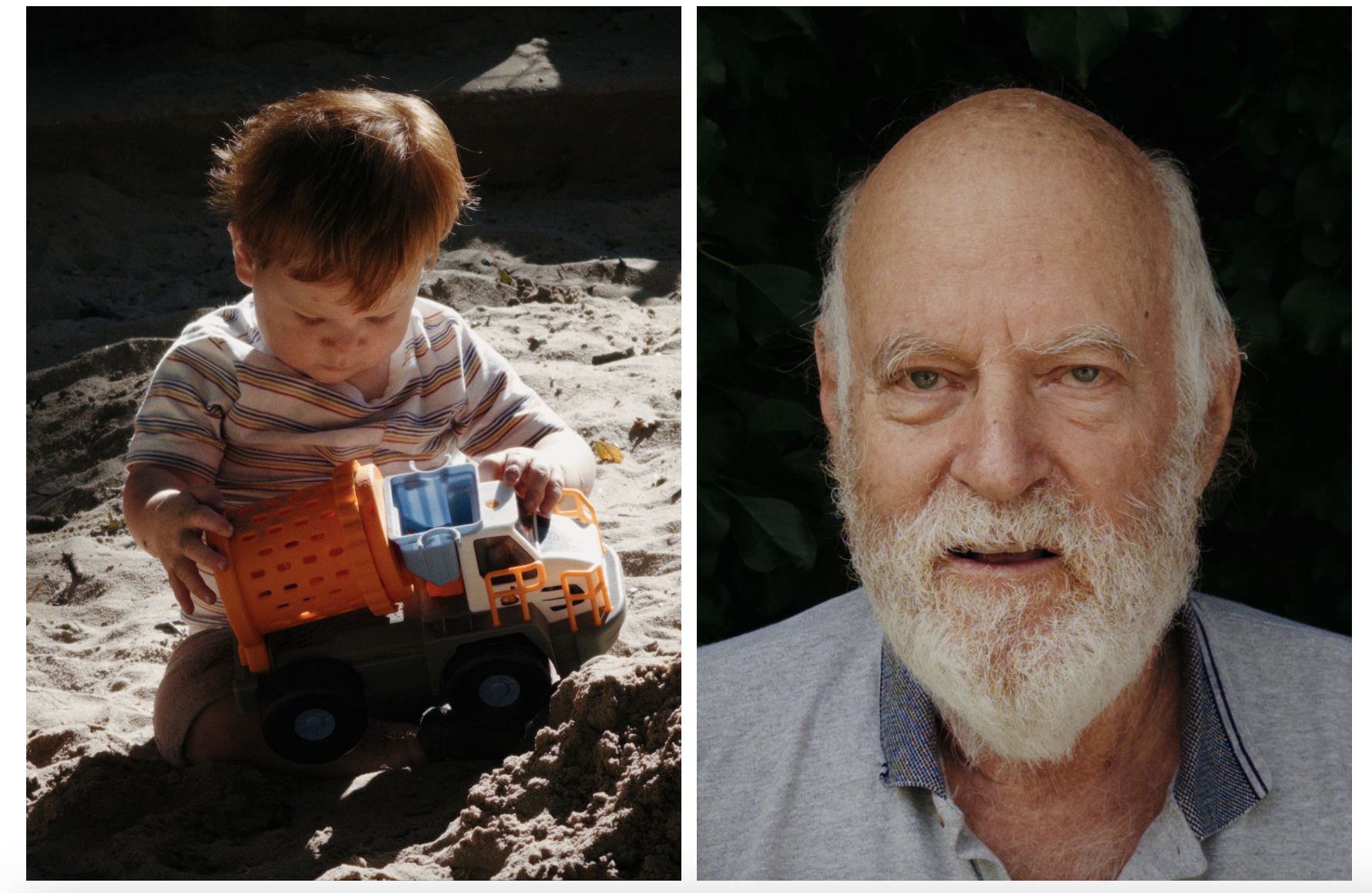
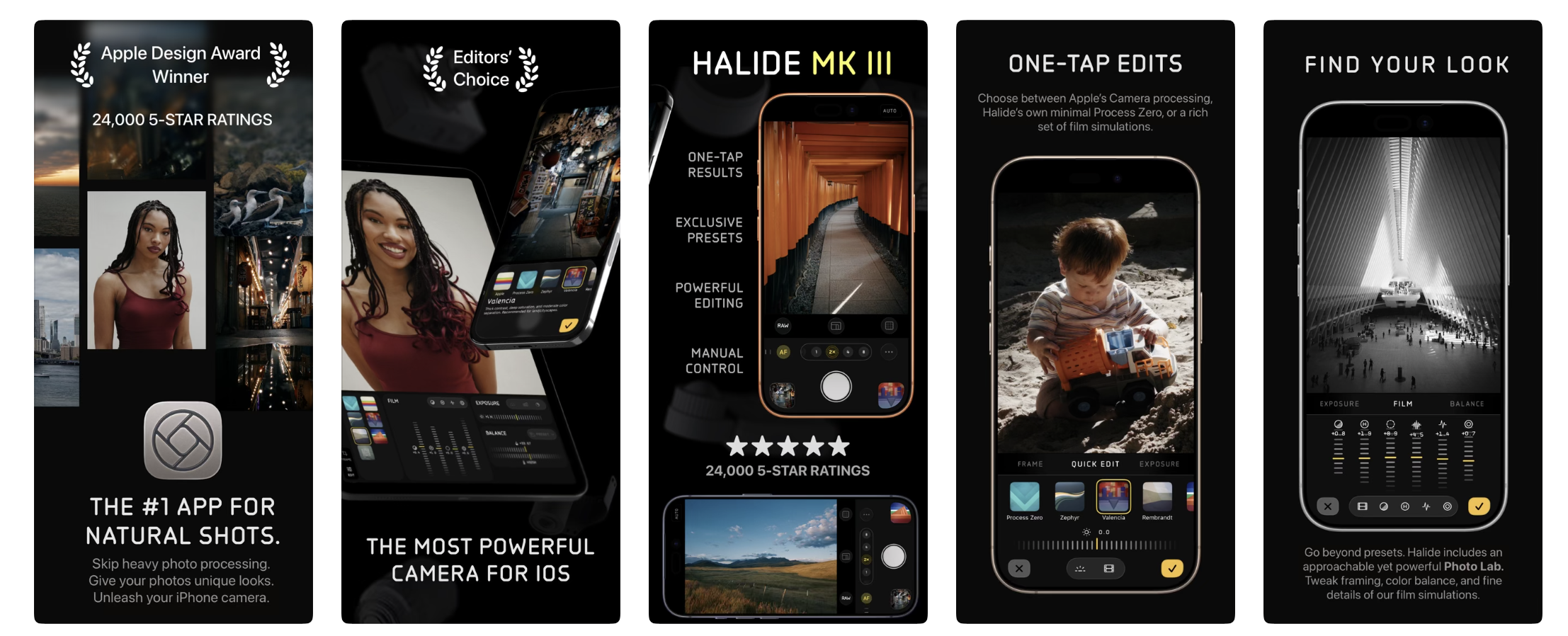
Looking through the examples accompanying Halide Mark III, I found myself thinking less about software and more about those decisions. The photographs don’t appear designed to overwhelm the viewer. They aren’t chasing the exaggerated sharpness or hyper-real rendering that has become increasingly common in smartphone photography. Instead, they seem to encourage a slower, more considered approach to seeing. That may sound like a small thing, but I don’t believe it is.
For years, mobile photographers fought for recognition. We argued that smartphone photographs deserved to be taken seriously. The artists featured on TheAppWhisperer proved this repeatedly, producing work that explored memory, grief, identity, documentary practice and fine art photography using devices carried in their pockets. The conversation has now shifted. The question is no longer whether smartphones can produce serious photography. We already know they can. The more interesting question is whether photographers are still making enough of the creative decisions. That is why Halide Mark III feels significant.
The new Looks will inevitably attract attention, but what interests me is the thinking behind them. Rather than presenting endless filters designed for social media consumption, they appear rooted in photographic interpretation. They encourage photographers to make choices about mood, atmosphere and colour before the image is made rather than endlessly correcting it afterwards. There’s a difference between enhancing a photograph and constructing one. Increasingly, photography apps blur that distinction. Halide seems determined not to.
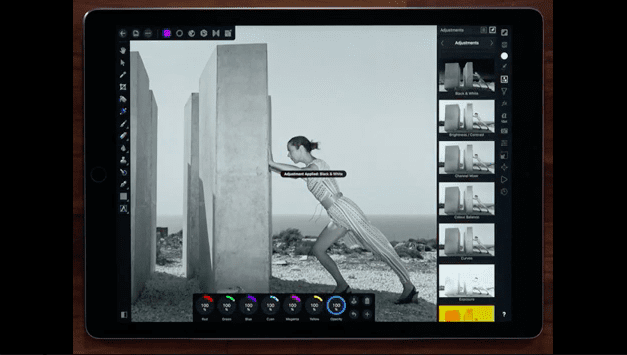
The introduction of Photo Lab follows a similar philosophy. Reading about its design, I was struck by how much emphasis seemed to be placed on refinement rather than rescue. The assumption seems to be that the photograph already exists; the software’s role is simply to help the photographer realise their vision more effectively. That approach feels refreshing. Perhaps what interests me most is the timing.
Artificial intelligence currently dominates discussions across photography. Every week brings new tools capable of generating, extending, replacing or transforming images. The technology is moving at extraordinary speed. Some of it is genuinely exciting. Some of it leaves me uneasy.
As someone whose own recent academic work has focused on photography, memory, grief and representation, I remain fascinated by the relationship between photographs and lived experience. The photographs that continue to resonate with me are rarely the most technically perfect. They are the photographs that contain traces of attention. Evidence that someone stopped, looked and made a conscious decision to record a particular moment. No algorithm can replicate that. Technology can assist it.
Technology can support it. Technology can even enhance it. But the act itself remains profoundly human. That is ultimately what I took away from Halide Mark III.
Not that it will produce better photographs than every other camera app. Not that it offers the most sophisticated editing tools. Not even that it represents the future of mobile photography. What interested me was something simpler. At a time when so much photographic technology is focused on doing more for us, the Halide Mark III appears to encourage photographers to remain actively involved in the process. In other words, it still believes the person behind the camera matters. And in 2026, that feels like a surprisingly important position to take.
Pricing and Availability
Mark III is available today. It’s a FREE upgrade to everyone who bought Mark II and existing Halide subscribers. If you are neither, you can subscribe for $19.99 per year, or make a one-time purchase of $59.99 for Mark III. Download Mark III.
Please support us
TheAppWhisperer has always had a dual mission: to promote the most talented mobile artists of the day and to support ambitious, interested viewers worldwide. As the years have passed, TheAppWhisperer has gained readers and viewers and found new venues for that exchange.
All this work thrives with the support of our community. Your support helps protect our independence, and we can keep delivering open, global promotion of mobile artists. Every contribution, however big or small, is valuable for our future.

Joanne Carter
Joanne Carter is a British photography journalist, editor, curator, and the founder of *TheAppWhisperer.com*, one of the world’s leading platforms dedicated to mobile photography and art. Since its launch in 2009, TheAppWhisperer has become an international hub for artists of all levels to discover, learn, exhibit, and engage with contemporary photographic practice.Built on principles of inclusivity, accessibility, and artistic excellence, Joanne has spent almost two decades championing mobile photography as a serious artistic medium. Through interviews, critical essays, exhibitions, competitions, and education, she has helped shape and document the evolution of mobile art on a global scale.Her work has taken her internationally, lecturing on photography and mobile art at institutions and events including the Museum of Art in Seoul, South Korea, alongside appearances in the UK and Europe. She has served as a juror for international photography and mobile art awards across Portugal, Canada, the United States, South Korea, Italy, and the UK.Joanne is also the founder of *TheAppWhispererPrintSales.com*, one of the first online galleries dedicated exclusively to collectible mobile art, connecting artists with collectors across Europe, the United States, and Asia.Before founding TheAppWhisperer, Joanne worked extensively in print journalism and photographic publishing, including roles at a paparazzi photo agency and as deputy editor of a leading photography magazine. Her freelance journalism, criticism, and commentary have been published widely in both the UK and the US, with bylines in *The Times*, *The Sunday Times*, *The Guardian*, *Popular Photography*, *NikonPro*, *DPReview*, *Which?*, *Vogue Italia*, *LensCulture*, the *BBC*, and more recently, the *Financial Times*, where her published letters on photography continue to contribute to wider conversations around the medium.Alongside her editorial and curatorial work, Joanne’s own photographic practice has been exhibited internationally across the UK, Europe, South Korea, and the United States. Her work increasingly explores themes of grief, loss, death, memory, and the body.Her current research interests centre on grief, death, and poverty, with forthcoming postgraduate study leading towards doctoral research in these areas.Joanne is currently developing new long-form writing and photographic projects and is available for commissions, editorial projects, speaking engagements, and collaborations.Contact: joannetheappwhisperer@gmail.com)