How Professional Photographers Build Online Portfolios in 2026
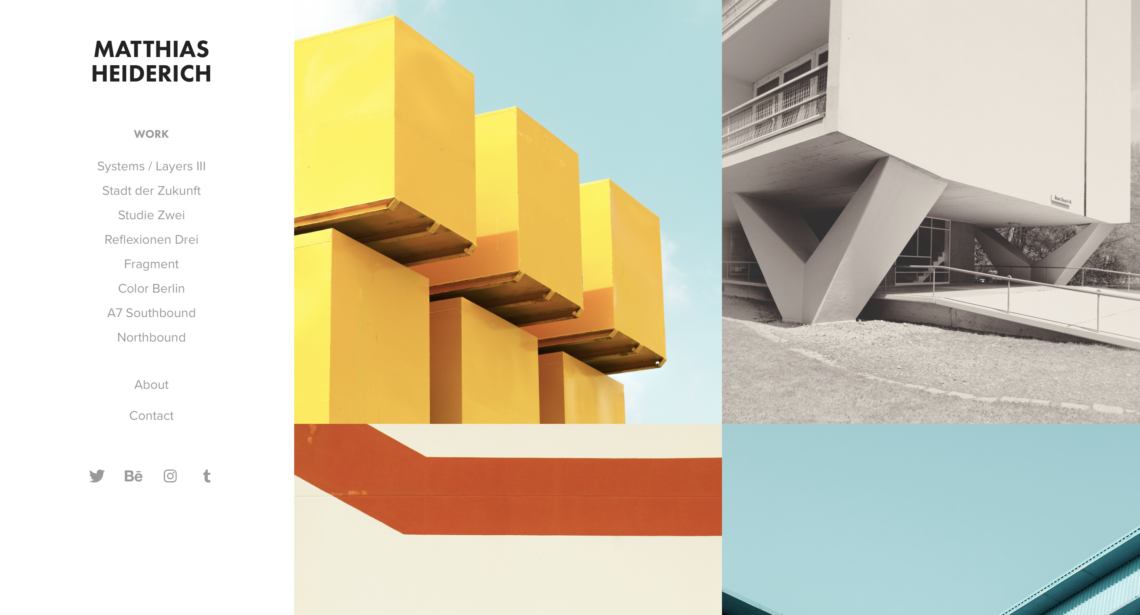
One of the questions I’m asked most often by photographers is whether they still need a portfolio website. After all, many of us spend a significant amount of time sharing work on Instagram, Facebook and other social media platforms. It’s where conversations happen, where communities form and where new work is often first seen. My answer is always the same: yes. Social media is useful, but it isn’t a portfolio. It never has been.
Over the years, through TheAppWhisperer, I’ve looked at thousands of photographers’ websites. I’ve interviewed photographers and mobile artists from around the world, reviewed portfolios, judged competitions and followed the development of artists at every stage of their careers. The strongest portfolios are rarely the most complicated. In fact, they’re often the simplest.
A portfolio isn’t a storage space for every photograph you’ve ever made. It’s a carefully edited introduction to who you are as a photographer and what matters to you.
Why Social Media Isn’t a Portfolio
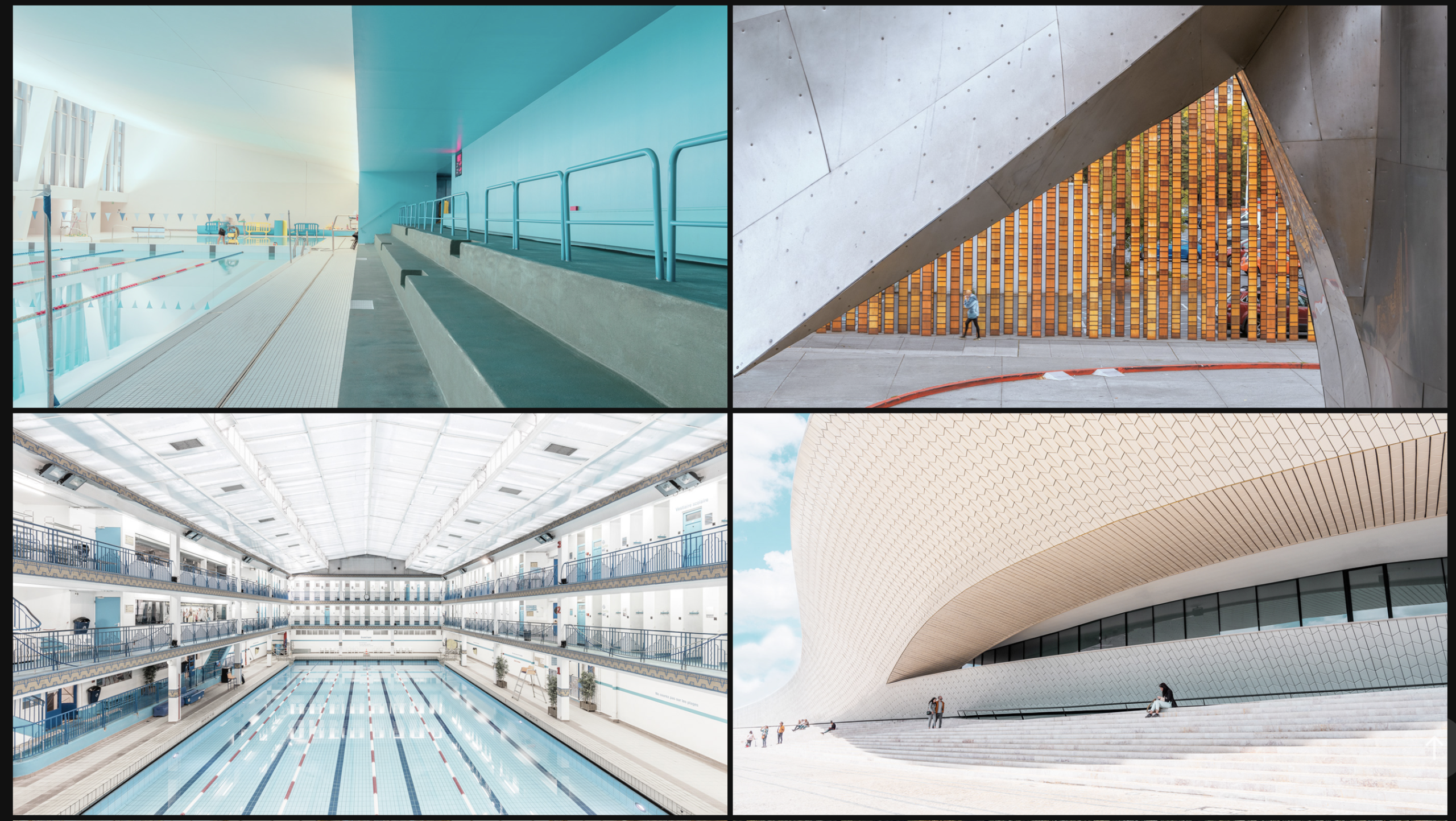
This is something I feel quite strongly about. Social media platforms are valuable tools for visibility and community building, but they are not designed to present a body of work in a thoughtful or lasting way. Algorithms decide what people see, posts disappear into timelines and platforms themselves rise and fall in popularity.
A portfolio website is one of the few places where photographers retain complete control over how their work is presented. Unlike social media, where visibility is determined by external factors, a portfolio allows the photographer to decide what visitors see first, which projects deserve prominence and how photographs are experienced as a body of work.
For photographers working on long-term documentary, conceptual or fine art projects, that level of control is incredibly important. It allows the work to breathe and be encountered on its own terms.
Editing and Sequencing Matter More Than Ever
One of the biggest mistakes photographers make is trying to show too much work. It’s understandable. We become attached to photographs and remember the circumstances in which they were made. Visitors, however, don’t share those memories. They’re looking for clarity. What kind of photographer are you? What subjects interest you? What makes your work distinctive? A strong portfolio answers those questions quickly.
I’ve become increasingly convinced that building a portfolio is really an exercise in editing. Whether preparing work for an exhibition, applying for postgraduate study, seeking gallery representation or submitting work for publication, the challenge is rarely making enough photographs. The challenge is deciding which photographs deserve to stay.
A single image can be powerful, but bodies of work often reveal much more about a photographer’s thinking and approach. Whether documenting a community, exploring personal experience or creating conceptual work, viewers increasingly want to understand the wider project rather than simply admire individual images.
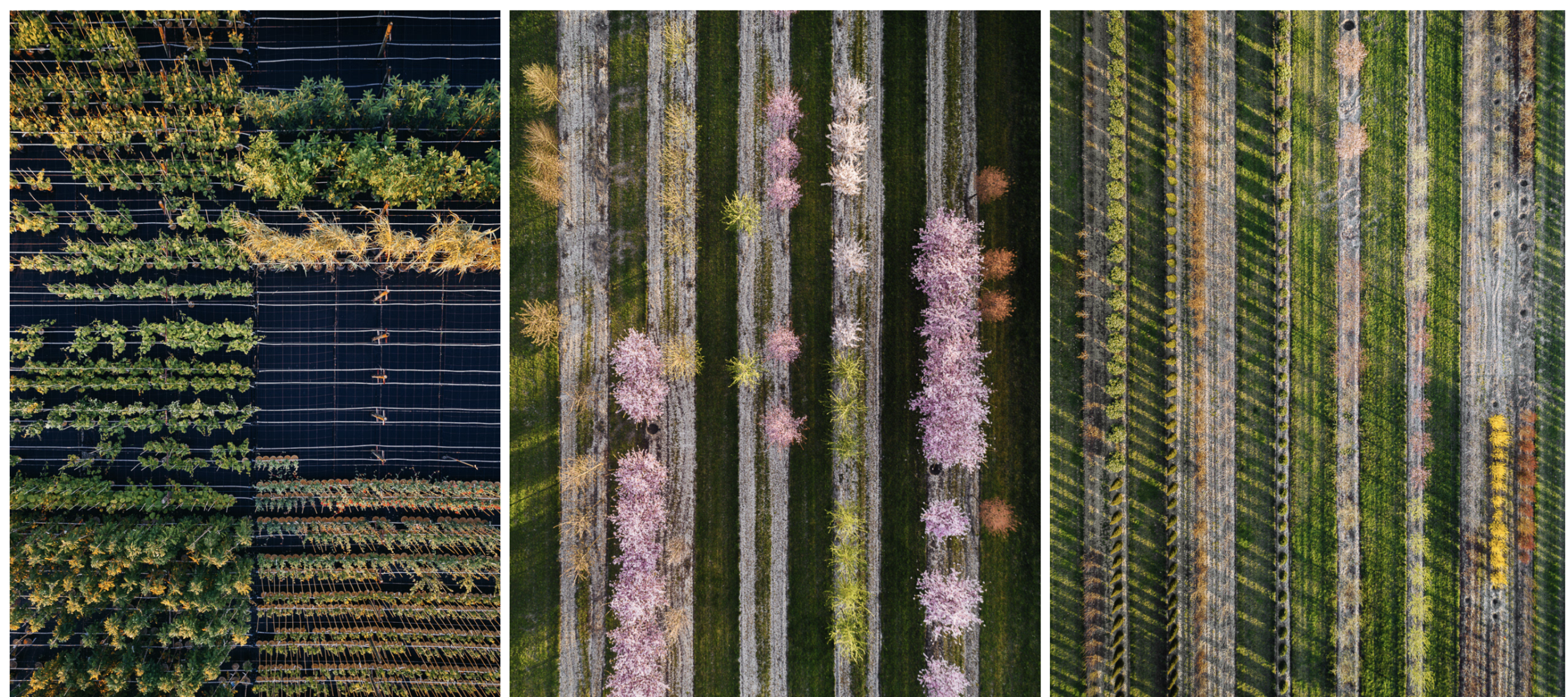
I’ve often found that photographers focus heavily on uploading images while paying very little attention to sequencing. Yet the way photographs are arranged can completely change how a portfolio is experienced. The opening image sets expectations, the closing image often lingers in the viewer’s memory, and the relationship between photographs can either strengthen or weaken the work as a whole.
When I review work, I often find myself asking three simple questions: Why is this photograph here? What does it add? Would the project be stronger without it? Those questions can be surprisingly difficult to answer, but they are often where the real editing begins.
Which Platforms Are Professional Photographers Using?
One of the questions I hear repeatedly is which platform photographers should choose for their portfolio. The honest answer is that it depends entirely on what you need your website to do.
For photographers already using Lightroom and Creative Cloud, Adobe Portfolio is often the obvious starting point. It’s straightforward, visually clean and removes much of the technical complexity involved in building a website. If your priority is simply getting strong work online without spending weeks learning web design, it’s difficult to ignore.
Squarespace remains one of the most widely used platforms amongst professional photographers. I regularly encounter it when reviewing photographers’ websites because it offers far more than a portfolio. It can accommodate blogs, online shops, client information and business websites within a single platform.
For photographers working directly with clients, particularly wedding, portrait and commercial photographers, Format offers useful proofing and gallery tools that help streamline workflow and image delivery. Photographers looking for a more affordable solution often turn to Pixpa, which combines portfolios, blogging, galleries and e-commerce features without the higher monthly costs associated with some competitors.
Meanwhile, photographers working within contemporary art and gallery spaces frequently favour Cargo. It offers a more experimental approach to presentation and often appeals to artists who view the website’s design as part of the creative process itself. I’ve also seen photographers successfully use Zenfolio, particularly those selling prints or managing substantial client work, where business tools become as important as presentation.
The reality is that there is no perfect platform. The strongest portfolio I’ve ever seen could probably have been built on any of them. The software matters far less than the photographs.
| Platform | Best For |
|---|---|
| Adobe Portfolio | Creative Cloud users and fine art photographers |
| Squarespace | Complete photography websites and businesses |
| Format | Client proofing and commercial photography |
| Pixpa | Affordable all-in-one portfolios |
| Cargo | Fine art and contemporary photographers |
| Zenfolio | Print sales and client management |
The Hardest Part Is Knowing What to Leave Out
Both through my own photographic practice and through reviewing the work of others, I’ve learned that knowing what to leave out is often more important than deciding what to include. Most photographers worry about not having enough strong work. In reality, many portfolios suffer from the opposite problem. They contain too many images competing for attention. A portfolio should leave viewers wanting to see more, not less.
The photographers whose work stays with me are usually those who show restraint. They understand that editing isn’t something that happens after the photographs are made. Editing is part of the creative process itself.
A Portfolio Is Never Finished
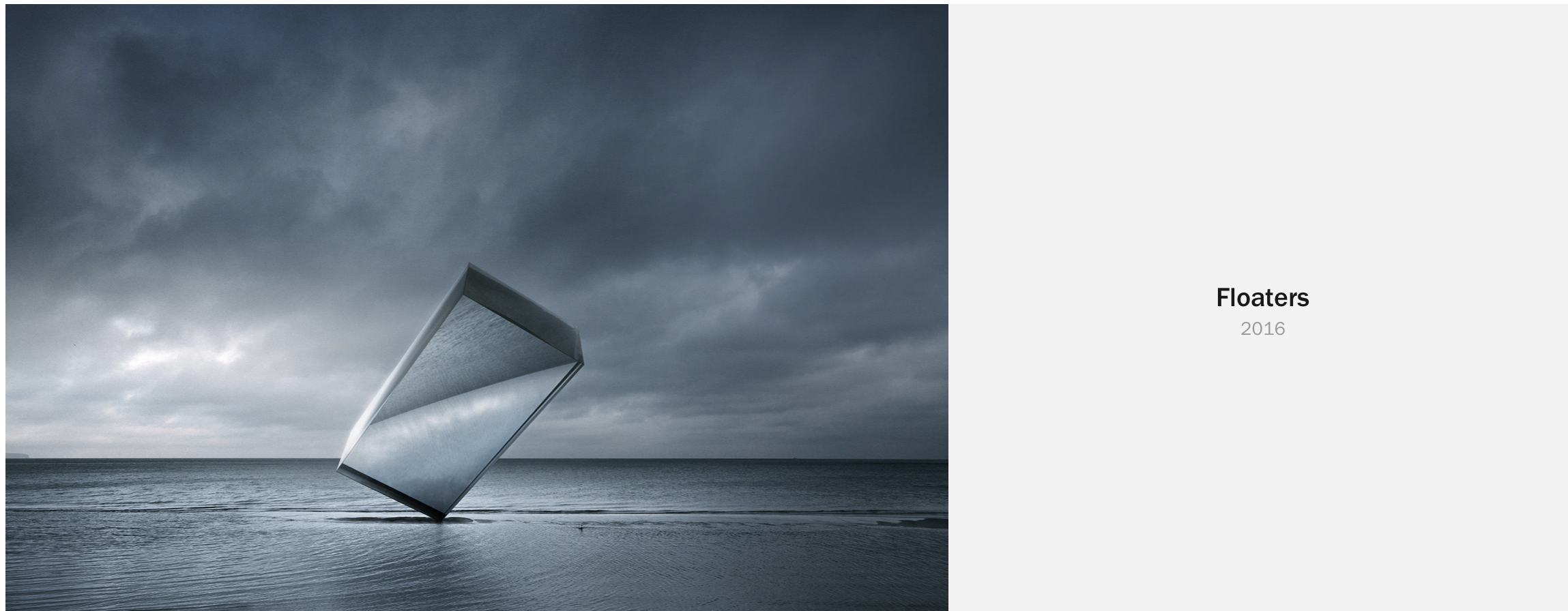
One of the most important things I’ve learned is that portfolios are never truly finished. Photographic practice evolves, interests shift, projects develop, and new work inevitably emerges. The strongest photographers revisit their portfolios regularly, refining and reshaping them as their practice grows.
A portfolio shouldn’t be treated as a static archive but as a reflection of where a photographer is at a particular moment in time. Mine has changed countless times over the years, and I suspect it will continue to do so.
In an age dominated by algorithms, trends and endless scrolling, a thoughtfully constructed portfolio remains one of the most powerful tools a photographer can have. Not because of the platform it’s built on, but because it represents something increasingly rare online: a space where the photographer remains completely in control of the story they want to tell.
Further Reading
- Best Photography Portfolio Apps for Professionals (2026)
- Best Portfolio Apps for Photographers
- Best AI Photo Editing Apps
- Best Mobile Photography Apps
- Best Camera Apps Without AI Processing
About the Author
Joanne Carter is the founder and editor of TheAppWhisperer. For almost two decades, she has interviewed photographers and mobile artists from around the world, reviewed photographic apps and technologies, and written extensively about photographic culture, visual storytelling and contemporary photographic practice.
| Platform | Best For | Price | Website |
|---|---|---|---|
| Adobe Portfolio | Fine art photographers | Included with Creative Cloud | Adobe Portfolio |
| Squarespace | Complete photography websites | From approx £16/month | Squarespace |
| Format | Client proofing | From approx £6/month | Format |
| Pixpa | Budget-conscious photographers | From approx £8/month | Pixpa |
| Cargo | Contemporary artists | From approx £14/month | Cargo |
| Zenfolio | Print sales and client work | Varies | Zenfolio |
Further Reading: Photographers looking to build a complete professional workflow may also wish to explore our guides to portfolio apps, mobile photography apps, photo editing tools, and camera apps designed for professional image capture and presentation.
Please support us
TheAppWhisperer has always had a dual mission: to promote the most talented mobile artists of the day and to support ambitious, interested viewers worldwide. As the years pass, TheAppWhisperer has gained readers and viewers and has found new venues for that exchange.
All this work thrives with the support of our community. Your support helps protect our independence, and we can keep delivering open, global promotion of mobile artists. Every contribution, however big or small, is valuable for our future.

Joanne Carter
Joanne Carter is a British photographer, photography journalist, editor and curator and the founder and editorial director of TheAppWhisperer.com, an independent international photography publication established in 2009.Her journalism, criticism and commentary have appeared in The Times, The Sunday Times, The Guardian, Financial Times, BBC, Vogue Italia, LensCulture, Popular Photography, Android Magazine, NikonPro, DPReview, Which Digital Camera and Which Camera. She has lectured internationally on photography and mobile art, served as a juror for international photography awards, and exhibited her own photographic work across the UK, Europe, South Korea and the United States.Alongside her editorial work, Joanne's photographic and postgraduate research explores death, grief, memory, representation and social inequality through contemporary photography, participatory practice and visual research methods, with the longer-term aim of developing this work through doctoral research.Through TheAppWhisperer, she continues to publish independent photography journalism spanning contemporary photographic practice, mobile imaging, photographic apps, computational photography and emerging imaging technologies.Joanne is available for editorial commissions, photography projects, judging, curatorial work, speaking engagements, consultancy and selected collaborations.