Michelle Sank on AI, Photography, Truth and Authenticity
Michelle Sank on AI, Photography and the Future of Seeing
JC: When did AI first begin influencing your creative workflow, either directly or indirectly?
MS: I would say about 2 years ago – not directly in my own personal practice but in working with practitioners or my students who have started to use AI in theirs. When writing about my work, I have found tools like ChatGPT helpful for collating information and making links I hadn’t previously considered.
JC: Do you see AI as a creative collaborator, a technical tool, or something more disruptive to photographic practice?
MS: I see AI as having a place in all of the above. As a creative collaborator, it can assist in expanding concepts and, as mentioned previously, introduce new linkages to one’s practice, expanding the consideration and understanding of one’s ideas. As a technical tool, it can serve somewhat like Photoshop for adjusting image elements and also assist with sorting, cataloguing, etc. Traditionally, photography has been valued for its connection to captured reality, and AI-generated images can now produce these scenarios. I think it can be particularly disruptive for genres like photojournalism, documentary work, and scientific photography where the credibility of the image often depends on its relationship to reality.
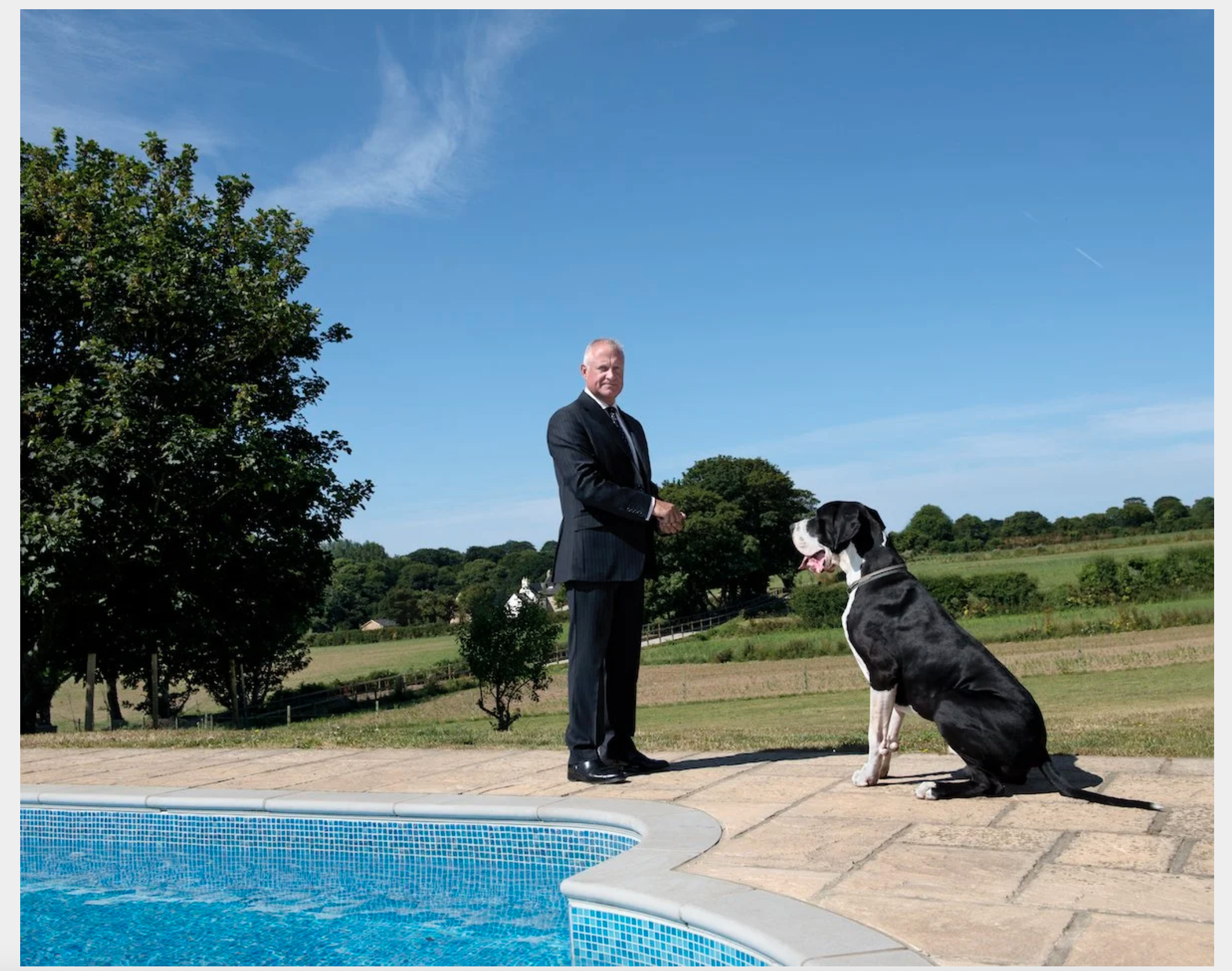
JC: Has AI changed the way you think about authenticity within photography and mobile art?
MS: AI has made me think about authenticity in photography much the same way Photoshop previously did, particularly regarding the creation of constructed narratives. Rather than seeing these technologies as fundamentally different from traditional artistic practices, I view both as extensions of a long history of image-making. In many ways, they resemble historical painting before the advent of photography, where artists interpreted and constructed their own vision of reality rather than simply recording it. From this perspective, AI and digital editing tools can be seen to continue a tradition of creative authorship, raising questions about authenticity while also expanding the possibilities for artistic expression.
JC: Many smartphones now apply heavy computational processing automatically. Do you feel photographers still fully control the image-making process?
MS: Yes, I do, if photographers are still influencing these decisions with artistic and conceptual intent, and using the technology as a foundation to further their understanding and exploration of the imagery.
JC: Have you ever felt conflicted about using AI-assisted editing tools within your own work?
MS: I have not yet used these tools, but if I did, they would be very much aligned with my current use of Photoshop for adjustments. I see this as an alternative to traditional darkroom printing, where what was once done manually can now be achieved with these tools.
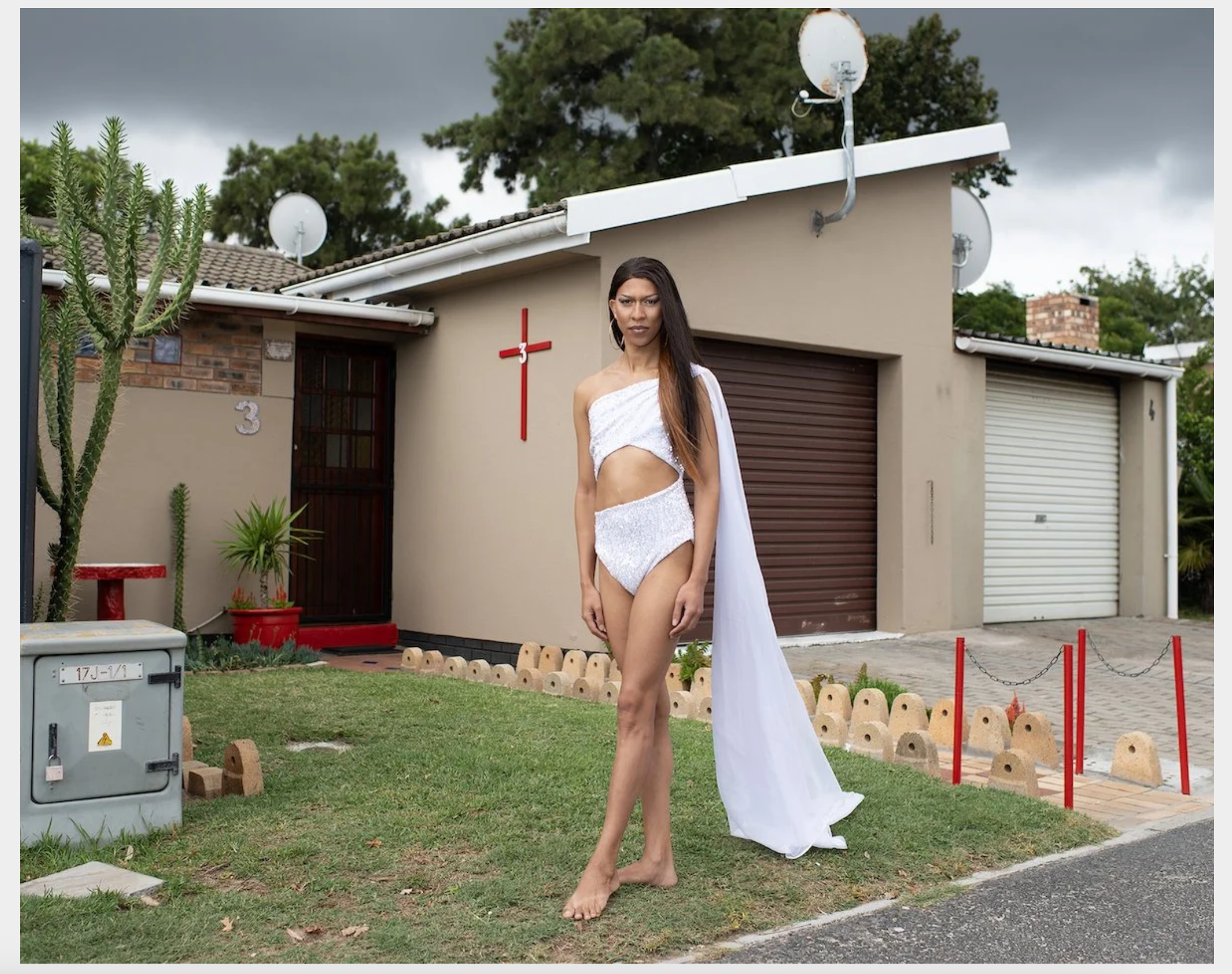
JC: Do you think audiences should always be informed when AI has been used within an artwork or photographic image?
MS: I think this depends on the context in which the image is being used. In fields such as photojournalism, documentary practice, or scientific imaging, audiences should be informed when AI is used, as transparency is essential to maintaining trust and the integrity of the information presented.
In other contexts, particularly within artistic practice, I don’t think disclosure is always necessary. The use of AI can be understood as another creative methodology, comparable to approaches found in constructed narrative, collage, and surrealist photography, in which images are intentionally manipulated to create new meanings rather than represent reality objectively.
JC: Are you concerned that AI-generated imagery may overwhelm or devalue slower, more personal photographic practices?
MS:
MS: I think this largely depends on how AI is employed in a photographic practice. AI-generated imagery can still form part of a deeply personal and intentional approach when its use is guided by the photographer’s conceptual aims and creative choices. What matters is not simply the tool itself, but how thoughtfully it is integrated into the work and how effectively it contributes to communicating the underlying idea. For me, the distinction lies in the level of consideration brought to the process. If a photographer approaches AI with the same depth of reflection, critical engagement, and attention to meaning that characterises more traditional photographic practices, then it can become another medium through which personal expression is explored rather than something that diminishes it.
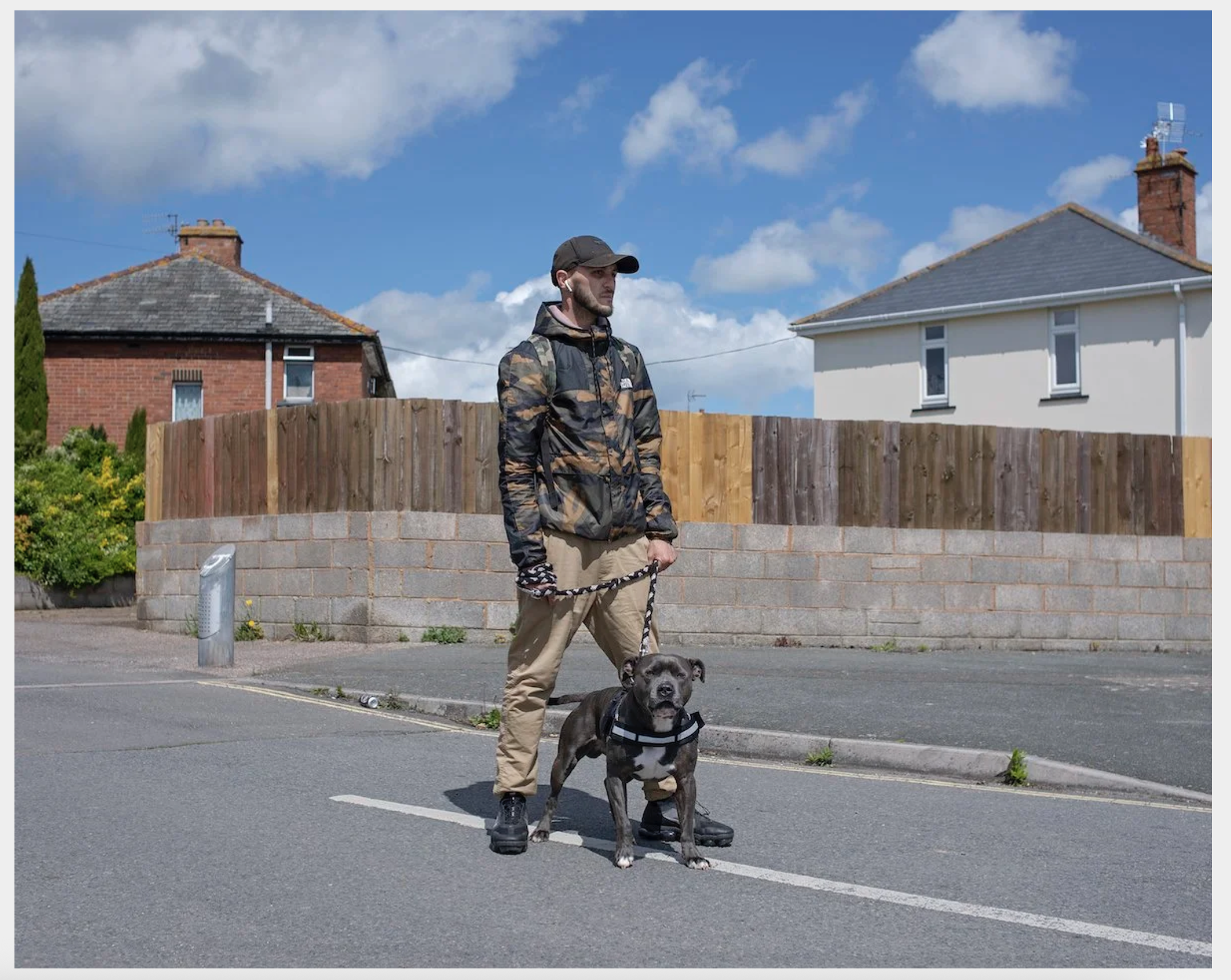
JC: How do you think AI is affecting ideas surrounding memory, truth and documentation within photography
MS: Photography has long been valued not only as an art form but also as a conveyor of evidence, memory and documentation. Traditionally, photographs have been understood as recordings of moments that existed in front of the camera, giving them a unique relationship to truth and authenticity. However, the growing prevalence of AI-generated and AI-edited images is challenging these assumptions. As memories and visual records can now be generated rather than captured, the relationship between photography, memory, and truth is being reconsidered. AI technologies can reconstruct, enhance, or infer missing visual information, raising questions about authenticity and the extent to which images reflect reality or algorithmic interpretation. At the same time, I believe that imagery has always been shaped by choices of framing, selection, editing, and context. Sometimes, constructed or manipulated images can communicate emotional, social, or psychological truths that may be more powerful than purely documentary representations. As a result, AI challenges not only the credibility of photographic evidence but also broader ideas about how truth can be created, communicated, and understood through image-making.
It is interesting to consider how past theorists such as Roland Barthes, Susan Sontag, and John Berger questioned this relationship between photography, reality, and interpretation long before AI emerged.
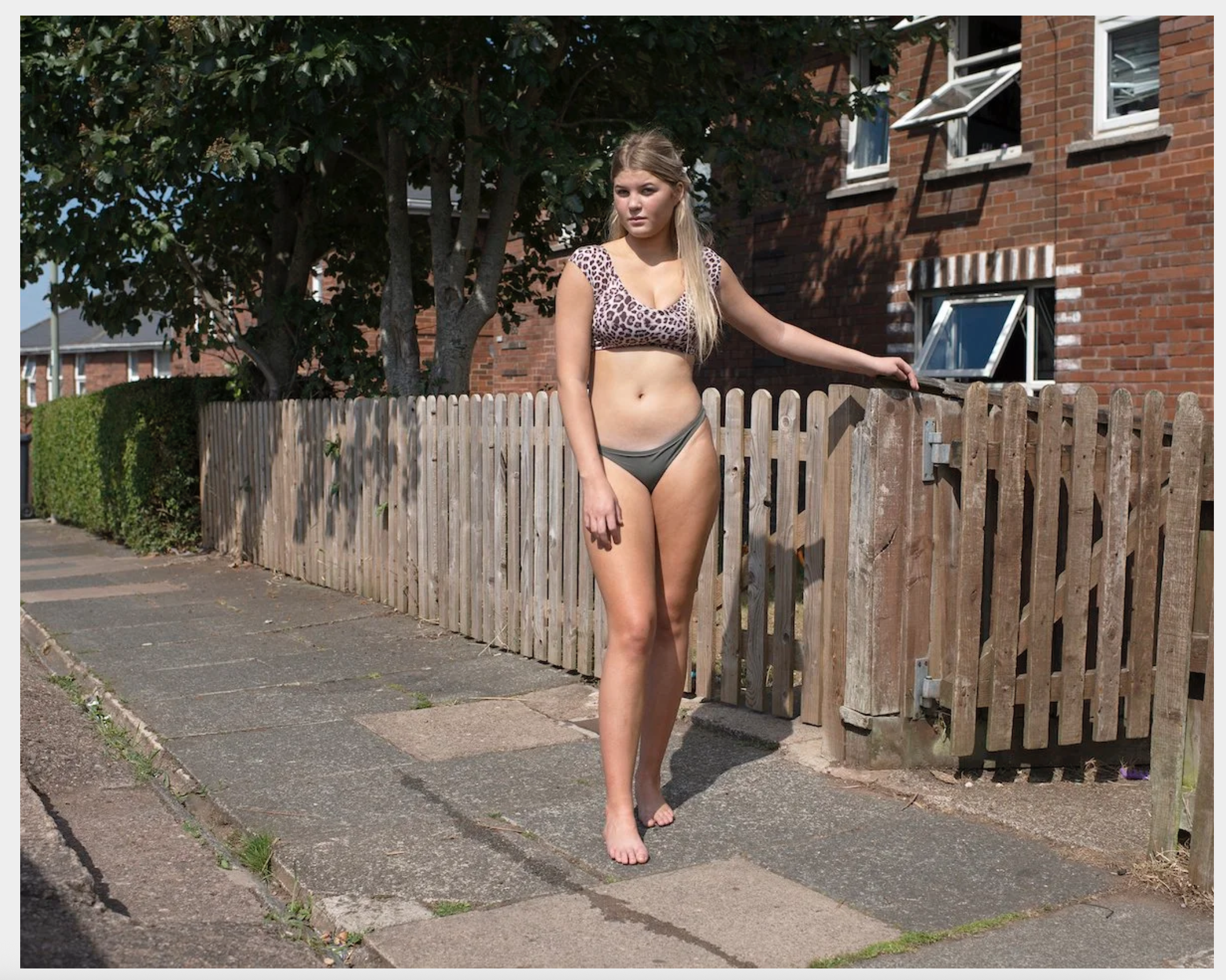
JC: In your opinion, can AI-generated images carry the same emotional weight as photographs connected to lived human experience?
MS: I think AI-generated images can evoke emotions as strongly as photographs, but photographs connected to real human experiences often carry an additional layer of meaning because they are traces of actual lives and moments that have happened to real people. The viewer’s emotional response can be tied to empathy, memory, and history that emanates from the knowledge that a human being stood behind the camera witnessing. Having said that, however, emotional weight doesn’t depend solely on factual reality, as people routinely experience strong emotions from fictional works such as novels, paintings, films, etc
JC: Have developments in AI changed the way you archive, edit or curate your own images?
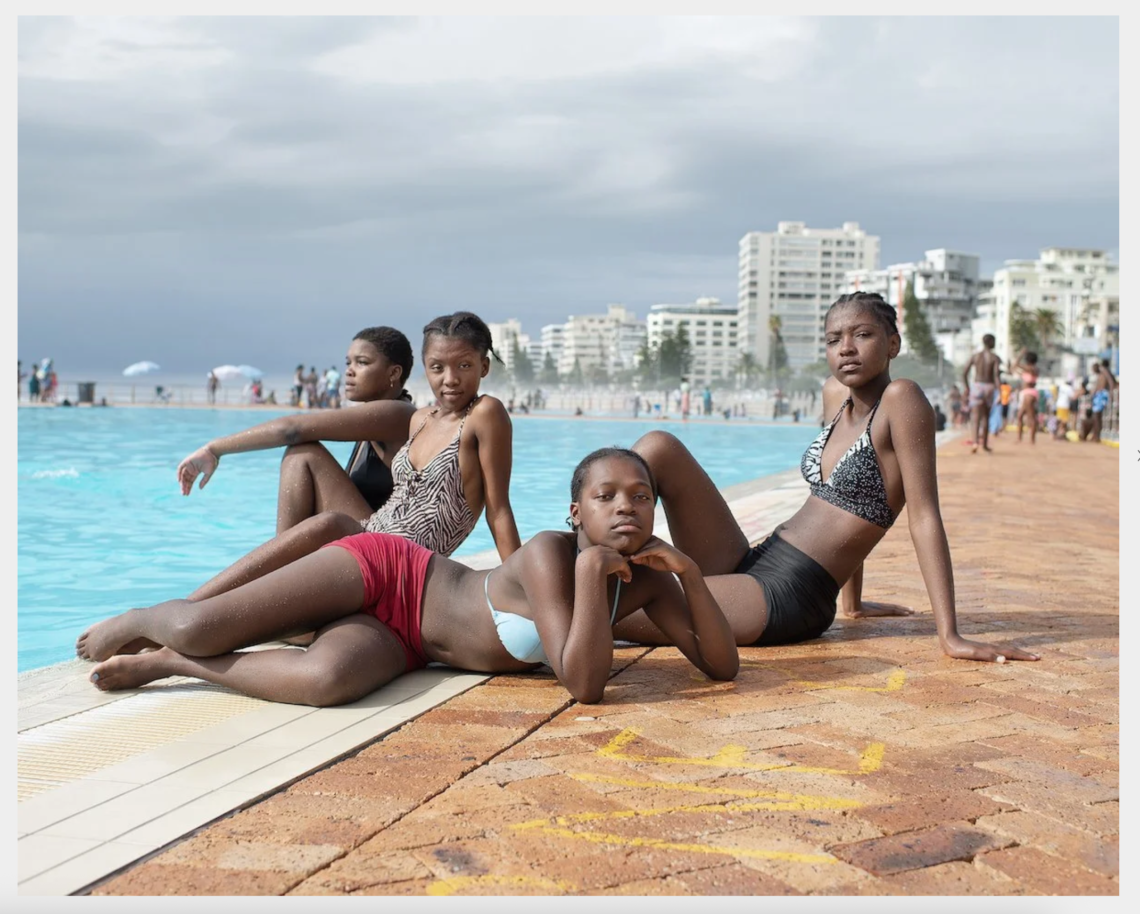
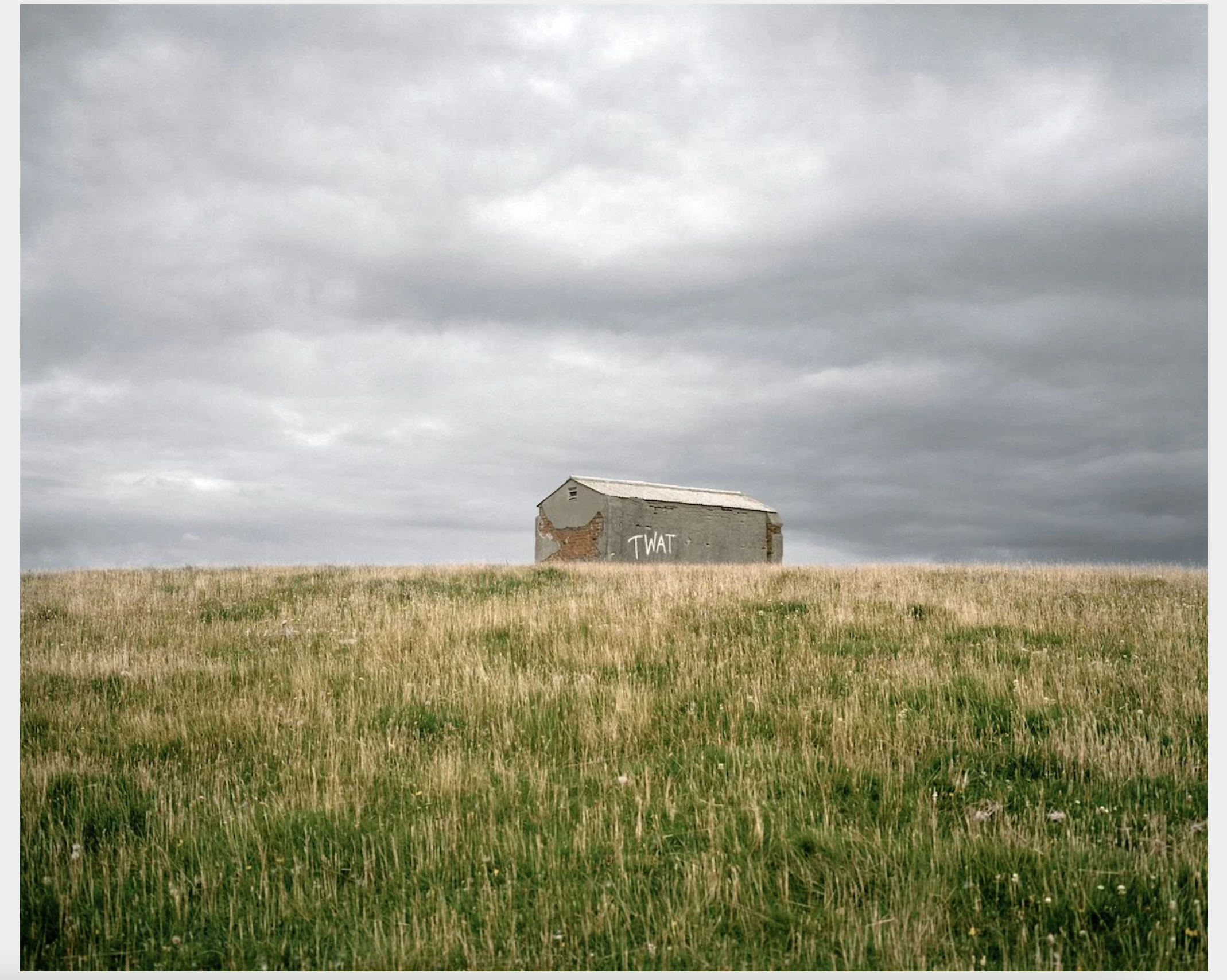
MS: AI has changed the way I curate my images by opening up possibilities and connections I had not previously considered in my various series. For example, I recently looked at the connection between some of my images from “Ballade” with the paintings of the South African artist Irma Stern and the links that were suggested between our heritages, our sense of exile, and the imagery itself have been really thought-provoking.
JC: Do you believe younger photographers entering the field now will define creativity differently from previous generations?
MS: Yes, I think they will use different markers than previous generations, in which creativity was closely tied to being in the right place at the right time, mastering camera settings, and capturing a unique moment. As has already occurred with the use of Photoshop, it could become more focused on selecting and combining influences using AI to achieve this, both in terms of concept realisation and in the use of editing as part of the artistic process. The use of AI could constitute the entire workflow, not just an aspect of it.
JC: Has AI influenced the way you think about authorship and ownership within digital art?
JC: What ethical responsibilities do artists and platforms have when publishing AI-generated imagery?
MS: It is important to avoid deception in situations where images are presented as evidence or representations of reality, such as in journalism, advertising, or public communications. When AI-generated images are used to simulate real events, people, or circumstances, they can contribute to misinformation or create non-consensual depictions of individuals. I feel that artists and platforms should be transparent about their use of AI and accountable for the psychological, social, and cultural impacts of the images they produce and distribute. This responsibility is consistent with the standards of care and ethical obligations that should also apply to non-AI forms of creative and media production.
JC: Are there aspects of human experience that you believe AI will never convincingly replicate visually?
MS: AI can propose what emotions such as pain, joy, or grief may look like, but it lacks the first-person experience that underlies those states and the subtle nuances of living through them. As a result, images generated by AI may simulate the appearance of emotion without fully capturing its ‘felt’ reality.
JC: Looking ahead five years, what excites or worries you most about the future relationship between AI and mobile photography?
MS: I anticipate that it could become less about what the photographer sees and more about what the photographer creates. As a result, authenticity may become increasingly difficult to determine, while the unexpected moments and chance encounters that often inspire photographic practice risk being diminished. In turn, this could minimise individual approaches to image-making and encourage a more homogenised visual culture within photography.
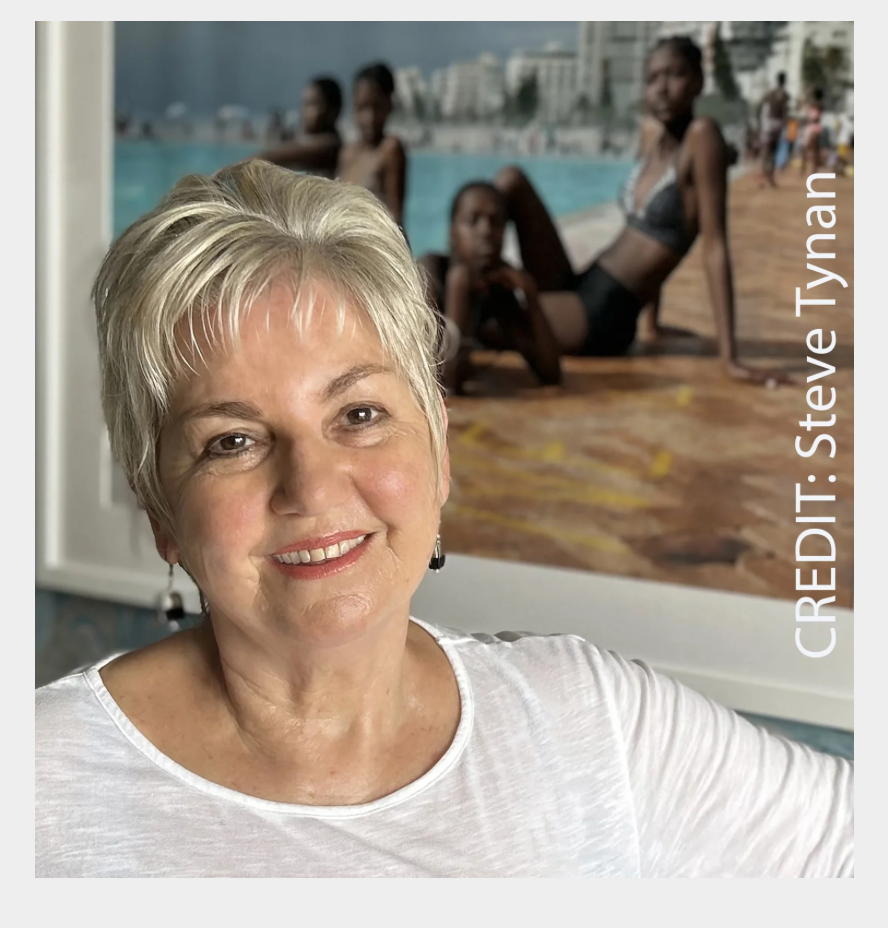
Michelle Sank was born in South Africa and settled in the UK in 1987. She cites this background as informing her interest in subcultures and in exploring contemporary social issues and challenges. Her crafted portraits and landscapes meld place and person, creating sociological, visual and psychological narratives.
Michelle Sank is represented by
Elliott Gallery
Tussen de Bogen 91
Amsterdam 1013 JB
The Netherlands
+31 (0)6 85724797
All images copyright © Michelle Sank 2026
My Thoughts…
AI continues to divide opinion throughout the photographic world. To better understand how artists are navigating these changes, I’ve invited photographers from diverse backgrounds and disciplines to share their perspectives. Further interviews in this series can be found below:
Dan Marcolina – Embracing Experimentation: AI and the Expanding Creative Toolkit
Rita Colantonio – The Integrity of the Fine Artist Must Be Preserved
Please support us
TheAppWhisperer has always had a dual mission: to promote the most talented mobile artists of the day and to support ambitious, interested viewers worldwide. As the years pass, TheAppWhisperer has gained readers and viewers and has found new venues for that exchange.
All this work thrives with the support of our community. Your support helps protect our independence, and we can keep delivering open, global promotion of mobile artists. Every contribution, however big or small, is valuable for our future.

Joanne Carter
Joanne Carter is a British photography journalist, editor, curator, and the founder of *TheAppWhisperer.com*, one of the world’s leading platforms dedicated to mobile photography and art. Since its launch in 2009, TheAppWhisperer has become an international hub for artists of all levels to discover, learn, exhibit, and engage with contemporary photographic practice.Built on principles of inclusivity, accessibility, and artistic excellence, Joanne has spent almost two decades championing mobile photography as a serious artistic medium. Through interviews, critical essays, exhibitions, competitions, and education, she has helped shape and document the evolution of mobile art on a global scale.Her work has taken her internationally, lecturing on photography and mobile art at institutions and events including the Museum of Art in Seoul, South Korea, alongside appearances in the UK and Europe. She has served as a juror for international photography and mobile art awards across Portugal, Canada, the United States, South Korea, Italy, and the UK.Joanne is also the founder of *TheAppWhispererPrintSales.com*, one of the first online galleries dedicated exclusively to collectible mobile art, connecting artists with collectors across Europe, the United States, and Asia.Before founding TheAppWhisperer, Joanne worked extensively in print journalism and photographic publishing, including roles at a paparazzi photo agency and as deputy editor of a leading photography magazine. Her freelance journalism, criticism, and commentary have been published widely in both the UK and the US, with bylines in *The Times*, *The Sunday Times*, *The Guardian*, *Popular Photography*, *NikonPro*, *DPReview*, *Which?*, *Vogue Italia*, *LensCulture*, the *BBC*, and more recently, the *Financial Times*, where her published letters on photography continue to contribute to wider conversations around the medium.Alongside her editorial and curatorial work, Joanne’s own photographic practice has been exhibited internationally across the UK, Europe, South Korea, and the United States. Her work increasingly explores themes of grief, loss, death, memory, and the body.Her current research interests centre on grief, death, and poverty, with forthcoming postgraduate study leading towards doctoral research in these areas.Joanne is currently developing new long-form writing and photographic projects and is available for commissions, editorial projects, speaking engagements, and collaborations.Contact: joannetheappwhisperer@gmail.com)