Book Review – Portraits and Dreams by Wendy Ewald
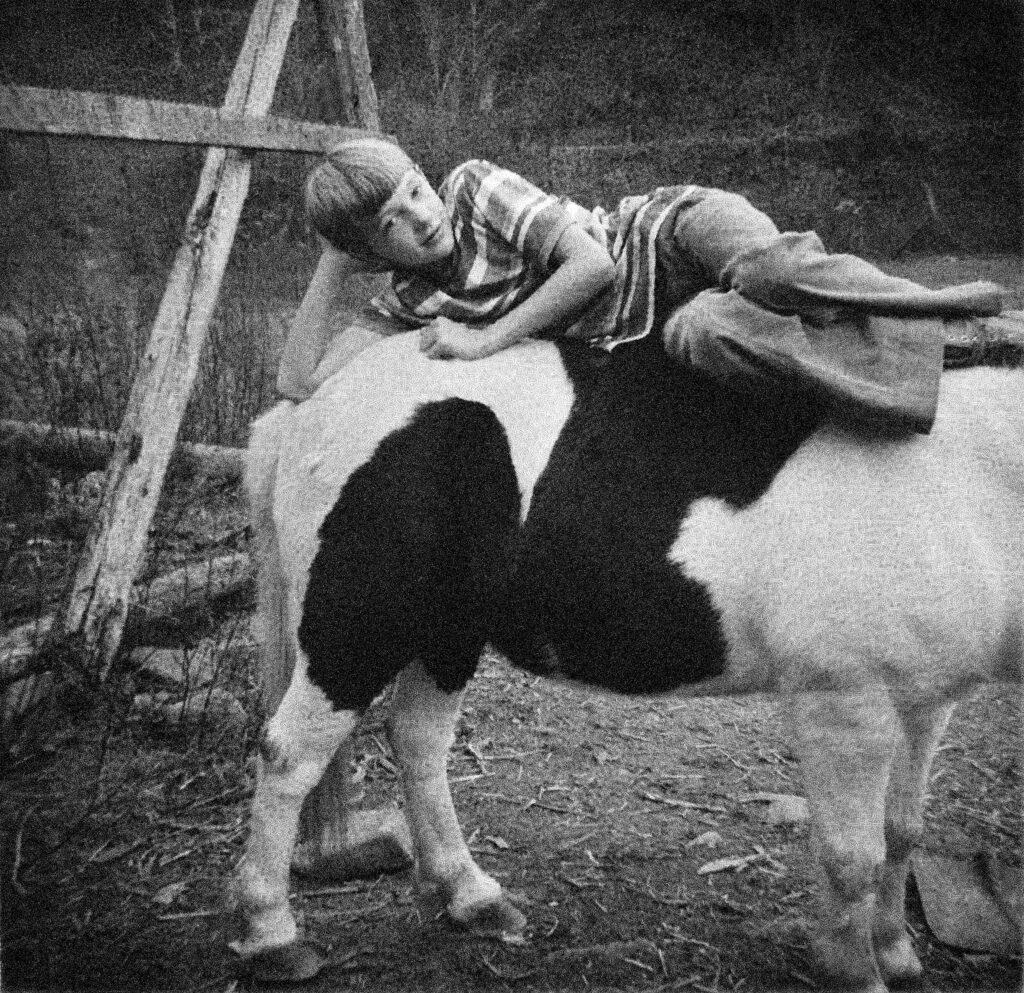
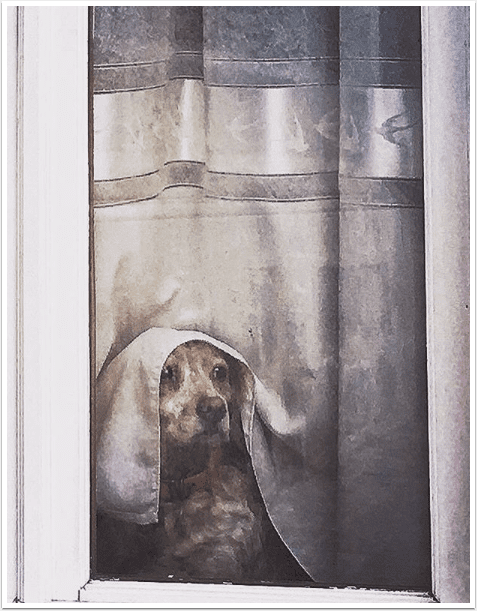
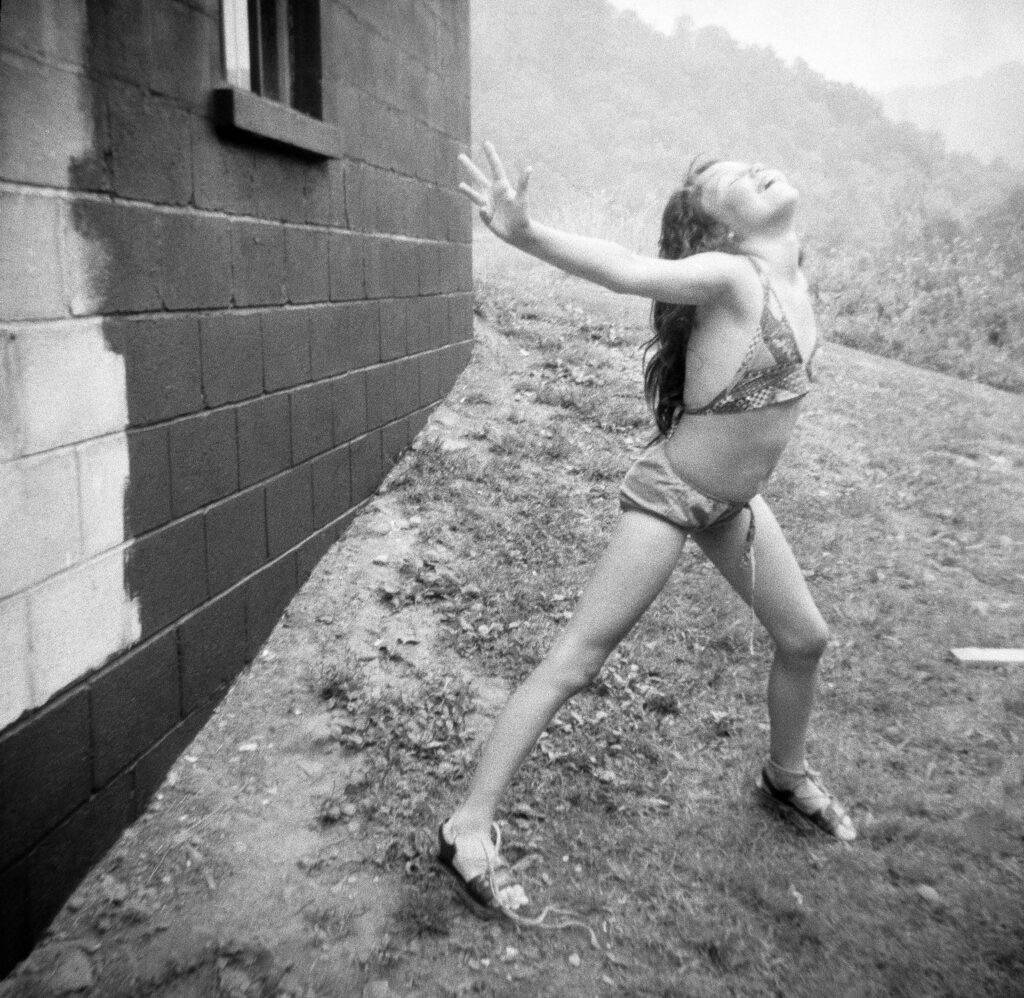
horse,’ from ‘Portraits and Dreams’ by Wendy Ewald
(MACK, 2020). Courtesy the artist and MACK.
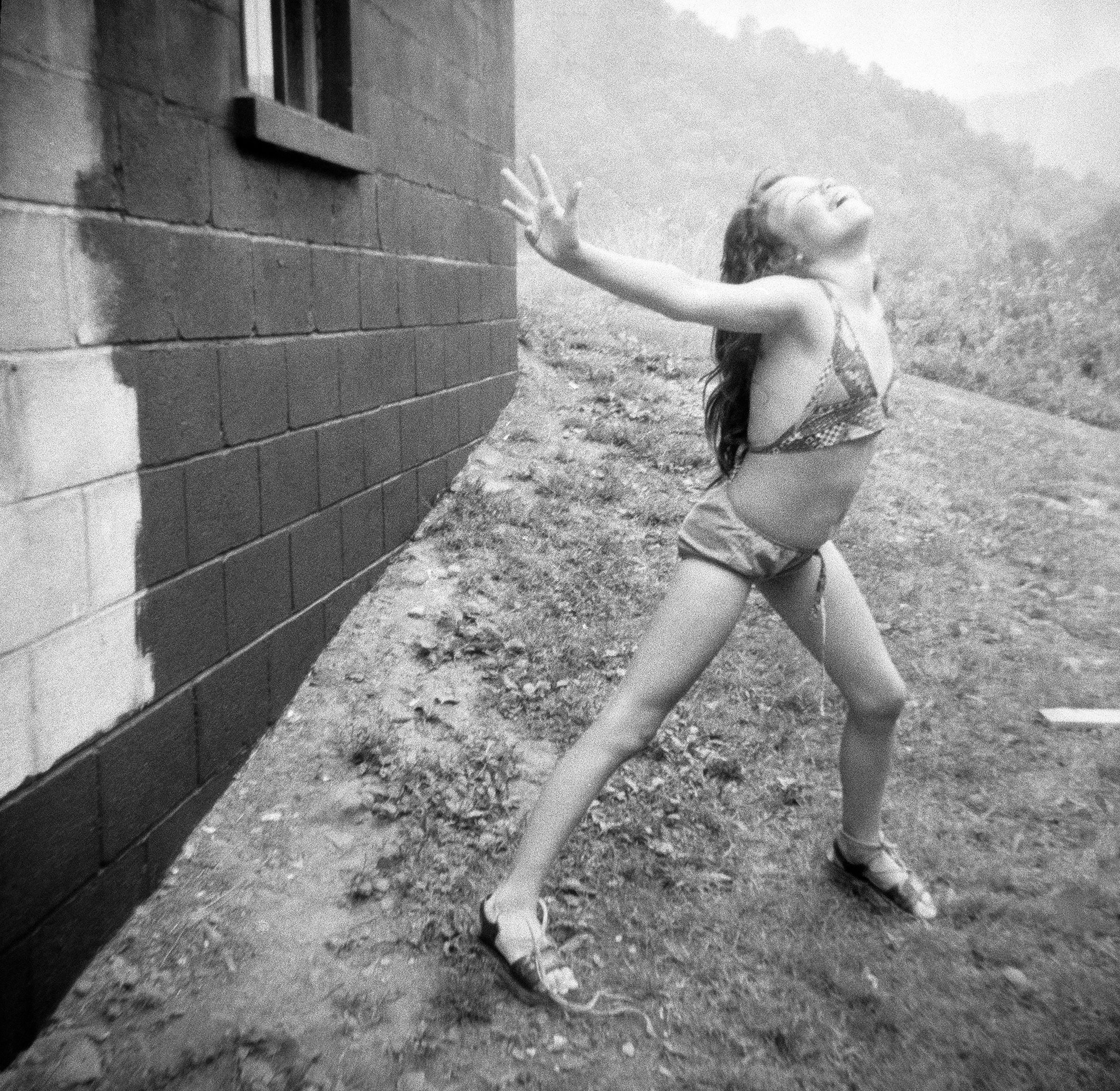
Photographer Wendy Ewald is a community based practitioner who has worked on collaborative photographic projects with children for more than fifty years. Within her newly republished and updated book Portraits and Dreams, it is immediately apparent that we are not just viewing images of children, we are actually getting to meet them. Ewald has the inert ability to treat children with profound tenderness, nurturing their fragile self esteem, enabling them to realise a range and depth to their imagery that originally would not have seemed possible. This book is rich in humanity. Each child shares not only their dreams and sometimes their fears, by creating portraiture of themselves in some cases but also of their siblings, their animals and their landscapes too. A child’s world as portrayed throughout Portraits and Dreams serves as a social document but a few of the images are also allegorical in nature. The image of Denise Dixon with the title “I am the girl with the snake around her neck“, displays a glowing resemblance to a Cindy Sherman esque shot, complete with pouting lips, blonde wig and party dress, as she models herself bridging childhood and adulthood.
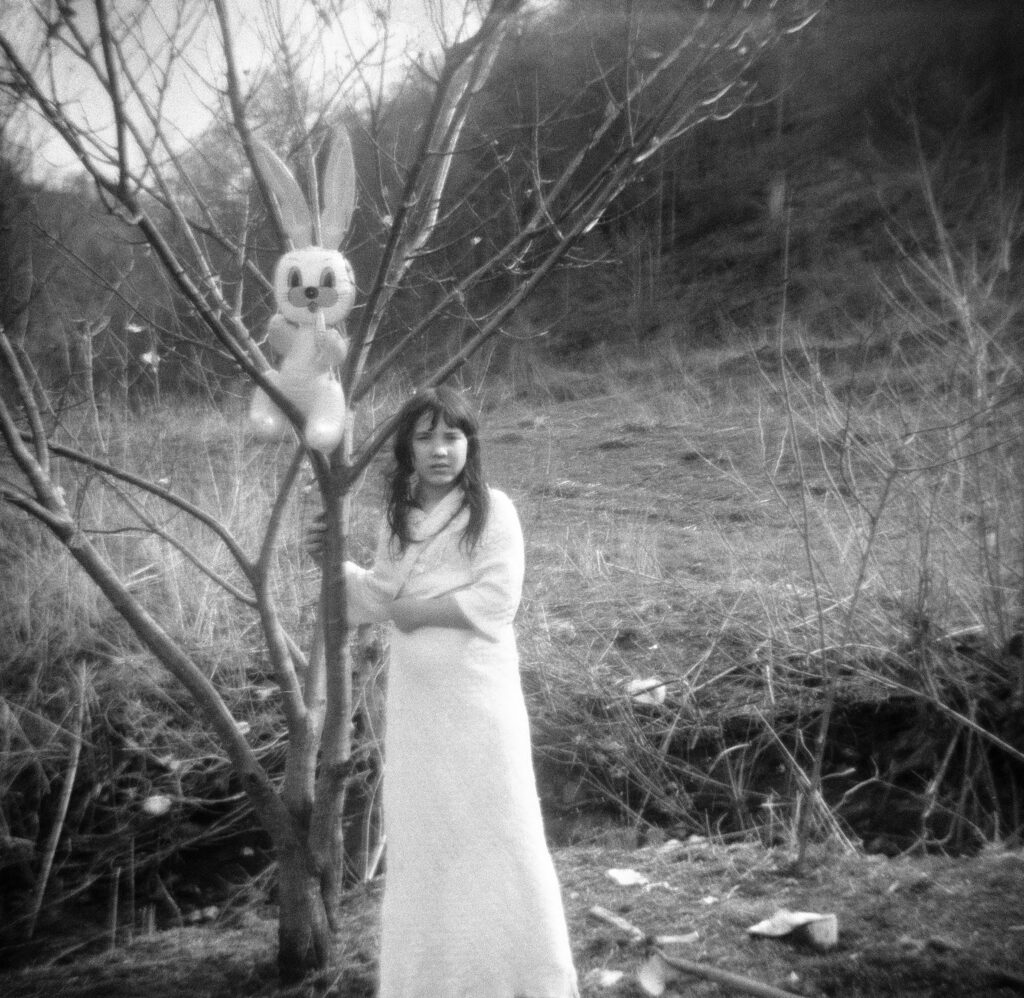
Easter morning,’ from ‘Portraits and Dreams’ by Wendy Ewald
(MACK, 2020). Courtesy the artist and MACK.
This was Ewald’s first project in a series of work that has taken place over the past five decades around the world. Many of these children would typically be overlooked but Ewald managed to create a project that turned towards them with boundless empathy that they are empowered to bloom. “I wanted them to expand their ideas about picture making but to stay close to what they felt deeply“, she explained in an absorbing essay within this book.
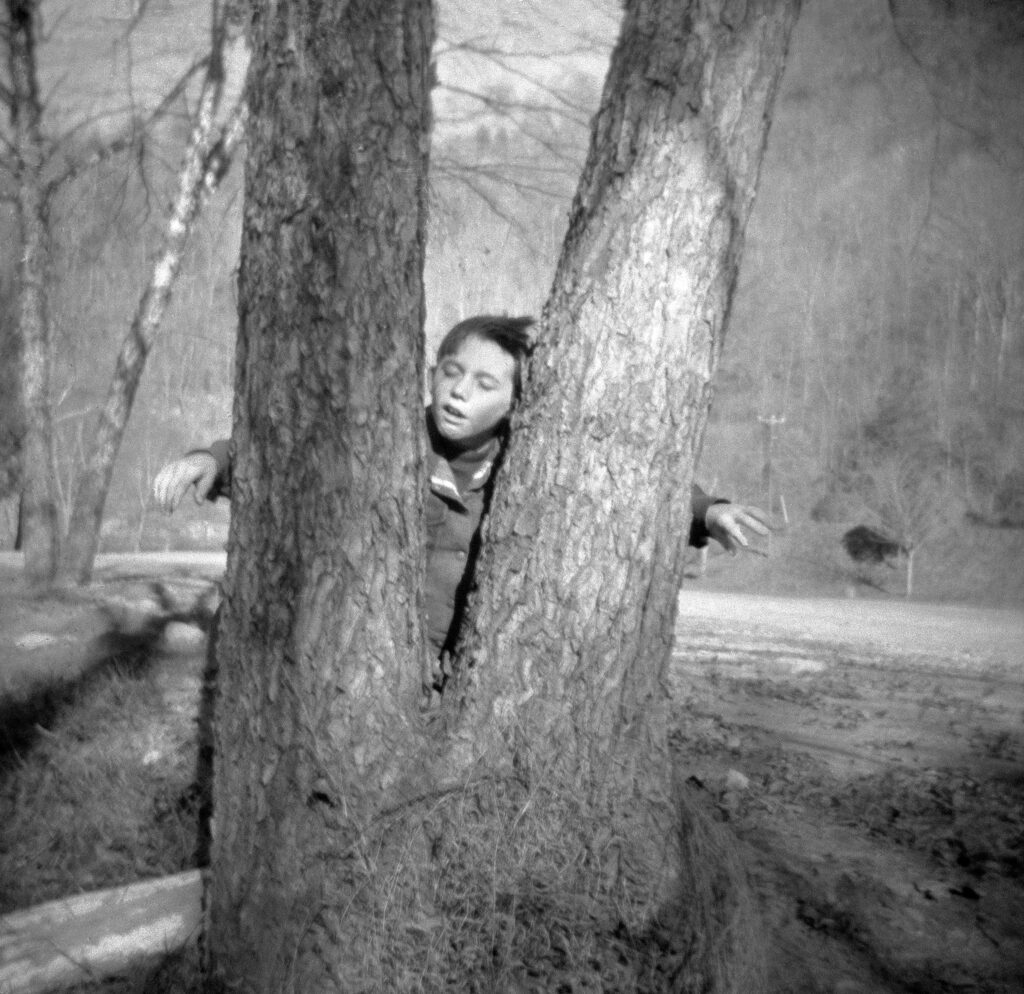
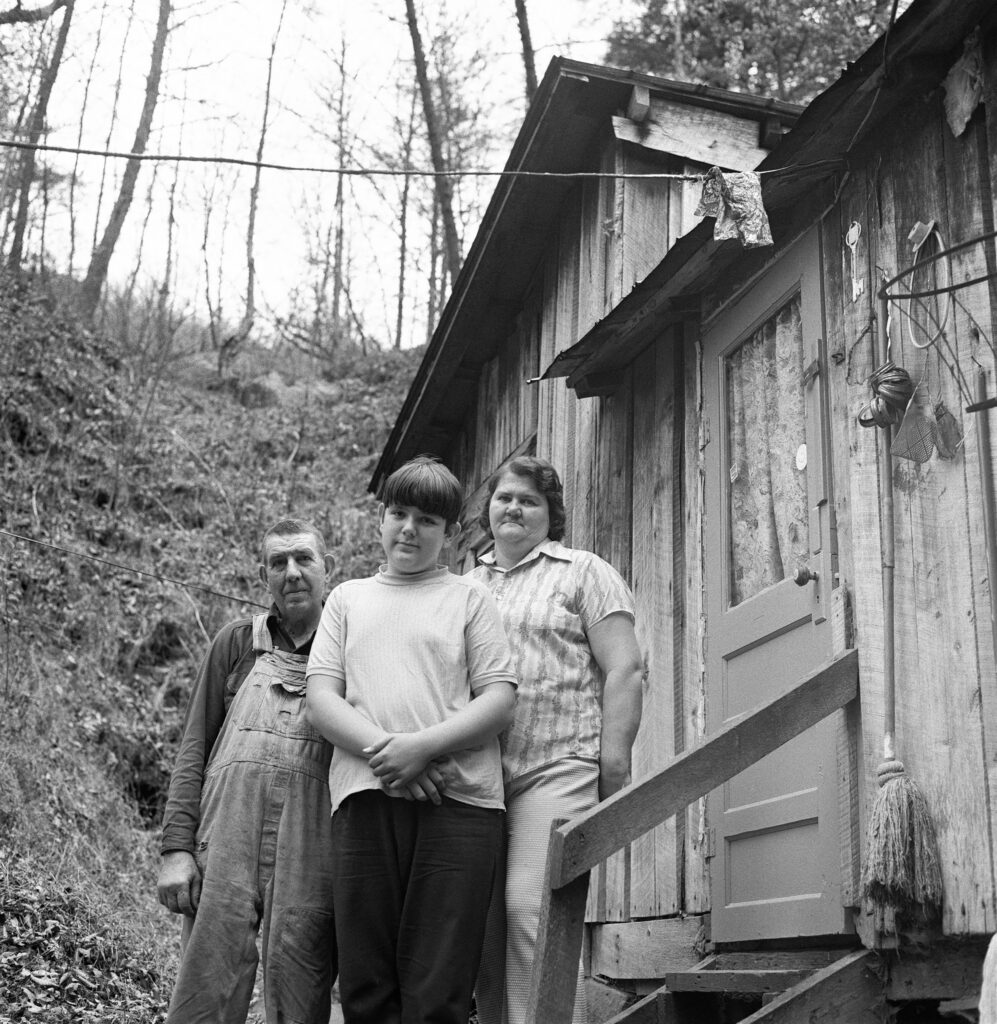
their house on Campbells Branch,’ from ‘Portraits and Dreams’
by Wendy Ewald (MACK, 2020). Courtesy the artist and MACK.
Ewald studied photography under American modernist Minor White, at M.I.T. more as an artist rather than as a documentarian. She moved to live in Whitesburg, Kentucky in 1975 not only to capture images of her own but also to teach workshops. She stayed for six years and it was there that she developed her benevolent streak of conceptualism.
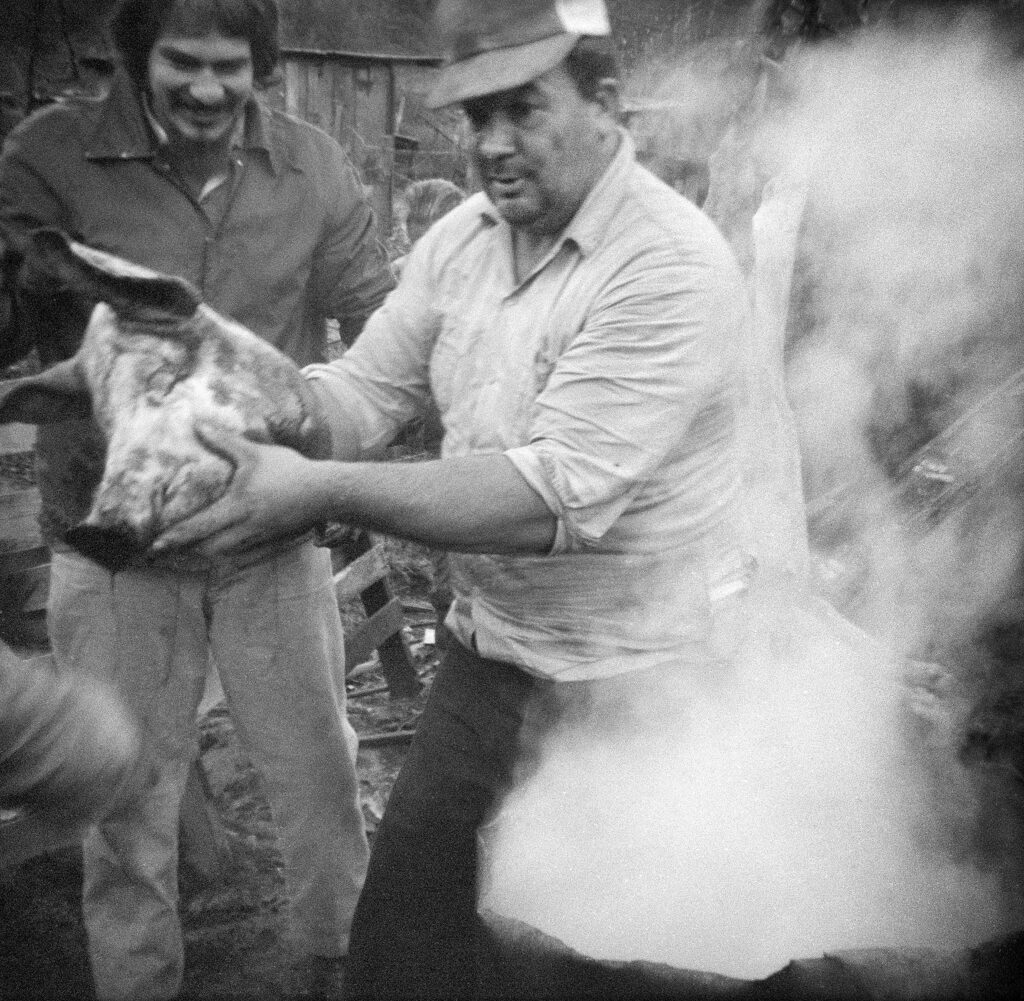
from ‘Portraits and Dreams’ by Wendy Ewald (MACK,
2020). Courtesy the artist and MACK.
The children and their families photographed in Portraits and Dreams lived in the heart of the Appalachian Mountains in 1975. It was there that she not only taught them how to use cameras and understand light but she also gave each child a camera to capture their own photographs. “The students bought 10 dollar Instamatic cameras from me; I hoped by buying the cameras they would value them as things that they had worked for and would have as long as they took care of them. If they didn’t have the money, they earned it by mowing lawns or holding a bake sale or a raffle. I supplied the children with film and flash“, she said. The project enabled them to learn more about their own environment and their lives, whilst also offering them the power to reflect and direct what they saw.
Each photograph tells a story of its own, as if torn from a novel, a fragment of a life reconstructing itself as you observe. The more you look, the more you see. The images echo what we already know but very often forbear.
Portraits and Dreams also prospers with an essay written by Ben Lifson photographer, critic and teacher who died on July 3, 2013 at the age of 72. Lifson was a prominent voice in photography criticism – the ICP’s Encyclopedia of Photography named him one of the most influential photography critics of the 1970s and ‘80s. He writes “these are photographs by children from the hollers of Letcher County, Kentucky – children familiar with mountains and woods and the ways of the small animals they hunt there with their .22s, children familiar with strip mines and shaft mines and deaths by mining accidents, black lung, suicide“.
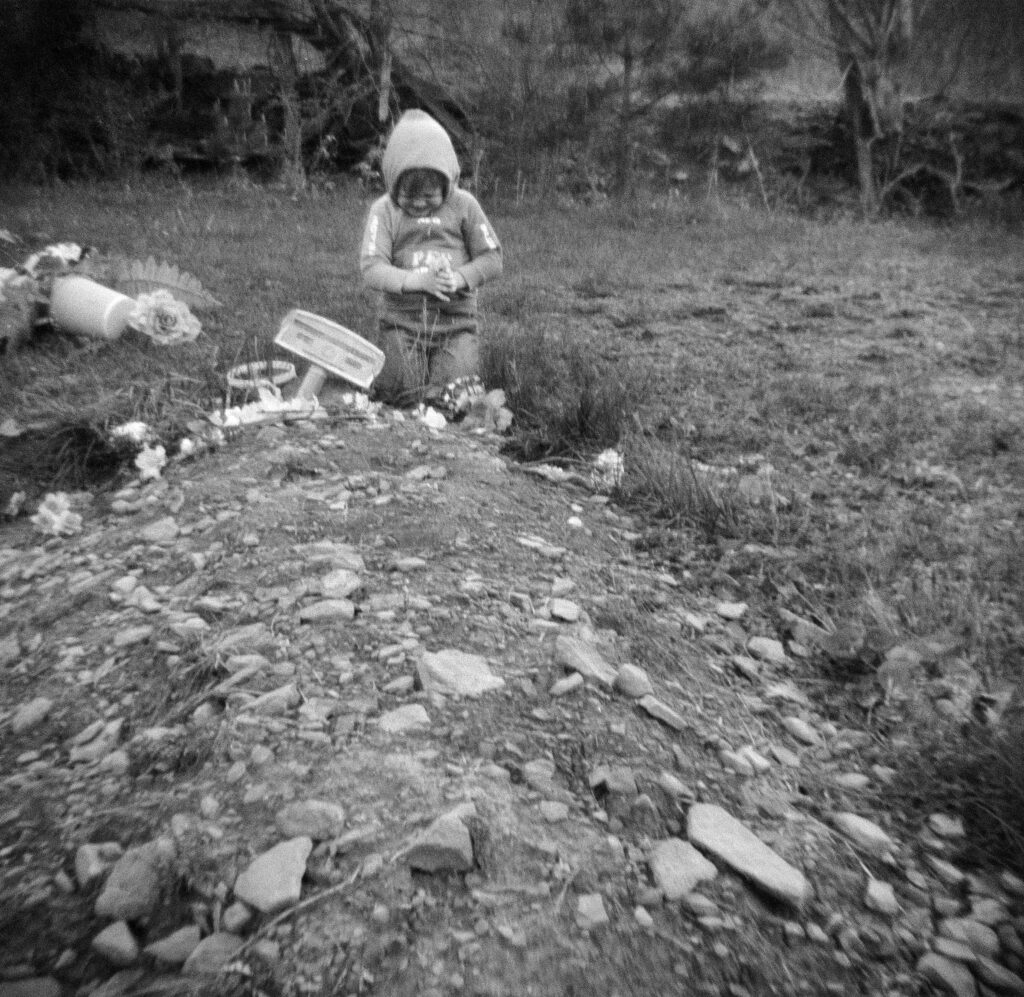
who have died,’ in ‘Portraits and Dreams’ by Wendy Ewald
(MACK, 2020). Courtesy the artist and MACK.
The updated version of this book revisits some of the children, now living as adults and unveils their present lives. Notably, it seizes our inquisitiveness as to whether any of their dreams or fears have become reality. Some have, some lives are better than we could have imagined and some much worse. Ultimately, this book is rooted in love and reveals how even the most paradisiacal of households and I did not really see one in Portraits and Dreams, can still quiver on the periphery of catastrophe.
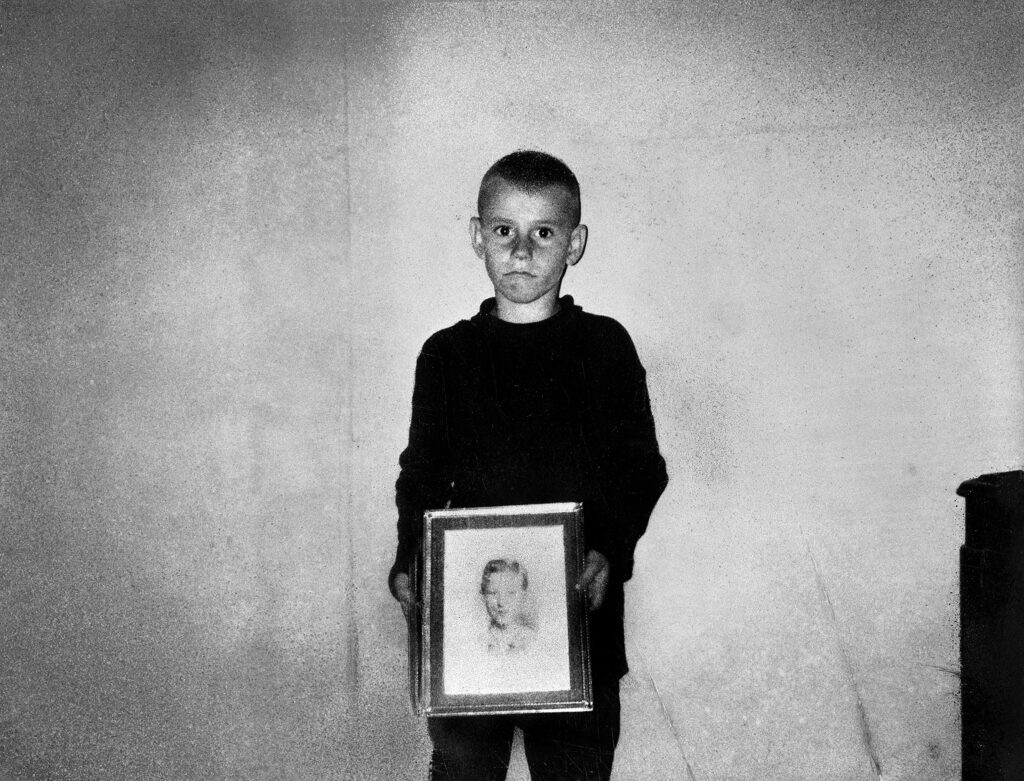
brother, Everett, who killed himself when he came back from
Vietnam’ in ‘Portraits and Dreams’ by Wendy Ewald (MACK,
2020). Courtesy the artist and MACK.
Portraits and Dreams by Wendy Ewald is a treasure trove. The physical book itself is a joy in the hand and as individual pages are turned, the curation and placement of each photograph demonstrates the arcane knowledge that only good curators can demonstrate, ultimately they are storytellers and bring with it a sense of theatre and occasion. Lifson ends with “who among you does not wish that you could recall better what you imagined when you were young, or what the world looked like, or what you wore, when you imagined it?”, who wouldn’t?
Portraits and Dreams (2020) by Wendy Ewald, published by MACK
Please help…
We have a small favour to ask. More people than ever are reading TheAppWhisperer.com and we could not be more excited about that. We specialise in mobile photography and mobile art and we value all of our readers, writers, contribu
tors and viewers but we do have costs and we do need to ask for your help. We at TheAppWhisperer spend many hours each day, each week and each month to bring you this high quality level of journalism. We do it because we are passionate about it and because we want others to be as passionate too.
If everyone who reads our website, who likes it, helps to support it, our future would be so much more secure. Please help us by offering a contribution or supporting us with a monthly donation of your choosing.

Joanne Carter
Joanne Carter is a British photographer, photography journalist, editor and curator and the founder and editorial director of TheAppWhisperer.com, an independent international photography publication established in 2009.Her journalism, criticism and commentary have appeared in The Times, The Sunday Times, The Guardian, Financial Times, BBC, Vogue Italia, LensCulture, Popular Photography, Android Magazine, NikonPro, DPReview, Which Digital Camera and Which Camera. She has lectured internationally on photography and mobile art, served as a juror for international photography awards, and exhibited her own photographic work across the UK, Europe, South Korea and the United States.Alongside her editorial work, Joanne's photographic and postgraduate research explores death, grief, memory, representation and social inequality through contemporary photography, participatory practice and visual research methods, with the longer-term aim of developing this work through doctoral research.Through TheAppWhisperer, she continues to publish independent photography journalism spanning contemporary photographic practice, mobile imaging, photographic apps, computational photography and emerging imaging technologies.Joanne is available for editorial commissions, photography projects, judging, curatorial work, speaking engagements, consultancy and selected collaborations.