Mobile Photography and Art Interview – Hope In Adversity Interview with Joy Barry
Today, we are publishing our ninth interview in our new series, Hope in Adversity. One that’s based around art, artists and isolation during the midst of Covid-19. This deeply compassionate interview is with talented mobile artist Joy Barry, it reflects both on how art can represent the body and how it makes itself felt, throughout and within our bodies. Barry’s tender attention to the complexities of human emotion, and the compassion it coaxes from clear-eyed perception enables her to create art whilst fully conversant that love, inevitably holds pain. Enjoy!
If you are social distancing or social isolating at this time, are you using any additional time you may have to create mobile digital art or photography?
For the past several weeks, I have been staying with my sister while she and I care for her son (my nephew) who is terminally ill. He’s receiving intermittent in-home nursing care from a local hospice provider, but his mother and I are his primary caregivers.
During this time, the Coronavirus has been spreading internationally and exponentially and news programs have been non-stop, informative, and somewhat grim. Due to the highly contagious nature of the virus, and in an attempt to protect my immune-compromised nephew and his caregivers, the hospice advised us to restrict visitors to only those most essential to my nephew’s care. [Fortunately, he said his good-byes to relatives, friends, and colleagues; therefore, this restriction was not as much of a hardship for him as it has been for his friends and family.]
For me, this period feels both reverent and surreal. I am so grateful to have the clinical expertise and the support system necessary to be present for my sister and nephew and to provide the love, support, hands-on care, advocacy, and effective symptom palliation everyone deserves at the end of life.
Against this most intimate and sacred of backdrops, the whole Coronavirus pandemic seems surreal — like I am switching my focus from “macro” (my nephew’s unique, individual, and final journey) to “wide” (our global, collective, human journey). Perhaps that is part of the reason I find myself compelled to leave the house for a little while each day — to walk outside; to breathe; to be in nature; to renew my spirit; to refresh my heart and mind; to appreciate my surroundings; to capture images with my iPhone; to preserve this unique milieu. Life feels more precious when my awareness is focused.
If so, have you noticed the style of art that you’re creating changing from what you would normally create?
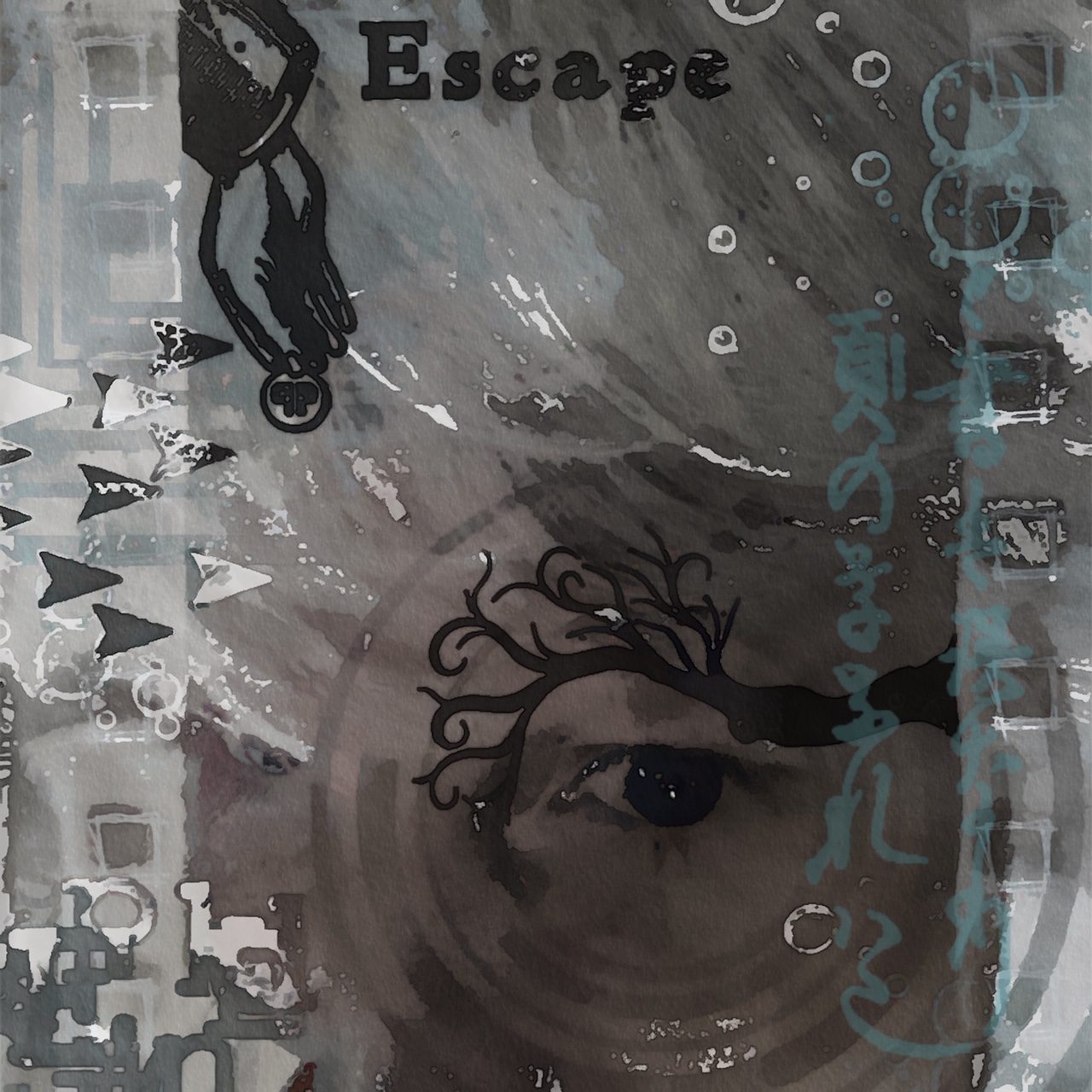
My style has definitely changed these past several weeks. I find myself wishing I could capture the beauty of my nephew’s face, expressions, and body but not wanting to be intrusive or exploitative; perhaps wishing to preserve him. I also find myself seeking more spiritually poignant/meaningful images to express the tender beauty of these moments.
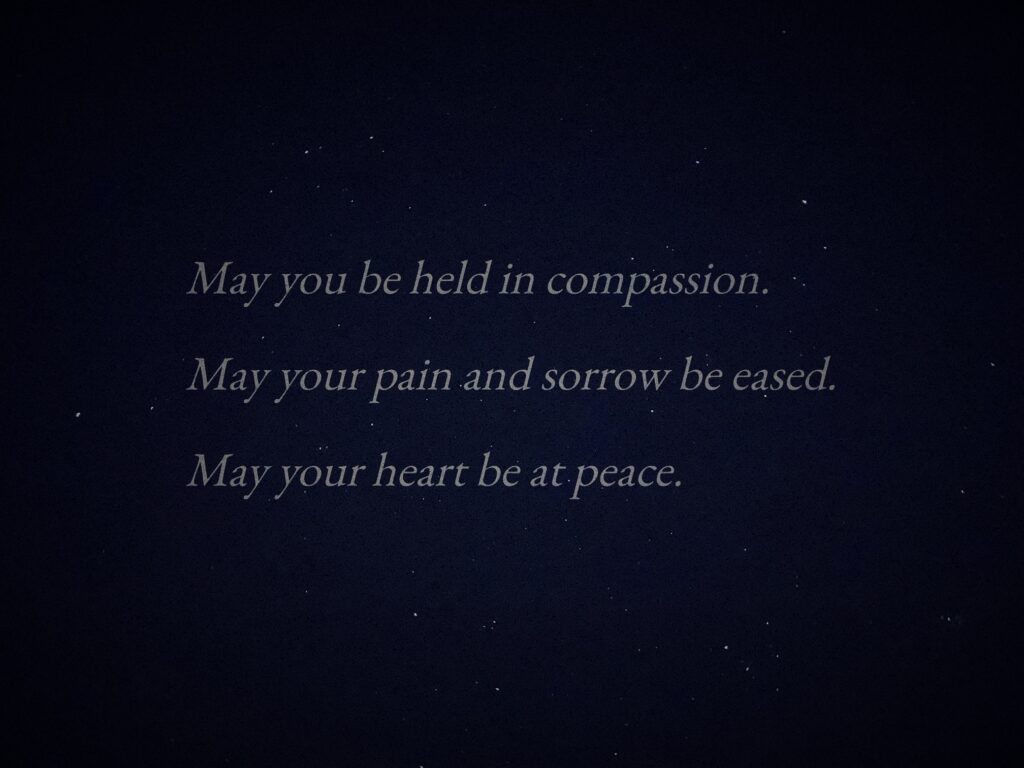
If yes, to the above, can you explain how your art has changed?
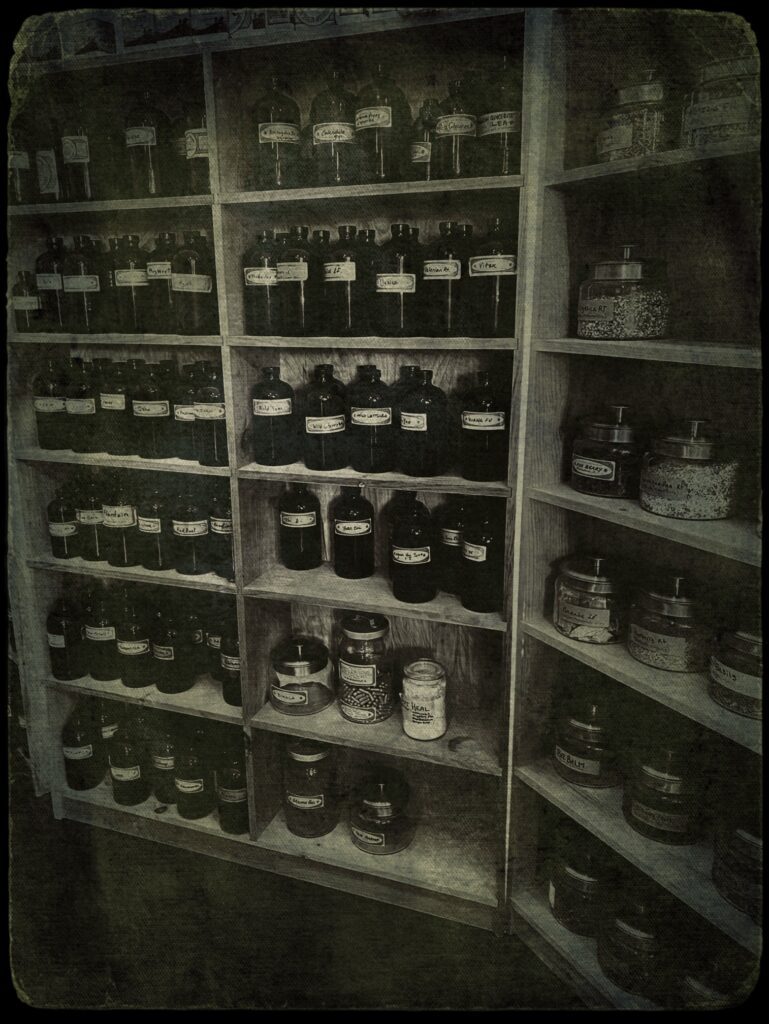
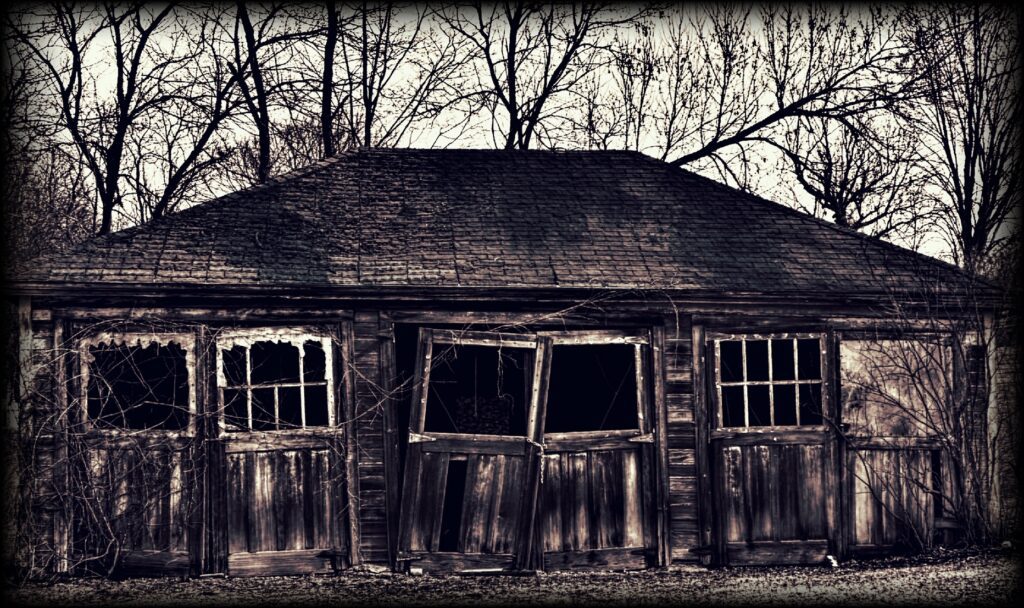
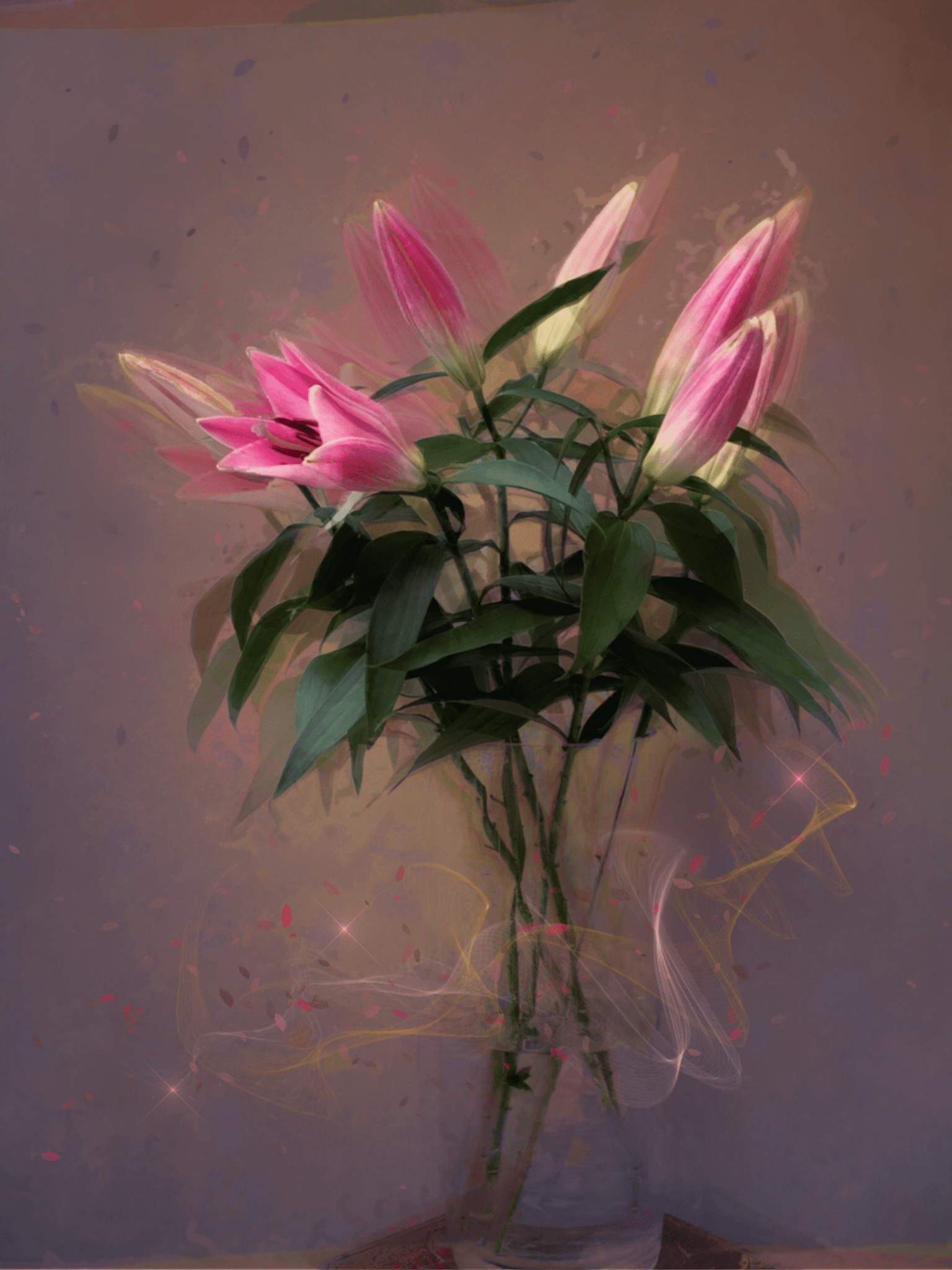
My usual/favorite digital art workflows involve vibrant macro flower photography; however, my art feels a bit darker than usual right now. Someone described a recent image I posted on Facebook as “melancholic” and I would have to agree.
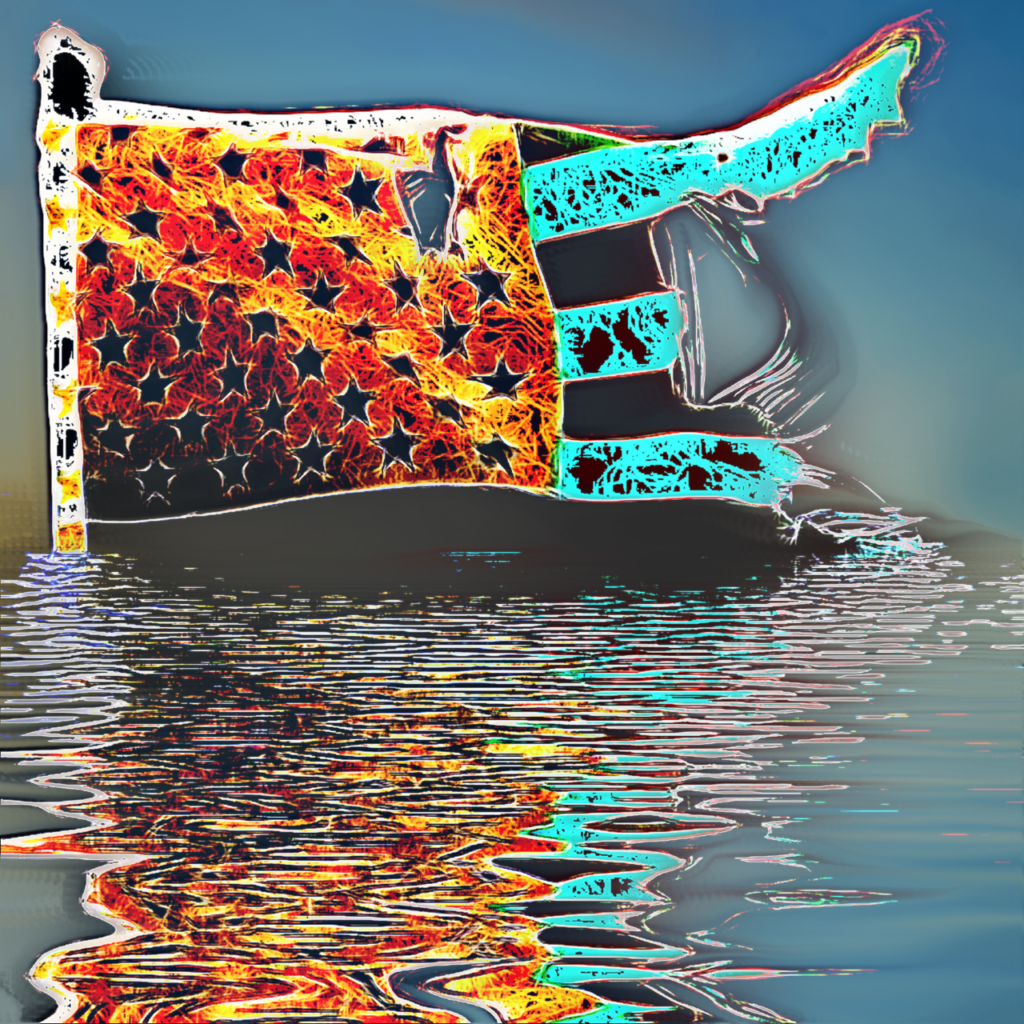
Have you found additional inspiration to create at this time?
I am a member of the Cape Cod Art Center’s Digital Art Group, which is facilitated by a fabulously talented artist, Barbara Braman. During this time of social distancing, Barbara is keeping our group connected, inspired, and productive with digital art challenges such as “round robin” collaborations and solo projects that we post on our group’s Facebook page.
We use a structured feedback format that was provided by another accomplished artist, Meri Walker. After studying an image, the viewer provides feedback using the following three statements: “I see…” (to describe what stands out — for you, the viewer — about the image); “I feel…” (to articulate which feelings rise up while viewing the image); “I wonder…” (to provide constructive feedback and other commentary). As a viewer, I find using this format helps me really study each image and provide meaningful feedback; as an artist, I am humbled by and grateful for the opportunity to consider and grow from alternative views and feedback.
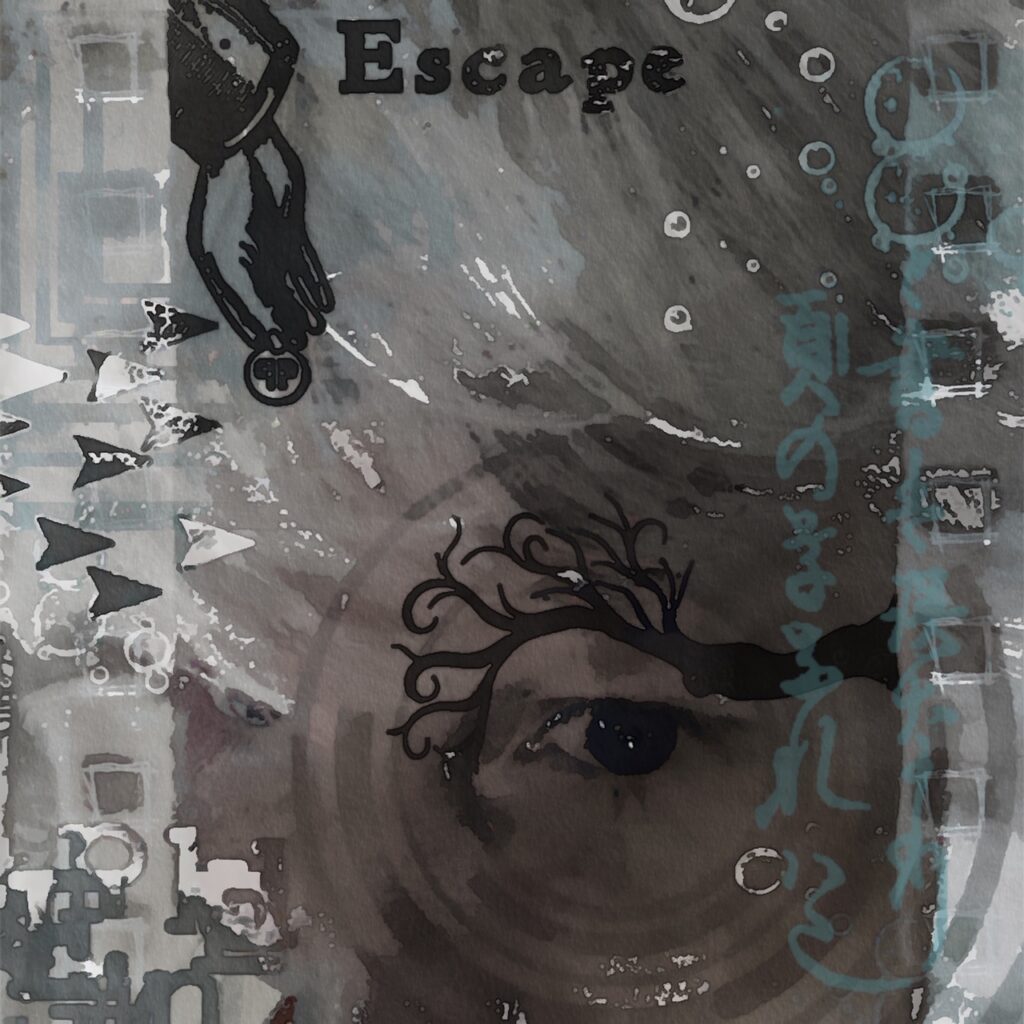
Is creating mobile digital art/photography, helping you at this time especially, how and why?
This is such a poignant time for me personally, and such a time of uncertainty and distress globally, that creating art is especially important and impactful to me. When shared, art touches us, it moves us, it connects us. Art has: The power to activate; the universality to unite; and the ability to ignite our innermost essence. Art invites inspiration in its truest meaning — by breathing life into us.
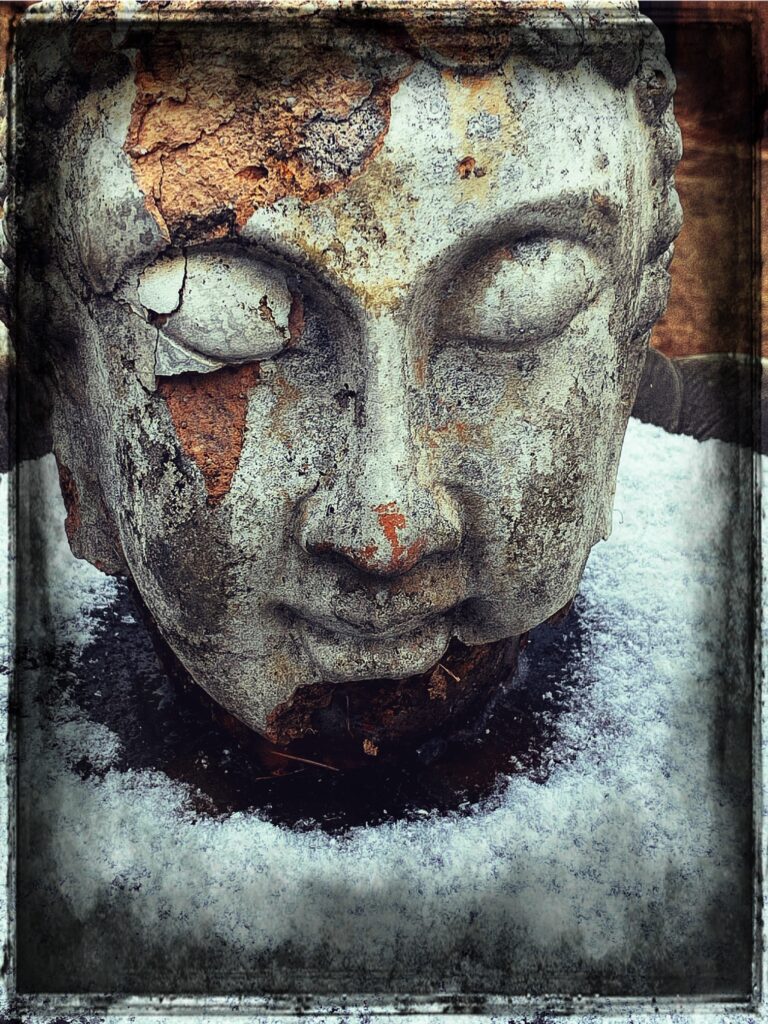
Do you feel that sharing mobile art/photography at this time is spreading a unity of peace?
I believe in the importance of sharing art as widely as possible, especially in times like these. I am so thankful that the New York Metropolitan Opera launched a free streaming service so people can access their performances every night; museums are providing free virtual tours; Yo Yo Ma and other musicians are providing free “comfort music” online; and the list goes on and on. People are amazing.
They are cleaver, and funny, and inspirational, and resilient; and willing to help one another in these uncertain times. And it’s a beautiful (and oh-so-important) thing. Digital sharing, specifically, allows for instantaneous, world-wide communication, making the world seem smaller, perhaps even more united. It reminds me that we all live on this incredible planet together, and it makes a vision of unity and peace seem within our reach.
Anything else you would personally like to add?
I believe the current global pandemic is providing us with an opportunity to redefine “community”. What comprises a community? What does it mean to be part of a community? How can we help one another in turbulent and uncertain times such as these? How do we stay healthy, vibrant, inspired, connected — alive?
In closing, I wish to thank Joanne Carter and TheAppWhisperer for asking me to participate in this “Hope in Adversity” project and to thank you for reading my interview. Also, thank you for creating and sharing your art. Thank you for inspiring me.
Please read…
TheAppWhisperer has always had a dual mission: to promote the most talented mobile artists of the day and to support ambitious, inquisitive viewers the world over.
As the years pass TheAppWhisperer has gained readers and viewers and found new venues for that exchange. All this work thrives with the support of our community.
Please consider making a donation to TheAppWhisperer as this New Year commences because your support helps protect our independence and it means we can keep delivering the promotion of mobile artists that’s open for everyone around the world.
Every contribution, however big or small, is so valuable for our future.

Joanne Carter
Joanne Carter is a British photographer, photography journalist, editor and curator and the founder and editorial director of TheAppWhisperer.com, an independent international photography publication established in 2009.Her journalism, criticism and commentary have appeared in The Times, The Sunday Times, The Guardian, Financial Times, BBC, Vogue Italia, LensCulture, Popular Photography, Android Magazine, NikonPro, DPReview, Which Digital Camera and Which Camera. She has lectured internationally on photography and mobile art, served as a juror for international photography awards, and exhibited her own photographic work across the UK, Europe, South Korea and the United States.Alongside her editorial work, Joanne's photographic and postgraduate research explores death, grief, memory, representation and social inequality through contemporary photography, participatory practice and visual research methods, with the longer-term aim of developing this work through doctoral research.Through TheAppWhisperer, she continues to publish independent photography journalism spanning contemporary photographic practice, mobile imaging, photographic apps, computational photography and emerging imaging technologies.Joanne is available for editorial commissions, photography projects, judging, curatorial work, speaking engagements, consultancy and selected collaborations.
You May Also Like
Mobile Photography and Art Interview – Hope In Adversity Interview with Susan Latty from Sydney, Australia
Mobile Photography and Art ‘Hope in Adversity’ Interview with Catherine Caddigan from the United States