Mobile Artists on Their Artistry – Interview with Rita Colantonio from Cape Cod, United States
We are delighted to publish the tenth of our new styled interview entitled ‘Mobile Artists on Their Artistry’. Within this interview, we ask highly successful mobile artists twenty questions about their backgrounds, their work, social media, how Covid-19 has influenced their creative life and so much more…
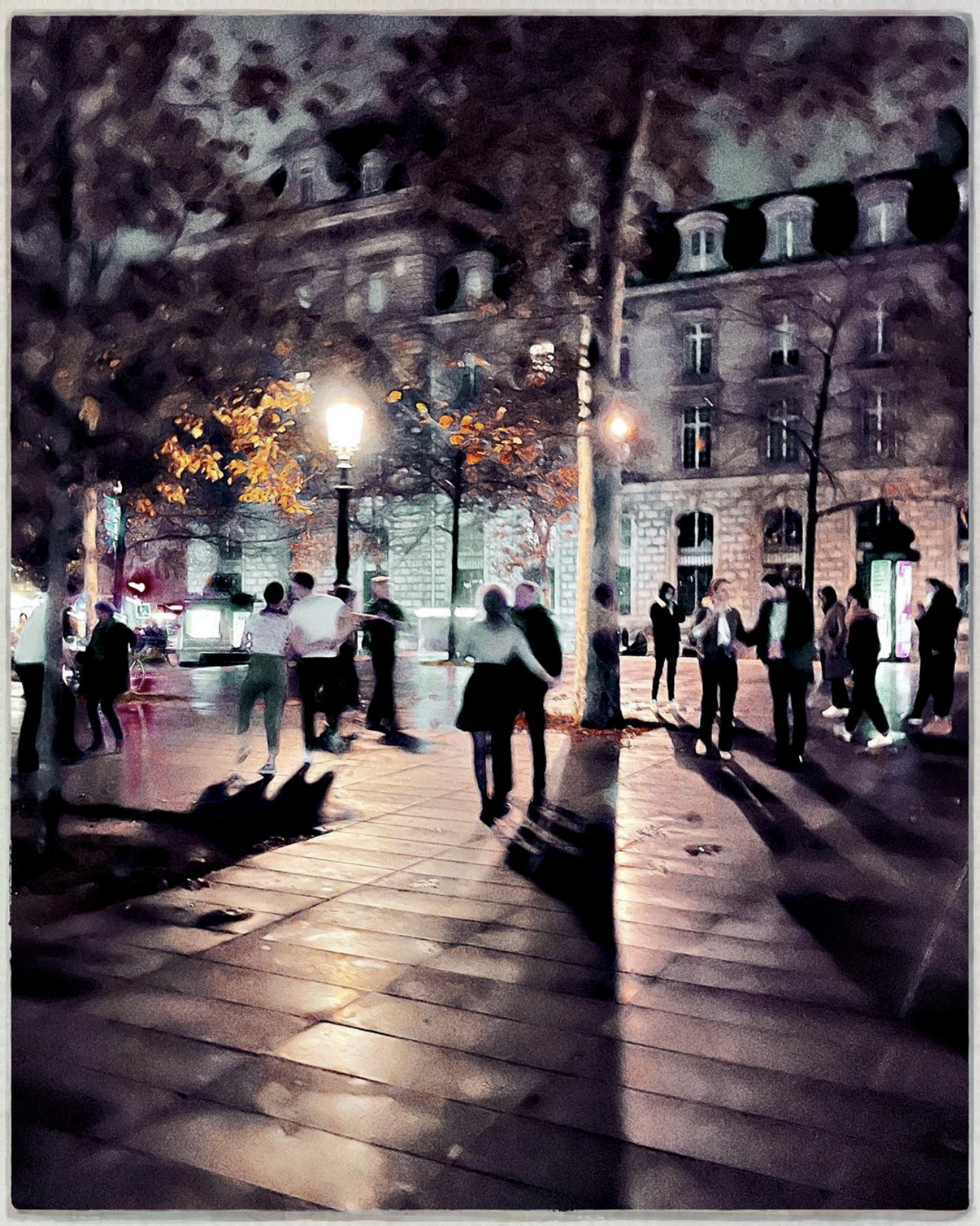
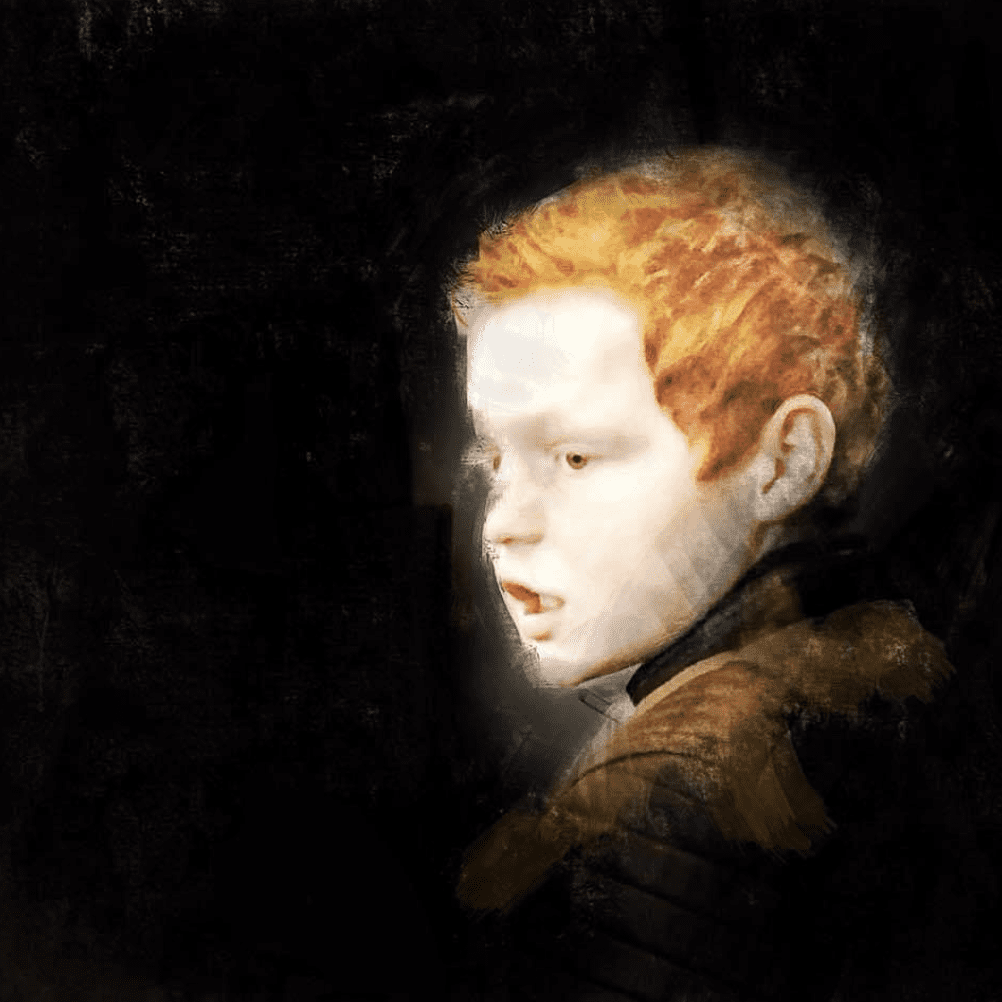
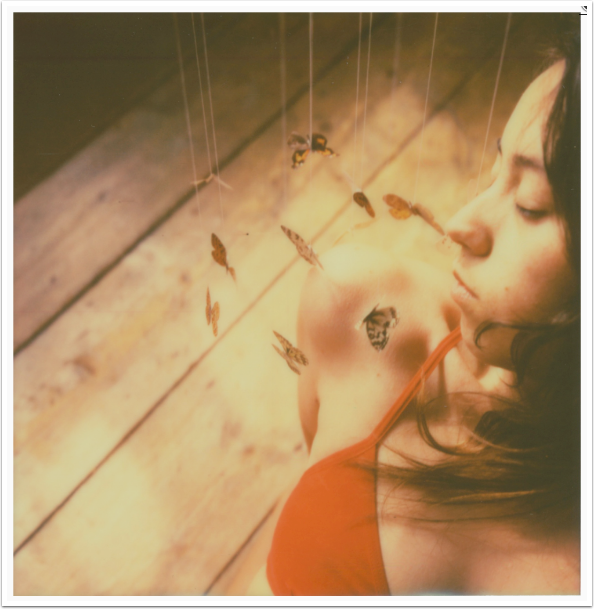
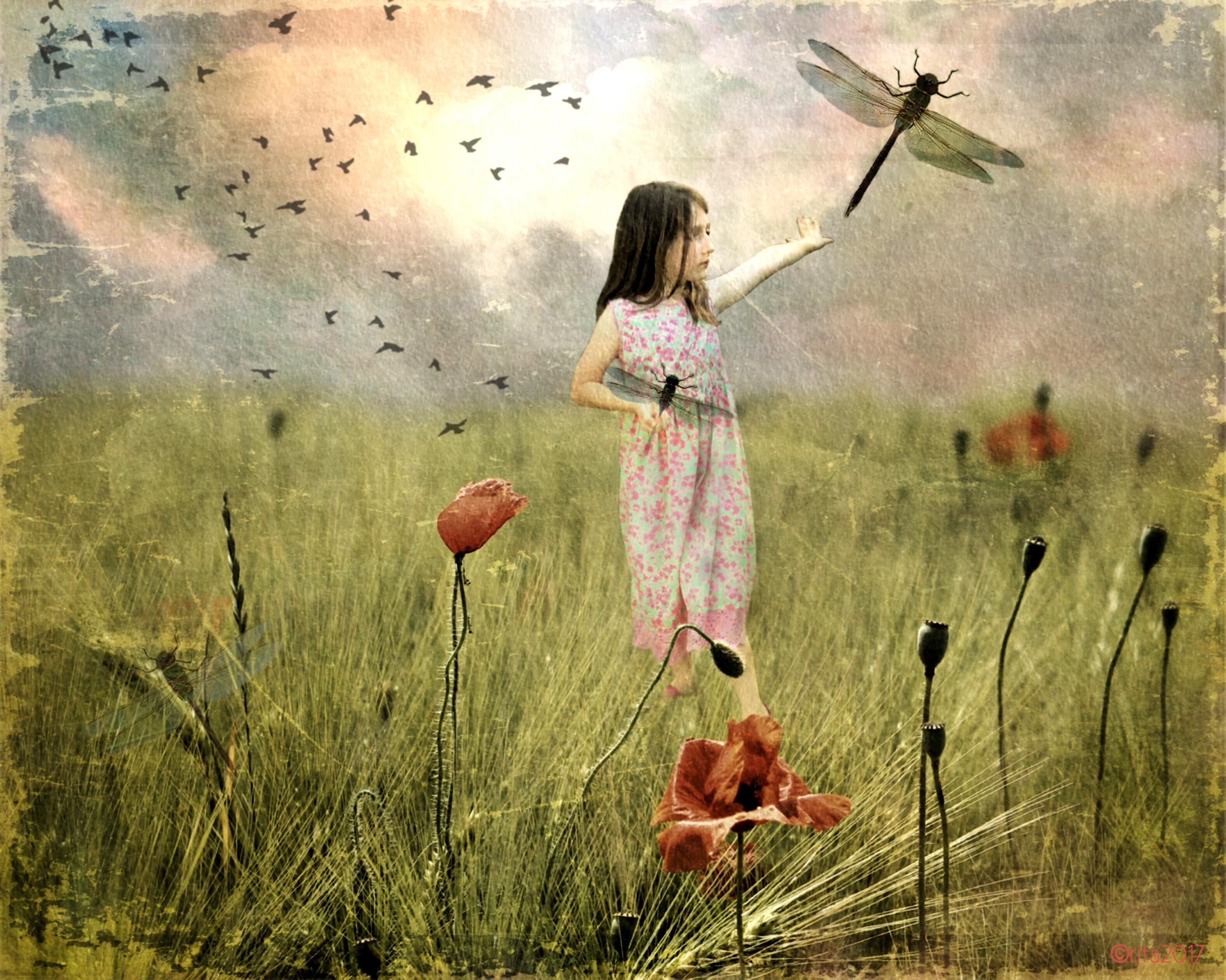
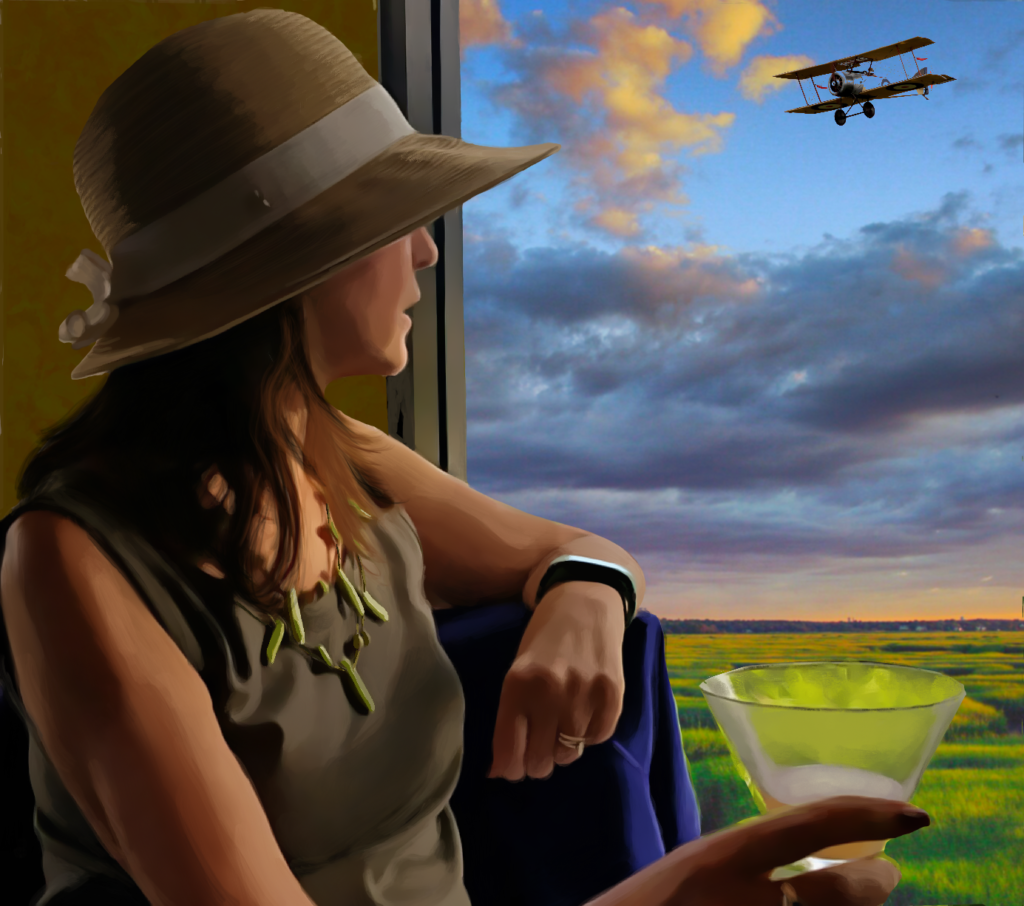
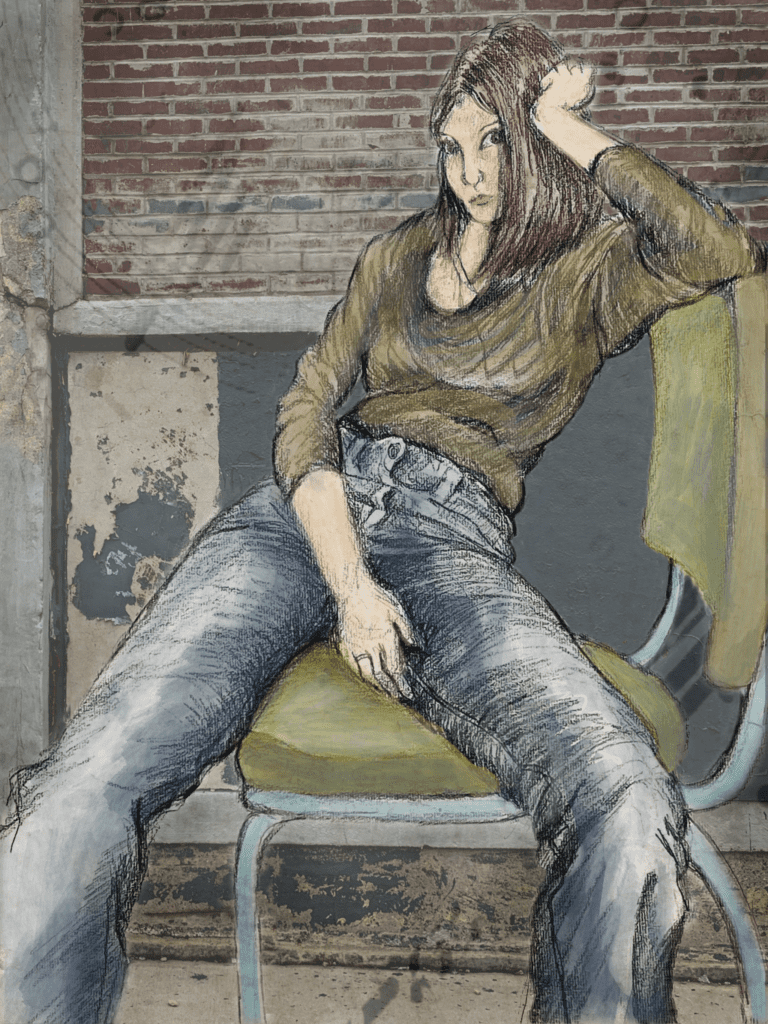
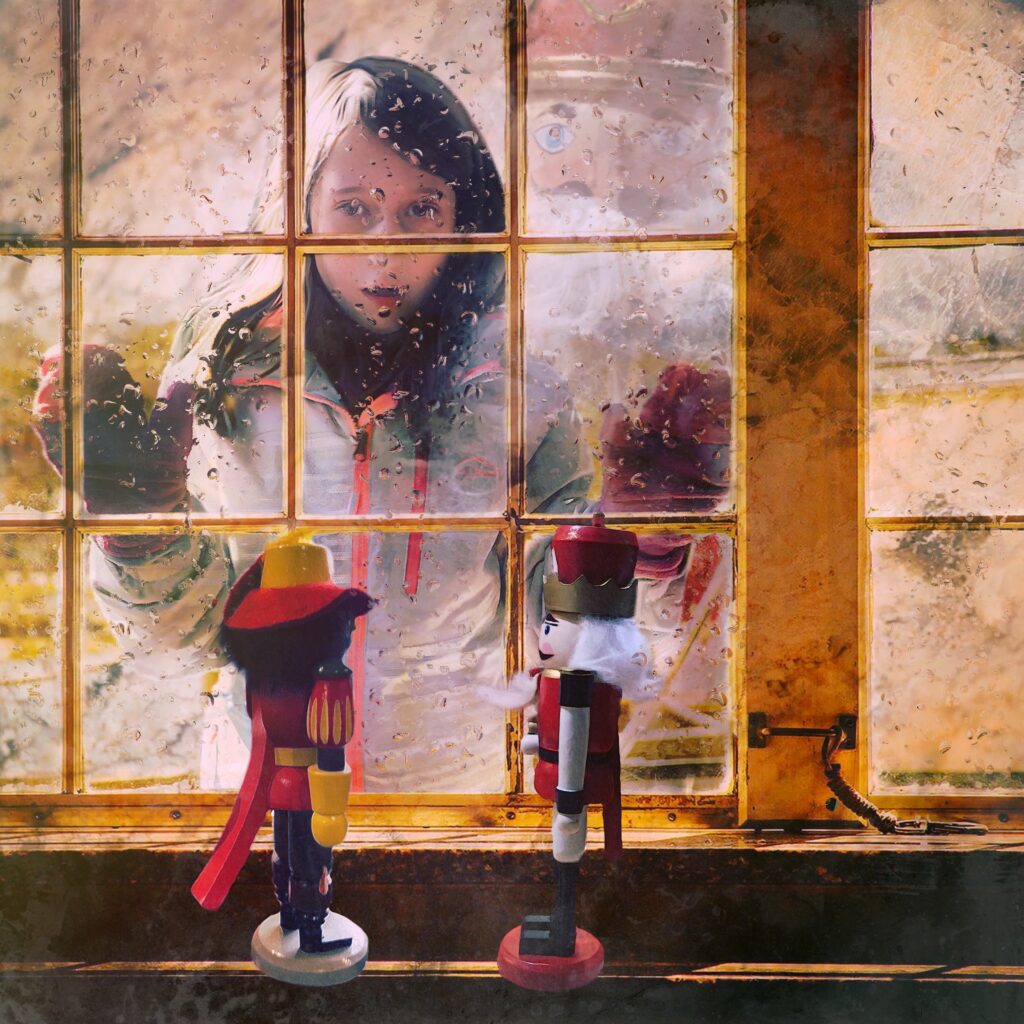
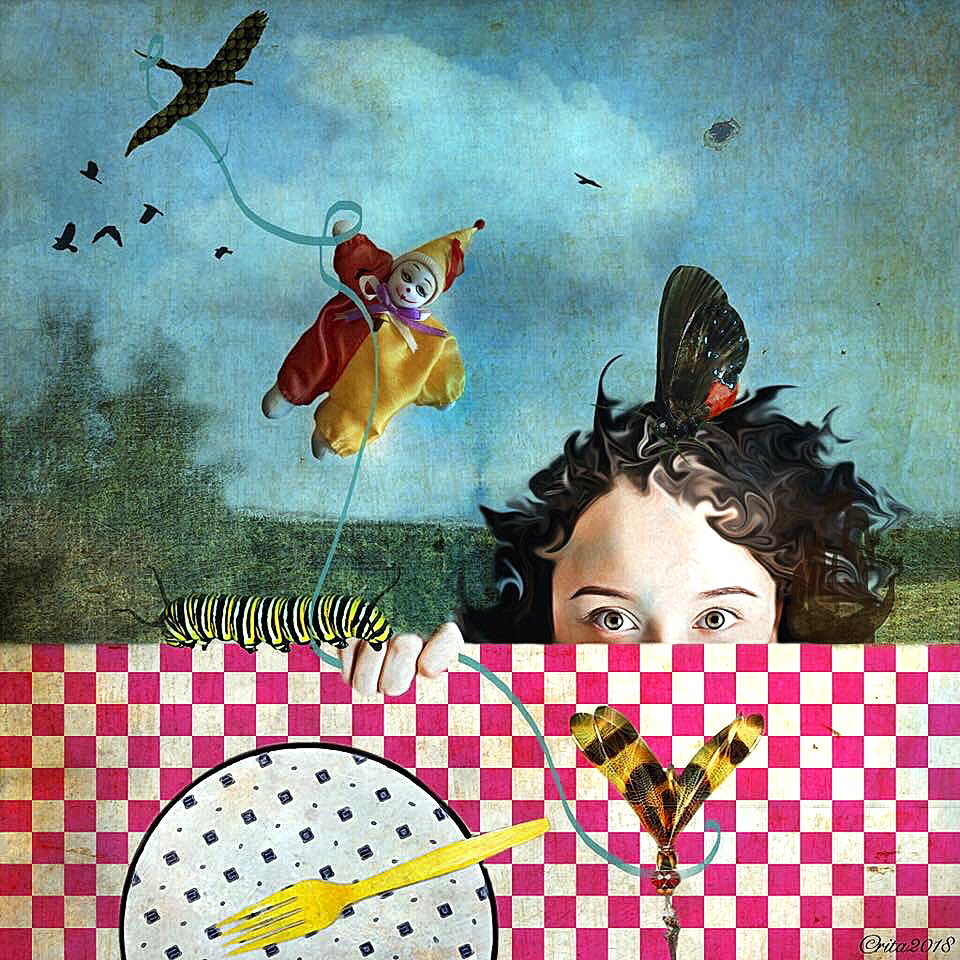
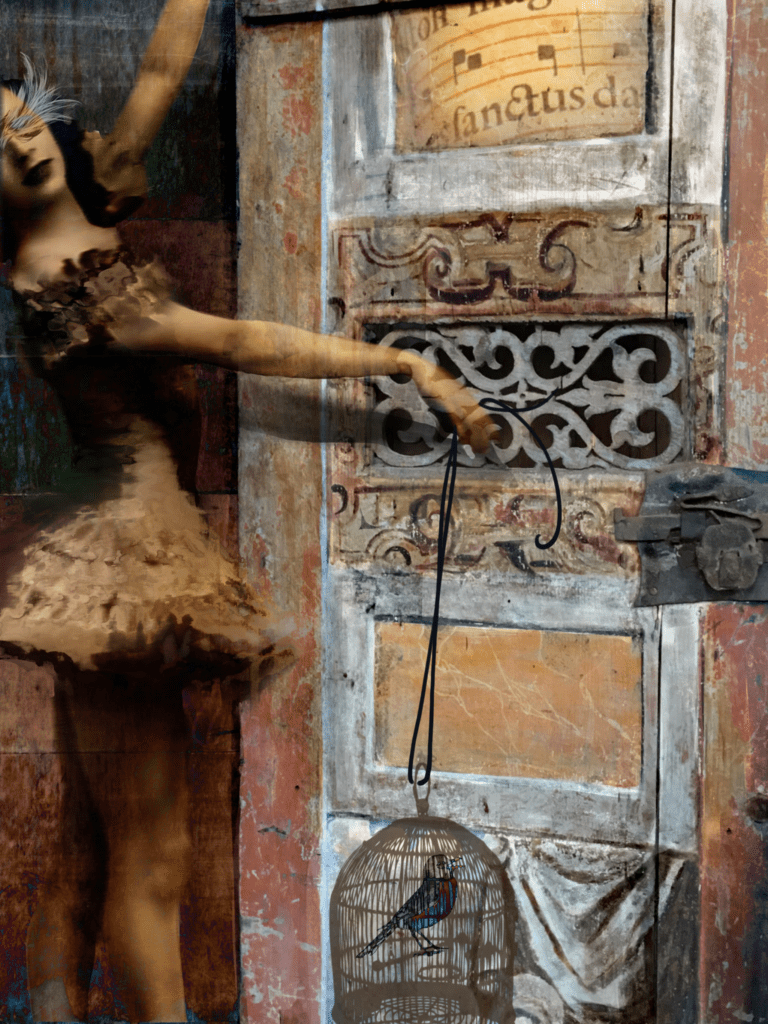
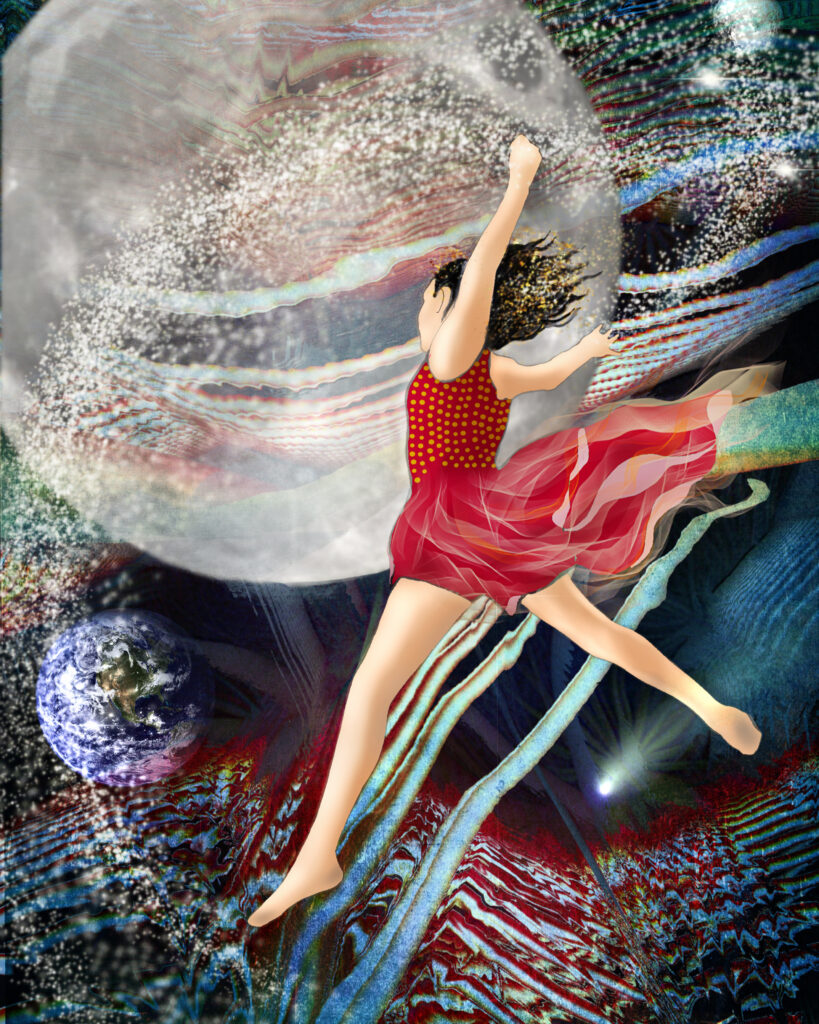
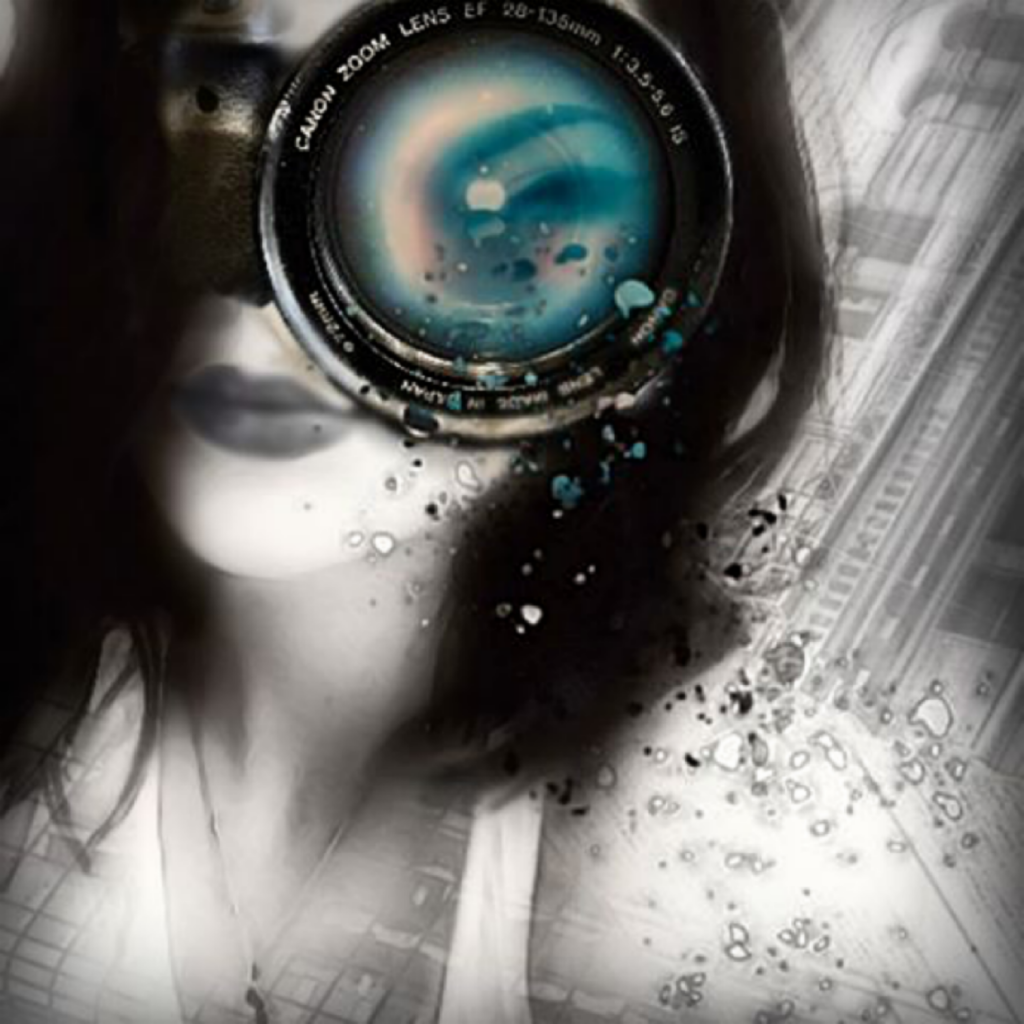
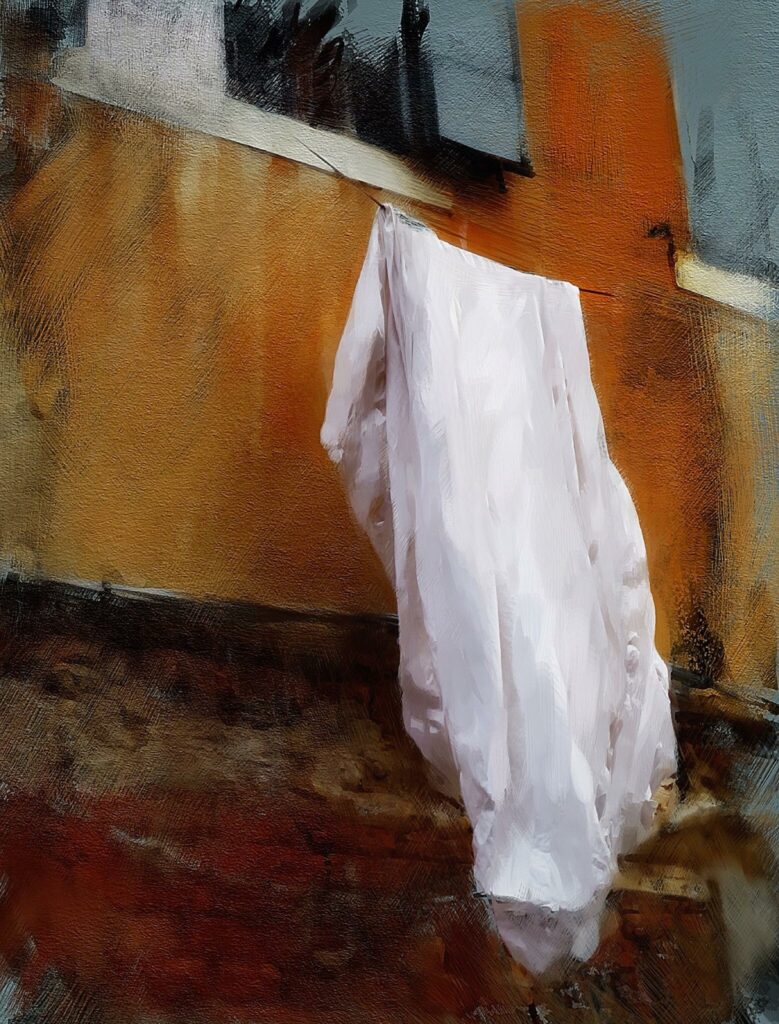
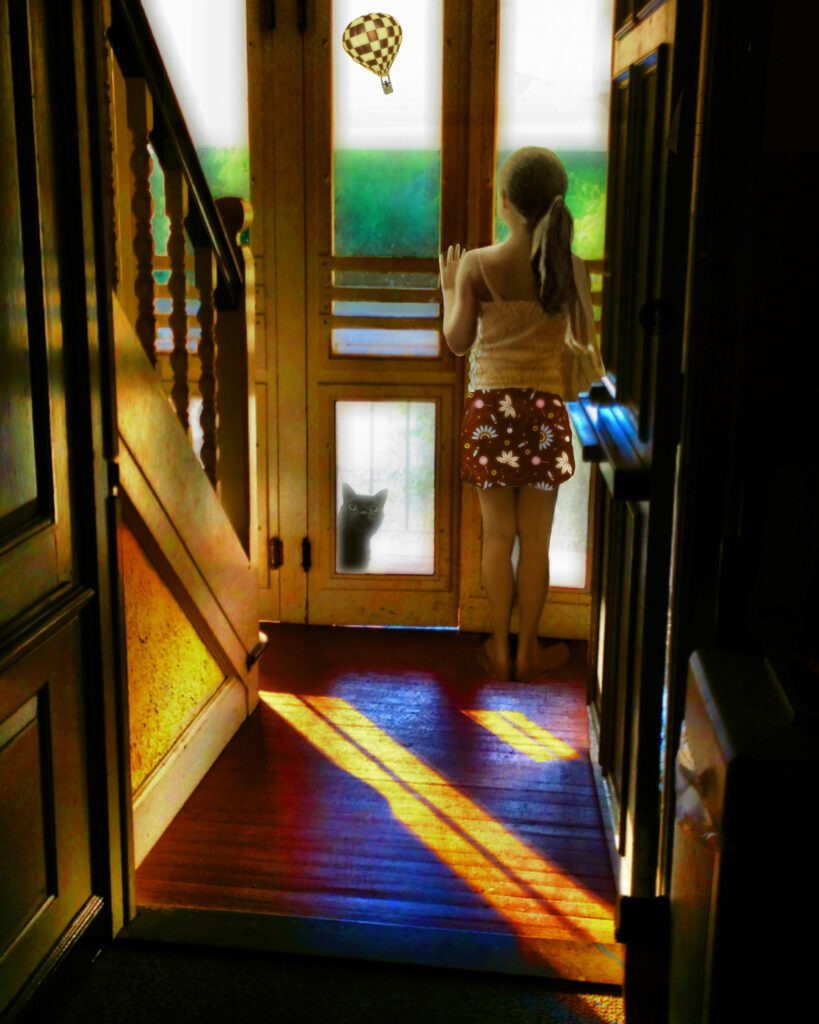
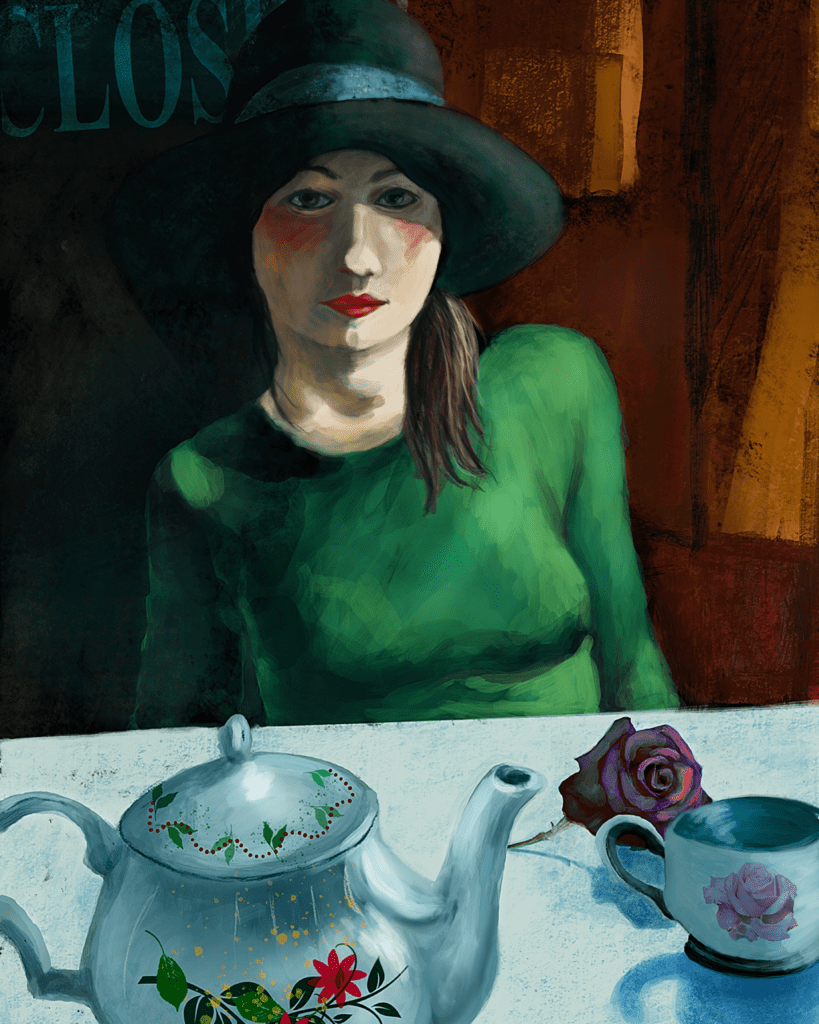
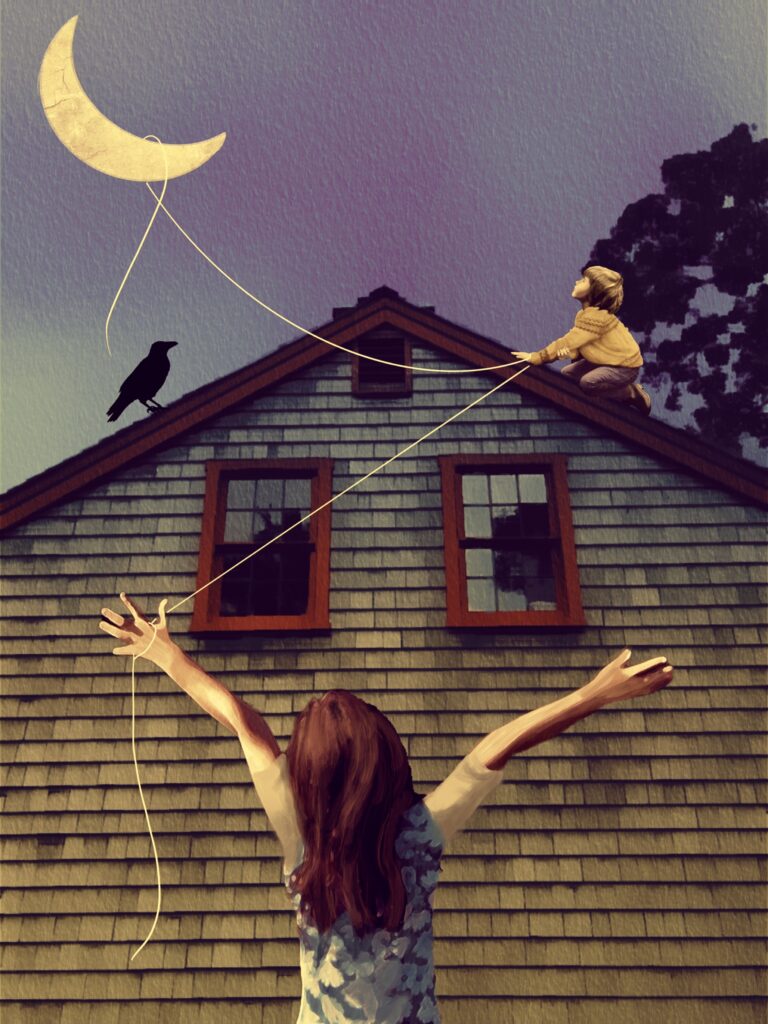
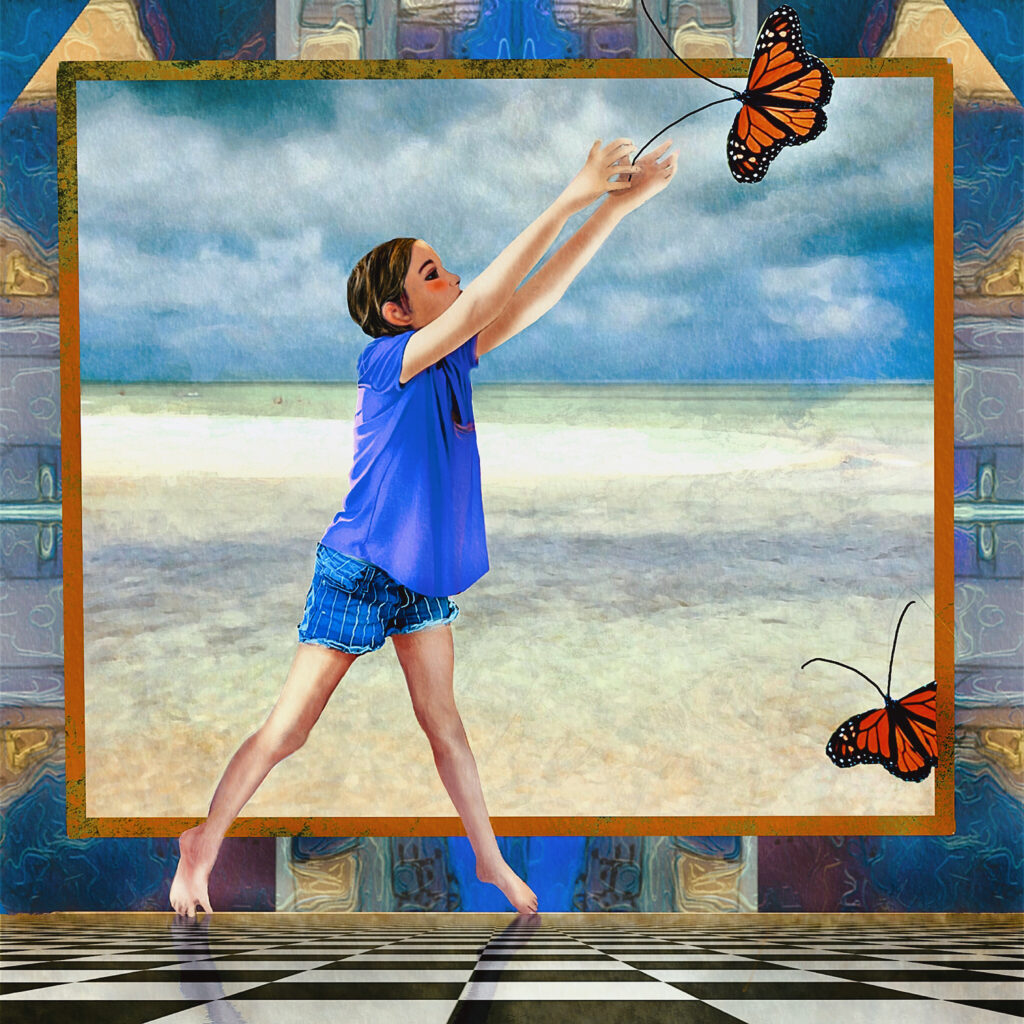
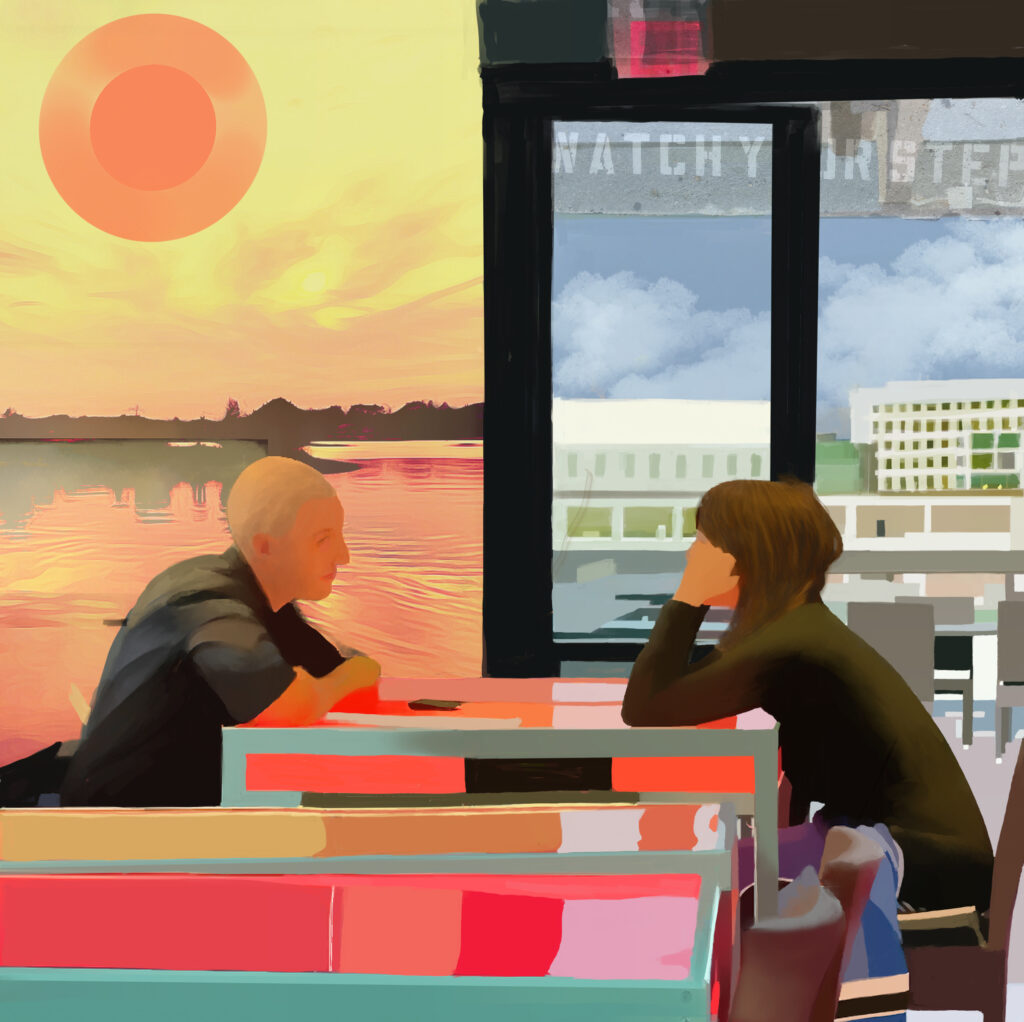
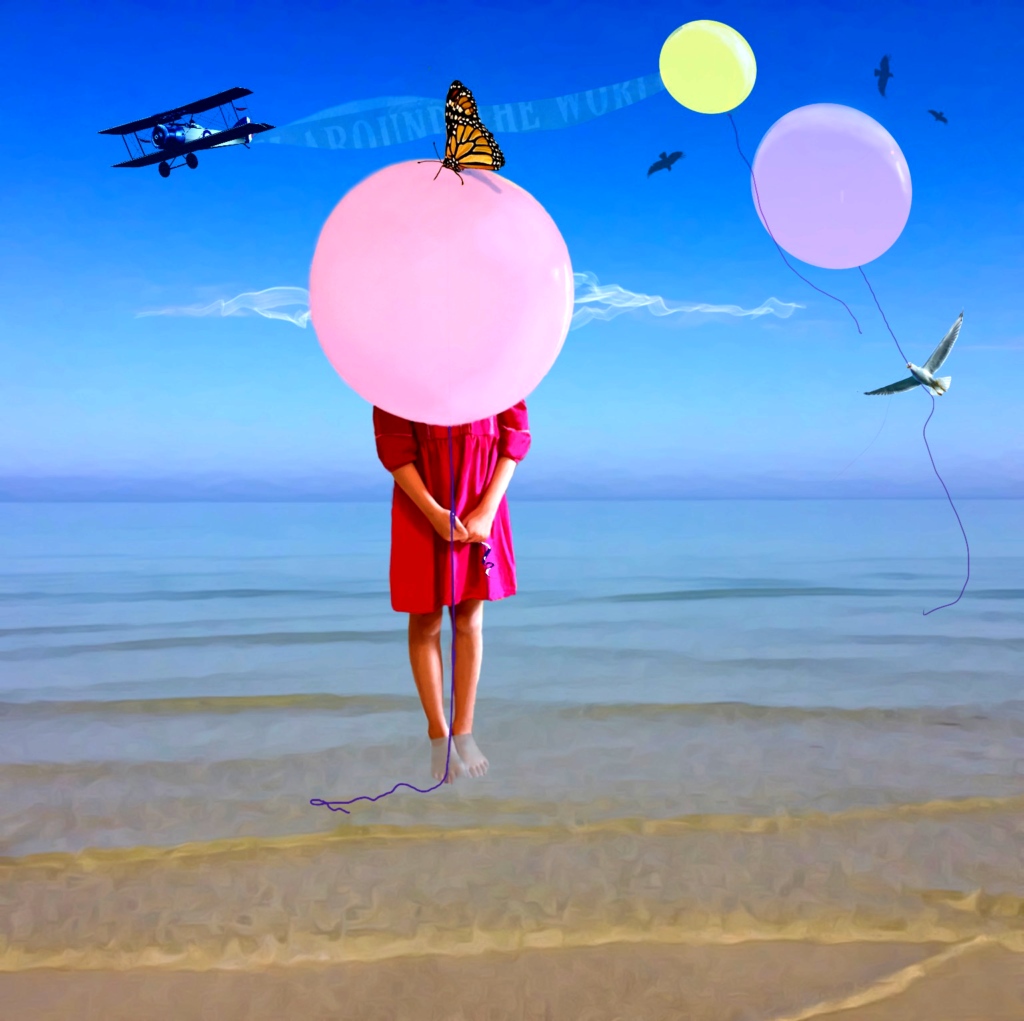
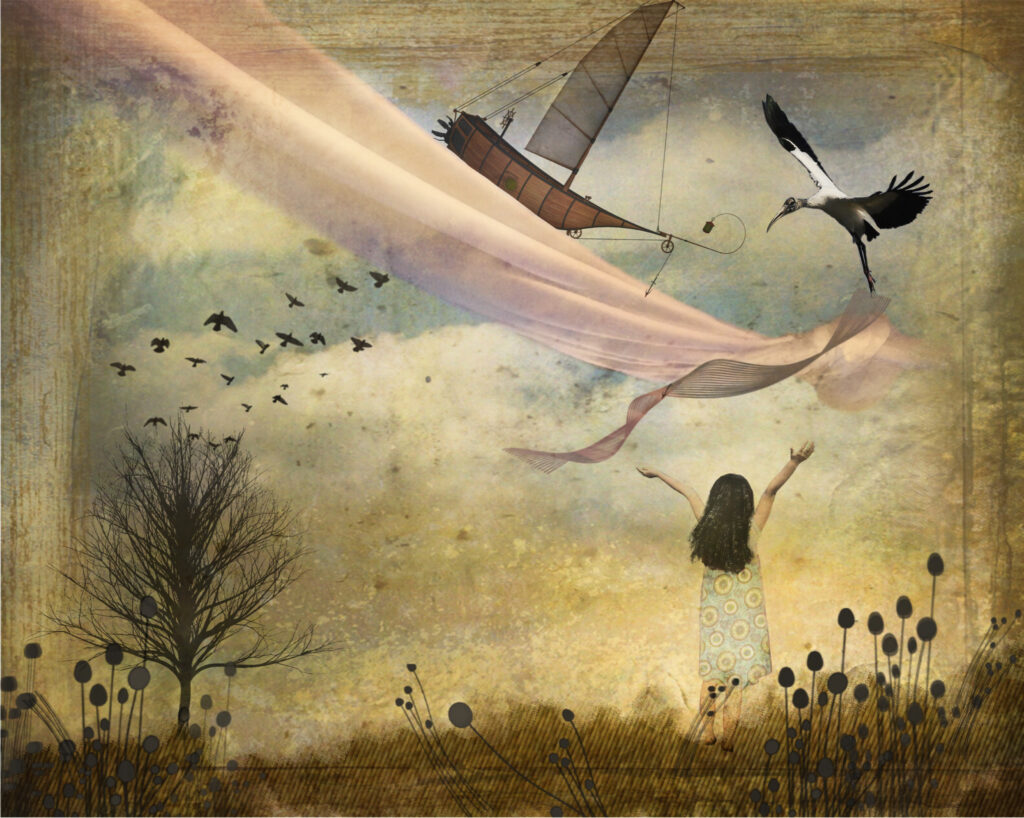
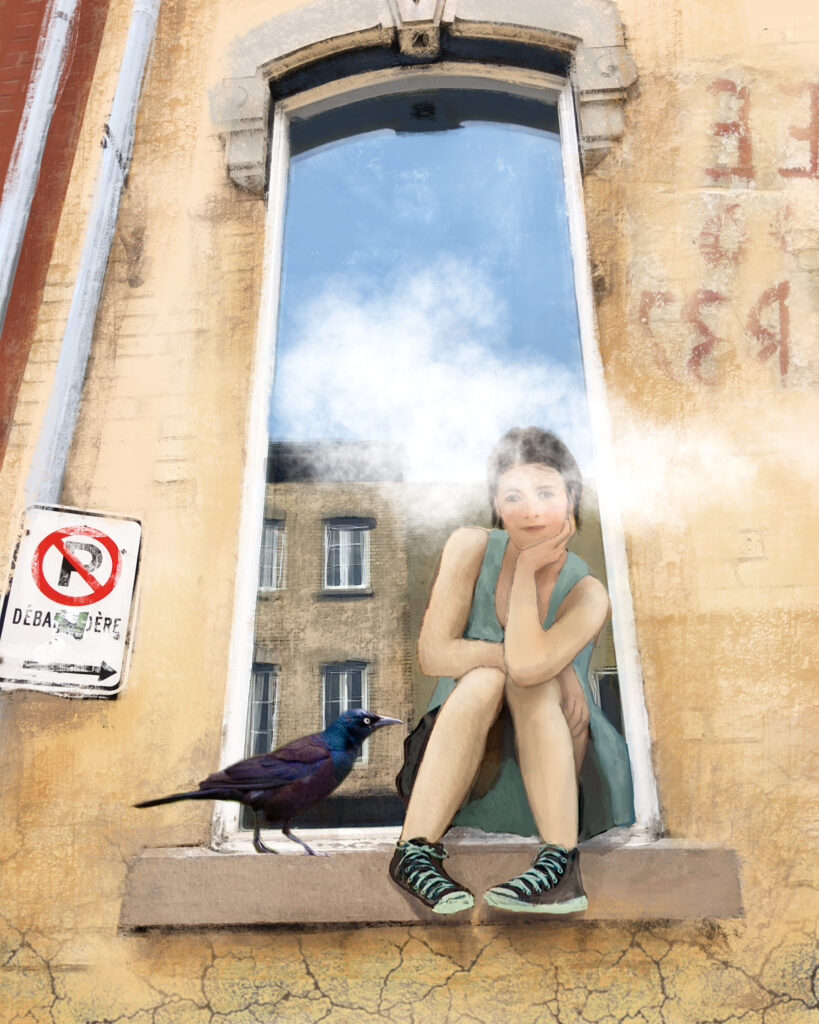
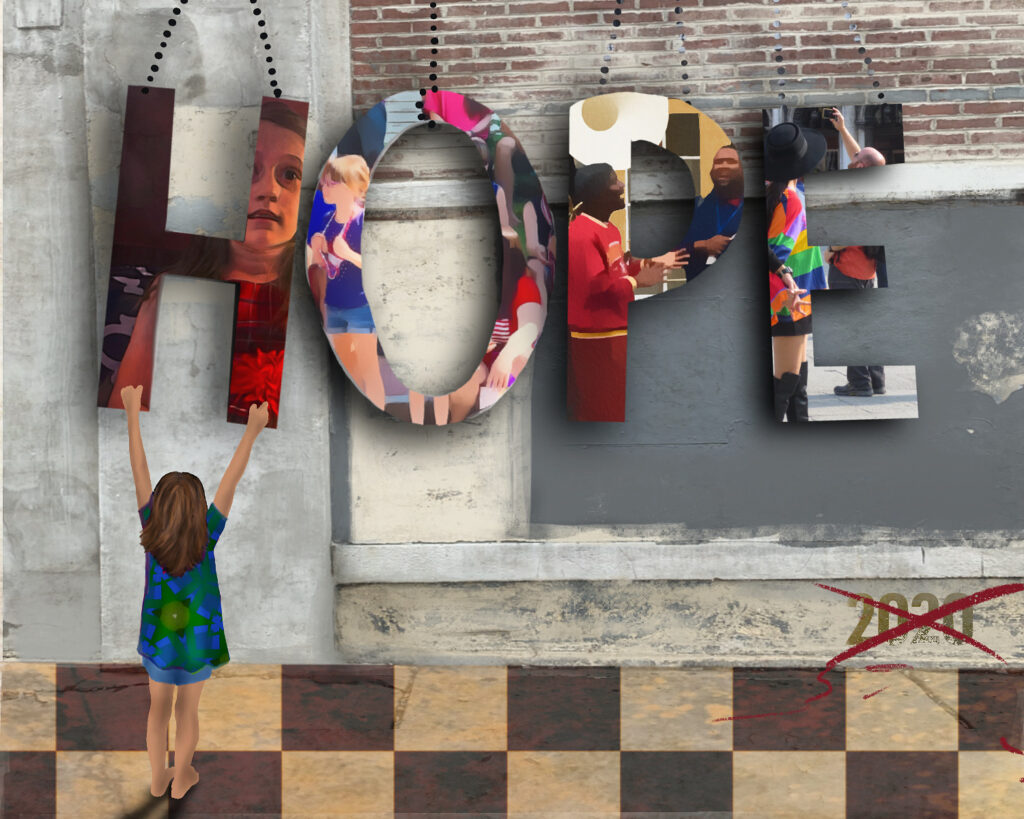
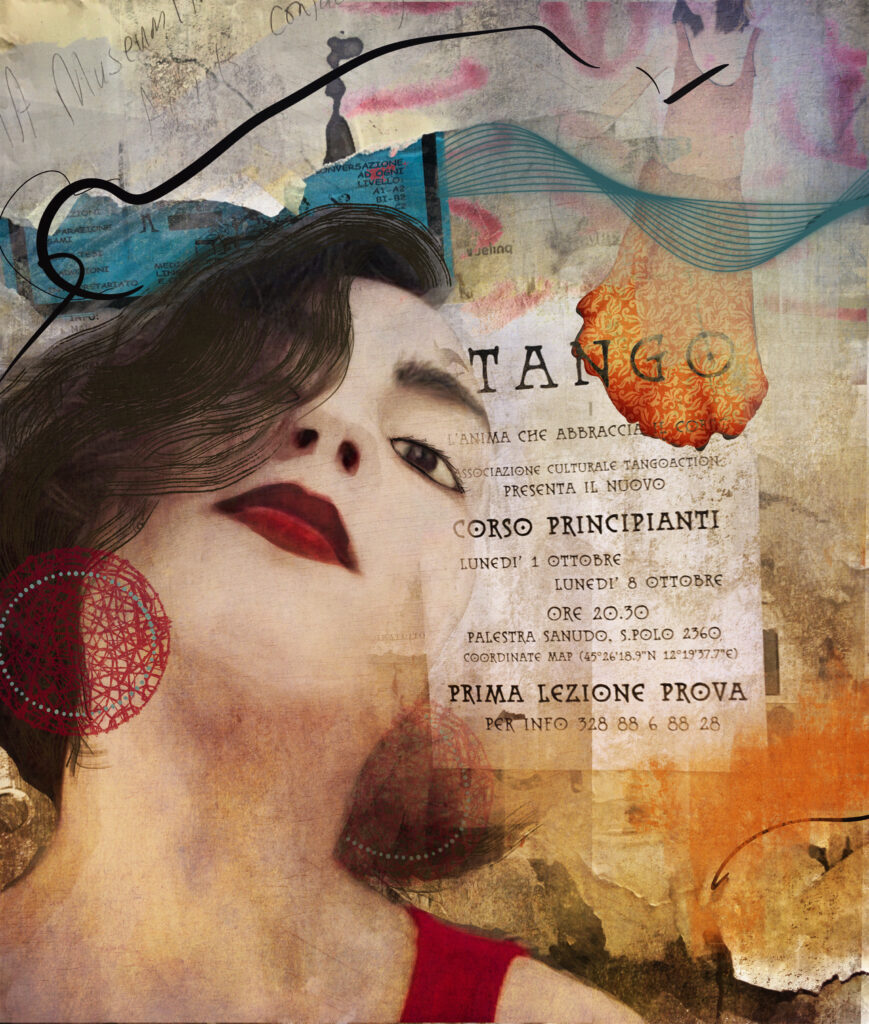
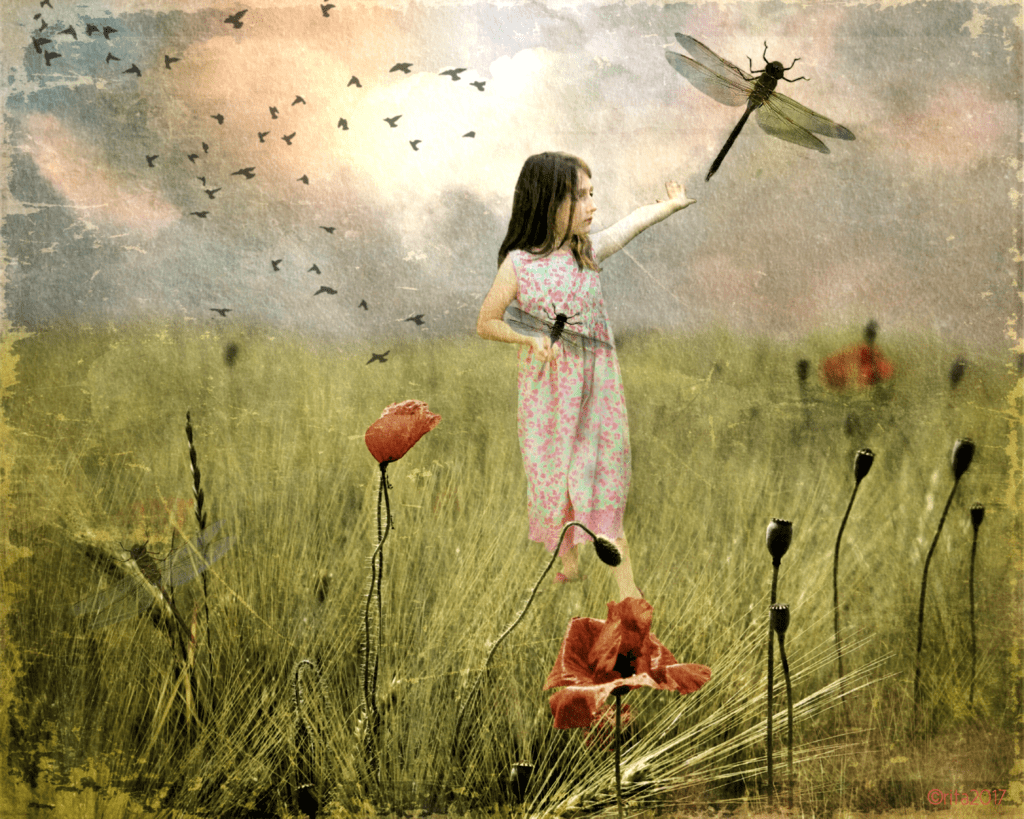
Today, we are proud to feature our latest interview, this time, with award winning artist, Rita Colantonio from Cape Cod, United States. She has crafted a distinct aesthetic in this body of work. Painted people, vibrant walls, colourful table cloths, glowing windows are just some of the subjects to consider in this series. Canonized through careful framing, they demonstrate Colantonio’s strong understanding of colour. Notes of orange, red, pink, yellow, green and blue bring these subjects to life.
Colantonio selects spaces containing both the human presence together with many of the places we occupy, café’s, benches, windows. She loves wandering the streets, to just go out for a stroll, as the French would say, Flânerie and in doing so, through her work, she allows us to soak up the details and atmosphere that may otherwise pass us by. Colantonio’s images provide a personal take on forms and lines bringing to light exciting visuals, vigorous blends of geometry with the contemporary grace of a choreographed performance.
We are also proud to offer a collection of her work for sale in our exclusive online gallery, please take a look here.
To read our other interviews in this series with Jane Schultz, Susan Latty, Cindy Karp, Sukru Mehmet Omur, Deborah Kleven Morbeto, Patty Larson, Adrian McGarry, Catherine Caddigan and Peter Wilkin please go here.
How would you introduce yourself to someone who doesn’t know your work?
I would introduce myself as an artist, not in a particular discipline but in the way I view the world. Many people seek to express themselves in different ways, in the arts, in their abilities, in their careers. All of my life I have gravitated toward Art to express my inner self. My art has taken many forms since childhood. I experimented with creative writing, play acting, dance, photography and many forms of visual art. Always seeking to explore each discipline to its fullest but anticipating the move to the next experience. I am an artist, who at the moment, is exploring the possibilities of mobile art in my life.
What name do you use within social media and was this a conscious decision?
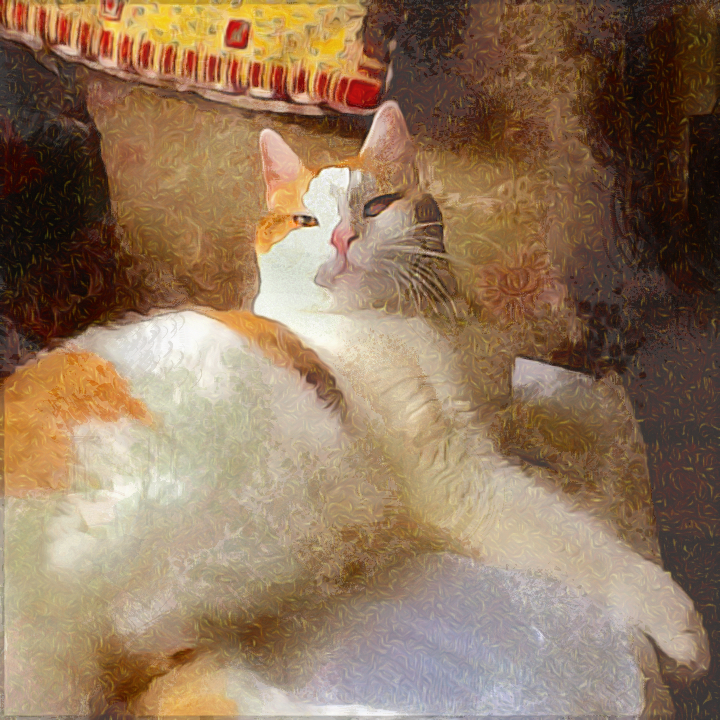
My Instagram name is jules4921. I chose the name of a pet cat who I adored for many years and was eventually taken by a coyote in his old age. It’s my way of remembering him.
What kind of family did you grow up in?
I grew up in a very traditional Italian American family. My mother was a “war bride” who my father met in Sicily after World War 2 while he was there studying the violin. She came to the US in 1948 after knowing him for only 3 months, and had me less than a year later. I admire the way she assimilated into American culture because she was so determined to raise her children as Americans. But at the same time our family was totally immersed in Italian traditions and family. It was a comfortable and loving childhood but my introduction into the “real” world probably didn’t happen until I went to college and became more independent, causing a bit of friction between me and my parents.
Did your childhood influence your ideas about creativity?
I had 4 younger siblings so there was plenty of opportunity to play. It was a normal happy childhood. From my earliest memories in school, I was singled out as a talented young girl and won recognition from my teachers, from my early finger painting to local contests later. My father took my artwork to his office for his coworkers to see. Holidays were magical, especially Christmas with its sights and sounds. I have memories of my parents taking me into the city to view the lights. There was always encouragement. I remember making my own paper dolls with a complete wardrobe and I loved reading novels well past my bedtime. Before long and as I was growing up, my identity revolved around me as an artist.
Did your parents support your creativity?
Yes. They often talked to others about it and gave me art sets for Christmas. But they did not push anything on me. Actually, my father was a musician and music teacher so I remember sitting at the piano having music lessons from him. He told me I had good fingers for playing the piano. Music was a huge part of family life.
When was the first time you knew you wanted to be an artist?
I went to Catholic schools and there really wasn’t any huge amount of time devoted to art education, but I relished any time I could get. In the 6th grade, my teacher, I think her name was Sister Mary Perpetua, called me to her desk one day and told me very sincerely that some day I would be an important artist. She was very impressed by my artwork. It felt wonderful because she was otherwise a very stern personality. That got my attention and interest going. I went to an Art Magnet high school which focused on Art Education and I planned to continue to an art career. However, in college I became interested in writing, literature and drama and dance and dreamed of performing on the stage. I was in several college productions. I was sure I was headed for the theatre. Later, I harvested my performing talents as a teacher to young children. I graduated with a BS in English and looked for a job in Education. It wasn’t until years later that I rerouted my focus to visual art.
What is creativity to you?
People have always said I was creative. I have thought about that word quite a bit. It’s hard to describe, and I’m sure it’s different for everyone. As an art teacher myself, I often talked to my young students about not losing their freedom of ideas in their art, not allowing rules to limit their expression. I have seen the beautiful creativity coming from children’s art, only to be stifled later simply by growing up. Having said that, I think creativity is a kind of freedom, a kind of confidence in following inner meanderings of your thoughts. It’s a kind of meditation, a zone that takes you where it wants to. You just have to follow and not try to control it. Creativity also has its ups and downs, when you’re on or not. It’s a connection to the divine that only you can experience.
What did you do before (if appropriate) becoming an artist?
I was trained as a secondary English teacher but teaching opportunities did not come after graduating college. So the early years in my marriage were centered around raising my children and assorted short term jobs. I experimented with crafts and painting but had no idea if or how or when I would pursue an art career. When my younger son went to school I took the opportunity to find employment in daycare and then early education, always focusing on teaching art to children. I became certified as an Early Education teacher and also in Elementary Art Education. Eventually I got a job in public education as an elementary art teacher and did that for 16 years, until I retired. Those were wonderful years, yet I always knew that I would have time for my own art later. During those years, I received lottery art grants to paint historical homes in my town. Later I discovered my love of photography, especially after purchasing a summer home on Cape Cod. I was still painting but my photography life became a passion and I began to see a clear future for myself as a photographer on Cape Cod. My photographs began to take on very artistic looks, which separated my photography from other traditional photographers on the Cape. I was exhibiting and winning awards. It was inevitable that I would find my way to mobile art.
Where are you most creative?
I am creative at home where I am relaxed.
What inspires you?
I am inspired after reading an interesting novel or looking at art. I am also inspired after seeing a good movie. I am inspired by the outdoors on a sunny day in the forest or at night in the city with bright lights. I become very creative after a trip to the museum. I am inspired by being with other artists sharing ideas. I simply become inspired by the way light falls on objects or how certain colors behave around others. I become inspired to photograph interesting humans or facial expressions. I am inspired by travel. I am inspired by the world around me.
Who inspires you?
I am inspired by several artists, interestingly creating very different imagery. Fran Forman for her cinematic surreal photography and use of light and color, Edward Hopper for his timeless subjects and emotional content and also color and light, Matisse, Cezanne, Gauguin, the beautiful digital paintings of Teresita Alonso Garit and most recently the mixed media photography of Bea Nettles.
Does your engagement on social media help you to plan your future projects?
Absolutely. I feel that social media has been a catalyst for my work. There is a constant flow of inspiration, ideas that others are experimenting with. It’s interesting that when I was focused on photography alone, my inspiration came from the outside world, things I saw around me. With my digital art, the source of ideas is more of what I see online. It has shifted to a more contemplative and analytic look at what I am seeing on my phone, not so much a visceral reaction to things around me.
What does your average day look like?
I have very much a routine to my day. I awake to my husband’s wonderful coffee, do my stretching exercises, check my posts and emails, have a late breakfast with my husband and then start my day, get dressed, make my bed and other chores which must be done. When I’m done with all of that I reward myself with an afternoon of art making. In good weather especially in summer, I find time for outdoor activities like walking or the beach. Occasionally when I’m involved in an intense series of editing I will let other things go, which can be somewhat annoying to my partner in life. Over the years I have learned to manage my time better, get done what needs to be done, get to bed earlier and let the Art wait if it has to. It’s always a give and take.
Is it your intention to ask questions or make the viewer question what they see?
No. I believe an image speaks for itself. But I do like to prod the viewer’s curiosity by using titles for my work in intriguing ways. I am a storyteller and I invite questions. But I have found that others view my images in interesting ways, so they really don’t need titles. I like when my audience reads my message correctly in my work. I believe however that a truly strong work stands on its own and does not need explanation. I would like to ask others about their process, but it feels intrusive to me. I have no problem with sharing my own processes.
Is there humour in your work?
Constantly. I have a dry sense of humor, sometimes bordering on satirical. I like messages with more than a simple intent and I really appreciate sensing that humor in others. It feels like a more intimate exchange.
How important is failure in your work process? Do you incorporate it into your creative process?
Failure is very important for progress. If one is constantly experimenting and exploring new ideas you will inevitably fail sometimes. A germ of an idea can flourish or flop. The good thing about the flop is that you can revisit your process and learn from it or even perhaps take it in a new direction that hadn’t occurred to you at the time. Flops are valuable. I have learned that no matter how successful I think an image has emerged, it is very rare that it cannot be improved upon. There are very few images I have created that I would not rework. Occasionally I rush to post an image and later see a flaw that I should have caught. That is what bothers me, but I don’t consider it a failure, just an oversight.
How do you deal with criticism?
It depends on who it’s from and how it’s delivered. I try to keep an open mind and see the criticism from the viewer’s perspective. Sometimes it’s helpful and I have used the advice. Sometimes it’s a misunderstanding of my process or image. Very rarely if ever have I encountered severely adverse criticism. Occasionally I have simply ignored an inappropriate comment. I try to remember that my art is being publicly shown to the world and that a huge variety of intellects with varied artistic viewing experiences is commenting. All responses have some value.
Has the Covid-19 pandemic influenced your creative life?
Of course my experience in this pandemic has affected my life in every way, including my art. I seem to have more time to create at home, rather than being out and about. On a subconscious level, there are many emotions feeding my art. I believe that I need to be centered and focused to create good art so my art has distracted me from worrying constantly. I see it as an elixir. I am thankful for it and feel fortunate even through this difficult time.
Who dead or alive would you like to have dinner with?
I would love to have dinner with you Joanne Carter! And then Audrey Hepburn.
What is the best piece of advice that you’ve heard and still repeat to others?
Many years ago, in my much younger days, I had complained of not having enough time to be the artist I wanted to be. That I would always be encumbered by life’s demands. One day someone whom I deeply respected said to me, do not worry about that. If it is there waiting for you, you will do it when the time is right. Have faith and patience and it will happen. And it did. And I find myself saying this to my children, grandchildren and others I love.
TheAppWhisperer Online Gallery is a professional online gallery specialising in prints for discerning collectors of unique, previously unseen and not available for sale elsewhere, mobile photography and art. TheAppWhisperer online gallery accepts payments via ApplePay, PayPal, American Express, Maestro, Visa, Shopifypay and Mastercard. We ship to clients in the UK, US, Europe and Far East. Our customers are a global group of collectors looking for exclusive art to hang in their homes and offices.
Each limited edition print is printed by our professional print partners, ThePrintSpace, in London and shipped within 24 hours of receipt of order. There is a standard charge of £7.00 for postage anywhere in the world and there is a 14 day money back guarantee.
To go directly to Rita Colantonio’s Collection, follow this link.
Please help…
TheAppWhisperer has always had a dual mission: to promote the most talented mobile artists of the day and to support ambitious, inquisitive viewers the world over.
As the years pass TheAppWhisperer has gained readers and viewers and found new venues for that exchange. All this work thrives with the support of our community.
Please consider making a donation to TheAppWhisperer because your support helps protect our independence and it means we can keep delivering the promotion of mobile artists that’s open for everyone around the world. Every contribution, however big or small, is so valuable for our future.

Joanne Carter
Joanne Carter is a British photographer, photography journalist, editor and curator and the founder and editorial director of TheAppWhisperer.com, an independent international photography publication established in 2009.Her journalism, criticism and commentary have appeared in The Times, The Sunday Times, The Guardian, Financial Times, BBC, Vogue Italia, LensCulture, Popular Photography, Android Magazine, NikonPro, DPReview, Which Digital Camera and Which Camera. She has lectured internationally on photography and mobile art, served as a juror for international photography awards, and exhibited her own photographic work across the UK, Europe, South Korea and the United States.Alongside her editorial work, Joanne's photographic and postgraduate research explores death, grief, memory, representation and social inequality through contemporary photography, participatory practice and visual research methods, with the longer-term aim of developing this work through doctoral research.Through TheAppWhisperer, she continues to publish independent photography journalism spanning contemporary photographic practice, mobile imaging, photographic apps, computational photography and emerging imaging technologies.Joanne is available for editorial commissions, photography projects, judging, curatorial work, speaking engagements, consultancy and selected collaborations.