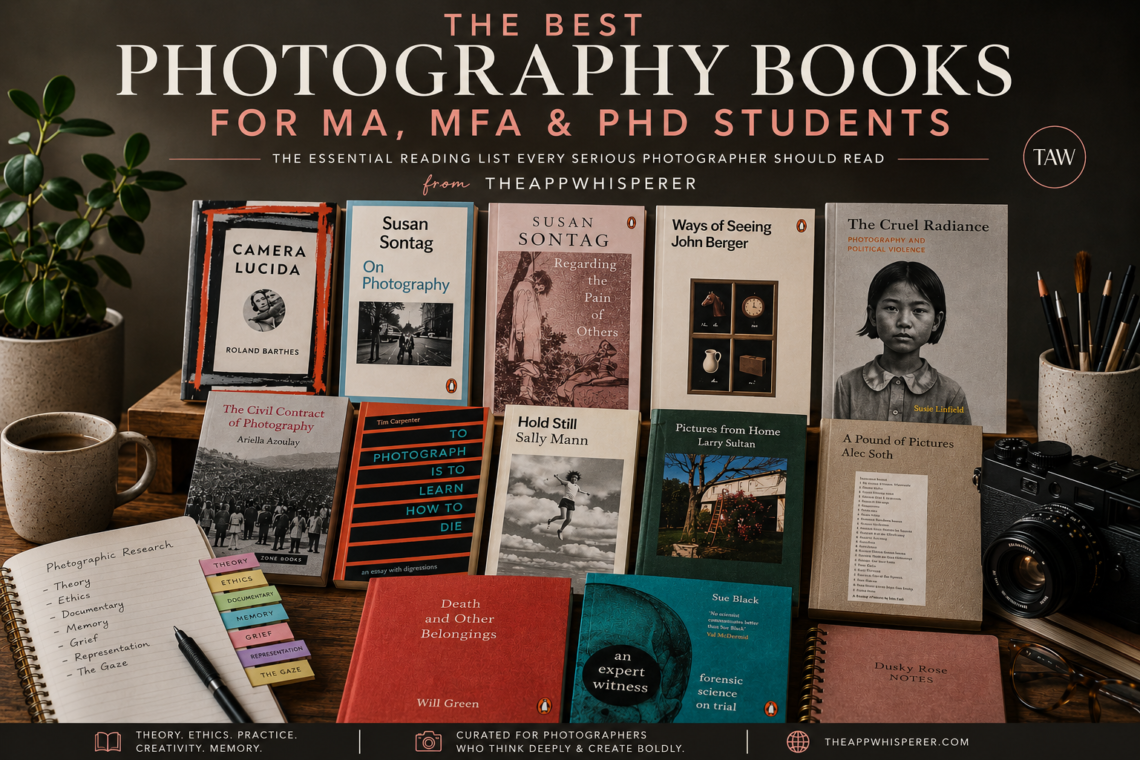
The Best Photography Books Every Serious Photographer Should Read (2026 Reading List)
How This Reading Guide Is Organised
Whether you’re studying for a BA, MA, MFA or PhD, or simply want to deepen your understanding of photography, this guide… These books will change the way you think about photography, not simply how you make photographs.
One of the questions I’m asked most often by photographers preparing for postgraduate study is surprisingly simple: What should I be reading?
Photography is one of those rare disciplines where the most influential books often have very little to say about cameras. Instead, they challenge how we think about images, memory, ethics, representation, politics and ultimately ourselves.
Over the past few years, as I’ve developed my own postgraduate research in photography with a longer-term focus on doctoral study, I’ve been building a working research library that has become every bit as important to my practice as my cameras. My research explores death, grief and social inequality through photography, bringing together photographic theory, visual practice and participatory research methods. Alongside my work as a photography journalist and editor, this has taken me far beyond photography itself into philosophy, sociology, ethics, visual anthropology and cultural studies.
What surprised me most wasn’t simply the quality of these books—it was how often I found myself returning to them. Some I’ve read three or four times. Many contain handwritten notes, colour-coded tabs and thematic indexes that help me reconnect ideas across different authors. Rather than remaining static objects on a shelf, they’ve become working companions that continue to shape both my research and my photographic practice.
The books in this guide have influenced not only how I make photographs but also how I think about them, write about them and, increasingly, how I research them. Whether you’re preparing an artist statement, building a portfolio, applying for postgraduate study or simply looking to understand photography beyond technique, these are books that continue to reward careful reading.
Some are classics that every photography student encounters. Others are contemporary works that deserve a far wider readership. Collectively they explore the questions that lie at the heart of photography itself: memory and mortality, truth and representation, ethics and responsibility, beauty and violence, identity and belonging.
This isn’t intended to be a list to complete. It’s a library to build over time.
Read slowly. Underline generously. Keep a notebook nearby. Return to difficult passages. Challenge the authors. Disagree with them when necessary. The books that matter most rarely reveal everything on a first reading. Instead, they become richer as your own photographic practice evolves.
I hope this guide helps you build a research library you’ll continue returning to throughout your career.
🟩 Foundational
These are the books I believe every serious photographer should own and read, regardless of experience or academic background. They have shaped generations of photographers, artists, curators and researchers and continue to appear on reading lists across universities worldwide.
If you’re only going to read a handful of books on photography, start here.
🟦 Essential
These books build upon the foundational texts and introduce more complex ideas about photographic practice, ethics, visual culture and creative research. They are particularly valuable for photographers undertaking an MA, MFA or beginning independent research.
They reward careful reading and are books you’ll return to throughout your photographic career.
🟨 Highly Recommended
Outstanding books that explore particular aspects of photography in greater depth, whether through memoir, creative practice, documentary work or personal reflection. These books broaden your understanding of the medium and often become lasting sources of inspiration.
Many have influenced my own practice as both a photographer and writer.
🟥 Specialist Reading
These are academically demanding texts aimed primarily at postgraduate researchers, lecturers and photographers exploring specific areas such as social justice, visual culture, political philosophy, documentary ethics or participatory research.
They’re not necessarily books to begin with, but they become invaluable as your own research develops.
What You’ll Find With Every Review
To make this guide as practical as possible, every book includes:
- Category – Where it fits within your learning journey.
- Difficulty – How accessible the writing is for new readers.
- Best For – The photographers, artists or researchers who will benefit most.
- Research Themes – The key ideas explored throughout the book.
- Comprehensive Review – An in-depth discussion of the book’s arguments, strengths and limitations.
- Why You Should Read It – How it can influence your photographic practice or research.
- Verdict – My overall assessment and recommendation.
Reading Difficulty Guide
★★★★★ Very Challenging
Dense academic writing requiring careful reading. Best suited to postgraduate researchers or experienced readers of photographic theory.
★★★★☆ Challenging
Complex ideas are presented in an accessible way but benefit from slow, reflective reading.
★★★☆☆ Moderate
Thought-provoking but approachable. Ideal for most photographers interested in developing a deeper understanding of the medium.
★★☆☆☆ Accessible
Easy to read while introducing important concepts and ideas.
★☆☆☆☆ Very Accessible
Suitable for all readers, regardless of previous experience with photography or academic study.
A Personal Note
Over the past few years, as I’ve developed my own postgraduate research in photography with a longer-term focus on doctoral study, I’ve been assembling a working research library that has fundamentally changed the way I think about images. My research explores themes of death, grief and social inequality through photography, drawing together visual practice, photographic theory and participatory research methods. Alongside my work as a photography journalist and editor, this has led me to read far beyond photography itself, into philosophy, sociology, ethics, cultural studies and visual anthropology.
These are not books to read once and place back on the shelf. They are books to annotate, revisit and occasionally argue with. I keep thematic indexes inside many of them, highlighting recurring ideas, making connections between authors and recording quotations that continue to shape my own thinking. With every return, they reveal something new.
The books that follow have influenced not only how I make photographs but also how I write about them, teach them and, increasingly, how I research them. Whether you’re preparing an artist statement, sequencing a portfolio, applying for an MA or MFA, beginning doctoral research or simply wanting to understand photography beyond technique, I hope this reading guide helps you build a library that will remain with you for many years.
At a Glance
| Book | Category | Difficulty | Overall |
|---|---|---|---|
| Camera Lucida – Roland Barthes | 🟩 Foundational | ★★★☆☆ | ★★★★★ |
| On Photography – Susan Sontag | 🟩 Foundational | ★★★☆☆ | ★★★★★ |
| Regarding the Pain of Others – Susan Sontag | 🟩 Foundational | ★★★☆☆ | ★★★★★ |
| Ways of Seeing – John Berger | 🟩 Foundational | ★★☆☆☆ | ★★★★★ |
| The Cruel Radiance – Susie Linfield | 🟦 Essential | ★★★☆☆ | ★★★★★ |
| The Civil Contract of Photography – Ariella Azoulay | 🟥 Specialist Reading | ★★★★★ | ★★★★★ |
| To Photograph Is To Learn How To Die – Tim Carpenter | 🟨 Highly Recommended | ★★★☆☆ | ★★★★★ |
| Hold Still – Sally Mann | 🟨 Highly Recommended | ★☆☆☆☆ | ★★★★★ |
| A Pound of Pictures – Alec Soth | 🟨 Highly Recommended | ★★☆☆☆ | ★★★★★ |
| Pictures From Home – Larry Sultan | 🟨 Highly Recommended | ★★★☆☆ | ★★★★★ |
| Take Care of Yourself – Sophie Calle | 🟨 Highly Recommended | ★★★☆☆ | ★★★★★ |
| The Afterimage of Looking – Lee Miller | 🟨 Highly Recommended | ★★☆☆☆ | ★★★★★ |
| Death and Other Belongings – Will Green | 🟨 Highly Recommended | ★★☆☆☆ | ★★★★★ |
| An Expert Witness – Professor Dame Sue Black | 🟨 Highly Recommended | ★☆☆☆☆ | ★★★★★ |
1. Camera Lucida — Roland Barthes
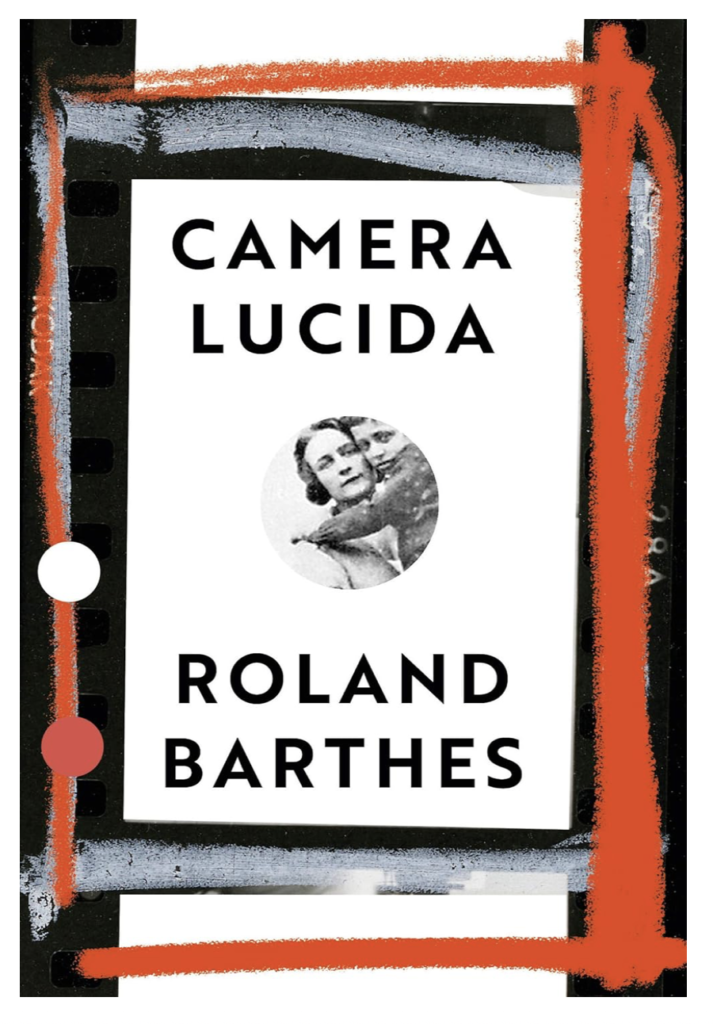
Author: Roland Barthes
First Published: 1980
Category: 🟩 Foundational
Difficulty: ★★★☆☆ Moderate
Overall: ★★★★★
Best For
- BA, MA, MFA and PhD students
- Photographers exploring memory and grief
- Portrait photographers
- Documentary photographers
- Artists working with autobiography
- Researchers interested in photographic theory
Research Themes
Memory • Death • Mourning • Presence • Absence • Spectatorship • Portraiture • Identity • Time • Representation
Overview
If I were asked to recommend just one book that fundamentally changed the way I think about photography, Camera Lucida would almost certainly be it.
First published in 1980, Roland Barthes’ final book has become one of the most influential texts in photographic theory. Yet describing it simply as a work of theory somehow diminishes what makes it extraordinary. It is simultaneously philosophy, literary criticism, memoir and meditation. Above all, it is a deeply personal exploration of grief, memory and the unique relationship between photography and time.
Unlike many academic books, Camera Lucida doesn’t begin with a research question or theoretical framework. Instead, it begins with loss.
Following the death of his mother, Henriette Barthes, Roland Barthes found himself searching through family photographs, trying to understand why certain images carried such overwhelming emotional power while others remained emotionally distant. What followed was not simply an attempt to understand photography but an attempt to understand why photographs continue to matter long after the people within them have disappeared.
That personal search ultimately became one of the most important books ever written about photography.
Who Was Roland Barthes?
Roland Barthes (1915–1980) was one of the twentieth century’s most influential literary critics, philosophers and cultural theorists. Although he never described himself as a photographer, his work transformed the way photographs are discussed within universities, galleries and museums across the world.
Much of Barthes’ earlier writing explored how meaning is constructed through language, symbols and culture. His ideas helped establish the field of semiotics—the study of signs and symbols—and influenced disciplines ranging from literature and film to advertising and visual culture.
Photography became the natural extension of these interests.
Rather than asking whether photographs accurately represented reality, Barthes became fascinated by a different question:
Why do certain photographs affect us so deeply?
Camera Lucida became his answer.
More Than a Theory of Photography
One of the reasons Camera Lucida remains so remarkable is that it refuses to behave like an academic textbook.
Barthes rarely writes in abstract theoretical language. Instead, he invites readers into his own uncertainty, openly admitting when he struggles to explain his emotional responses. The result feels less like a lecture and more like an intimate conversation between author and reader.
This honesty gives the book much of its enduring power.
Photography, Barthes suggests, cannot be understood purely through technical analysis or historical context. Something else happens when we encounter certain images—something intensely personal that resists explanation.
It is this “something else” that becomes the central argument of the book.
Studium and Punctum
No discussion of Camera Lucida can avoid Barthes’ two most famous concepts: studium and punctum.
Although frequently quoted, they are also frequently misunderstood.
Studium
The studium describes everything we recognise intellectually within a photograph.
It is our cultural understanding of an image.
We understand where it was taken, recognise historical references, appreciate composition, identify political or social context and understand the photographer’s intentions.
In other words, the studium is the photograph we have learned to read.
It appeals to our education rather than our emotions.
When viewing a documentary photograph from the Second World War, for example, we recognise uniforms, locations and historical significance. We understand the photograph because of our knowledge.
That understanding is the studium.
Punctum
The punctum is something entirely different.
It cannot be planned.
It cannot be taught.
It often cannot even be explained.
The punctum is the unexpected detail that somehow pierces the viewer emotionally.
It may be a hand resting awkwardly on a shoulder.
A loose shoelace.
A child’s expression.
A wrinkle in a shirt.
A shadow in the corner of the frame.
Something apparently insignificant suddenly becomes unforgettable.
Importantly, the punctum is deeply personal.
The detail that affects me may pass unnoticed by someone else.
This is precisely why Barthes argues it cannot be universalised. Every viewer brings their own experiences, memories and losses to a photograph.
Few ideas have had a greater influence on photographic criticism over the past forty years.
The Winter Garden Photograph
Perhaps the most fascinating aspect of Camera Lucida is a photograph that readers never actually see.
Barthes describes discovering an old photograph of his mother as a child standing in a winter garden.
For him, this image perfectly captured her essence.
Yet he refuses to reproduce it.
At first this seems frustrating.
Surely readers should be allowed to judge the photograph for themselves?
But Barthes deliberately withholds it because he believes its emotional significance belongs entirely to him.
Without knowing his mother, we could never experience the photograph as he does.
Its meaning cannot be transferred.
Ironically, the absence of the image makes it even more powerful.
It reminds us that photographs are never fixed objects.
They exist within relationships.
Photography and Death
If there is one theme running throughout Camera Lucida, it is mortality.
Barthes repeatedly returns to the idea that every photograph silently announces that what we are looking at once existed.
His famous phrase—“that-has-been”—captures photography’s unique relationship with time.
Unlike painting or drawing, photography always records something that physically stood before the camera.
Every photograph therefore becomes evidence of a moment that can never happen again.
Looking at old family photographs, we experience an unsettling contradiction.
The people appear vividly alive.
Yet we know many are now dead.
Photography preserves presence while simultaneously reminding us of absence.
Few writers have described this paradox with greater sensitivity.
Why It Still Matters
More than forty years after publication, Camera Lucida remains astonishingly relevant.
Today’s photographs may live on smartphones rather than in family albums, but Barthes’ questions have become even more urgent.
Why do we save thousands of digital photographs?
Why do some become treasured memories while countless others disappear into cloud storage?
Can artificial intelligence generate a punctum?
What happens when photographs no longer record reality but increasingly create it?
Although Barthes could never have anticipated computational photography or AI-generated images, his central concern remains remarkably contemporary.
Photography is not simply about recording appearances.
It is about preserving relationships with time.
My Thoughts
I first encountered Camera Lucida while studying photographic theory, but I don’t think I truly understood it until I returned to it several years later.
Like many readers, my first experience was one of admiration mixed with confusion. Barthes’ writing is deceptively simple, yet many of his ideas only begin to reveal themselves after living with the book for some time.
Since then, it has become one of the volumes I return to most frequently.
As my own research has increasingly focused on death, grief and social inequality, Barthes’ reflections on absence, memory and mortality have taken on new significance. His writing has influenced not only the way I analyse photographs but also the questions I ask when making them. It has encouraged me to think less about what photographs show and more about what they carry: traces of lives, relationships and moments that can never be repeated.
My copy is now filled with annotations, colour-coded tabs and handwritten thematic indexes linking ideas across other authors, including Susan Sontag, Susie Linfield and Ariella Azoulay. Each reading uncovers another connection I hadn’t noticed before.
That, perhaps, is the greatest compliment I can pay any book.
It continues to grow alongside the reader.
Criticisms
No book achieves its status without attracting criticism.
Some scholars argue that Camera Lucida is so intensely personal that it cannot provide a universal theory of photography. Others note that Barthes pays relatively little attention to questions of politics, power or social context, issues that later writers such as Susan Sontag, Ariella Azoulay and Susie Linfield explore in much greater depth.
These criticisms are valid.
But they also miss something important.
Camera Lucida was never intended to explain every photograph.
It attempts to explain why one person was transformed by certain photographs.
That modest ambition is precisely what gives the book its emotional power.
Why Every Photographer Should Read It
Whether you agree with Barthes or not, Camera Lucida changes the questions you ask about photography.
Instead of asking whether a photograph is technically successful, you begin asking why it affects you.
Instead of searching for perfect compositions, you become more attentive to the small details that create emotional resonance.
Instead of thinking about photographs as objects, you begin thinking about them as relationships between photographer, subject, viewer and time.
Few books achieve that transformation.
Verdict
There are many books that teach photography.
Very few teach you how to see photographs differently.
Camera Lucida is one of those rare works that quietly reshapes your understanding of the medium every time you return to it. It is thoughtful, challenging, deeply moving and endlessly rewarding. More than four decades after its publication, it remains one of the essential texts for anyone interested in photography not simply as a craft but as a way of understanding memory, identity and what it means to be human.
Rating: ★★★★★
Read this if: You want to understand why photographs matter—not just how they are made.
2. On Photography — Susan Sontag
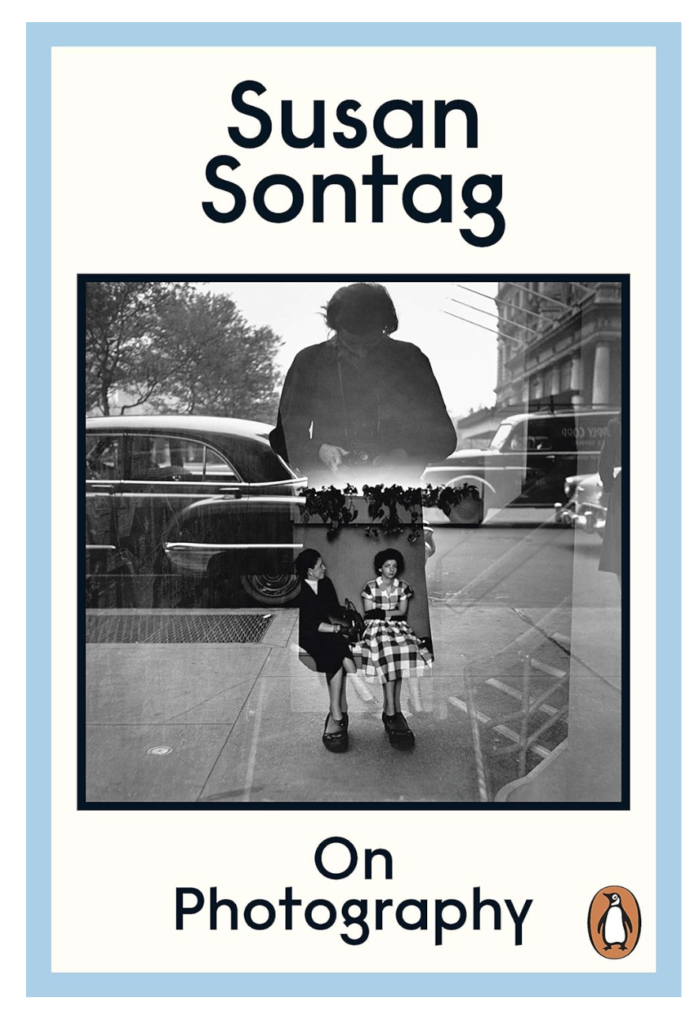
Author: Susan Sontag
First Published: 1977
Category: 🟩 Foundational
Difficulty: ★★★☆☆ Moderate
Overall: ★★★★★
Best For
- BA, MA, MFA and PhD students
- Documentary photographers
- Photojournalists
- Street photographers
- Researchers in visual culture
- Anyone interested in photographic ethics
Research Themes
Documentary • Ethics • Representation • Truth • Consumer Culture • Politics • Power • Visual Culture • Memory • Media
Overview
If Roland Barthes asks why photographs affect us emotionally, Susan Sontag asks a different, and perhaps even more challenging, question: what do photographs do to us as individuals and as societies?
Originally published in 1977, On Photography remains one of the most influential and intellectually ambitious books ever written about the medium. More than simply a collection of essays, it is an exploration of photography’s extraordinary influence on modern life. Sontag argues that photography has fundamentally altered the way we remember, consume, travel, mourn, protest and understand the world around us.
Nearly fifty years after its publication, many of her observations feel remarkably contemporary. Long before smartphones, Instagram and artificial intelligence, Sontag recognised that photography was becoming far more than a method of recording reality. It was becoming one of the primary ways through which reality itself would be experienced.
For anyone interested in photography beyond technique, On Photography remains essential reading.
Who Was Susan Sontag?
Susan Sontag (1933–2004) was one of the twentieth century’s most influential public intellectuals. Novelist, essayist, filmmaker and political commentator, she wrote across an astonishing range of subjects, including literature, illness, war, ethics, philosophy and visual culture.
Unlike Barthes, whose writing often turns inward, Sontag consistently looks outward. She is interested not simply in individual photographs but in photography as a social and political force.
Her essays are rigorous without becoming inaccessible. They invite readers to question assumptions that often go unnoticed and encourage us to think critically about the images that surround us every day.
Although some of her arguments have generated considerable debate, few writers have had a greater influence on the way photography is taught in universities around the world.
Photography Changes the Way We See
One of Sontag’s central arguments is both deceptively simple and profoundly unsettling.
Photography doesn’t simply record the world.
It changes our relationship with it.
She argues that photographs encourage us to collect experiences rather than simply live them. We photograph holidays instead of simply enjoying them. We document celebrations before fully participating in them. Increasingly, we experience events with one eye on the camera.
Reading these passages today, in an age dominated by smartphones and social media, is almost uncanny.
Decades before the first selfie, Sontag understood that photography would become intertwined with identity itself.
Photographs would become evidence that we had been somewhere, met someone or experienced something.
In many ways, she predicted the visual culture we now inhabit.
Photography and Power
One of the book’s greatest strengths is its insistence that photography is never neutral.
Every photograph reflects a series of choices.
Where to stand.
When to press the shutter.
What to include.
What to exclude.
What to crop.
What to publish.
These decisions shape meaning long before viewers encounter the final image.
Sontag reminds us that photographs do not simply show reality—they interpret it.
This idea has become foundational to documentary photography, photojournalism and visual culture studies.
For photographers, it is both liberating and challenging.
It acknowledges that complete objectivity may be impossible while simultaneously increasing our ethical responsibility as image-makers.
Can We Become Numb to Images?
Perhaps the book’s most controversial argument concerns our relationship with suffering.
Sontag questions whether repeated exposure to photographs of war, famine and disaster eventually reduces our capacity to respond emotionally.
Rather than deepening compassion, constant exposure may normalise violence.
Images that once shocked us gradually become familiar.
We continue looking, but we feel less.
It is an uncomfortable argument, particularly for documentary photographers, yet one that remains highly relevant.
In today’s digital landscape, where countless distressing images circulate daily across social media, Sontag’s concerns seem more urgent than ever.
She forces us to ask difficult questions.
Can photographs still change public opinion?
Do they inspire action?
Or have we simply become spectators?
These questions would later become the central focus of her subsequent book, Regarding the Pain of Others.
Photography as Consumption
Another of Sontag’s enduring insights concerns photography’s relationship with consumer culture.
She argues that photographs encourage possession.
We collect images as souvenirs, trophies and proof of experience.
The camera becomes a tool through which we accumulate the world.
Again, her observations seem remarkably prophetic.
Today our phones contain tens of thousands of photographs, many of which we will never look at again.
Storage has become effortless.
Remembering has become more complicated.
Ironically, as photographs have become easier to produce, individual images often seem to carry less significance.
Sontag anticipated this contradiction decades before digital photography existed.
Why It Still Matters
Every generation believes photography has changed beyond recognition.
To some extent, that’s true.
Artificial intelligence, computational photography and social media have transformed photographic practice in ways Sontag could never have predicted.
Yet the questions she raises remain astonishingly current.
What responsibilities accompany photography?
Who controls the meaning of an image?
Does photographing something change our relationship with it?
Can photographs tell the truth?
What happens when images become commodities?
These questions feel no less urgent today than they did in 1977.
If anything, they have become even more relevant.
My Thoughts
I first encountered On Photography shortly after reading Camera Lucida.
Initially, the two books seemed almost contradictory.
Where Barthes writes with intimacy and emotion, Sontag writes with intellectual precision and cultural critique.
Returning to them together, however, I began to appreciate how complementary they actually are.
Barthes explores what photographs mean to individuals.
Sontag explores what photographs mean to societies.
As my own research has increasingly focused on grief, death and social inequality, I have found myself returning to Sontag repeatedly. Her insistence that photographs are never politically innocent continues to shape the questions I ask—not only about the images I make but also about those I encounter in galleries, newspapers and online.
Like many of the books in this guide, On Photography has become heavily annotated. Its essays connect naturally with writers such as John Berger, Ariella Azoulay and Susie Linfield, each of whom develops aspects of Sontag’s thinking in different directions.
Although I don’t always agree with every conclusion she reaches, I have never finished rereading On Photography without discovering something I had overlooked before.
That, to me, is the mark of a truly important book.
Criticisms
No influential book escapes criticism, and On Photography is no exception.
Some scholars argue that Sontag’s view of photography is overly pessimistic, emphasising distance, consumption and detachment while overlooking photography’s capacity for empathy, activism and social change.
Others suggest that her essays occasionally generalise across very different kinds of photography, treating family snapshots, documentary work and artistic practice as though they operate in similar ways.
These are fair criticisms.
Yet they should be read as invitations to continue the conversation rather than reasons to dismiss the book.
Indeed, many later writers—including Susie Linfield in The Cruel Radiance—engage directly with Sontag’s arguments, expanding and challenging them in productive ways.
Reading these books together creates a much richer understanding of photography than reading either in isolation.
Why Every Photographer Should Read It
Few books encourage photographers to question their own assumptions as consistently as On Photography.
It asks us to think beyond aesthetics and technical skill, reminding us that every photograph exists within wider cultural, ethical and political contexts.
Whether you ultimately agree with Sontag or not is almost beside the point.
Her essays sharpen your thinking.
They make you pause before pressing the shutter.
They encourage you to ask not only how a photograph was made, but why it was made and what consequences it might have.
For photographers at every stage of their development, those are invaluable questions.
Verdict
Nearly half a century after its publication, On Photography remains one of the defining books of photographic criticism. Challenging, provocative and endlessly thought-provoking, it continues to shape how photographers, artists, journalists and researchers understand the role of images within contemporary society.
It doesn’t offer comfortable answers.
Instead, it asks better questions.
For that reason alone, it deserves a permanent place in every serious photographer’s library.
Rating: ★★★★★
Read this if: You want to understand not only what photographs show, but how they shape the world around us.
3. Regarding the Pain of Others — Susan Sontag
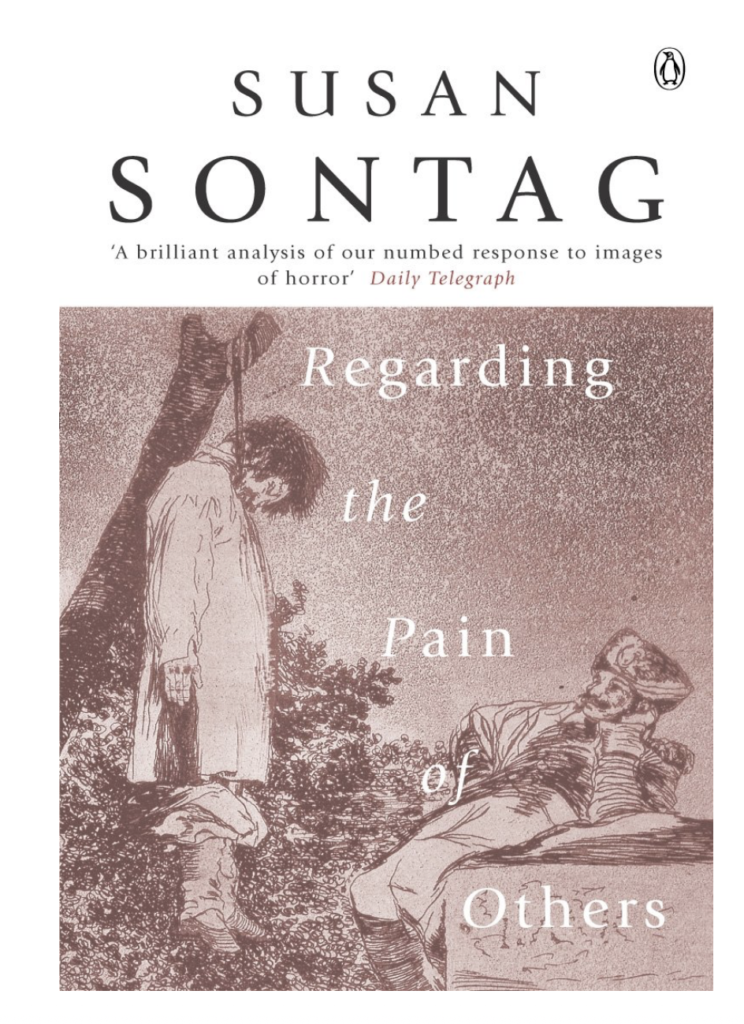
Author: Susan Sontag
First Published: 2003
Category: 🟩 Foundational
Difficulty: ★★★☆☆ Moderate
Overall: ★★★★★
Best For
- BA, MA, MFA and PhD students
- Documentary photographers
- Photojournalists
- Humanitarian photographers
- Researchers exploring ethics and visual culture
- Anyone photographing conflict, illness, grief or social inequality
Research Themes
Ethics • Documentary Photography • War • Suffering • Memory • Spectatorship • Compassion • Representation • Violence • Responsibility
Overview
More than twenty-five years after publishing On Photography, Susan Sontag returned to many of the same questions with fresh urgency in Regarding the Pain of Others. While her earlier work examined photography’s place within modern society, this later book focuses on one of the medium’s most difficult responsibilities: how photographs represent human suffering.
It is a remarkably thoughtful book, written with the clarity and precision that characterises Sontag’s best work, yet tempered by decades of reflection. Rather than presenting a single argument, she continually questions her own assumptions, revisiting ideas she explored in On Photography while acknowledging that some of her earlier conclusions may have been too absolute.
The result is one of the most important books ever written about documentary photography, photojournalism and visual ethics.
For anyone whose work engages with grief, conflict, illness, injustice or social inequality, I consider it essential reading.
Why Sontag Returned to the Subject
Between the publication of On Photography in 1977 and Regarding the Pain of Others in 2003, the world changed dramatically.
Television brought war directly into people’s homes.
Twenty-four-hour news transformed the speed at which images circulated.
The conflicts in Bosnia, Rwanda, Kosovo and elsewhere confronted audiences with an unprecedented flow of photographic evidence documenting violence and human suffering.
Photography had become even more immediate.
The central question remained:
What happens when we repeatedly look at images of pain?
Do photographs increase empathy?
Or do they gradually numb us?
Unlike many writers, Sontag refuses to offer simple answers.
Instead, she explores the uncomfortable complexity of looking itself.
Looking Is Never Innocent
One of the book’s most powerful ideas is that every act of looking carries ethical responsibility.
When we view photographs of suffering, we become more than passive observers.
We enter into a relationship with the people depicted.
That relationship is unequal.
We are safe.
They often are not.
This imbalance creates moral questions that documentary photographers cannot ignore.
Who has the right to make these photographs?
Who benefits from them?
Who profits?
Who remains anonymous?
Sontag argues that photographs cannot answer these questions on their own.
Context matters.
Captions matter.
History matters.
Most importantly, viewers matter.
The meaning of any photograph is shaped as much by those who look at it as by those who create it.
Can Photographs Change the World?
Throughout photographic history, images have often been credited with transforming public opinion.
Photographs from the American Civil Rights Movement.
The Vietnam War.
The Holocaust.
Famine in Ethiopia.
More recently, conflicts in Ukraine, Gaza and Sudan.
Again and again, photographs have been described as catalysts for political action.
Sontag neither dismisses nor romanticises this idea.
She recognises that photographs possess extraordinary emotional power.
Yet she also reminds us that photographs alone rarely create lasting change.
Images can inform.
They can shock.
They can bear witness.
But without political action, journalism, education and sustained public engagement, photographs cannot solve the problems they reveal.
For photographers, this is both a humbling and liberating insight.
Photography matters.
But it is only one part of a much larger conversation.
Compassion and Fatigue
One of the book’s most memorable discussions concerns compassion.
Repeated exposure to images of suffering, Sontag suggests, may produce two opposite responses.
The first is empathy.
The second is exhaustion.
When photographs become constant, viewers risk becoming desensitised.
The unimaginable gradually becomes familiar.
Today’s digital world makes this argument feel remarkably contemporary.
Every day we scroll past photographs documenting war, climate disasters, displacement, famine and personal tragedy.
Many of us pause for only a few seconds before moving on.
Sontag asks whether this endless stream of images encourages genuine understanding or simply creates another form of consumption.
It is an uncomfortable question.
It is also one every photographer should consider.
Photography and Memory
Unlike moving images, photographs freeze a single instant.
That stillness gives them a unique relationship with memory.
Sontag argues that photographs preserve moments that history might otherwise forget.
At the same time, they can simplify complex events into single, iconic images.
One photograph may come to represent an entire conflict.
One portrait may symbolise thousands of individual lives.
Photography has enormous power to shape collective memory.
Yet memory itself is never complete.
Every photograph remembers something while excluding countless other stories.
Recognising those absences is one of the book’s recurring themes.
Why It Matters Today
Although published in 2003, Regarding the Pain of Others feels astonishingly current.
Artificial intelligence now generates convincing images of events that never happened.
Social media distributes photographs globally within seconds.
Conflicts are documented continuously by professionals, citizens and automated surveillance systems.
The ethical questions Sontag raises have become even more complicated.
How do we verify images?
What responsibilities accompany sharing them?
When does witnessing become exploitation?
Can photographs still command attention in a world saturated with visual information?
Few books anticipate these contemporary debates as effectively as this one.
My Thoughts
Of all Susan Sontag’s books, this is the one I find myself returning to most frequently.
While On Photography fundamentally changed the way I understood photographic culture, Regarding the Pain of Others continues to influence the way I think about responsibility.
As my own research has increasingly focused on death, grief and social inequality, Sontag’s reflections have become especially significant. They remind me that photographs dealing with vulnerability should never be approached lightly. Every image carries ethical consequences—not only for those who make it but also for those who view it and those whose lives it represents.
Reading this book alongside Barthes creates a fascinating dialogue.
Barthes explores personal grief.
Sontag explores public suffering.
Together they reveal photography’s extraordinary capacity to preserve both intimate memory and collective history.
Whenever I revisit Regarding the Pain of Others, I find myself slowing down. It encourages a more thoughtful way of looking, one that resists easy conclusions and instead asks us to remain attentive, compassionate and intellectually honest.
That is perhaps its greatest achievement.
Criticisms
Some readers have argued that Sontag occasionally underestimates photography’s ability to inspire meaningful political action.
Others suggest that her emphasis on spectatorship sometimes overlooks the agency of the people being photographed.
These criticisms are worth considering.
Indeed, later writers such as Ariella Azoulay expand these discussions by placing greater emphasis on citizenship, participation and the rights of photographic subjects.
Yet these debates should be seen as evidence of the book’s continuing influence rather than weaknesses.
Few books provoke such sustained discussion across photography, journalism, philosophy and visual culture.
Why Every Photographer Should Read It
Photography has always involved more than aesthetics.
Every photograph asks ethical questions.
Who is represented?
Who is excluded?
Who controls the narrative?
Who has the right to tell another person’s story?
Regarding the Pain of Others encourages photographers to think carefully about these responsibilities without becoming paralysed by them.
It reminds us that thoughtful photography requires empathy, humility and an awareness of the wider social and political contexts within which images circulate.
Whether you photograph conflict zones, family members, local communities or everyday life, these are questions worth carrying with you.
Verdict
Few books explore the ethics of photography with the intelligence, compassion and nuance of Regarding the Pain of Others. It is not a manual for documentary photographers, nor does it provide simple rules about what should or should not be photographed. Instead, it offers something far more valuable: a framework for thinking critically about images of suffering and our responsibilities as photographers and viewers.
More than twenty years after its publication, it remains one of the defining works on photographic ethics and an essential companion to both Camera Lucida and On Photography.
Read them together, and you begin to understand not only how photographs function, but why they continue to matter.
Rating: ★★★★★
Read this if: You want to think more deeply about documentary photography, visual ethics and the responsibilities that accompany photographing or viewing human suffering.
4. Ways of Seeing — John Berger
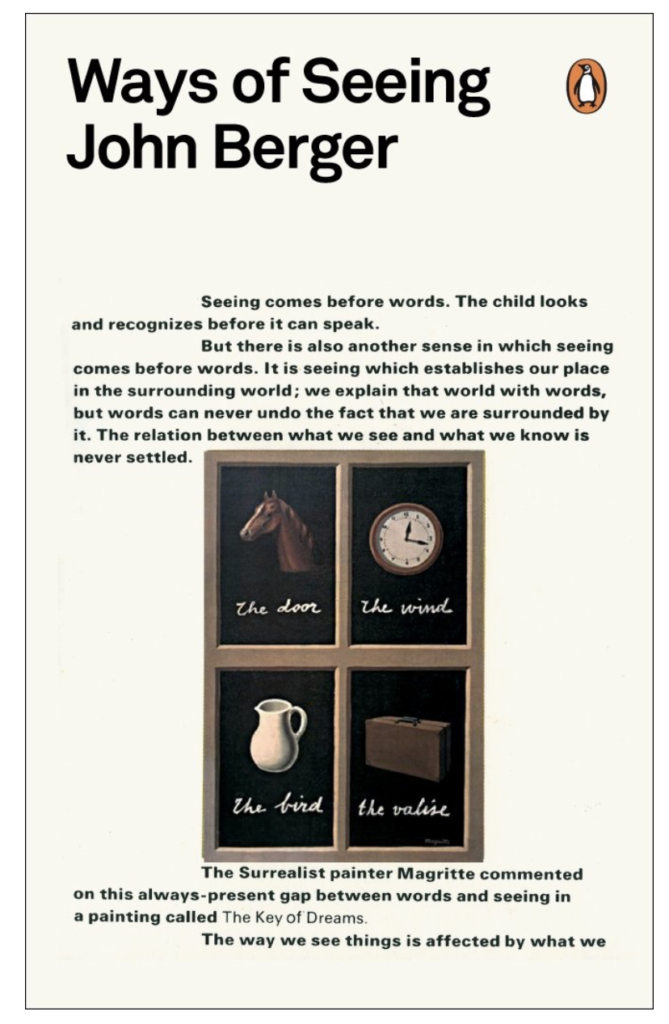
Author: John Berger
First Published: 1972
Category: 🟩 Foundational
Difficulty: ★★☆☆☆ Accessible
Overall: ★★★★★
Best For
- BA, MA, MFA and PhD students
- Fine art photographers
- Documentary photographers
- Visual artists
- Photography educators
- Anyone interested in visual culture
Research Themes
Representation • Power • Gender • Consumerism • Art History • Visual Culture • Ideology • Advertising • The Gaze • Looking
Overview
There are books that teach us about photography, and then there are books that fundamentally change the way we look at every image we encounter.
John Berger’s Ways of Seeing belongs firmly in the second category.
First published in 1972 and based on the hugely influential BBC television series of the same name, Ways of Seeing remains one of the most accessible and intellectually transformative books ever written about visual culture. Although much of the discussion centres on painting, particularly the European artistic tradition, its ideas have profoundly shaped the study of photography for more than half a century.
Few books have had such a lasting influence on how artists, photographers and students understand images.
Its central message is deceptively simple.
Looking is never neutral.
Every image we encounter is shaped by culture, history, politics and power. Equally, every viewer brings their own experiences, beliefs and assumptions to what they see.
Once Berger explains this, it becomes almost impossible to look at photographs in quite the same way again.
Who Was John Berger?
John Berger (1926–2017) was one of Britain’s most influential art critics, novelists, essayists and cultural commentators. Throughout his career he challenged traditional ideas about art, encouraging audiences to ask difficult questions about ownership, class, gender, capitalism and representation.
Unlike many academic writers, Berger possessed an extraordinary ability to explain complex ideas using clear, engaging language. His writing feels conversational rather than theoretical, making Ways of Seeing remarkably approachable despite its intellectual depth.
Although written more than fifty years ago, many of Berger’s observations now feel uncannily relevant to the digital age.
Images Are Never Innocent
Perhaps Berger’s most important contribution is his insistence that images do not possess fixed meanings.
Meaning is created through context.
A photograph displayed in a family album tells one story.
The same photograph reproduced in a newspaper may tell another.
Placed inside a museum, it acquires different meanings again.
Berger demonstrates that every image exists within systems of interpretation shaped by culture, politics and economics.
For photographers, this is a liberating but challenging realisation.
Once a photograph leaves the camera, its meaning is no longer entirely under the photographer’s control.
Viewers complete the image through their own experiences.
This idea continues to influence contemporary photography, particularly documentary practice and visual anthropology.
Seeing Comes Before Words
One of Berger’s opening observations has become one of the most frequently quoted passages in visual studies.
“Seeing comes before words.”
His point is not simply that we see before we learn language.
Rather, vision shapes our understanding of the world long before we begin explaining it intellectually.
Photography therefore occupies a unique position.
Images communicate immediately.
Only afterwards do we begin interpreting what we have seen.
This distinction reminds photographers that visual communication possesses its own language—one that often resists straightforward explanation.
The Male Gaze and Representation
Although later writers would expand and critique his ideas, Berger’s discussion of gender remains one of the book’s most influential chapters.
He argues that throughout Western art, women have frequently been represented not as independent subjects but as objects to be looked at.
Men act.
Women appear.
Women learn to watch themselves being watched.
These observations later influenced feminist writers such as Laura Mulvey, whose work on the male gaze has become foundational within film and photography studies.
For photographers today, Berger encourages important questions.
Who controls the camera?
Who controls representation?
Who has agency?
Whose perspective dominates?
These remain central concerns within contemporary photographic practice.
Photography, Advertising and Consumer Culture
One of the most remarkable aspects of Ways of Seeing is Berger’s analysis of advertising.
Long before social media influencers, targeted algorithms or digital marketing, he recognised that commercial imagery depended upon creating dissatisfaction.
Advertising rarely sells products.
It sells imagined futures.
It promises transformation.
The photograph becomes evidence not of what life is, but of what life could become if only we purchased the advertised object.
Reading these chapters today feels astonishingly contemporary.
Instagram.
TikTok.
Lifestyle branding.
Luxury travel.
Influencer culture.
Much of today’s visual economy operates exactly as Berger predicted.
For photographers, particularly those working commercially, these chapters remain essential reading.
Why It Still Matters
Unlike many books from the early 1970s, Ways of Seeing has aged remarkably well.
Technology has changed.
Photography has become digital.
Artificial intelligence now generates convincing images from text.
Yet Berger’s central questions remain.
Who benefits from images?
Who controls their meaning?
How do photographs shape identity?
What assumptions do viewers bring with them?
These questions have become even more relevant in an age when billions of photographs circulate globally every day.
My Thoughts
I first encountered Ways of Seeing during my undergraduate studies, yet it is one of those rare books that seems to become more relevant with every rereading.
Initially, I thought it was primarily about art history.
Only later did I appreciate how profoundly it reshapes photographic thinking.
Berger teaches us that photographs never exist in isolation.
Every image carries cultural assumptions.
Every photograph reflects choices about inclusion, exclusion, framing and power.
As my own research has developed around grief, death and social inequality, Berger’s writing has become increasingly important. His insistence that images participate in wider social structures continues to influence both the questions I ask and the photographs I make.
Like Barthes and Sontag, Berger rewards slow reading.
His writing appears deceptively straightforward, yet each chapter contains ideas that continue unfolding long after the book has been closed.
My own copy now contains annotations connecting Berger not only to Sontag and Barthes but also to Ariella Azoulay, Judith Butler, bell hooks and contemporary discussions around visual ethics and representation.
That ability to continue generating new conversations is perhaps the greatest measure of any important book.
Criticisms
Some aspects of Ways of Seeing inevitably reflect the period in which it was written.
Its discussions of gender, while groundbreaking in the early 1970s, have since been expanded considerably by feminist, queer and postcolonial scholars.
Others argue that Berger occasionally simplifies complex historical developments in order to make broader cultural arguments.
Yet these criticisms rarely diminish the book’s importance.
Instead, they demonstrate its continuing relevance.
The fact that so many later writers continue responding to Berger’s ideas is evidence of just how influential they remain.
Why Every Photographer Should Read It
Few books teach photographers to question images as effectively as Ways of Seeing.
Berger encourages us to move beyond technical considerations and ask deeper questions.
Who made this image?
Why was it made?
Who is looking?
Whose perspective is missing?
What assumptions am I bringing as the viewer?
These questions transform photography from a purely visual practice into an intellectual one.
Whether you work in documentary photography, fine art, portraiture or commercial practice, Berger reminds us that every photograph exists within larger cultural conversations.
Learning to recognise those conversations fundamentally changes the way we both create and interpret images.
Verdict
More than fifty years after its publication, Ways of Seeing remains one of the most influential books ever written about visual culture.
Accessible without being simplistic, intellectually rigorous without becoming intimidating, it continues to challenge readers to look more carefully at the images that surround them every day.
You don’t need to agree with every argument Berger makes.
You simply need to allow him to change the questions you ask.
Once you’ve read Ways of Seeing, it becomes almost impossible to look at photographs—or indeed any image—in quite the same way again.
That is the mark of a genuinely great book.
Rating: ★★★★★
Read this if: You want to understand how photographs shape, and are shaped by, culture, power and the act of looking itself.
5. The Cruel Radiance — Susie Linfield
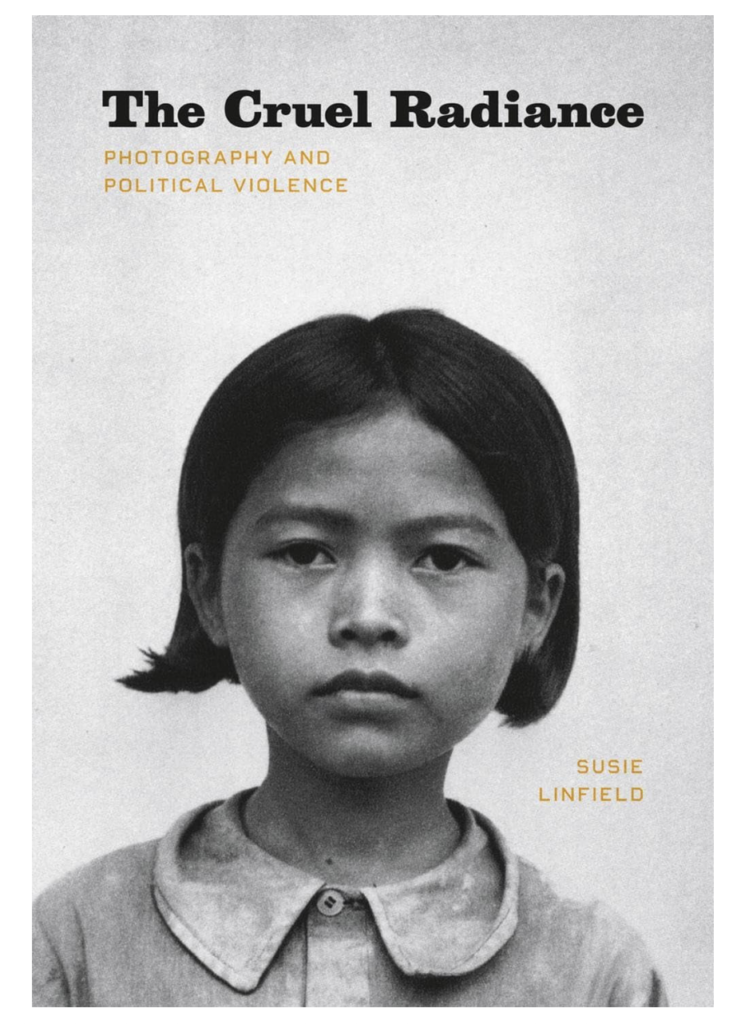
Author: Susie Linfield
First Published: 2010
Category: 🟦 Essential
Difficulty: ★★★☆☆ Moderate
Overall: ★★★★★
Best For
- BA, MA, MFA and PhD students
- Documentary photographers
- Photojournalists
- Human rights researchers
- Visual culture scholars
- Anyone interested in photographic ethics and representation
Research Themes
Documentary Photography • Human Rights • Ethics • War • Memory • Witnessing • Empathy • Politics • Representation • Social Justice
Overview
If Roland Barthes teaches us why photographs move us, Susan Sontag encourages us to question their ethical implications. Susie Linfield takes the conversation one step further.
Rather than asking whether photographs of suffering exploit their subjects, Linfield asks a different question:
What happens if we stop looking altogether?
Published in 2010, The Cruel Radiance is one of the most compelling defences of documentary photography written in recent decades. It is an ambitious, deeply researched and passionately argued book that challenges what Linfield sees as an increasingly sceptical attitude towards photographs of conflict, oppression and injustice.
Where many contemporary critics emphasise photography’s limitations, Linfield reminds us of its extraordinary possibilities.
Photographs cannot end wars.
They cannot eliminate poverty.
They cannot reverse injustice.
But they can bear witness.
They can preserve memory.
They can insist that suffering is neither invisible nor forgotten.
For anyone interested in documentary photography or socially engaged photographic practice, this is an essential book.
Who Is Susie Linfield?
Susie Linfield is an American journalist, cultural critic and professor of journalism at New York University. Her writing has long explored the relationship between photography, politics and human rights, bringing together historical scholarship with a deep appreciation for the emotional power of images.
Unlike some theorists, Linfield writes not as someone suspicious of photography, but as someone who believes profoundly in its value.
Her criticism is rigorous.
Her arguments are nuanced.
Yet throughout the book she never loses sight of the individuals whose lives appear within photographs.
That humanity gives The Cruel Radiance much of its emotional force.
A Defence of Documentary Photography
One of Linfield’s central arguments is that documentary photography has become burdened by excessive scepticism.
Throughout the late twentieth century, many critics questioned whether photographs could ever represent reality fairly.
They highlighted manipulation.
Power.
Bias.
Colonialism.
Voyeurism.
These criticisms are important.
Linfield does not dismiss them.
Instead, she argues that an exclusive focus on photography’s failures risks overlooking its extraordinary achievements.
Documentary photographs have exposed atrocities.
Recorded genocide.
Preserved evidence of war crimes.
Given visibility to communities that might otherwise have been ignored.
Photography may never be entirely objective.
But neither is it powerless.
For Linfield, documentary photography remains one of the most important forms of public witnessing available to us.
Bearing Witness
The concept of witnessing runs throughout the book.
Photographs do more than record events.
They acknowledge that something happened.
They become evidence.
Not evidence in a legal sense alone, but in a human sense.
They insist that particular lives mattered.
That particular injustice occurred.
Those particular moments should not disappear from history.
This is especially important when considering photography’s relationship with genocide, forced displacement, political violence and humanitarian crises.
Linfield reminds us that many of history’s most significant photographs continue to shape public memory decades after they were made.
Without them, some events might have been forgotten altogether.
Looking with Compassion
Unlike writers who worry that repeated exposure to suffering inevitably produces compassion fatigue, Linfield argues that photographs remain capable of fostering empathy.
She rejects the idea that viewers are simply passive consumers of pain.
Instead, she believes photographs invite moral engagement.
Looking carefully becomes an ethical act.
To refuse difficult images entirely may itself become a form of indifference.
This does not mean every documentary photograph succeeds.
Nor does it excuse sensationalism.
Rather, Linfield asks us to recognise that compassionate looking remains possible.
Indeed, it remains necessary.
Conversation with Susan Sontag
One of the reasons I find The Cruel Radiance so rewarding is that it enters into direct conversation with Susan Sontag.
Readers familiar with On Photography and Regarding the Pain of Others will recognise many shared concerns.
Both writers acknowledge photography’s extraordinary influence.
Both understand its ethical complexity.
Both recognise the dangers of exploitation.
Yet they reach subtly different conclusions.
Where Sontag often approaches documentary photography with caution, Linfield is more optimistic about its ability to deepen understanding.
Rather than seeing photographs primarily as problematic representations, she sees them as imperfect but indispensable forms of testimony.
Reading the two authors together is enormously rewarding.
Neither completely disproves the other.
Instead, they enrich one another.
Their disagreements encourage readers to think more carefully about their own assumptions.
Photography and Human Rights
One of the book’s greatest strengths is its engagement with human rights.
Linfield examines photographs documenting the Holocaust, the Cambodian genocide, the Balkans, political repression and other moments of profound historical violence.
Rather than treating these images as aesthetic objects, she asks what responsibilities accompany looking at them.
Can photographs honour those they depict?
Can they preserve dignity while revealing suffering?
Can they become forms of remembrance?
These questions remain central to contemporary documentary practice.
Particularly for photographers working with vulnerable communities, Linfield offers an invaluable ethical framework grounded in compassion rather than cynicism.
Why It Matters Today
If anything, The Cruel Radiance has become even more relevant since its publication.
Every day we encounter photographs documenting war, forced migration, environmental disasters and humanitarian crises.
Social media allows these images to circulate globally within moments.
Artificial intelligence raises new questions about authenticity.
Political misinformation challenges public trust in visual evidence.
Against this backdrop, Linfield’s defence of documentary photography feels remarkably timely.
She reminds us that photographs remain one of the most powerful ways of recording human experience.
Not because they are perfect.
But because they refuse to let suffering disappear unnoticed.
My Thoughts
This is one of the books that has influenced my own research most directly.
As my work has increasingly explored death, grief and social inequality through photography, I have found Linfield’s writing both reassuring and challenging.
Reassuring because she refuses to abandon documentary photography simply because it raises difficult ethical questions.
Challenging because she insists that photographers must continue engaging with those questions throughout their practice.
I particularly admire the generosity with which she approaches photography.
Rather than assuming photographs inevitably manipulate or exploit, she begins from the belief that they can foster understanding.
That optimism feels refreshing.
Reading The Cruel Radiance alongside Barthes, Sontag and Berger has become an essential part of my own research journey.
Together they form an ongoing conversation about photography’s emotional, ethical and political possibilities.
Whenever I revisit Linfield, I leave with renewed confidence that thoughtful documentary photography still matters.
Perhaps now more than ever.
Criticisms
Some readers argue that Linfield occasionally underestimates the structural inequalities embedded within documentary photography.
Questions surrounding colonialism, race, authorship and representation have continued to develop considerably since the book’s publication.
Others feel her defence of documentary photography is sometimes too optimistic.
Yet even these criticisms acknowledge the importance of the conversation she has initiated.
The Cruel Radiance does not ignore photography’s problems.
It simply refuses to conclude that those problems render documentary photography meaningless.
That distinction is crucial.
Why Every Photographer Should Read It
Documentary photography has never been easy.
Every image raises questions about power, consent, responsibility and interpretation.
Linfield does not pretend these questions have straightforward answers.
Instead, she argues that their very complexity is precisely why documentary photography continues to matter.
For photographers interested in social justice, community practice, visual testimony or participatory research, this book provides an essential reminder that photography is not merely about recording events.
It is about acknowledging lives.
Recognising dignity.
And ensuring that difficult histories remain visible.
Verdict
The Cruel Radiance is one of the finest books ever written in defence of documentary photography. Thoughtful, compassionate and intellectually rigorous, it reminds us that photographs are not simply images to be analysed but encounters with other human beings.
Rather than diminishing photography’s importance, Linfield restores our faith in its ability to bear witness to the world with honesty, humility and care.
For anyone interested in documentary practice, visual ethics or photography as a form of social engagement, this book deserves a permanent place alongside Barthes, Sontag and Berger.
Rating: ★★★★★
Read this if: You want to understand why documentary photography still matters and how photographs can bear witness to human suffering without losing sight of dignity, compassion and hope.
6. The Civil Contract of Photography — Ariella Azoulay
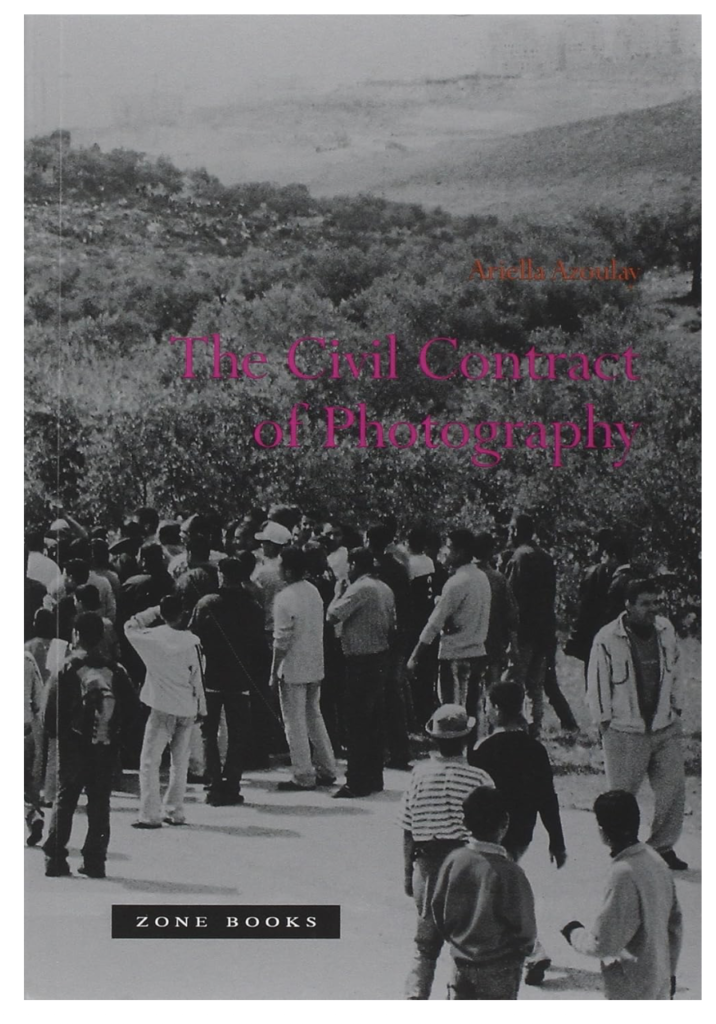
Author: Ariella Azoulay
First Published: 2008
Category: 🟥 Specialist Reading
Difficulty: ★★★★★ Very Challenging
Overall: ★★★★★
Best For
- MA, MFA and PhD students
- Documentary photographers
- Visual culture researchers
- Human rights scholars
- Participatory photographers
- Anyone researching photography, politics and ethics
Research Themes
Citizenship • Human Rights • Documentary Photography • Ethics • Participation • Political Theory • Representation • Visual Culture • Democracy • Responsibility
Overview
Some photography books encourage us to think differently about individual images. Others ask us to rethink photography itself.
Ariella Azoulay’s The Civil Contract of Photography belongs firmly in the second category.
First published in 2008, it is one of the most intellectually ambitious books written about photography in the twenty-first century. Rather than treating photographs as isolated objects or artistic creations, Azoulay argues that photography is fundamentally a political relationship involving photographers, subjects and viewers alike.
This may sound abstract, but its implications are profound.
According to Azoulay, every photograph creates a form of civic encounter. It asks something of us. It demands that we recognise another person’s existence, acknowledge their rights and accept our own responsibilities as viewers.
Photography, therefore, is never simply about seeing.
It is about participating.
For readers willing to engage with its challenging ideas, The Civil Contract of Photography offers one of the most original and influential theories of photography published in recent decades.
Who Is Ariella Azoulay?
Ariella Azoulay is an Israeli-born scholar, filmmaker, curator and political theorist whose work spans photography, visual culture, colonialism and human rights. Her research has transformed contemporary discussions about documentary photography by moving beyond questions of aesthetics towards questions of citizenship, justice and political responsibility.
Unlike many writers who focus primarily on photographers or photographs, Azoulay is interested in the relationships created through photography.
Her work has become increasingly influential across photography, anthropology, museum studies and postcolonial research.
Although undeniably academic, her ideas continue to reshape how photography is taught and understood internationally.
Photography as a Civil Contract
The central idea of the book is both radical and surprisingly intuitive.
Azoulay argues that every photograph establishes what she calls a civil contract between three participants:
- the photographer,
- the person being photographed,
- and the viewer.
Each has responsibilities.
The photographer must act ethically.
The subject possesses dignity and rights that continue beyond the moment of exposure.
The viewer is not simply an observer but someone invited to respond.
This transforms photography from an object into a relationship.
Images no longer exist simply to be admired.
They become encounters demanding ethical attention.
Beyond the Nation-State
One of Azoulay’s most original contributions is her argument that photography creates forms of citizenship extending beyond national borders.
A photograph of someone experiencing injustice in another country still creates a relationship between viewer and subject.
We may not share nationality.
We may never meet.
Yet the photograph reminds us of our shared humanity.
For Azoulay, photography therefore possesses democratic potential.
It creates communities of responsibility that transcend governments and political systems.
This idea has become enormously influential within discussions of human rights photography.
Looking as Participation
Traditional theories often imagine viewers as passive spectators.
Azoulay rejects this completely.
Looking is an action.
Every photograph asks something of its audience.
Will we ignore it?
Question it?
Share it?
Respond to it?
Photography therefore becomes participatory rather than passive.
This is one of the reasons the book resonates so strongly with contemporary discussions around social media, citizen journalism and participatory photography.
Why It Matters for Documentary Photography
For documentary photographers, Azoulay offers an important alternative to the pessimism sometimes found in photographic criticism.
Rather than asking whether photography can ever represent reality perfectly, she asks whether photographs can create ethical relationships between people.
The emphasis shifts.
Perfection becomes less important than responsibility.
Truth becomes inseparable from care.
Photography becomes a civic practice rather than merely a visual one.
Why It Matters Today
Although published before Instagram, TikTok and generative artificial intelligence transformed visual culture, Azoulay’s ideas feel remarkably contemporary.
Billions of photographs now circulate globally every day.
Images move instantly across political borders.
Viewers become participants through commenting, sharing, liking and responding.
Photography has become more relational than ever before.
Azoulay anticipated this transformation by insisting that photographs are never simply things.
They are ongoing social relationships.
My Thoughts
This is undoubtedly one of the most demanding books in this guide.
Unlike Berger or Sontag, Azoulay expects readers to engage with political philosophy alongside photography. It is not a book to read quickly.
Yet I believe the effort is richly rewarded.
As my own research has increasingly explored death, grief and social inequality through participatory photographic practice, Azoulay has become one of the most important contemporary thinkers in my own library.
Her insistence that viewers have responsibilities—not simply photographers—has profoundly influenced the way I think about photographs made with and about vulnerable communities.
Rather than asking whether an image is aesthetically successful, I increasingly ask whether it creates an ethical relationship between those involved.
That shift has changed the way I think about photography itself.
Like Barthes, Sontag, Berger and Linfield, Azoulay offers no simple answers.
Instead, she encourages more thoughtful questions.
For me, that is precisely what the best photography books should do.
Criticisms
There is no escaping the fact that The Civil Contract of Photography is a challenging read.
Its language can feel dense, particularly for readers unfamiliar with political theory or philosophy.
Some critics argue that Azoulay occasionally places too much emphasis on theoretical frameworks at the expense of practical photographic experience.
Others suggest that aspects of her political analysis are open to debate.
Yet even those who disagree with her conclusions generally acknowledge the originality and importance of her contribution.
This is one of those rare books that changes the terms of the conversation.
Why Every Researcher Should Read It
Not every photographer needs to read Azoulay immediately.
But anyone undertaking serious research into documentary photography, visual ethics, participatory practice or social justice will almost certainly encounter her work.
Her ideas continue to influence contemporary scholarship across photography, museum studies, visual anthropology and human rights research.
Although demanding, the book rewards persistence.
Each rereading reveals new connections with Barthes, Sontag, Berger and Linfield.
Together they form one of the richest conversations in contemporary photographic theory.
Verdict
The Civil Contract of Photography is not an introductory book, but it is one of the most important contemporary works of photographic theory. Ambitious, original and intellectually challenging, it asks readers to reconsider photography not as an object or image but as an ethical and political relationship between people.
It is a book to read slowly, annotate carefully and revisit often.
For postgraduate researchers, particularly those interested in documentary photography, participatory practice or social justice, it is indispensable.
Rating: ★★★★★
Read this if: You want to explore photography as an ethical, political and civic practice rather than simply an artistic medium.
7. To Photograph Is To Learn How To Die — Tim Carpenter
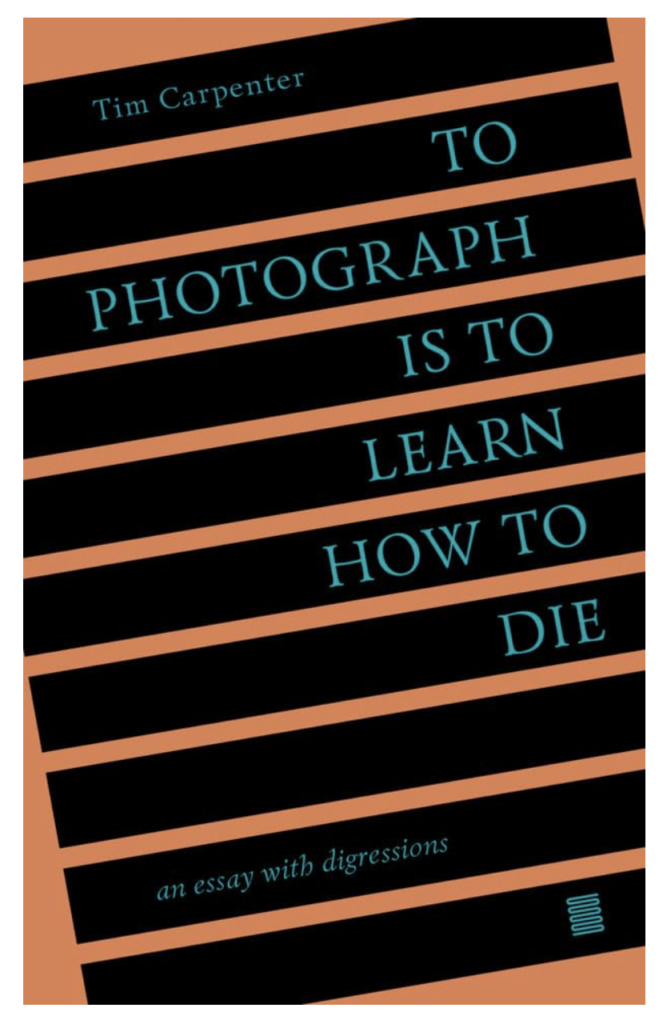
Author: Tim Carpenter
First Published: 2026
Category: 🟨 Highly Recommended
Difficulty: ★★★☆☆ Moderate
Overall: ★★★★★
Best For
- BA, MA, MFA and PhD students
- Fine art photographers
- Documentary photographers
- Photographers interested in philosophy
- Artists exploring creativity and mortality
- Anyone questioning why they make photographs
Research Themes
Creativity • Mortality • Time • Seeing • Philosophy • Artistic Practice • Memory • Perception • Presence • Reflection
Overview
Some books teach us how to analyse photographs.
Others teach us how to make them.
Tim Carpenter’s To Photograph Is To Learn How To Die does something rather different.
It asks why photography matters at all.
Part philosophical essay, part personal reflection and part meditation on creative practice, Carpenter’s book resists easy classification. It isn’t a technical manual or a conventional work of photographic criticism. Instead, it explores photography as a way of paying attention to the world, recognising our own mortality and understanding what it means to live creatively.
Drawing together literature, philosophy, poetry and photography, Carpenter argues that the act of making photographs is inseparable from the awareness that every moment is temporary.
Photography, in this sense, becomes less about preserving life than learning how to accept its impermanence.
The title may initially sound bleak.
The book is anything but.
Instead, it is quietly hopeful.
Who Is Tim Carpenter?
Tim Carpenter is an American photographer, writer and educator whose work has long explored observation, landscape, memory and the philosophical dimensions of photographic practice.
Unlike photographers who focus primarily on technique or aesthetics, Carpenter is interested in attention itself.
How do we learn to notice?
Why do certain moments compel us to reach for a camera?
What kind of life does photography encourage us to live?
These questions lie at the heart of both his photographs and his writing.
His essays are thoughtful without becoming inaccessible and demonstrate an impressive ability to connect photography with wider traditions of literature and philosophy.
Photography as a Way of Being
One of the book’s central ideas is that photography is not simply an activity.
It is a way of inhabiting the world.
Carpenter suggests that photographers gradually develop habits of attention that extend far beyond making pictures.
They notice light differently.
Time differently.
Silence differently.
Ordinary moments acquire unexpected significance.
Photography becomes less concerned with collecting images and more concerned with cultivating awareness.
This is an idea that resonates deeply with many photographers, particularly those whose work develops slowly over many years rather than through isolated projects.
Learning Through Mortality
The title naturally invites curiosity.
Why should learning photography have anything to do with death?
Carpenter’s answer is subtle.
Photography constantly reminds us that every moment disappears almost as soon as it arrives.
The act of photographing acknowledges both presence and absence simultaneously.
Every exposure records something that immediately belongs to the past.
Rather than encouraging despair, Carpenter suggests this awareness enriches our experience of the present.
Knowing that moments cannot be repeated encourages us to value them more deeply.
Photography therefore becomes an education in attentiveness rather than nostalgia.
Creativity Beyond Technique
One of the qualities I most admire about this book is its refusal to reduce photography to equipment, software or technical mastery.
Carpenter writes very little about cameras.
Instead, he writes about perception.
Curiosity.
Patience.
Reading.
Walking.
Thinking.
Looking.
Photography emerges as a creative philosophy rather than a collection of technical skills.
For students surrounded by endless discussions of cameras, editing software and artificial intelligence, this offers a refreshing perspective.
It reminds us that meaningful photographs begin long before the shutter is pressed.
A Conversation with Barthes
Readers familiar with Camera Lucida will notice echoes of Roland Barthes throughout Carpenter’s writing.
Both writers recognise photography’s intimate relationship with mortality.
Both understand that photographs preserve moments that can never return.
Yet their approaches differ.
Barthes begins with grief.
Carpenter begins with attention.
Where Barthes reflects upon photographs after loss, Carpenter encourages us to experience the present more fully before it disappears.
The books complement one another beautifully.
Together they suggest that photography’s relationship with death is not simply one of mourning, but also one of gratitude.
Why It Matters Today
In an era of almost limitless image production, Carpenter’s emphasis on slowing down feels particularly significant.
Millions of photographs are uploaded every hour.
Artificial intelligence now generates convincing images in seconds.
Photography has become faster than ever before.
Carpenter gently suggests another possibility.
Perhaps photography’s greatest gift lies not in speed but in attention.
Not in producing more images, but in learning to see more carefully.
This quiet philosophy feels increasingly valuable in an age defined by distraction.
My Thoughts
This is one of the most beautifully written photography books I’ve read in recent years.
Unlike many theoretical texts, it doesn’t seek to persuade through argument alone.
Instead, it invites reflection.
Reading it feels less like attending a lecture and more like walking alongside another photographer who is thinking aloud.
Its ideas unfold gradually, often lingering long after you’ve closed the book.
As someone whose own research increasingly explores death, grief and social inequality, I found many unexpected connections with Carpenter’s writing.
His understanding of photography as an encounter with impermanence resonated strongly with questions I’ve been exploring through both photographic practice and research.
It is one of those rare books that encourages slower, more thoughtful photography without ever becoming sentimental.
That balance is remarkably difficult to achieve.
Criticisms
Readers expecting practical instruction may initially find the book frustrating.
There are no technical exercises.
No equipment recommendations.
No step-by-step guidance.
Its philosophical style also requires patience.
Some readers may wish for more concrete examples from Carpenter’s own photographic practice.
Yet these are not weaknesses so much as reflections of the book’s purpose.
It asks us to think differently rather than photograph differently.
Why Every Photographer Should Read It
Photography often becomes dominated by discussions of equipment, software and technology.
Carpenter quietly redirects our attention towards something far more important.
Why do we photograph?
What kind of person does photography encourage us to become?
How does looking carefully change the way we live?
These questions have no final answers.
But they remain among the most valuable questions any photographer can ask.
Verdict
To Photograph Is To Learn How To Die is one of the most thoughtful photography books published in recent years. Quietly philosophical, beautifully written and deeply humane, it reminds us that photography is ultimately less about making pictures than about learning how to pay attention to the fleeting nature of life itself.
It is not a book to hurry through.
Read it slowly.
Return to it often.
Allow it to reshape the way you think about photography.
You may find, as I did, that it also reshapes the way you think about living.
Rating: ★★★★★
Read this if: You want to explore photography not simply as a creative practice but as a way of understanding time, attention and what it means to be fully present in the world.
8. Hold Still — Sally Mann
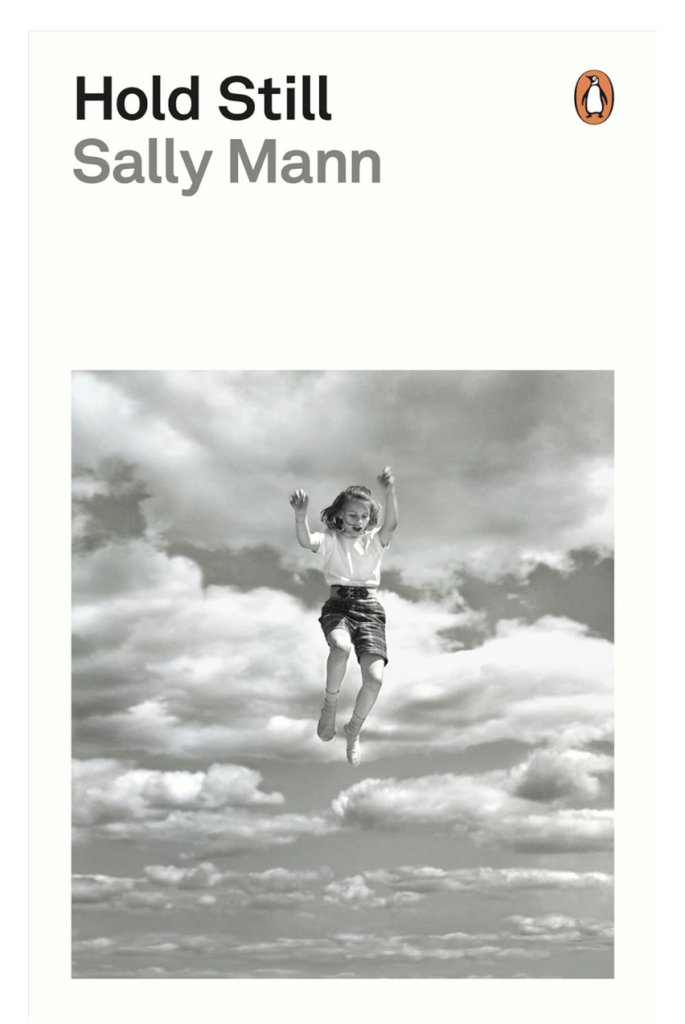
Author: Sally Mann
First Published: 2015
Category: 🟨 Highly Recommended
Difficulty: ★☆☆☆☆ Very Accessible
Overall: ★★★★★
Best For
- BA, MA, MFA and PhD students
- Fine art photographers
- Documentary photographers
- Portrait photographers
- Artists exploring autobiography
- Anyone interested in the relationship between life and artistic practice
Research Themes
Memory • Family • Identity • Place • Ethics • Portraiture • Mortality • Creativity • Autobiography • Artistic Process
Overview
Some photography books teach theory.
Others teach technique.
Hold Still teaches something arguably far more important.
It teaches what it means to live a creative life.
Part memoir, part family history and part reflection on artistic practice, Sally Mann’s Hold Still is one of the most honest, beautifully written and emotionally intelligent books ever published by a photographer. It moves effortlessly between childhood memories, family relationships, artistic struggles and the making of some of the most recognisable photographs of the last fifty years.
Although readers familiar with Mann’s photographs will discover fascinating insights into her work, Hold Still is much more than the story of a successful career.
It is an exploration of how life and photography become inseparable.
How memory shapes images.
How family shapes creativity.
And how making photographs inevitably raises questions about responsibility, privacy and love.
For photographers at any stage of their journey, it is an unforgettable read.
Who Is Sally Mann?
Sally Mann is one of the most influential American photographers of the past half-century.
Best known for her large-format black-and-white photographs, she has explored landscapes, portraiture, mortality and family with remarkable consistency throughout her career.
Her series Immediate Family, featuring intimate photographs of her children growing up in rural Virginia, generated both widespread acclaim and intense controversy. Some praised the work as one of the most important explorations of childhood in contemporary photography.
Others questioned whether such personal photographs should ever have been made public.
Rather than avoiding these difficult conversations, Mann addresses them directly throughout Hold Still with honesty, generosity and remarkable self-awareness.
More Than a Memoir
What makes Hold Still exceptional is its refusal to become a conventional autobiography.
Mann does not simply recount events in chronological order.
Instead, she constructs memories in much the same way she constructs photographs.
Stories overlap.
Fragments return.
Family myths are questioned.
Historical research sits alongside personal recollection.
Throughout the book, photographs become another form of storytelling rather than illustrations supporting the text.
The result feels wonderfully photographic.
Rather than explaining life, Mann allows it to unfold gradually, with all its uncertainties and contradictions.
Family, Memory and Photography
Few photographers have explored family with the intimacy and honesty of Sally Mann.
Throughout Hold Still, she reflects on childhood, marriage, parenthood and the complex relationships that shape both personal identity and artistic vision.
Importantly, she never romanticises family life.
Love exists alongside conflict.
Memory exists alongside uncertainty.
Photography becomes a means of exploring these complexities rather than resolving them.
For photographers interested in autobiography, archives or long-term personal projects, this aspect of the book is invaluable.
Mann demonstrates that the most familiar subjects often prove the most challenging to photograph honestly.
The Ethics of Looking
One of the reasons Hold Still remains so important is its willingness to engage openly with criticism.
The publication of Immediate Family generated fierce debate about childhood, consent, privacy and artistic freedom.
Rather than dismissing these concerns, Mann reflects upon them thoughtfully.
She acknowledges ambiguity.
She recognises that photographs can carry meanings far beyond those originally intended.
This willingness to confront difficult questions rather than avoid them makes the memoir particularly valuable for contemporary photographers.
In an age when discussions surrounding representation, consent and ethics have become increasingly prominent, Mann’s reflections remain remarkably relevant.
Photography and Mortality
Like Roland Barthes, Mann repeatedly returns to photography’s relationship with death.
Throughout her career she has photographed battlefields, decomposing bodies, landscapes marked by history and the gradual passing of time.
In Hold Still, these themes emerge naturally rather than dramatically.
Mortality becomes part of everyday life.
Photography becomes a way of acknowledging impermanence without attempting to overcome it.
Reading Mann alongside Barthes and Tim Carpenter reveals fascinating connections.
All three recognise photography’s unique relationship with absence.
Yet each approaches that relationship differently.
Together they create one of the richest conversations within contemporary photographic literature.
Place Matters
Virginia is more than a backdrop in Hold Still.
It becomes one of the book’s central characters.
The rivers, forests, abandoned buildings and family land are described with extraordinary affection and precision.
Mann reminds us that photography is always rooted somewhere.
Place shapes memory.
Memory shapes photographs.
Understanding one often requires understanding the other.
For landscape photographers in particular, her reflections are especially rewarding.
Why It Matters Today
Much contemporary photography is shaped by speed.
Images are produced instantly.
Shared immediately.
Forgotten quickly.
Hold Still offers another model.
It celebrates patience.
Long-term projects.
Deep familiarity with subjects.
Photography built upon decades rather than days.
In a culture increasingly driven by algorithms and constant visibility, Mann reminds us that meaningful work often develops slowly.
That lesson feels more valuable today than ever before.
My Thoughts
Few photography books have stayed with me quite like Hold Still.
Initially I expected an autobiography.
Instead I found a profound meditation on creativity, memory and what it means to devote an entire life to photography.
What I admire most is Mann’s honesty.
She neither glorifies nor apologises for her work.
Instead she invites readers into the uncertainties that accompany every significant artistic decision.
As someone researching grief, memory and social inequality, I found many unexpected resonances throughout the book.
Its discussions of family archives, mortality and place connected naturally with ideas I had already encountered in Barthes, Sontag and Carpenter, yet Mann expresses them through lived experience rather than philosophical argument.
Whenever I recommend photography books to students, Hold Still is almost always among the first titles I mention.
It reminds us that photographs are never created in isolation.
They emerge from lives.
And understanding those lives often deepens our understanding of the photographs themselves.
Criticisms
Some readers may find the memoir’s non-linear structure occasionally demanding.
Its movement between biography, family history and artistic reflection requires careful attention.
Others hoping for detailed technical discussions of Mann’s photographic process may wish there were more practical material.
Yet neither criticism significantly diminishes the book’s achievement.
Its purpose is not to teach photographic technique.
It is to illuminate the creative life behind the work.
In that respect, it succeeds brilliantly.
Why Every Photographer Should Read It
Photography is ultimately made by people rather than cameras.
Hold Still reminds us of this with extraordinary grace.
It demonstrates that artistic practice is inseparable from personal experience.
Family.
Loss.
Landscape.
Memory.
Failure.
Joy.
All become part of the photographic process.
For photographers wondering how to sustain a creative life over decades rather than months, few books offer wiser or more generous companionship.
Verdict
Hold Still is much more than the memoir of an internationally celebrated photographer. It is an exploration of memory, family, creativity and artistic responsibility that deserves to be read far beyond photography.
Beautifully written, deeply moving and refreshingly honest, it reveals the life behind the photographs without ever reducing the photographs to biography.
It is one of the finest books ever written by a practising photographer and one I return to regularly.
Every rereading uncovers another layer.
Rating: ★★★★★
Read this if: You want to understand not only how great photographs are made, but how a lifetime of curiosity, honesty and artistic courage can shape a remarkable body of work.
9. Pictures From Home — Larry Sultan
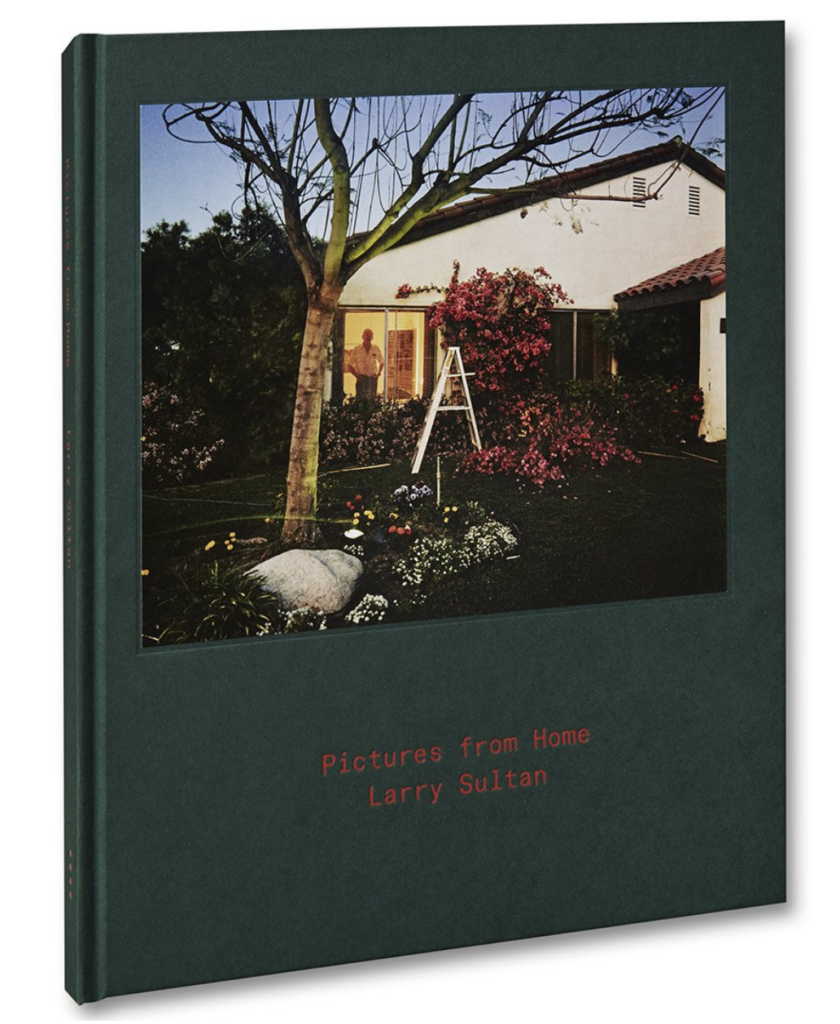
Author: Larry Sultan
First Published: 1992
Category: 🟨 Highly Recommended
Difficulty: ★★★☆☆ Moderate
Overall: ★★★★★
Best For
- BA, MA, MFA and PhD students
- Documentary photographers
- Portrait photographers
- Artists exploring family archives
- Photographers interested in autobiography
- Anyone interested in long-form photographic projects
Research Themes
Family • Memory • Identity • Performance • Documentary • Autobiography • Home • Narrative • Truth • Representation
Overview
Few photographic projects have examined family life with the honesty, complexity and emotional intelligence of Larry Sultan’s Pictures From Home.
Originally published in 1992, the book combines photographs, conversations and personal reflections to create one of the most important explorations of family ever produced through photography. What begins as a seemingly straightforward project documenting Sultan’s retired parents gradually develops into something much richer—a meditation on ageing, identity, performance, memory and the complicated relationship between documentary photography and truth.
At first glance the photographs appear calm and familiar.
A suburban garden.
A living room.
Television.
Family meals.
Quiet conversations.
Yet beneath this apparent ordinariness lies an extraordinary emotional depth.
Sultan reveals that family life is never as simple as it appears.
Everyone performs.
Everyone remembers differently.
Every photograph becomes part of an ongoing negotiation between reality and imagination.
Who Was Larry Sultan?
Larry Sultan (1946–2009) was an American photographer whose work consistently blurred the boundaries between documentary photography, conceptual art and personal narrative.
Rather than chasing dramatic moments, Sultan was fascinated by the everyday.
Domestic interiors.
Family relationships.
Suburban life.
Advertising imagery.
Corporate archives.
His photographs are deceptively quiet, yet they ask profound questions about identity, memory and the stories photographs tell.
Throughout his career he challenged conventional ideas about documentary truth, demonstrating that every photograph is shaped by collaboration between photographer, subject and viewer.
A Family Becomes the Subject
The heart of Pictures From Home is Sultan’s relationship with his parents.
Recently retired and adjusting to a new stage of life, they become willing participants in a project that lasts more than ten years.
Importantly, Sultan never pretends to observe them objectively.
He is both photographer and son.
Those roles continually overlap.
Sometimes his parents perform for the camera.
Sometimes they resist it.
Sometimes they forget it is there altogether.
Rather than hiding these tensions, Sultan makes them central to the work.
The result is an unusually honest exploration of documentary photography itself.
Documentary or Performance?
One of the book’s most fascinating achievements is its refusal to separate fact from performance.
We often assume documentary photographs reveal truth.
Sultan gently dismantles that assumption.
His parents know they are being photographed.
They consciously and unconsciously present versions of themselves.
The photographer also shapes the scene through framing, timing and selection.
Truth therefore becomes collaborative rather than fixed.
This insight continues to influence contemporary documentary photography, where questions of participation, consent and authorship remain central.
Photography and Memory
Like Barthes and Sally Mann, Sultan is deeply interested in memory.
Yet his approach differs.
Rather than searching for decisive moments, he explores the gradual accumulation of ordinary experiences.
Family life rarely unfolds dramatically.
Instead, it consists of repeated gestures.
Conversations.
Shared routines.
Small rituals.
Photography becomes a way of recognising the significance of these seemingly insignificant moments.
Looking back, they become the substance of memory itself.
The Suburbs Reconsidered
One of the book’s quieter achievements is its portrayal of suburban America.
Rather than treating suburbia as either ideal or failure, Sultan photographs it with extraordinary empathy.
Swimming pools.
Palm trees.
Driveways.
Television sets.
These familiar settings become stages upon which questions of ageing, aspiration and identity quietly unfold.
The ordinary becomes worthy of prolonged attention.
For photographers, this is an important reminder that compelling work rarely depends upon exotic subjects.
Often the richest projects begin closest to home.
Why It Matters Today
Contemporary photography often encourages speed.
Images appear briefly before disappearing into endless digital feeds.
Pictures From Home celebrates something very different.
Patience.
Duration.
Relationships.
The trust that develops through photographing the same people over many years.
In an age of instant image-making, Sultan reminds us that some stories require time.
Indeed, time may be the most important ingredient of all.
My Thoughts
Every time I revisit Pictures From Home, I notice something different.
Sometimes it is a glance between family members.
Sometimes it is the quiet humour running beneath the conversations.
Sometimes it is simply the extraordinary patience with which Sultan allows life to unfold.
As someone interested in memory, grief and family histories, I find the book endlessly rewarding.
It demonstrates that documentary photography need not rely on dramatic events to achieve emotional depth.
Instead, significance often emerges through sustained attention.
Reading Sultan alongside Barthes, Sally Mann and Tim Carpenter creates fascinating connections.
All recognise photography’s relationship with time.
Yet Sultan perhaps reminds us most clearly that photographs do not merely preserve memories.
They actively participate in creating them.
Criticisms
Some readers expecting a conventional documentary project may initially find the combination of photographs, conversations and personal reflections unusual.
Others may wish for greater narrative structure.
Yet these qualities are precisely what make the book distinctive.
Life itself rarely follows a tidy narrative.
Sultan allows uncertainty and contradiction to remain visible.
That honesty gives the work its enduring power.
Why Every Photographer Should Read It
Pictures From Home demonstrates that the most familiar subjects can become the richest.
You do not need to travel across the world to produce meaningful photography.
Sometimes the deepest stories are already waiting within your own family.
The book also offers an invaluable lesson in patience.
Great photographic projects are rarely completed in weeks or months.
Many evolve over years.
Some over decades.
Sultan reminds us that photography is as much about relationships as it is about images.
Verdict
Pictures From Home is one of the great photographic books of the twentieth century. Quietly observant, emotionally generous and intellectually sophisticated, it challenges assumptions about documentary truth while celebrating the complexity of family life.
It is a book that becomes richer with every reading and a reminder that extraordinary photographs often emerge from ordinary lives observed with patience, curiosity and compassion.
For anyone interested in documentary photography, autobiography or long-term photographic projects, it remains essential reading.
Rating: ★★★★★
Read this if: You want to understand how photography can transform everyday family life into one of the most profound forms of visual storytelling.
10. A Pound of Pictures — Alec Soth
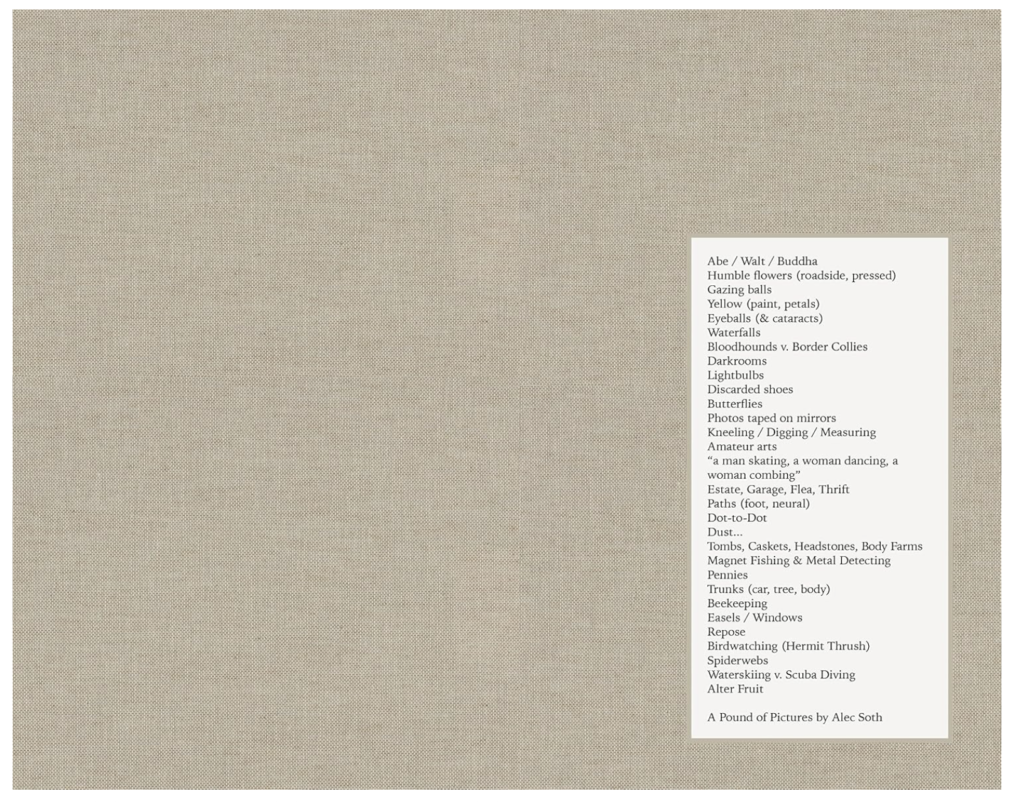
Author: Alec Soth
First Published: 2022
Category: 🟨 Highly Recommended
Difficulty: ★★☆☆☆ Accessible
Overall: ★★★★★
Best For
- BA, MA, MFA and PhD students
- Documentary photographers
- Fine art photographers
- Photobook makers
- Artists developing long-term projects
- Anyone searching for a more thoughtful creative practice
Research Themes
Creativity • Curiosity • Photobooks • Sequencing • Editing • Observation • Documentary • Storytelling • Imagination • Artistic Process
Overview
There are books that explain photography.
There are books that analyse photography.
Then there are books that quietly remind us why we fell in love with photography in the first place.
A Pound of Pictures belongs firmly in the third category.
Written by Magnum photographer Alec Soth, this thoughtful collection of essays and photographs explores photography not as a profession or technical discipline but as a lifelong conversation with the world. It is playful, reflective and deeply humane, inviting readers to embrace uncertainty rather than certainty and curiosity rather than expertise.
Rather than presenting himself as someone who has all the answers, Soth shares the questions that continue to shape his own photographic practice.
That honesty makes the book both inspiring and reassuring.
It reminds us that even internationally celebrated photographers continue to doubt, experiment and learn.
Who Is Alec Soth?
Alec Soth is one of the most influential contemporary photographers working today.
A member of Magnum Photos since 2008, he is best known for long-term documentary projects including Sleeping by the Mississippi, Niagara, Broken Manual and Songbook.
His photographs combine portraiture, landscape and narrative in ways that blur the boundaries between documentary observation and poetic storytelling.
Alongside his photographic work, Soth has become an important voice on creativity, photobooks and photographic education.
His generosity towards other photographers shines throughout A Pound of Pictures.
Rather than presenting himself as an authority, he writes as a fellow traveller still discovering photography’s possibilities.
Curiosity Over Certainty
Perhaps the book’s greatest lesson is that curiosity matters more than certainty.
Soth argues that photography begins not with answers but with questions.
Why am I drawn to this person?
Why does this place feel significant?
What happens if I return tomorrow?
Instead of chasing perfect photographs, he encourages photographers to remain open to surprise.
This willingness to embrace uncertainty has become one of the defining qualities of his work.
The camera becomes less a tool for proving something and more an instrument for discovery.
The Importance of Photobooks
Throughout A Pound of Pictures, Soth returns repeatedly to the importance of the photobook.
Photographs rarely exist in isolation.
Meaning emerges through relationships between images.
Sequencing.
Rhythm.
Pacing.
The turning of pages.
A photobook becomes an artwork in its own right.
For students preparing portfolios or developing long-form projects, these reflections are particularly valuable.
Soth reminds us that editing is not simply about removing weaker photographs.
It is about building conversations between images.
Embracing Play
One of the most refreshing aspects of the book is its playfulness.
Photography is often discussed in serious terms.
Soth reminds us that creativity also depends upon experimentation.
Many of his projects begin with unexpected ideas, chance encounters or seemingly insignificant observations.
Rather than fearing mistakes, he embraces them as opportunities for discovery.
This attitude feels especially valuable for emerging photographers who often worry about producing perfect work.
The book quietly argues that curiosity almost always produces stronger photographs than certainty.
Photography as a Lifelong Practice
Unlike books promising instant success or technical mastery, A Pound of Pictures celebrates photography as a lifelong practice.
Learning never ends.
Questions evolve.
Projects change direction.
Ideas mature.
Rather than presenting photography as a destination, Soth presents it as an ongoing conversation.
That perspective feels both realistic and deeply encouraging.
Why It Matters Today
Modern photography often feels driven by speed.
Algorithms reward constant production.
Social media encourages immediate publication.
Artificial intelligence promises effortless image generation.
Against this backdrop, Soth advocates something radically different.
Slow observation.
Thoughtful editing.
Long-term projects.
Meaningful books.
Photography becomes less about visibility and more about understanding.
It is a philosophy that feels increasingly important.
My Thoughts
Reading A Pound of Pictures feels rather like spending an afternoon in conversation with an exceptionally generous photographer.
Soth writes without pretension.
He shares doubts as readily as successes.
That openness makes the book unusually accessible.
As someone who has spent many years interviewing photographers, reviewing photobooks and writing about photographic practice, I found myself recognising many of the questions Soth raises.
His reflections on sequencing, editing and the role of photobooks resonated particularly strongly with my own work, reminding me that photographs rarely achieve their full meaning alone.
They become richer through relationships with other images.
I also admire his willingness to embrace uncertainty.
Photography often encourages confidence.
Soth reminds us that uncertainty is frequently where the most interesting work begins.
Criticisms
Readers looking for a structured guide to documentary photography may find the book more impressionistic than instructional.
Its essays wander gently between ideas rather than following a strict argument.
Some may wish for more detailed discussion of individual projects.
Yet this looseness is also part of the book’s charm.
It mirrors the creative process itself.
Photography rarely develops in straight lines.
Neither does Soth’s writing.
Why Every Photographer Should Read It
Photography is often presented as a series of technical challenges.
A Pound of Pictures quietly shifts the focus towards imagination.
It reminds us that great photography begins with curiosity, patience and openness to unexpected encounters.
For anyone feeling creatively stuck, overwhelmed by technology or uncertain about their direction, this book offers a welcome reminder that photography is ultimately about paying attention to the world.
Sometimes that is enough.
Verdict
A Pound of Pictures is one of the most generous photography books published in recent years. Thoughtful, quietly inspiring and beautifully written, it celebrates curiosity as photography’s greatest creative resource.
Rather than teaching readers how to imitate Alec Soth, it encourages them to become more attentive versions of themselves.
That is perhaps the finest lesson any photography book can offer.
Rating: ★★★★★
Read this if: You want to rediscover the joy of photography, develop stronger long-term projects and think more deeply about sequencing, photobooks and creative practice.
11. Take Care of Yourself — Sophie Calle
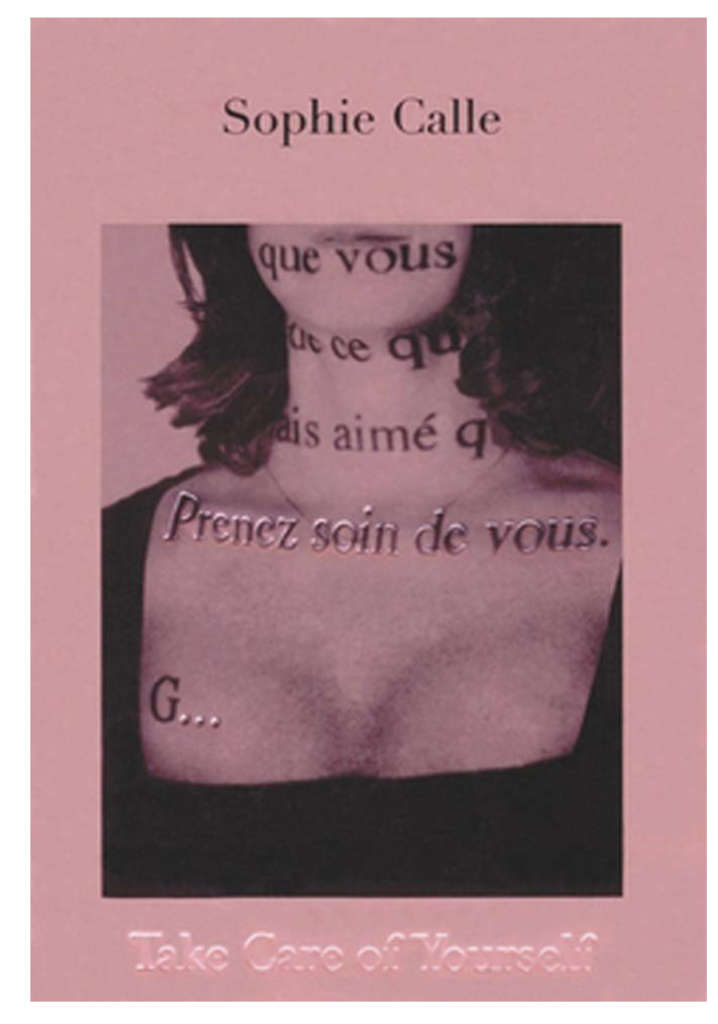
Author: Sophie Calle
First Published: 2007
Category: 🟨 Highly Recommended
Difficulty: ★★★☆☆ Moderate
Overall: ★★★★★
Best For
- BA, MA, MFA and PhD students
- Fine art photographers
- Conceptual artists
- Photographers exploring autobiography
- Artists interested in text and image
- Researchers working with narrative and identity
Research Themes
Autobiography • Identity • Narrative • Memory • Performance • Relationships • Feminism • Conceptual Art • Text and Image • Participation
Overview
Few contemporary artists blur the boundaries between photography, writing and performance as convincingly as Sophie Calle.
Part photographer, part writer and part conceptual artist, Calle has spent more than four decades creating work that transforms everyday experiences into complex investigations of identity, intimacy and human relationships.
Take Care of Yourself is perhaps her most celebrated project.
It begins with something surprisingly ordinary.
The end of a relationship.
After receiving an email in which her partner concludes their relationship with the words “Take care of yourself,” Calle decides not to respond directly.
Instead, she asks 107 women from different professions—lawyers, dancers, musicians, psychiatrists, teachers, editors, actresses, linguists and many others—to analyse the letter from the perspective of their own expertise.
Each response becomes part of the artwork.
Together they transform a private moment of heartbreak into an extraordinary collective exploration of language, emotion and interpretation.
The result is one of the most original photographic books of the twenty-first century.
Who Is Sophie Calle?
Born in Paris in 1953, Sophie Calle is internationally recognised as one of contemporary art’s most original voices.
Her practice combines photography, text, installation and performance in ways that consistently question the relationship between reality and fiction.
Rather than documenting the world in conventional ways, Calle often constructs situations that invite participation.
She has followed strangers through cities.
Documented hotel rooms after guests had departed.
Investigated personal relationships.
Explored absence, loss and memory.
Photography is only one element of her work.
Writing is equally important.
Neither medium dominates.
Instead they work together, creating narratives that remain deliberately open to interpretation.
Photography Meets Storytelling
One of the most fascinating aspects of Take Care of Yourself is that photographs never stand alone.
Every image exists in conversation with written language.
Letters.
Reports.
Interviews.
Performances.
Professional analyses.
The project reminds us that photographs rarely communicate in isolation.
Meaning develops through context.
This idea connects beautifully with John Berger’s Ways of Seeing and Roland Barthes’ reflections on interpretation.
Calle demonstrates that photographs and words continually reshape one another.
Neither possesses complete authority.
Participation as Artistic Practice
Long before participatory photography became widely discussed within academic research, Calle was inviting others into the creative process.
Rather than positioning herself as the sole author, she deliberately distributes interpretation across more than one hundred participants.
Each woman reads the same letter differently.
Each produces a unique response.
Together they reveal that meaning is never fixed.
Instead, it emerges collectively.
This makes the project especially relevant for anyone interested in participatory photography or collaborative practice.
Photography and Absence
Throughout Calle’s career, absence remains one of her defining themes.
Missing people.
Unanswered questions.
Lost relationships.
Forgotten objects.
Unfinished conversations.
Photography becomes less about documenting presence than investigating what is no longer there.
Readers familiar with Barthes will recognise interesting parallels.
Both artists are fascinated by loss.
Yet where Barthes writes through philosophical reflection, Calle transforms absence into creative performance.
The emotional territory may be similar.
The artistic methods are entirely different.
Why It Matters Today
In today’s world, where personal relationships increasingly unfold through text messages, emails and social media, Take Care of Yourself feels remarkably contemporary.
Digital communication often leaves behind permanent records of intensely personal experiences.
Calle transforms one such record into art without reducing it to autobiography.
Instead, she asks broader questions.
How do we interpret language?
How many meanings can a single message contain?
Can collective interpretation become a form of healing?
These questions remain just as relevant today as when the project was first exhibited.
My Thoughts
Sophie Calle has always fascinated me because she approaches photography with extraordinary freedom.
She refuses to accept conventional boundaries between photography, literature, performance and conceptual art.
Reading Take Care of Yourself reminded me that photographs do not always need to function independently.
Sometimes they become richer when combined with text, testimony and multiple voices.
As someone whose own research increasingly explores participatory methods and visual storytelling, I found Calle’s willingness to share authorship particularly inspiring.
Rather than controlling every aspect of interpretation, she creates space for others to contribute.
That generosity feels increasingly important within contemporary photographic practice.
Every time I revisit the book I discover new relationships between image and language that I had overlooked before.
Criticisms
Some readers may find Calle’s conceptual approach less immediately accessible than traditional documentary photography.
Those expecting a conventional photobook may initially be surprised by the amount of text.
Others question whether autobiography should occupy such a central position within contemporary art.
Yet these criticisms often underestimate the complexity of Calle’s work.
Her projects are never simply about herself.
They use personal experience to ask broader questions about memory, identity, communication and human relationships.
Why Every Photographer Should Read It
Take Care of Yourself demonstrates that photography need not conform to traditional expectations.
Images can exist alongside writing.
Performance.
Research.
Conversation.
Participation.
For photographers interested in expanding their creative practice beyond conventional documentary or fine art approaches, Calle opens remarkable possibilities.
She reminds us that photography is not simply about making pictures.
It is about asking imaginative questions.
Verdict
Take Care of Yourself is one of the most original and intellectually playful photography books of the twenty-first century. By transforming personal heartbreak into a collaborative work of art, Sophie Calle demonstrates photography’s extraordinary capacity to engage with language, memory and collective interpretation.
Thought-provoking, inventive and endlessly rewarding, it remains essential reading for anyone interested in conceptual photography and contemporary visual practice.
Rating: ★★★★★
Read this if: You want to explore photography beyond traditional documentary practice and discover how images, text and participation can combine to create powerful new forms of storytelling.
12. The Afterimage of Looking — Lee Miller
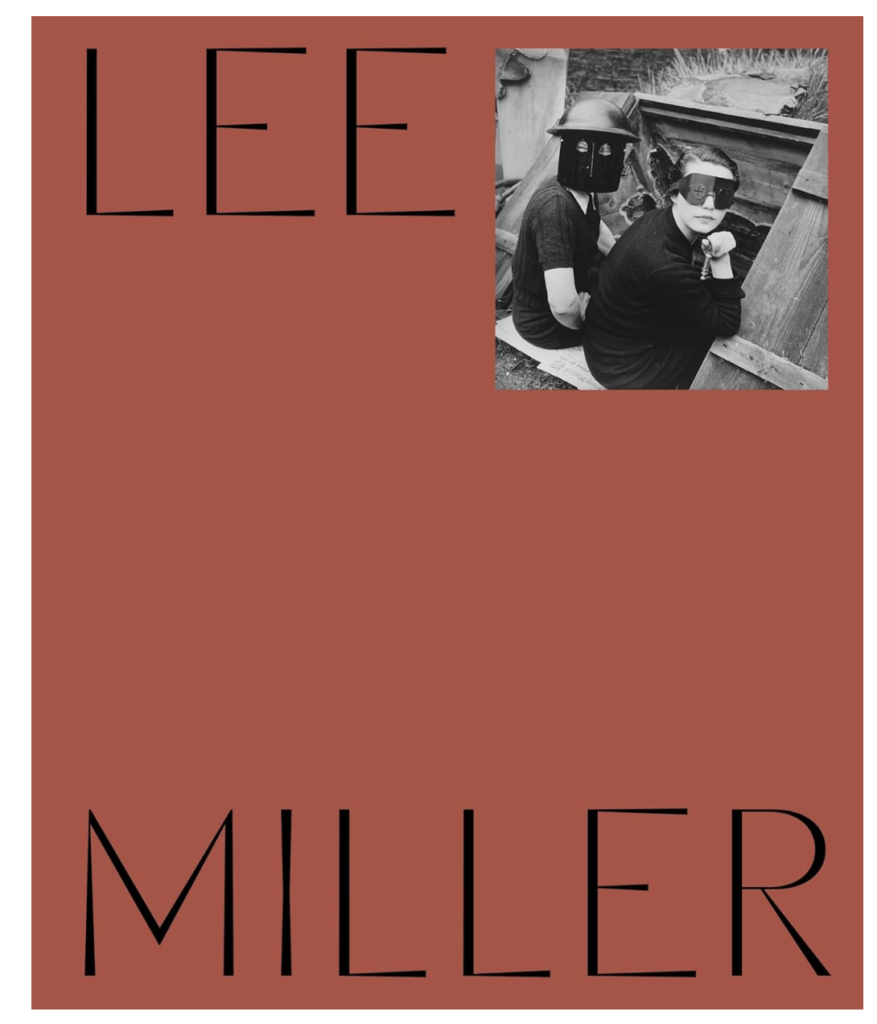
Author: Lee Miller
First Published: 2025
Category: 🟨 Highly Recommended
Difficulty: ★★☆☆☆ Accessible
Overall: ★★★★★
Best For
- BA, MA, MFA and PhD students
- Documentary photographers
- Portrait photographers
- Fashion photographers
- Historians of photography
- Anyone interested in women photographers and photographic history
Research Themes
War Photography • Memory • Surrealism • Identity • Portraiture • Witnessing • History • Gender • Documentary • Visual Culture
Overview
Few photographers have lived a life as remarkable—or as contradictory—as Lee Miller.
Model.
Fashion photographer.
Surrealist.
War correspondent.
Portraitist.
Friend to artists including Pablo Picasso, Man Ray and Jean Cocteau.
One of the first women to photograph the liberation of Nazi concentration camps.
Yet for many years, Lee Miller’s extraordinary achievements were overshadowed by the men surrounding her and by the mythology that often reduced her to little more than Man Ray’s muse.
The Afterimage of Looking restores Miller to her rightful place within photographic history.
Rather than presenting a simple biography, it offers a thoughtful exploration of her photographs, her artistic development and the lasting influence of her work upon contemporary photography.
For students seeking to understand both the history of photography and the ethical responsibilities of witnessing, this is an invaluable book.
Who Was Lee Miller?
Born in 1907, Lee Miller initially achieved international recognition as a fashion model before moving to Paris, where she became closely associated with the Surrealist movement.
Working alongside Man Ray, she quickly established herself as an accomplished photographer in her own right.
Returning to New York and later London, she worked for Vogue, producing fashion photography that combined elegance with remarkable visual experimentation.
Her career changed dramatically during the Second World War.
As an accredited war correspondent, Miller documented the Blitz, the liberation of Paris, Buchenwald, Dachau and the aftermath of Nazi occupation across Europe.
These photographs remain among the most significant visual records of the twentieth century.
From Surrealism to War
One of the most fascinating aspects of Miller’s career is the dramatic shift between seemingly different worlds.
Her early Surrealist work explored dreams, symbolism and visual ambiguity.
Her wartime photography confronted unimaginable historical reality.
Yet these two bodies of work are connected by a common curiosity about perception.
Miller constantly challenged conventional ways of seeing.
Whether photographing fashion, architecture or concentration camps, she remained attentive to detail, composition and psychological complexity.
Her photographs never simply recorded events.
They asked viewers to look more carefully.
Bearing Witness
Like Susan Sontag and Susie Linfield, Miller understood that photography carries ethical responsibilities.
Her photographs from Buchenwald and Dachau are among the most powerful examples of visual testimony ever produced.
They do not sensationalise suffering.
Neither do they turn away from it.
Instead, they insist upon careful witnessing.
Looking at these photographs remains difficult.
It should be.
Miller recognised that photography sometimes has a duty not simply to inform but to preserve evidence for future generations.
In this respect, her work continues to shape discussions surrounding documentary photography and historical memory.
Photography and History
One of the book’s greatest strengths is its recognition that photographs do more than document history.
They become part of history itself.
Miller’s images helped shape public understanding of the Second World War.
Today they continue to influence exhibitions, documentaries and historical research.
Photography therefore becomes more than visual evidence.
It becomes part of society’s collective memory.
This idea connects strongly with Barthes’ writing on memory and Sontag’s reflections on photographic witnessing.
A Woman Behind the Camera
Another reason this book feels particularly important is its attention to Miller as an artist rather than merely a historical figure.
For decades, discussions of her work often focused disproportionately on her relationships with famous men.
This book firmly redirects attention towards her extraordinary achievements as a photographer.
It reminds readers that Miller was not simply present during some of the twentieth century’s defining moments.
She actively shaped how those moments came to be seen.
That distinction matters.
Why It Matters Today
At a time when discussions surrounding representation, gender and photographic authorship continue to evolve, Miller’s work feels more relevant than ever.
She demonstrates that photographers can move confidently between genres without sacrificing artistic integrity.
Fashion.
Portraiture.
Documentary.
War.
Surrealism.
Rather than existing separately, these practices informed one another throughout her career.
For students developing interdisciplinary practices, her example remains deeply inspiring.
My Thoughts
Reading The Afterimage of Looking reminded me that photography’s history is often far richer and more complex than simplified narratives suggest.
Lee Miller refused to be confined by expectations.
She continually reinvented herself while remaining intellectually curious throughout her career.
As someone interested in memory, grief and documentary practice, I found her wartime photographs particularly moving.
Yet I was equally fascinated by the continuity running throughout her work.
Whether photographing fashion or war, she remained committed to careful observation and emotional intelligence.
Her photographs reward prolonged looking.
So does this book.
Criticisms
Readers hoping for a purely chronological biography may occasionally find the book’s thematic structure unexpected.
Others may wish for even greater discussion of Miller’s technical methods.
However, these are relatively minor observations.
The book succeeds because it places photography—not celebrity—at its centre.
That feels entirely appropriate.
Why Every Photographer Should Read It
Lee Miller’s career reminds us that photographers need never remain confined to a single genre.
Curiosity.
Courage.
Adaptability.
Intellectual independence.
These qualities shaped her work as profoundly as technical ability.
For photographers seeking inspiration beyond equipment and technique, her life offers a remarkable example of artistic resilience.
Verdict
The Afterimage of Looking is an outstanding exploration of one of photography’s most important figures. Thoughtful, beautifully researched and richly illustrated, it restores Lee Miller to the centre of photographic history while demonstrating the enduring relevance of her work.
For anyone interested in documentary photography, visual history or the ethical responsibilities of witnessing, it deserves a permanent place on the bookshelf.
Rating: ★★★★★
Read this if: You want to understand how one extraordinary photographer transformed the way the twentieth century was seen—and why her work continues to matter today.
13. Death and Other Belongings — Will Green
Author: Will Green
First Published: 2025
Category: 🟨 Highly Recommended
Difficulty: ★★☆☆☆ Accessible
Overall: ★★★★★
Best For
- BA, MA, MFA and PhD students
- Fine art photographers
- Documentary photographers
- Artists exploring grief and mortality
- Researchers interested in memory and loss
- Anyone questioning photography’s relationship with death
Research Themes
Death • Grief • Memory • Mourning • Material Culture • Absence • Time • Identity • Landscape • Belonging
Overview
Photography has always shared an intimate relationship with mortality.
From its earliest beginnings, photographs have preserved moments that immediately slip into the past, quietly reminding us that every image records something that can never exist in quite the same way again. Few contemporary books explore this relationship with greater sensitivity than Death and Other Belongings.
Rather than treating death as something exceptional or distant, Will Green approaches it as an ordinary part of human existence. Through photography, writing and careful reflection, he asks how we continue living alongside absence, how everyday objects become repositories of memory and why photographs often become some of the most precious belongings we possess after someone has died.
It is a thoughtful, beautifully observed book that refuses melodrama. Instead, it encourages readers to sit with uncertainty, recognising that grief is rarely something to overcome but something we gradually learn to live beside.
For photographers interested in memory, loss and the emotional life of images, this is an important contemporary contribution.
Who Is Will Green?
Will Green is a British photographer, writer and educator whose work explores themes of mortality, memory, landscape and personal history.
His practice often combines photographs with reflective writing, allowing image and text to work together rather than separately.
Throughout his work there is a quiet attentiveness to ordinary places and objects.
Rather than searching for dramatic moments, Green is interested in the traces people leave behind.
The result is photography that feels contemplative rather than declarative, inviting viewers to slow down and consider the emotional significance of seemingly ordinary things.
Photography and Mourning
One of the book’s greatest strengths is its understanding that grief rarely announces itself dramatically.
Instead, it often reveals itself through small details.
A favourite chair.
An unworn coat.
An empty room.
A handwritten note.
A photograph tucked inside a drawer.
Green demonstrates that photography is uniquely placed to acknowledge these quiet absences.
Rather than illustrating grief directly, photographs often evoke it indirectly through what remains.
This subtle approach distinguishes the book from many discussions of death that focus primarily on dramatic events.
Instead, Green explores the ordinary experience of continuing to live alongside memory.
Objects as Carriers of Memory
The title itself points towards one of the book’s most original ideas.
Belongings matter.
After someone dies, ordinary possessions often become emotionally charged.
A watch.
A book.
A pair of glasses.
A photograph.
These objects begin carrying stories that extend far beyond their practical purpose.
Photography occupies a particularly important place within this landscape.
Photographs are themselves objects.
They can be held, stored, inherited and rediscovered.
At the same time, they preserve visual traces of lives that have already passed.
Green explores this relationship with great sensitivity, reminding us that photographs are not simply records but companions to memory.
The Landscape of Loss
Landscape plays a quiet but important role throughout the book.
Places continue after people have gone.
Paths remain.
Trees continue growing.
Buildings stand long after their occupants have disappeared.
Green photographs these landscapes with extraordinary restraint.
Rather than using landscape as symbolism, he allows places to speak through their own histories.
This approach connects naturally with photographers such as Sally Mann while also echoing Roland Barthes’ reflections on photography, time and absence.
Why It Matters Today
Contemporary culture often struggles to speak openly about death.
Photography offers another language.
Images allow difficult conversations to begin gently.
They preserve memories while acknowledging change.
As more photographers engage with bereavement, ageing, palliative care and remembrance, books such as Death and Other Belongings become increasingly important.
They demonstrate that photography can explore mortality without becoming sentimental or exploitative.
Instead, photographs become acts of attention.
My Thoughts
This is one of the books that resonated most strongly with my own research.
As my work increasingly explores death, grief and social inequality through photography, I found Green’s quiet, reflective approach particularly moving.
Rather than attempting to explain grief, he creates space for readers to experience it thoughtfully.
That restraint is one of the book’s greatest strengths.
Reading it alongside Barthes’ Camera Lucida revealed fascinating parallels.
Both writers understand that photographs preserve absence as much as presence.
Yet Green approaches these ideas through contemporary photographic practice rather than philosophical reflection.
His work also complements Tim Carpenter’s meditation on mortality, offering another perspective on photography’s relationship with time and remembrance.
Like the very best photography books, Death and Other Belongings never tells readers what to think.
Instead, it invites careful looking.
Criticisms
Readers expecting a conventional photography manual may initially find the book’s contemplative pace surprising.
It asks for patience.
Its emphasis is reflection rather than instruction.
Some readers may also wish for more discussion of photographic technique.
However, this would arguably undermine the book’s purpose.
Its strength lies precisely in its willingness to privilege emotional and philosophical questions over technical ones.
Why Every Photographer Should Read It
Every photographer eventually confronts questions surrounding memory, absence and the passage of time.
Whether photographing family, communities or landscapes, we are always recording moments that immediately become history.
Green reminds us that photography’s greatest strength may not be its ability to stop time, but its ability to help us think more carefully about what time leaves behind.
That lesson extends far beyond photography itself.
Verdict
Death and Other Belongings is a quietly remarkable book. Sensitive, thoughtful and beautifully observed, it explores mortality without sensationalism and grief without sentimentality. It reminds us that photography is uniquely positioned to accompany us through some of life’s most difficult experiences, not by providing answers but by encouraging attention, remembrance and compassion.
For photographers interested in memory, bereavement and the emotional life of images, this is essential contemporary reading.
Rating: ★★★★★
Read this if: You want to understand how photography can explore grief, remembrance and the quiet significance of the objects and places that remain after loss.
14. An Expert Witness: Forensic Science on Trial — Professor Dame Sue Black
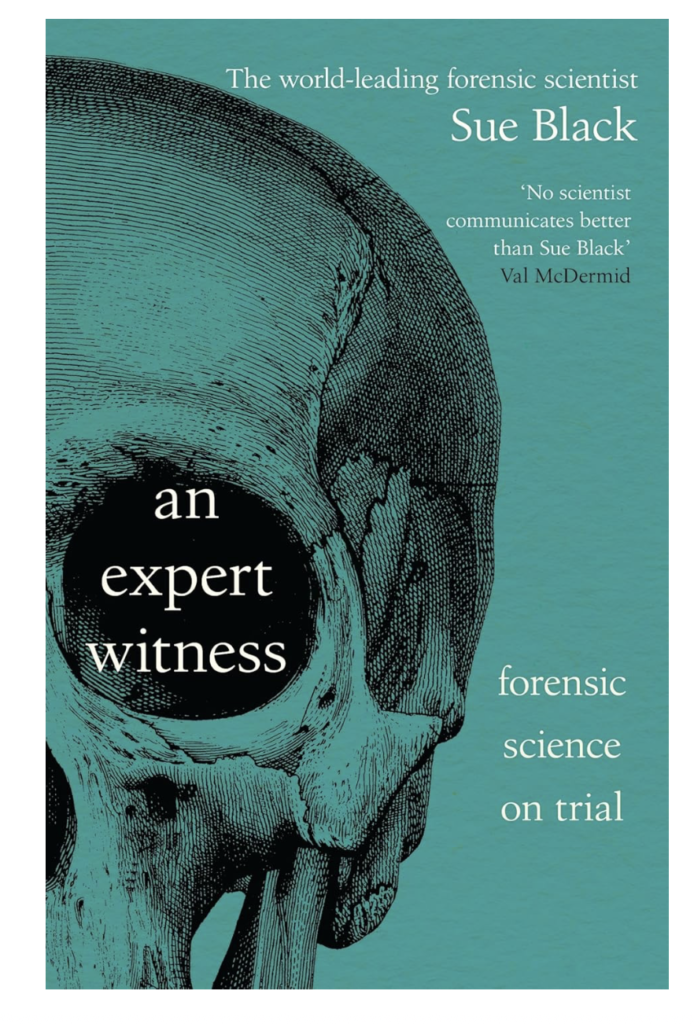
Author: Professor Dame Sue Black
First Published: 2026
Category: 🟨 Highly Recommended
Difficulty: ★☆☆☆☆ Very Accessible
Overall: ★★★★★
Best For
- BA, MA, MFA and PhD students
- Documentary photographers
- Researchers interested in death studies
- Forensic photographers
- Artists exploring memory and mortality
- Anyone interested in observation and visual evidence
Research Themes
Observation • Evidence • Death • Ethics • Human Remains • Memory • Forensic Science • Visual Interpretation • Justice • Truth
Overview
At first glance, Professor Dame Sue Black’s An Expert Witness may seem an unexpected inclusion in a reading guide for photographers.
It contains no discussion of lenses.
No advice about composition.
No guidance on editing or sequencing.
Yet by the final chapter it becomes clear that the book shares many of the same concerns as the finest works of photographic theory.
Observation.
Evidence.
Truth.
Memory.
The responsibility of looking.
Photography and forensic science have far more in common than we might initially imagine. Both depend upon careful observation. Both require patience, precision and attention to detail. Both ask us to examine visual evidence while recognising that interpretation always carries ethical responsibility.
For photographers interested in documentary practice, visual research or the representation of death, An Expert Witnessoffers an unexpectedly valuable perspective.
Who Is Professor Dame Sue Black?
Professor Dame Sue Black is one of the world’s leading forensic anthropologists.
Over the course of her distinguished career she has worked on some of the most significant forensic investigations of recent decades, identifying human remains, providing expert testimony in criminal trials and helping families find answers after unimaginable loss.
Alongside her scientific achievements, she has become an exceptional communicator, translating complex forensic science into language accessible to a general audience without sacrificing intellectual rigour.
That gift is evident throughout An Expert Witness.
The book never feels sensational.
Instead, it reveals the remarkable discipline required to transform careful observation into reliable evidence.
Seeing What Others Miss
One of the book’s recurring themes is observation.
Not simply looking.
Really seeing.
Tiny details.
Subtle inconsistencies.
Patterns that others overlook.
Photographers will immediately recognise this discipline.
Successful photography often depends upon noticing what everyone else walks past.
The same is true of forensic anthropology.
Black repeatedly demonstrates that meaningful conclusions rarely emerge from dramatic discoveries.
Instead, they arise through patient, methodical attention to detail.
That lesson applies equally behind a camera.
Photography and Forensic Thinking
Throughout the book I found myself drawing unexpected parallels with photography.
Every photograph represents evidence of a moment.
Every forensic investigation reconstructs events from fragments.
Neither discipline possesses complete information.
Instead, both require careful interpretation.
Assumptions must be questioned.
Context matters.
Small details often prove decisive.
Reading Black reminded me that photography, at its best, is never simply about aesthetics.
It is about observation.
The ability to notice relationships that might otherwise remain invisible.
Ethics Before Certainty
One of the qualities I admire most about Professor Black is her humility.
Despite decades of expertise, she repeatedly acknowledges uncertainty.
Scientific conclusions require evidence.
Speculation has no place in forensic investigation.
This attitude offers an important lesson for photographers.
Images rarely tell complete stories.
They suggest.
Imply.
Reveal.
Conceal.
Like forensic evidence, photographs demand careful interpretation rather than instant conclusions.
That intellectual honesty feels increasingly important within today’s visually saturated culture.
Human Dignity
Although the book inevitably discusses death, it never loses sight of humanity.
Behind every forensic investigation lies an individual life.
A family.
A history.
Black writes with extraordinary compassion, reminding readers that science ultimately exists in service of people rather than abstract knowledge.
For photographers working with vulnerable communities, bereavement or social injustice, this emphasis on dignity is especially significant.
The ethical responsibilities she describes extend well beyond forensic science.
They belong equally to documentary photography.
Why It Matters Today
Artificial intelligence, image manipulation and misinformation have transformed the way visual evidence is understood.
Against this backdrop, Black’s insistence upon careful observation, evidence-based reasoning and intellectual integrity feels more relevant than ever.
Photography increasingly operates within similar challenges.
How do we know what we are looking at?
How should visual evidence be interpreted?
What responsibilities accompany those interpretations?
Although An Expert Witness approaches these questions through forensic science, its lessons resonate strongly with contemporary photographic practice.
My Thoughts
Although this is the only book in this guide that isn’t explicitly about photography, I found it unexpectedly relevant to my own research.
My work increasingly explores death, grief and social inequality through photography, and Black’s reflections continually reminded me that observation is both an intellectual and ethical practice.
What impressed me most was the respect with which she approaches every investigation.
Nothing feels exploitative.
Nothing feels sensational.
Instead, the book demonstrates how careful observation can become an act of dignity.
Reading it alongside Barthes, Sontag and Linfield revealed surprising connections.
Each, in different ways, asks us to think more carefully about what it means to witness.
Black extends that conversation into forensic science, reminding us that looking carries responsibility whether we are holding a camera or examining evidence.
Criticisms
Readers expecting dramatic crime writing may initially be surprised.
This is not a sensational account of forensic investigation.
Instead, it is a thoughtful reflection on science, ethics and the responsibilities that accompany expertise.
Some photographers may question its place within a photography reading guide.
I would argue that this is precisely why it belongs here.
The best photography books often encourage us to look beyond photography itself.
Why Every Photographer Should Read It
Photography is fundamentally an act of observation.
So is forensic science.
Both require patience.
Integrity.
Curiosity.
Compassion.
Professor Black reminds us that seeing is never merely a technical skill.
It is an ethical one.
For photographers seeking to deepen not only their visual awareness but also their understanding of responsibility, this book offers invaluable lessons.
Verdict
An Expert Witness is a remarkable book that extends far beyond forensic science. Intelligent, compassionate and beautifully written, it demonstrates that careful observation is both a scientific discipline and a profoundly human act.
Although not strictly a photography book, it deserves a place in every serious photographer’s library because it reminds us that every image—and every observation—carries responsibility.
For anyone interested in documentary photography, visual evidence, mortality or ethical practice, it provides an unforgettable perspective.
Rating: ★★★★★
Read this if: You want to understand how observation, evidence and compassion intersect—and why the way we look at the world matters just as much as the photographs we make.
Building Your Own Photography Research Library
One of the greatest misconceptions about photography education is that it begins and ends in the classroom. In reality, some of the most important learning takes place long after formal study has finished.
The photographers and writers featured in this guide have become part of my own ongoing education. They are not books that sit neatly on a shelf waiting to be admired. They are working companions—filled with annotations, colour-coded tabs, handwritten notes and thematic indexes that help me reconnect ideas across multiple authors. I regularly return to passages I first highlighted years ago, only to discover that they mean something entirely different because my own practice has changed.
If you’re building your own photography library, my advice is simple.
Don’t worry about owning hundreds of books.
Own the right books.
Read them slowly.
Write in the margins if you’re comfortable doing so.
Keep a notebook nearby.
Create thematic indexes that allow you to trace ideas across different authors. I often group concepts such as memory, ethics, spectatorship, archives, documentary, mortality, participation and identity, making it much easier to connect one book with another as my research develops.
The most valuable books rarely reveal themselves on a first reading. Instead, they become richer as your own photographic practice matures.
Your library should grow alongside you.
Suggested Reading Pathways
One of the pleasures of photography is that there is no single route through its literature. Depending on your interests, some books will speak to you more immediately than others.
If you’re wondering where to begin, these pathways may help.
If You’re New to Photographic Theory
Start here:
- Ways of Seeing — John Berger
- Camera Lucida — Roland Barthes
- On Photography — Susan Sontag
These three books provide an exceptional foundation for understanding how photographs function culturally, emotionally and intellectually.
If You’re Preparing for an MA or MFA
I would recommend reading:
- Camera Lucida
- On Photography
- Regarding the Pain of Others
- Hold Still
- A Pound of Pictures
Together they combine theory, ethics and creative practice, offering an excellent introduction to postgraduate thinking.
If You’re Beginning Doctoral Research
By the time you begin a PhD, you’ll almost certainly encounter more specialised theoretical texts.
Start with:
- The Civil Contract of Photography
- The Cruel Radiance
- Camera Lucida
- On Photography
Then begin exploring writers from adjacent disciplines including philosophy, sociology, anthropology, cultural studies and visual ethics.
Photography has always borrowed ideas from elsewhere.
Its literature should too.
If Your Work Explores Grief, Death and Memory
These books have profoundly influenced my own thinking:
- Camera Lucida — Roland Barthes
- Regarding the Pain of Others — Susan Sontag
- To Photograph Is To Learn How To Die — Tim Carpenter
- Death and Other Belongings — Will Green
- Hold Still — Sally Mann
Together they explore photography’s unique relationship with absence, remembrance, mortality and the emotional complexity of looking.
If You’re Interested in Documentary Photography
Read these together:
- On Photography
- Regarding the Pain of Others
- The Cruel Radiance
- The Civil Contract of Photography
- Pictures From Home
Although each approaches documentary practice differently, they form one of the richest conversations within contemporary photographic literature.
If You Want to Develop a Long-Term Photographic Practice
These books focus less on theory and more on sustaining creativity over many years.
- A Pound of Pictures
- Hold Still
- Pictures From Home
- To Photograph Is To Learn How To Die
They remind us that photography is not a race but a lifelong conversation.
If You’re Interested in Conceptual Photography
Begin with:
- Take Care of Yourself
- Ways of Seeing
- Camera Lucida
These books encourage photographers to think beyond individual images and consider relationships between text, performance, memory and visual storytelling.
Final Thoughts
Photography has always been much more than a way of making pictures.
It is a way of asking questions.
Questions about memory.
Identity.
Justice.
Power.
Love.
Grief.
History.
Belonging.
The books collected here approach those questions from remarkably different perspectives. Some are philosophical, others intensely personal. Some explore politics and documentary photography, while others reflect quietly on creativity, family or mortality. A few are challenging academic texts; others are beautifully written memoirs that anyone can enjoy.
What they share is a belief that photographs matter.
Not because they freeze time or preserve reality perfectly, but because they help us understand ourselves and the world around us with greater care.
As photography continues to evolve through computational imaging, artificial intelligence and new forms of visual communication, these questions remain as important as ever. Cameras will change. Software will improve. Technologies will come and go. But the ideas explored by Barthes, Sontag, Berger, Linfield, Azoulay, Carpenter, Mann, Sultan, Soth, Calle and the other authors in this guide will continue to shape how thoughtful photographers approach the medium.
If I have one piece of advice, it is this.
Don’t treat these books as a checklist.
Treat them as companions.
Read them slowly. Return to them often. Disagree with them. Write in them. Build connections between them. Allow your understanding to change over time.
The most important photography books are not the ones you finish.
They are the ones that quietly continue influencing the way you see long after you’ve closed the final page.
And perhaps that is photography’s greatest gift.
Not simply helping us to make better photographs.
But teaching us to look at the world—and at one another—with greater curiosity, empathy and attention.
Help Keep TheAppWhisperer Independent
For more than fifteen years, TheAppWhisperer has championed photographers, reviewed books and exhibitions, published interviews and created free educational resources for photographers worldwide.
Unlike many websites, TheAppWhisperer has no paywall. Every guide, review and feature is freely available because I believe photography education should be accessible to everyone.
If you’ve enjoyed this article, discovered a new book or found it useful in your own practice or research, I’d be incredibly grateful if you considered buying me a coffee or, in this case, helping me buy my next photography book.
Every donation helps fund new reviews, interviews and educational resources.
❤️ Support TheAppWhisperer via PayPal
Thank you for helping independent photography journalism continue to thrive.

Joanne Carter
Joanne Carter is a British photography journalist, editor, curator, and the founder of *TheAppWhisperer.com*, one of the world’s leading platforms dedicated to mobile photography and art. Since its launch in 2009, TheAppWhisperer has become an international hub for artists of all levels to discover, learn, exhibit, and engage with contemporary photographic practice.Built on principles of inclusivity, accessibility, and artistic excellence, Joanne has spent almost two decades championing mobile photography as a serious artistic medium. Through interviews, critical essays, exhibitions, competitions, and education, she has helped shape and document the evolution of mobile art on a global scale.Her work has taken her internationally, lecturing on photography and mobile art at institutions and events including the Museum of Art in Seoul, South Korea, alongside appearances in the UK and Europe. She has served as a juror for international photography and mobile art awards across Portugal, Canada, the United States, South Korea, Italy, and the UK.Joanne is also the founder of *TheAppWhispererPrintSales.com*, one of the first online galleries dedicated exclusively to collectible mobile art, connecting artists with collectors across Europe, the United States, and Asia.Before founding TheAppWhisperer, Joanne worked extensively in print journalism and photographic publishing, including roles at a paparazzi photo agency and as deputy editor of a leading photography magazine. Her freelance journalism, criticism, and commentary have been published widely in both the UK and the US, with bylines in *The Times*, *The Sunday Times*, *The Guardian*, *Popular Photography*, *NikonPro*, *DPReview*, *Which?*, *Vogue Italia*, *LensCulture*, the *BBC*, and more recently, the *Financial Times*, where her published letters on photography continue to contribute to wider conversations around the medium.Alongside her editorial and curatorial work, Joanne’s own photographic practice has been exhibited internationally across the UK, Europe, South Korea, and the United States. Her work increasingly explores themes of grief, loss, death, memory, and the body.Her current research interests centre on grief, death, and poverty, with forthcoming postgraduate study leading towards doctoral research in these areas.Joanne is currently developing new long-form writing and photographic projects and is available for commissions, editorial projects, speaking engagements, and collaborations.Contact: joannetheappwhisperer@gmail.com)


You May Also Like
Book Review: Lachlan Goudie’s The Secrets of Painting