Mobile Artists on Their Artistry – Interview with Mariëtte Schrijver from the Netherlands
We are delighted to publish the seventeenth of our new styled interview entitled ‘Mobile Artists on Their Artistry’. Within this interview, we ask highly successful mobile artists twenty questions about their backgrounds, their work, social media, how Covid-19 has influenced their creative life and so much more…
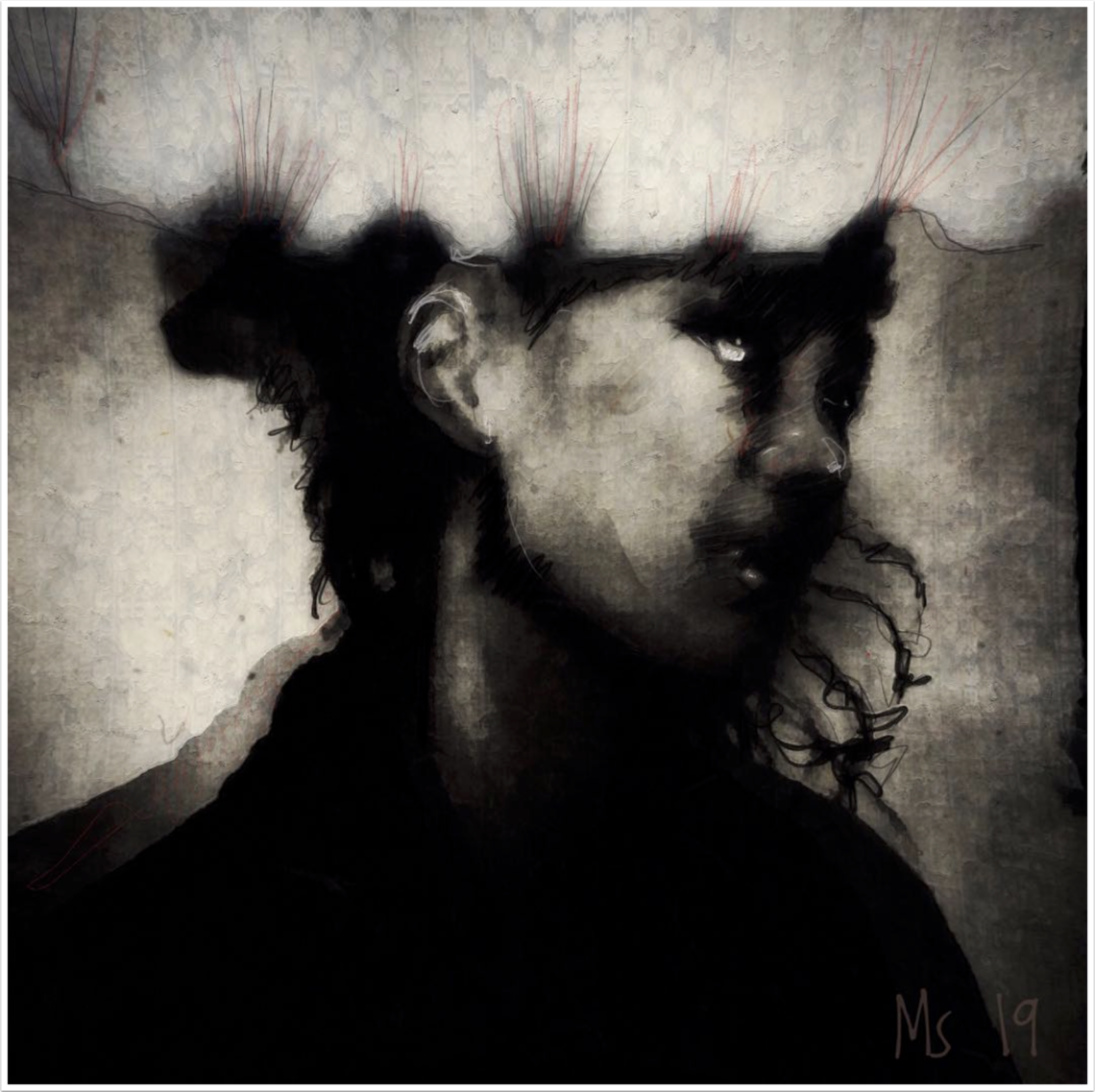
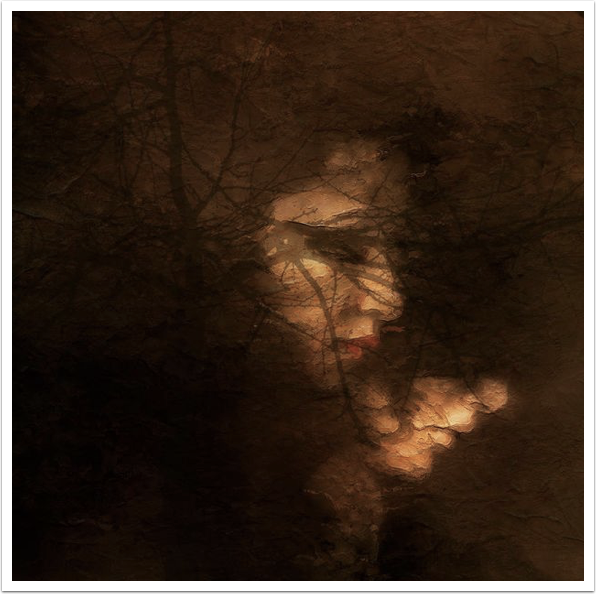
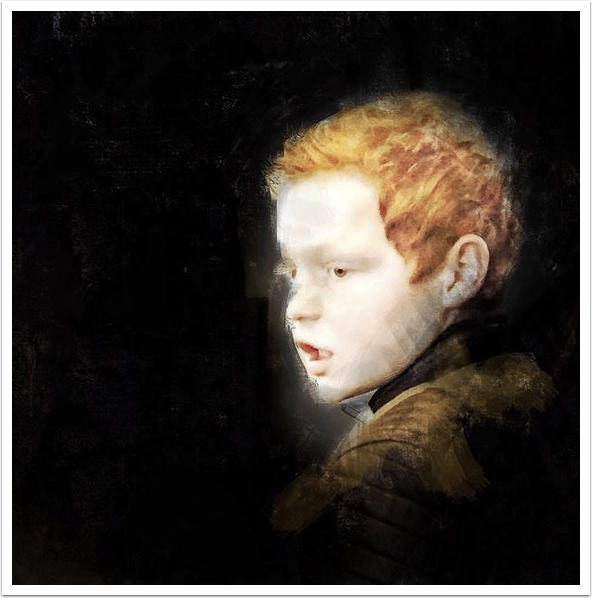
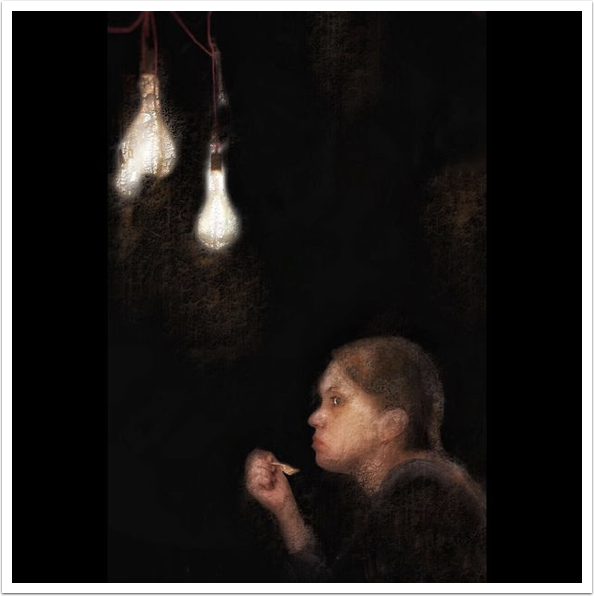
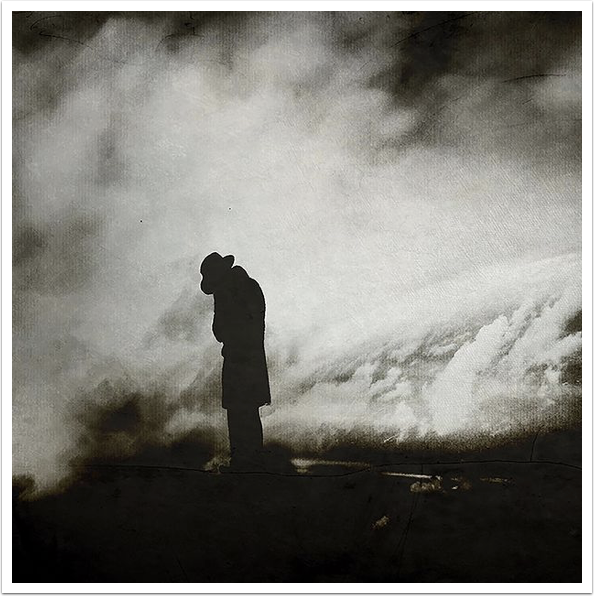
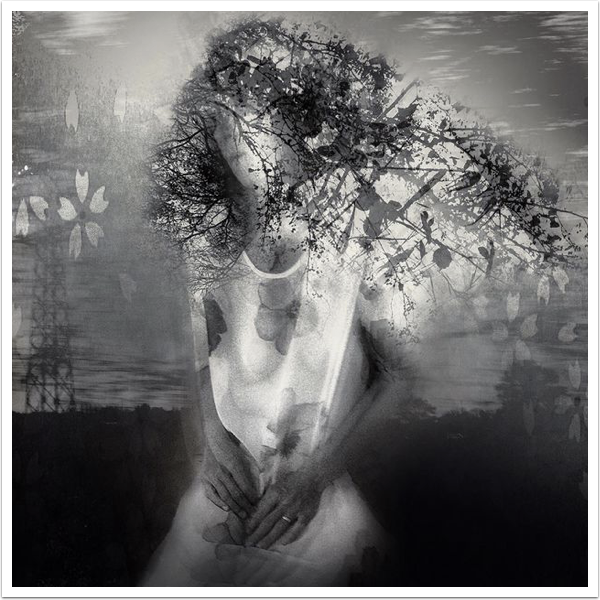
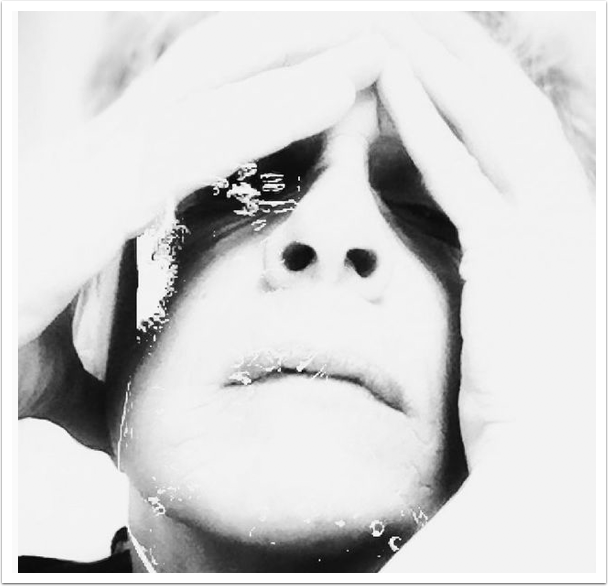
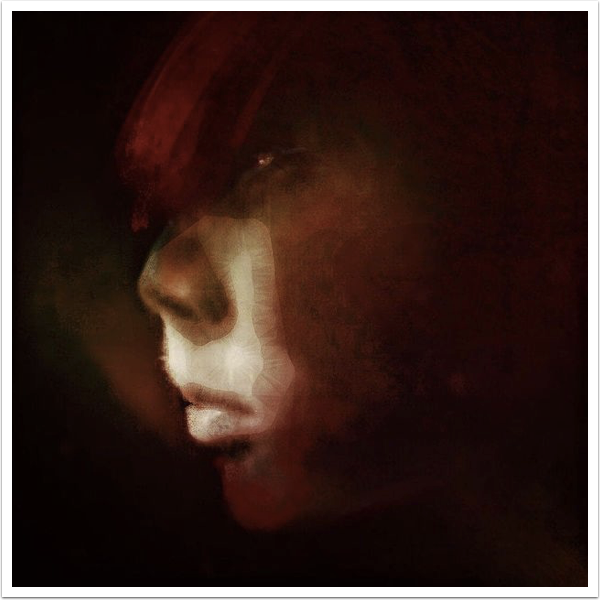
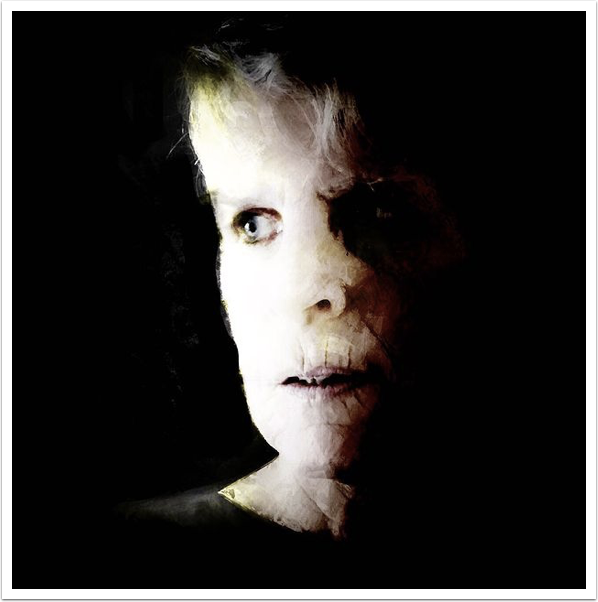
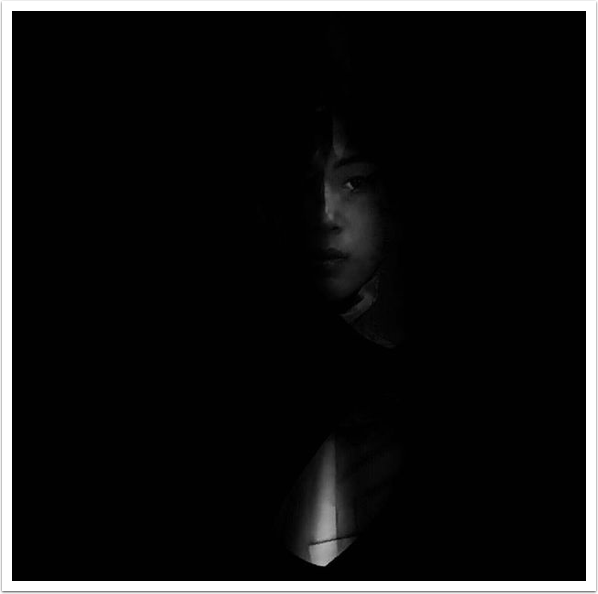
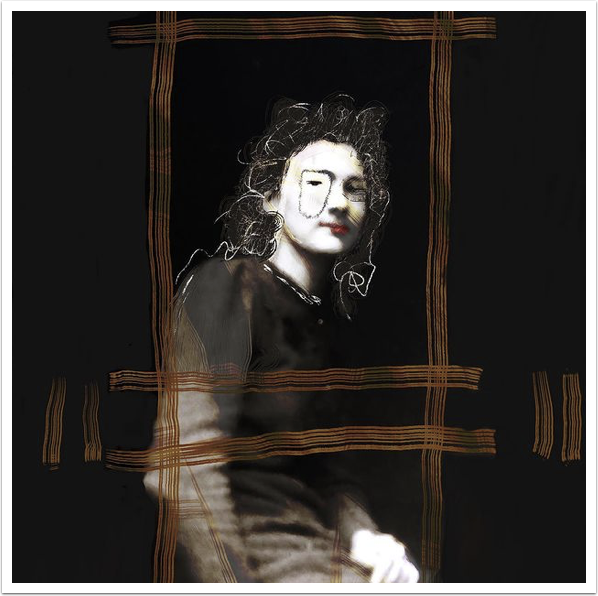
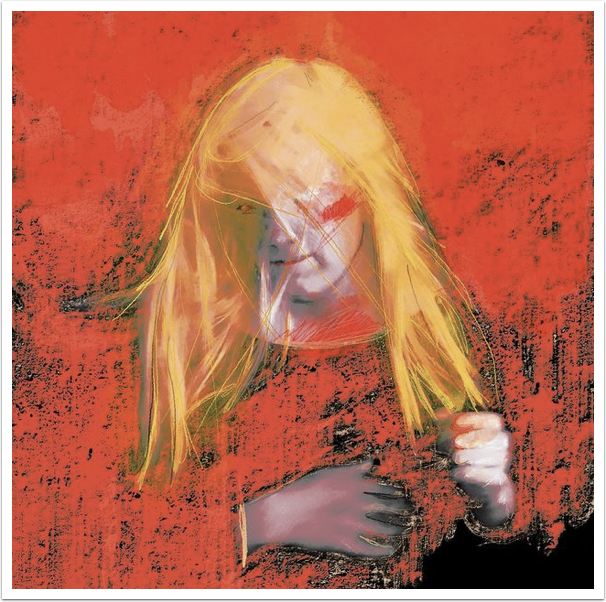
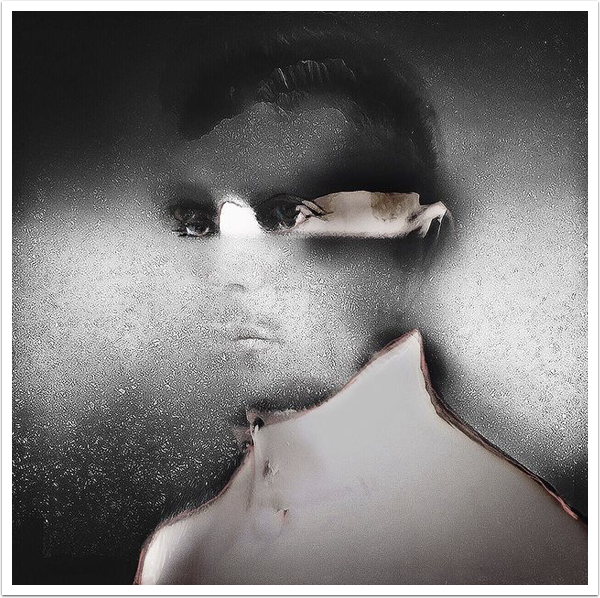
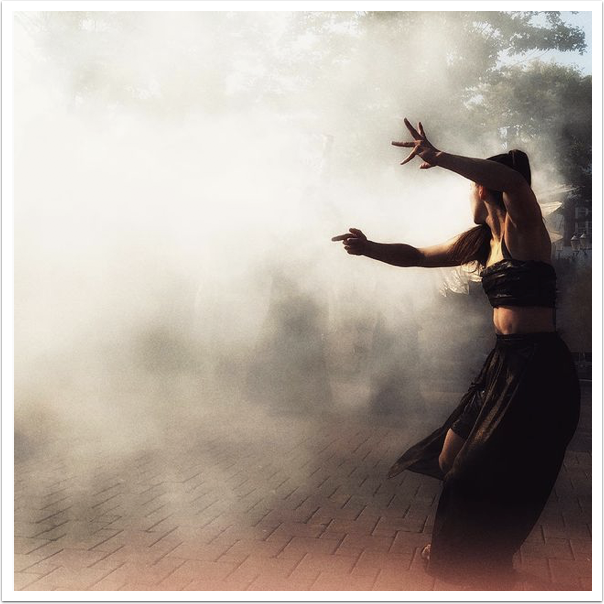
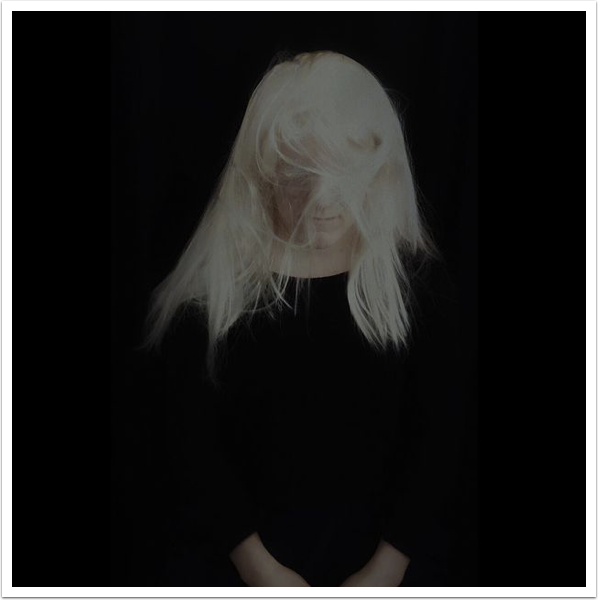
Today, we are proud to feature highly talented mobile artist Mariëtte Schrijver who resides in Amersfoort in the Netherlands. She is very proud to have exhibited her work in the Rijksmuseum of art Amsterdam. Schrijver is an artist whose illness has often impinged on the various readings of her work, imbuing these already complex images with another layer of mystery and, in some cases, foreboding. Almost hiding in full view of the camera, this work is as mysterious as it is elusive.
To read our other interviews in this series with Jane Schultz, Susan Latty, Cindy Karp, Sukru Mehmet Omur, Deborah Kleven Morbeto, Patty Larson, Adrian McGarry, Catherine Caddigan, Rita Colantonio, Sarah Bichachi, Marco Prado, Mehmet Duyulmuş Gerry Coe, Cynthia Morgan, Christine Mignon and Peter Wilkin please go here.
All images ©Schrijver
How would you introduce yourself to someone who doesn’t know your work?
I am Mariëtte, 62 years old and I live with my husband in a middle age town in the middle of the Netherlands. I have two adult children and bad health.
I’m an artist in minimalistic work and iPhone art. I studied art in my 40’s at the Academy of Fine Arts and then for fun at a free Academy of Fine Arts in abstract art (cum laude).
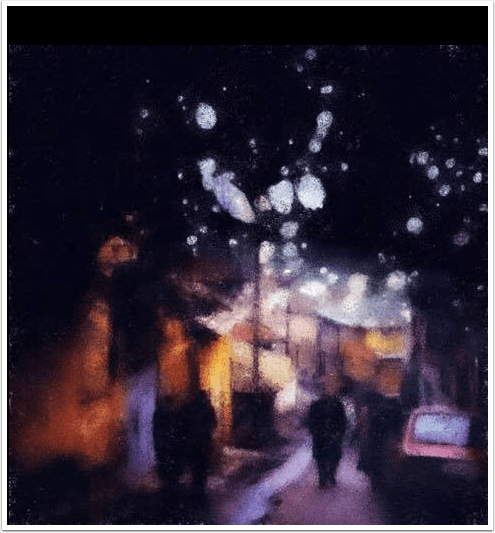
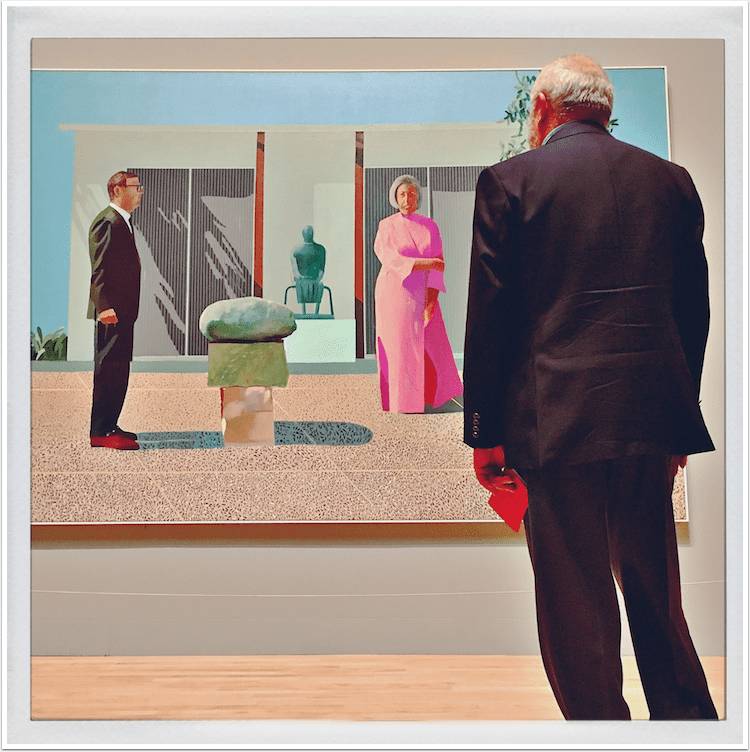
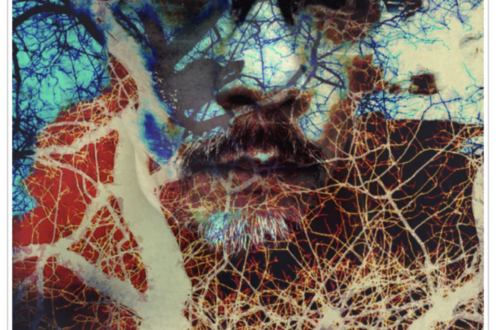
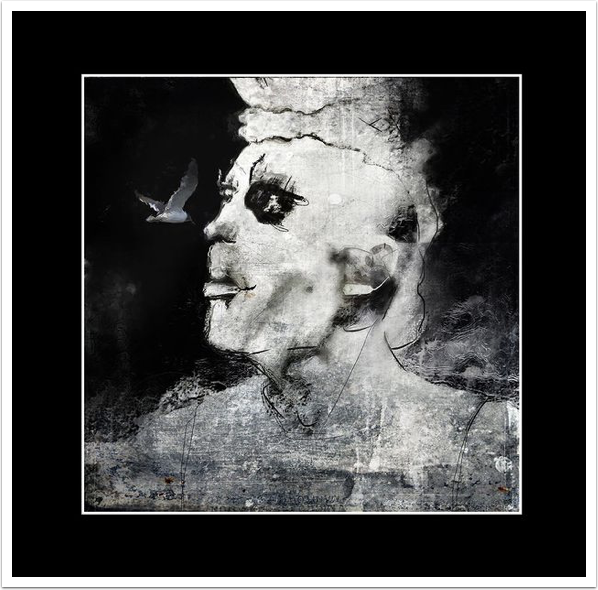
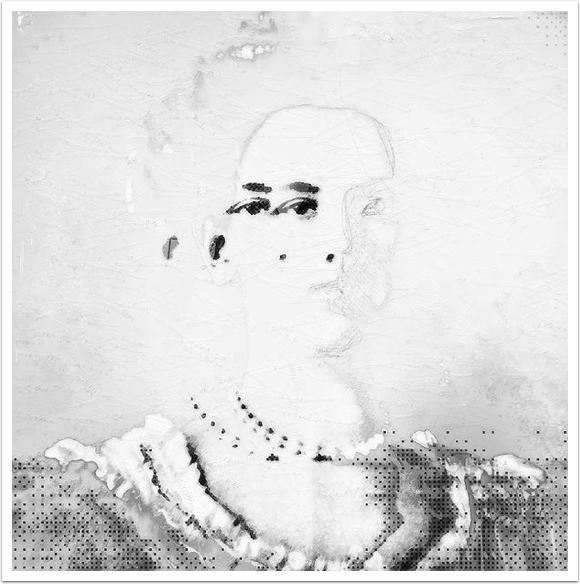
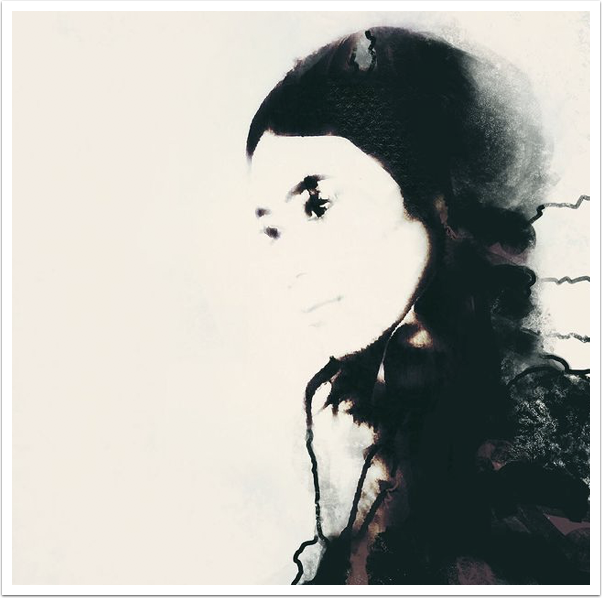
In my work I look for light and shadow in both literal and figurative form. I don’t like the standard shot and I don’t feel bound by any photographic rules. In fact; I can’t even photograph well, so I have to turn on editing, composing and mixing the right images.
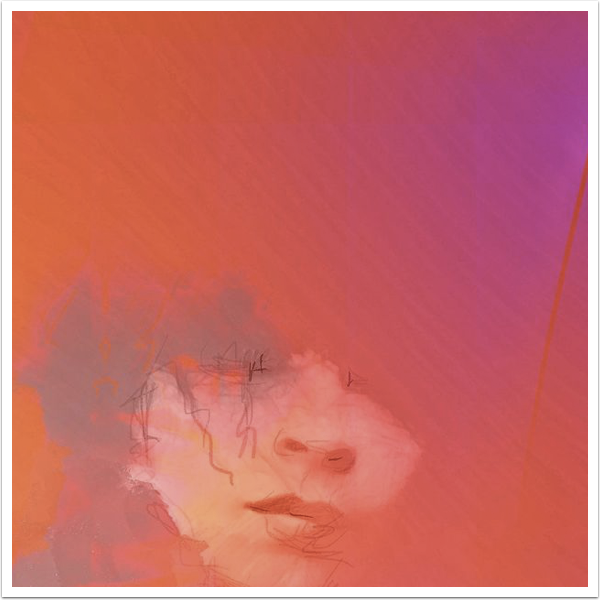
You have to go into the depth when you look at my work. It is about experiencing/feeling what you see and not about the ‘beautiful’. You won’t see it with 9 seconds of watching… that way you will never see my work. My works, both the canvases and the objects, is about perception, about the feeling, about the nature of the experience itself and the ‘goal’ is to achieve a state of concentrated emotion that usually shapes the work. Simplicity of image; it replaces cynicism, amusement, pose and kitsch. When working with my ‘painting’ there is a relationship with minimalism, arte-povera and conceptual art; not surprising, by the way… Henk Peeters was my mentor.
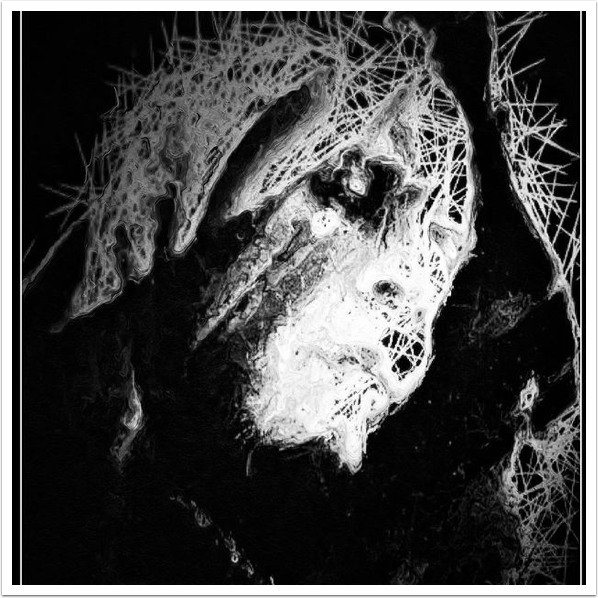
My work it is said it is a unique structure of deepening. The visibility of my works, but perhaps even more their invisibility in depth, is for many apparently not just another isolated stage, but an independent alternative for a search in life. Not art as a statement, but simply as a thinking and feeling process. A fundamental art, a search for the essence, in which I see my work as a positive fact that makes you think and forces you to make choices. In an almost simplistic way I try to depict this process, in which you feel as a spectator that there is a constant attempt to unravel the “fraying”.
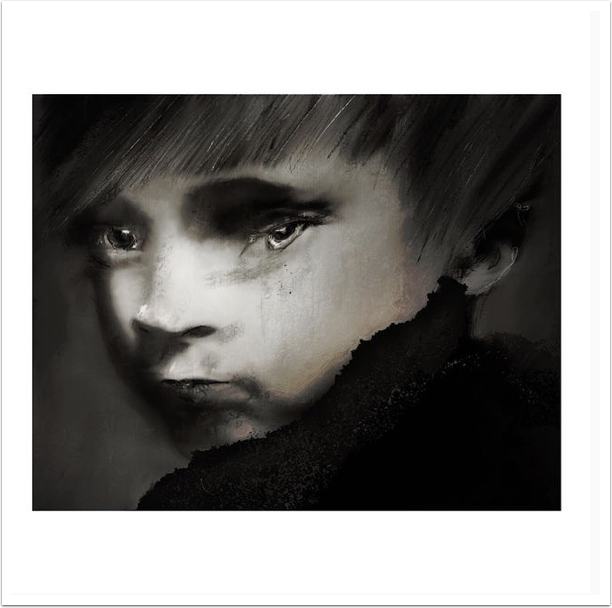
I make what feels right to me to make in both disciplines. I often make statements in both forms (with regard to sexual violence), whether or not combined with poems or contemporary fairy tales. I make no concessions for my work.
What name do you use within social media and was this a conscious decision?
My own name in connection with the commercial work with my art. Now that has disappeared due to illness, that should no longer be necessary but it’s too much hassle for me to change again.
What kind of family did you grow up in?
I grew up as the oldest of four in a traditional family. I had a hard time as a child. Home was not really a warm home for me and there was never a real connection. I think my parents were afraid of my fantasy and tried to curb it. Because I no longer wanted to remain silent about the abuse (by a doctor) and my parents’ denial of it, I no longer have contact with my family.
Did your childhood influence your ideas about creativity?
It just made me to be more determined. I guess I could never have made the deeper connection in my work without my background.
Did your parents support your creativity?
No, they were afraid of it. I also didn’t go to art school until I was 40 because I had to have a ‘good’ education in my youth.
When was the first time you knew you wanted to be an artist?
I said that when I was four so I think early in my childhood. I could create my own world when I drew.
What is creativity to you?
Unloading emotions and therefore being able to connect with others who recognise it.
What did you do before (if appropriate) becoming an artist?
I studied orthopedagogy but became a full-time mother when my first child turned out to be autistic. When I was 40 I went back to school and became an artist. My child was 16 at the time.
Where are you most creative?
At home, alone… slumped on the couch when it comes to mobile art. I prefer to paint in my studio.
What inspires you?
People and especially their emotions.
Who inspires you?
Not especially one person but other artists who know how to touch me. I had a special bond with Henk Peeters (Dutch zero > Armando, Schoonhoven) with whom I came into contact.
In photography I like the work of Robin de Puy and Erwin Olaf (both well-known Dutch photographers).
Does your engagement on social media help you to plan your future projects?
Not really, especially not now anymore. I’m not going for a career or fame. Don’t need that since I’m ill. I just want to make beautiful, vulnerable art and I actually do that for myself mostly.
What does your average day look like?
At the right time I am recovering from six months of hospitalisation and a number of major surgeries. So I rehabilitate a lot and sports is part of that. My morning is already over and then I do something in the house, shopping and cooking. The day is almost over when I do some editing to relax.
Is it your intention to ask questions or make the viewer question what they see?
No, rather experience it for yourself. Understand and experience art and feel what it does to you. That’s how I do it
Is there humour in your work?
Sometimes.
How important is failure in your work process? Do you incorporate it into your creative process?
Failure (very wrong word) usually occurs when I don’t listen carefully to what my work is trying to tell me. It always shows me the way when I do. You learn from mistakes and you really fail… if I start to get that feeling it’s time to stop creating.
How do you deal with criticism?
As long as it is constructive, .. no problem, but criticism to bring me down or out of jealousy is very difficult and hard to deal with.
Has the Covid-19 pandemic influenced your creative life?
Not really because my hospitalisation was more dominant in my life. I didn’t work more, less or differently. I did have fewer physical exhibits.
Who dead or alive would you like to have dinner with?
With God. A face to face conversation with HIM must be fascinating. I for sure would ask him why the world gets rougher and tougher and people become more narcissistic and egos too big.
What is the best piece of advice that you’ve heard and still repeat to others?
Listen to your gut feeling, no matter what subject, because it never lies.
Please support us…
TheAppWhisperer has always had a dual mission: to promote the most talented mobile artists of the day and to support ambitious, inquisitive viewers the world over. As the years pass TheAppWhisperer has gained readers and viewers and found new venues for that exchange. All this work thrives with the support of our community.
Please consider making a donation to TheAppWhisperer as this New Year commences because your support helps protect our independence and it means we can keep delivering the promotion of mobile artists that’s open for everyone around the world. Every contribution, however big or small, is so valuable for our future.

Joanne Carter
Joanne Carter is a British photography journalist, editor, curator, and the founder of *TheAppWhisperer.com*, one of the world’s leading platforms dedicated to mobile photography and art. Since its launch in 2009, TheAppWhisperer has become an international hub for artists of all levels to discover, learn, exhibit, and engage with contemporary photographic practice.Built on principles of inclusivity, accessibility, and artistic excellence, Joanne has spent almost two decades championing mobile photography as a serious artistic medium. Through interviews, critical essays, exhibitions, competitions, and education, she has helped shape and document the evolution of mobile art on a global scale.Her work has taken her internationally, lecturing on photography and mobile art at institutions and events including the Museum of Art in Seoul, South Korea, alongside appearances in the UK and Europe. She has served as a juror for international photography and mobile art awards across Portugal, Canada, the United States, South Korea, Italy, and the UK.Joanne is also the founder of *TheAppWhispererPrintSales.com*, one of the first online galleries dedicated exclusively to collectible mobile art, connecting artists with collectors across Europe, the United States, and Asia.Before founding TheAppWhisperer, Joanne worked extensively in print journalism and photographic publishing, including roles at a paparazzi photo agency and as deputy editor of a leading photography magazine. Her freelance journalism, criticism, and commentary have been published widely in both the UK and the US, with bylines in *The Times*, *The Sunday Times*, *The Guardian*, *Popular Photography*, *NikonPro*, *DPReview*, *Which?*, *Vogue Italia*, *LensCulture*, the *BBC*, and more recently, the *Financial Times*, where her published letters on photography continue to contribute to wider conversations around the medium.Alongside her editorial and curatorial work, Joanne’s own photographic practice has been exhibited internationally across the UK, Europe, South Korea, and the United States. Her work increasingly explores themes of grief, loss, death, memory, and the body.Her current research interests centre on grief, death, and poverty, with forthcoming postgraduate study leading towards doctoral research in these areas.Joanne is currently developing new long-form writing and photographic projects and is available for commissions, editorial projects, speaking engagements, and collaborations.Contact: joannetheappwhisperer@gmail.com)