AI and Photography: Gianluca Ricoveri on Truth, Memory and Presence
Introduction
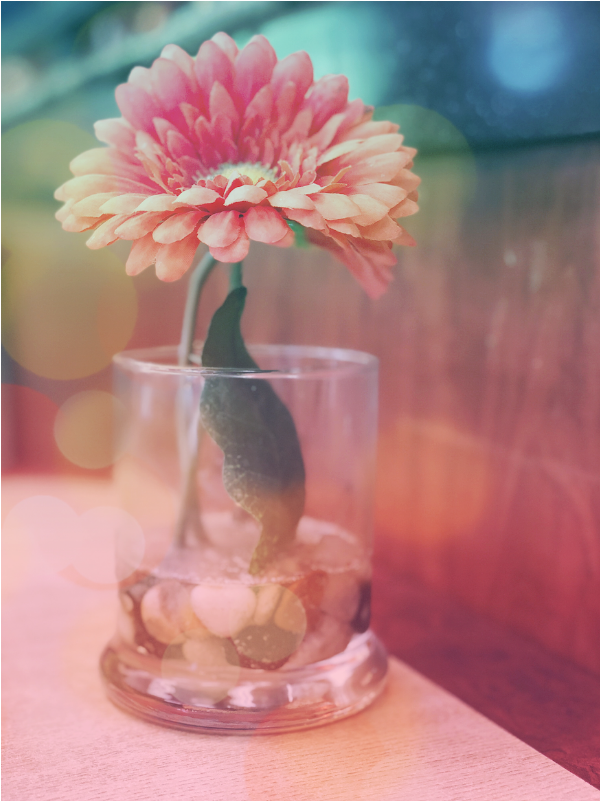
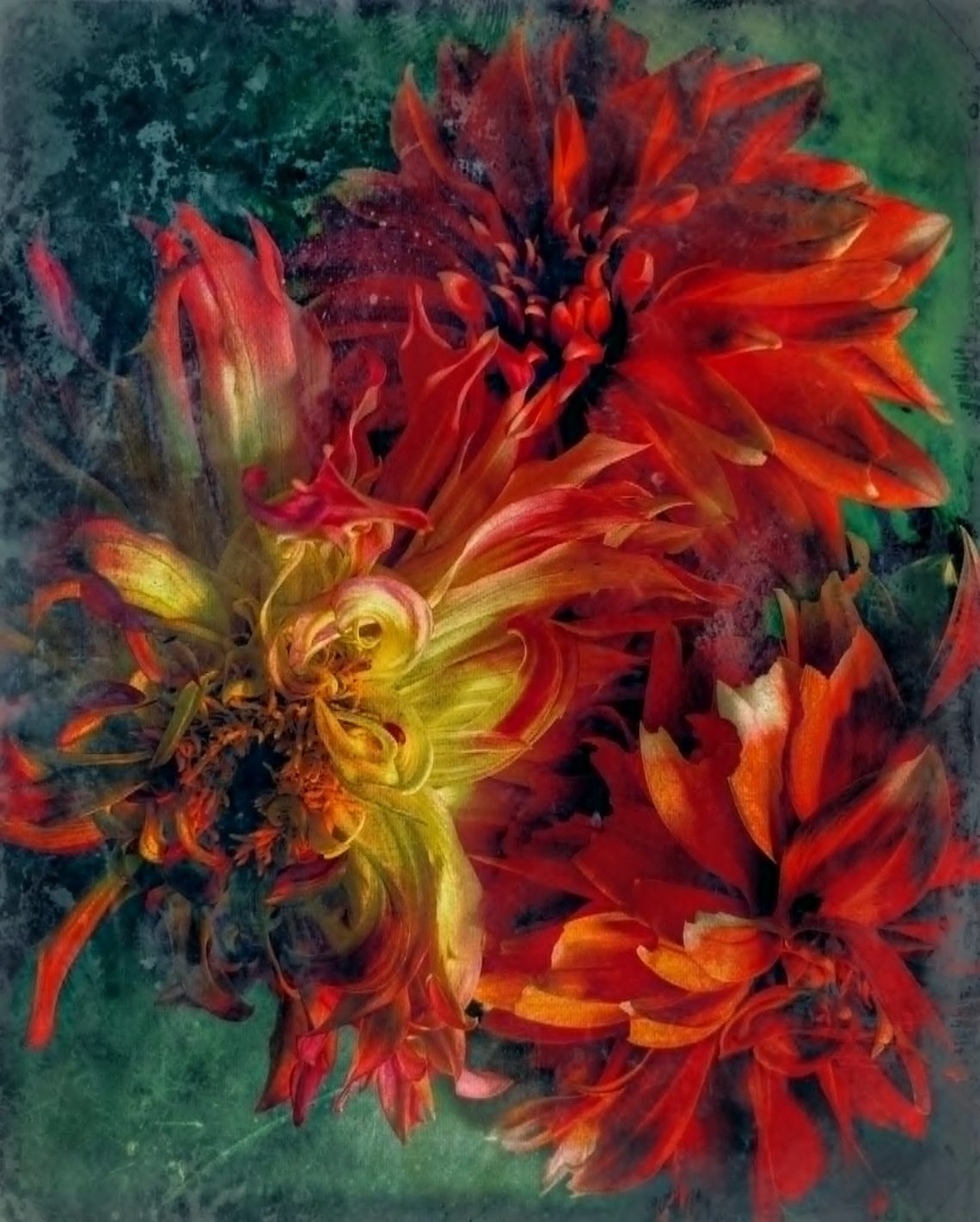
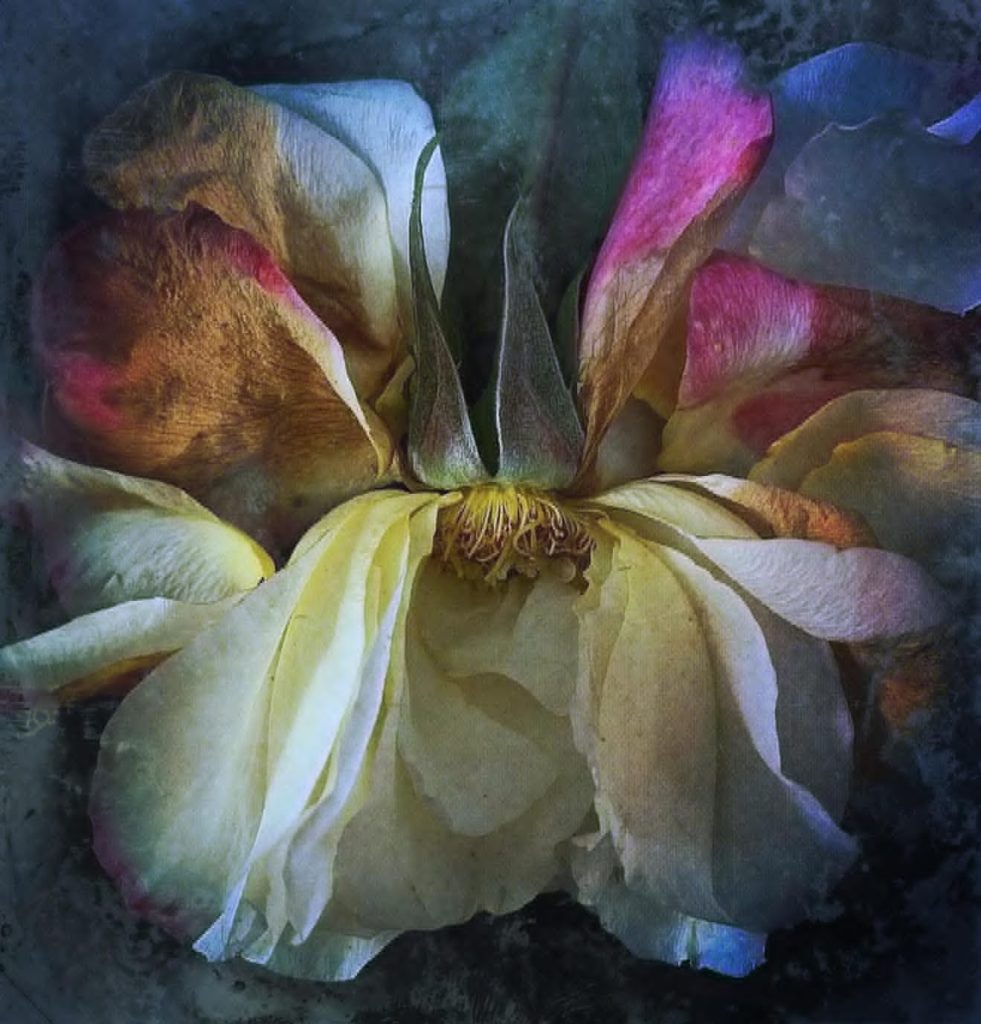
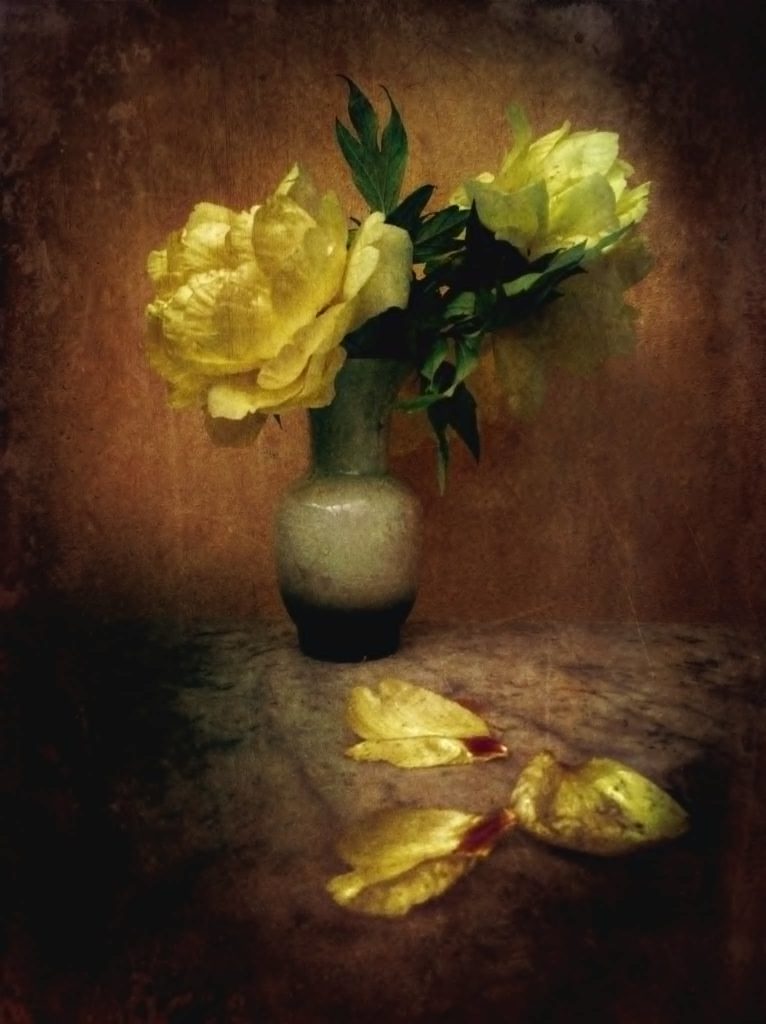
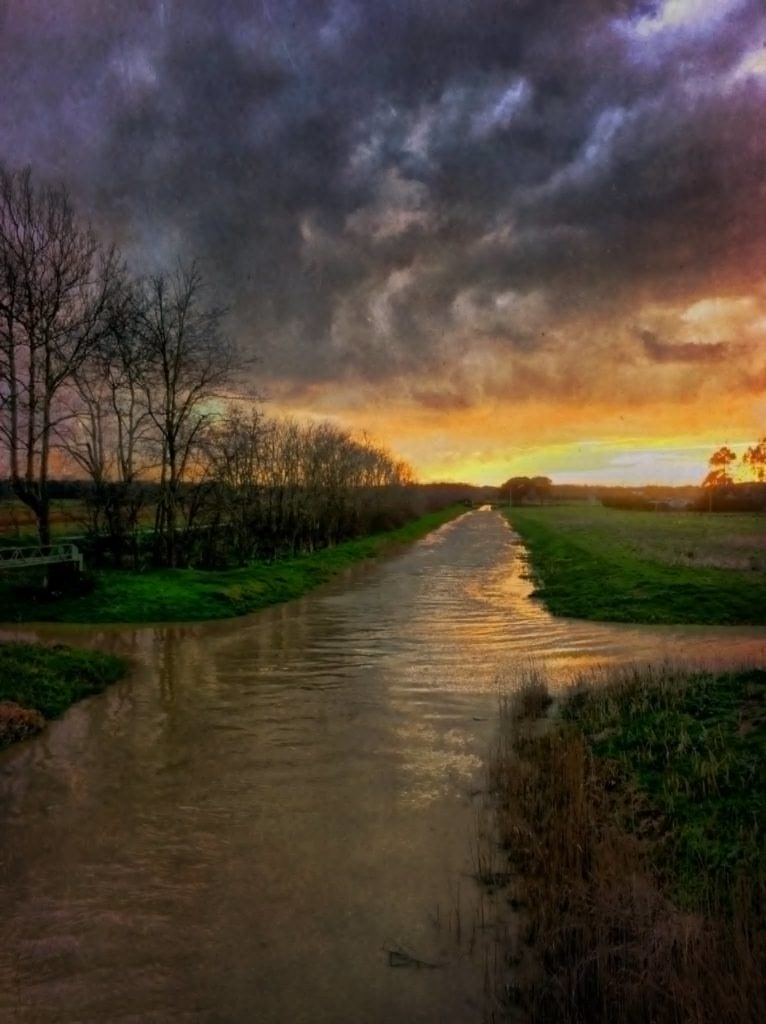
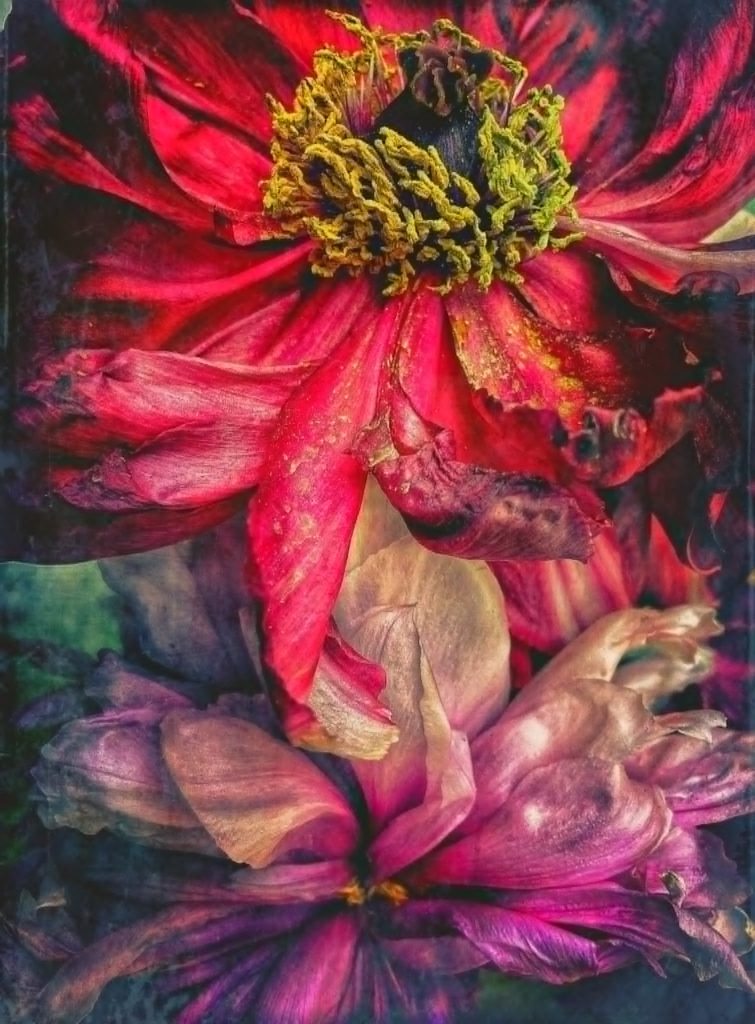
In this latest conversation for my ongoing AI and Photography interview series, I speak with Italian photographer and artist Gianluca Ricoveri, whose work many readers will already know through TheAppWhisperer and our print store, where I have the privilege of representing his collection. Gianluca’s photographs – from his contemplative Tuscan landscapes to his richly observed botanical studies – have long carried a profound sense of stillness, intimacy and emotional attention.
That quality feels especially relevant within this discussion on artificial intelligence. Gianluca’s images are rooted in observation, patience and lived experience – qualities that increasingly feel at odds with the speed and synthetic fluency of AI-generated imagery. His work reminds us that photography is often less about invention and more about noticing — about standing still long enough for the world to reveal itself.
What I found especially compelling in his answers is the calm clarity with which he navigates the growing presence of artificial intelligence in photography. There is no resistance for the sake of resistance here, nor blind acceptance. Instead, Gianluca offers something far more valuable: perspective.
At a moment when AI is reshaping photography at extraordinary speed, his reflections remind us that while technology may alter process, it cannot replace lived experience, human memory, or the quiet patience that so often gives photography its depth.
Interview with Gianluca Ricoveri
JC – When did AI first begin influencing your creative workflow, either directly or indirectly?
GR – AI first entered my workflow indirectly. Like many photographers using an iPhone, I realised that computational photography was already making decisions before I even pressed the shutter. More recently, AI-powered editing tools have become part of many applications, but I still prefer to make the creative decisions myself.
JC – Do you see AI as a collaborator, a tool, or something else?
GR – For me, AI is primarily a technical tool. It can simplify repetitive tasks and sometimes inspire new ideas, but I don’t see it as a substitute for personal vision. The photographer should remain the author of the image.
JC – Has AI changed how you think about authenticity in photography?
GR – Yes. Authenticity has become more complex. A photograph has never been completely objective, but AI makes it easier to create images that have little or no connection to reality. That means photographers need to be more transparent about their creative process.
JC – Many smartphones now apply heavy computational processing automatically. Do you feel photographers still fully control the image-making process?
GR – Not entirely. Smartphones perform noise reduction, HDR blending, sharpening, and colour adjustments automatically. They produce impressive results, but they also reduce the photographer’s control. Shooting in RAW whenever possible helps recover some of that control.
JC – Have you ever felt conflicted about using AI-assisted editing tools within your own work?
GR – Not really. I don’t object to AI when it improves technical quality without changing the meaning of the photograph. My concern begins when AI starts inventing content that was never there.
JC – Do you think audiences should always be informed when AI has been used within an artwork or photographic image?
GR – Yes. Transparency builds trust. If AI has significantly altered or generated parts of an image, viewers deserve to know. It doesn’t reduce artistic value—it simply provides honest context.
JC – Are you concerned that AI-generated imagery may overwhelm or devalue slower, more personal photographic practices?
GR – I think there is that risk. However, history shows that handcrafted work often becomes more appreciated when technology makes mass production easier. Film photography is a good example. Its slower pace encourages careful observation and intention.
JC – How do you think AI is affecting ideas surrounding memory, truth and documentation within photography?
GR – Photography has always been associated with memory and evidence. AI makes us question that relationship. Images can now be created without any real event behind them, making critical thinking more important than ever.
JC – In your opinion, can AI-generated images carry the same emotional weight as photographs connected to lived human experience?
GR – They can be visually impressive and emotionally suggestive, but for me there is something unique about a photograph made during a real human experience. Knowing that a person stood in that place, at that moment, gives the image a depth that AI cannot easily reproduce.
JC – Have developments in AI changed the way you archive, edit or curate your own images?
GR – Only slightly. AI-based search and organisation tools are useful, but I still curate my photographs manually. Editing and selecting images is part of my creative process, not just an administrative task.
JC – Do you believe younger photographers entering the field now will define creativity differently from previous generations?
GR – Yes. Every generation embraces the tools available to it. Younger photographers will probably see AI as something normal rather than revolutionary. What matters is that they continue to develop their own visual language instead of relying entirely on algorithms.
JC – Has AI influenced the way you think about authorship and ownership within digital art?
GR – It has made these questions much more complicated. Authorship should remain connected to creative intention and decision-making, not simply to whoever presses a button.
JC – What ethical responsibilities do artists and platforms have when publishing AI-generated imagery?
GR – Artists should be transparent about how their images are made, and platforms should clearly distinguish between photographs and AI-generated works. Honesty benefits everyone.
JC – Are there aspects of human experience that you believe AI will never convincingly replicate visually?
GR – Yes. AI can imitate appearances, but it cannot truly experience loss, love, patience, or memory. Those experiences leave subtle traces in photographs that come from living, waiting, and observing. As someone who also enjoys analogue photography, I appreciate the imperfections and unpredictability that arise from real moments rather than generated ones.
JC – Looking ahead five years, what excites or worries you most about the future relationship between AI and mobile photography?
GR – I am excited by AI’s potential to improve accessibility, image organisation, and technical quality. At the same time, I hope photography does not lose its connection to reality and personal experience. I believe there will always be room for photographs that reflect genuine observation, whether they are taken with an iPhone or with a film camera. Technology will continue to evolve, but human curiosity, patience, and storytelling remain at the heart of photography.
My Reflections on Gianluca’s Views on AI and Photography
What strikes me most about this conversation is its quiet insistence on something we risk forgetting in the rush toward automation: photography has never only been about images. It has always been about presence — being there, witnessing, waiting, feeling.
AI can organise, refine, and even generate with astonishing speed, but it cannot live the moments from which meaningful photographs emerge. It cannot grieve, love, lose, or remember in the way we do. And perhaps that is where photography will continue to hold its deepest power.
As AI becomes further embedded into mobile photography and wider visual culture, the questions around truth, authorship and transparency will only grow louder. But as these answers remind us, the future of photography does not have to be defined by what machines can do. It can still be shaped by what humans choose to notice and why they choose to preserve it.
For those who would like to spend more time with Gianluca’s work beyond this interview, a curated selection of his limited edition prints is available through TheAppWhisperer Print Sales. They are, without question, worth your attention.
Gianluca Ricoveri is represented exclusively by TheAppWhisperer Gallery: https://theappwhispererprintsales.com/collections/gianluca-ricoveri
Instagram: https://www.instagram.com/gricoveri/?hl=en
Read More from our AI and Photography Series
This interview forms part of my ongoing AI and Photography series at TheAppWhisperer, where I invite artists, photographers and image-makers to reflect on how artificial intelligence is reshaping creativity, authorship, truth and visual culture.
. Jane Schultz – ‘The imperfect human hand may become the most radical artistic gesture of all”
• Rita Colantonio — “The Integrity of the Fine Artist Must Be Preserved”
https://theappwhisperer.com/2026/05/the-integrity-of-the-fine-artist-must-be-preserved-rita-colantonio-on-ai-and-photography/
• Dan Marcolina — Between Photography and AI: A Conversation with Dan Marcolina
https://theappwhisperer.com/2026/06/between-photography-and-ai-a-conversation-with-dan-marcolina/
• Michelle Sank — Michelle Sank on AI, Photography, Truth and Authenticity
[Michelle Sank]
Together, these interviews form an evolving archive of artistic thought at a moment when photography is being fundamentally redefined. As this series grows, so too does the urgency of the questions it asks.
Support TheAppWhisperer
If you’ve found this article useful and would like to support independent photography journalism, please consider making a small donation to TheAppWhisperer.
Since 2009, TheAppWhisperer has published thousands of interviews, reviews, opportunities and essays dedicated to photography and mobile art, remaining free to read for everyone. Every contribution helps support the time, research and editorial work that goes into producing and preserving this archive.
Your support helps keep thoughtful photography writing alive.

Joanne Carter
Joanne Carter is a British photographer, photography journalist, editor and curator and the founder and editorial director of TheAppWhisperer.com, an independent international photography publication established in 2009.Her journalism, criticism and commentary have appeared in The Times, The Sunday Times, The Guardian, Financial Times, BBC, Vogue Italia, LensCulture, Popular Photography, Android Magazine, NikonPro, DPReview, Which Digital Camera and Which Camera. She has lectured internationally on photography and mobile art, served as a juror for international photography awards, and exhibited her own photographic work across the UK, Europe, South Korea and the United States.Alongside her editorial work, Joanne's photographic and postgraduate research explores death, grief, memory, representation and social inequality through contemporary photography, participatory practice and visual research methods, with the longer-term aim of developing this work through doctoral research.Through TheAppWhisperer, she continues to publish independent photography journalism spanning contemporary photographic practice, mobile imaging, photographic apps, computational photography and emerging imaging technologies.Joanne is available for editorial commissions, photography projects, judging, curatorial work, speaking engagements, consultancy and selected collaborations.


You May Also Like
Visualising Mobile Photography and Art Interview with Christine Mignon from Vienna, Austria
Mobile Photography & Art – ‘Intimate Interview’ with Luis Rodríguez, a.k.a. Luisón, from Madrid, Spain